
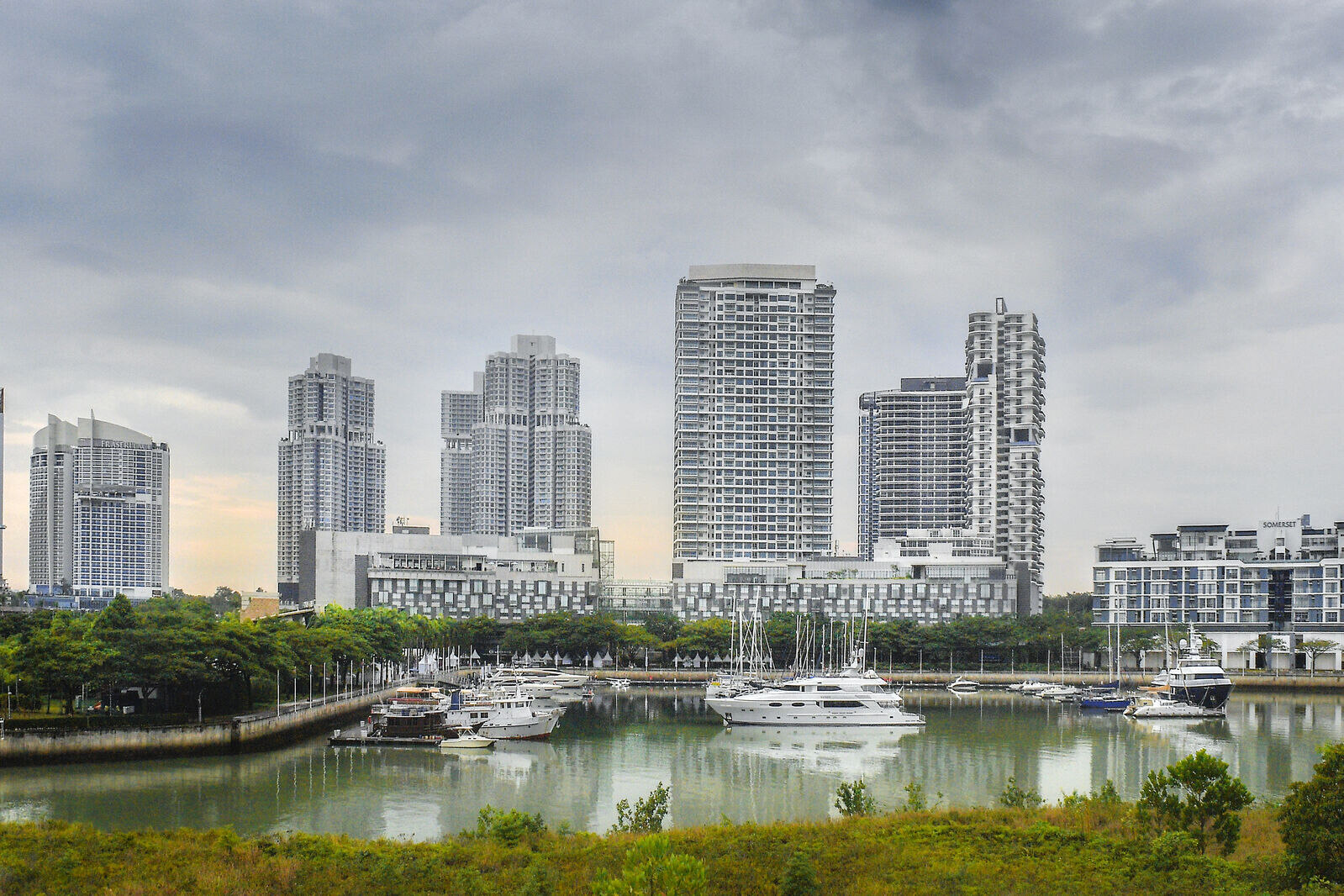
Streamlining Waste Management Across Mixed-Use Developments
Mixed-use developments - combining residential apartments, retail outlets, food and beverage (F&B) hubs, and commercial offices - are vibrant centers of urban activity. However, managing waste across these multi-functional spaces presents a complex operational challenge. Residential, commercial, and dining zones generate vastly different waste volumes, types, and peak collection demands simultaneously.

Segregation of Distinct Waste Streams at the Source
The Challenge: F&B outlets produce heavy organic wet waste, retail stores generate vast amounts of dry packaging, and residential units discard mixed household refuse. Mixing these streams causes contamination, foul odours, and low recycling rates.
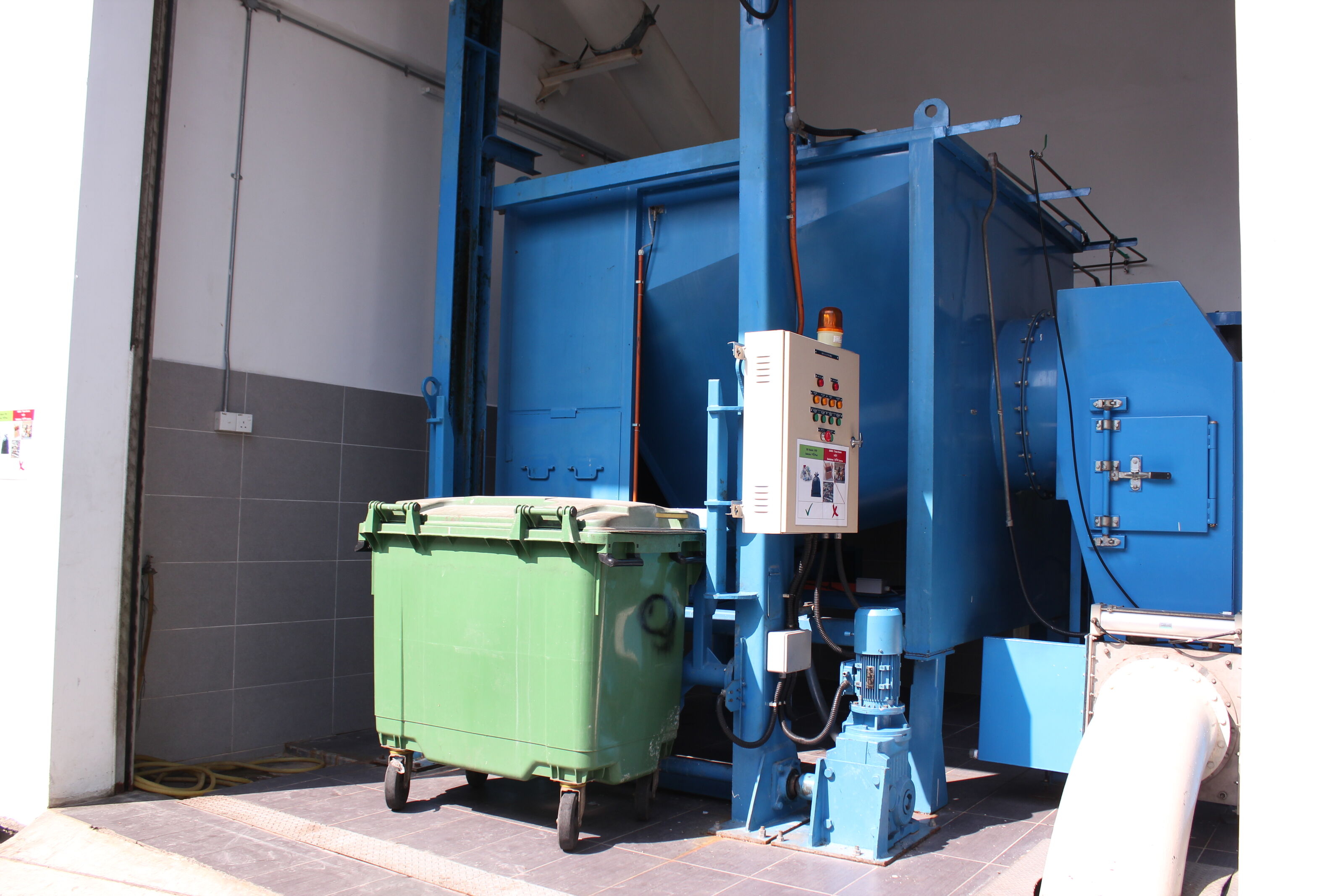
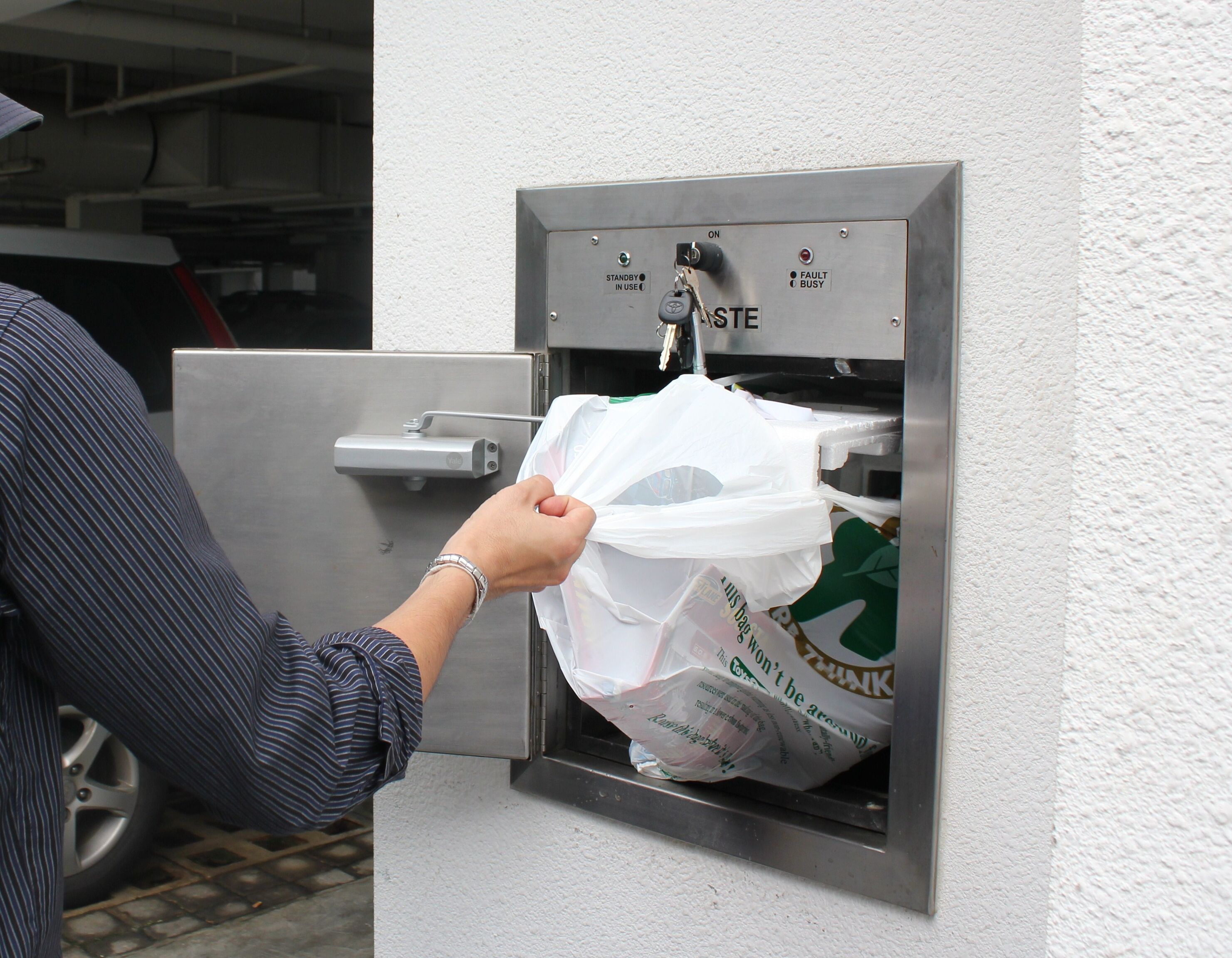
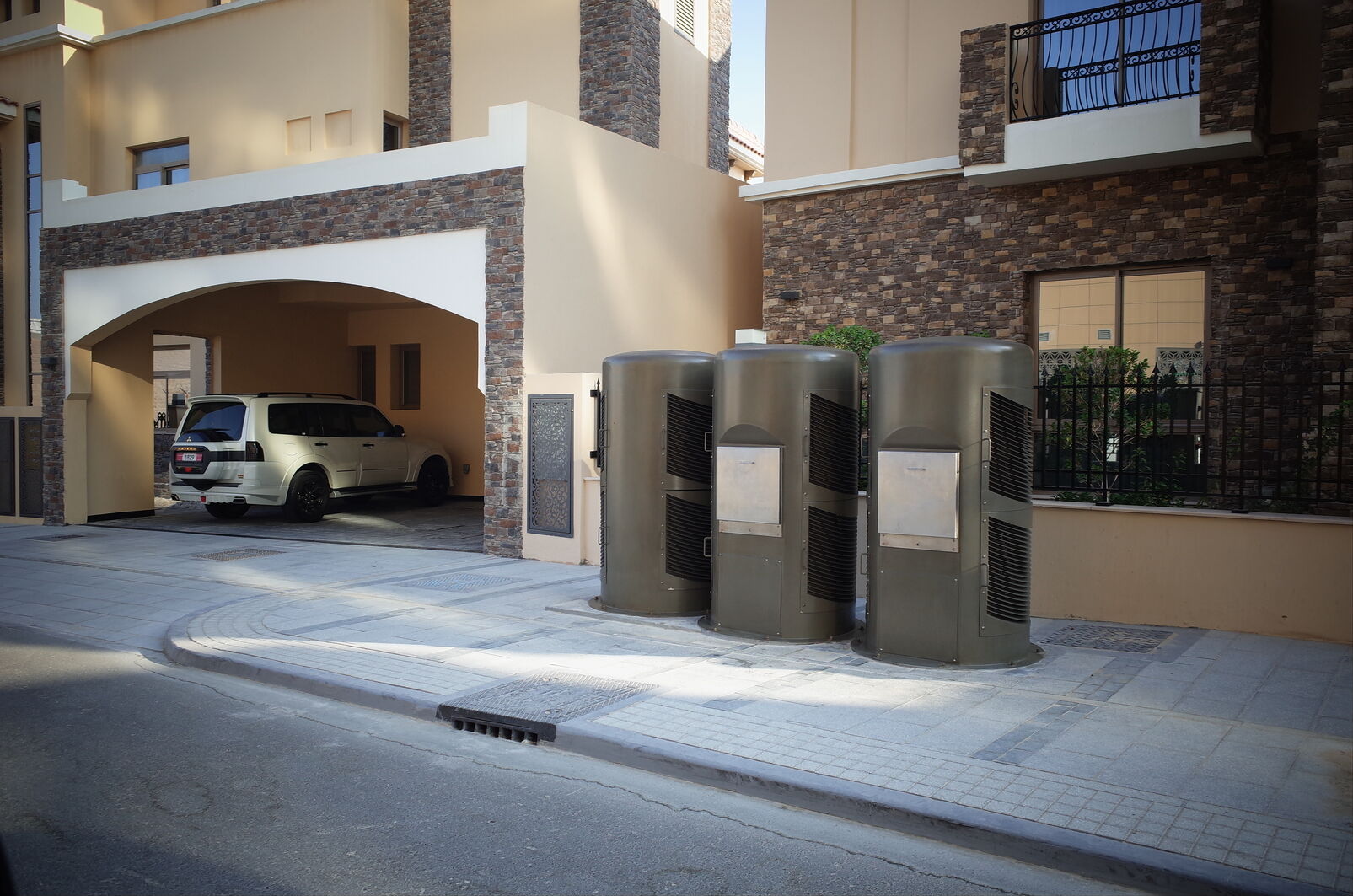
Automated Waste Collection System Solutions: AWCS features multi-fraction, dedicated inlet portals strategically positioned throughout different building zones. Residents, office workers, and kitchen staff deposit waste into designated inlets (e.g., General Waste, Recyclables, Organic Waste). The system automatically routes each fraction through pneumatic pipelines into separate containers at a central collection hub.
Total Elimination of Cross-Zone Contamination & Nuisance
The Challenge: In conventional mixed developments, custodial staff must haul smelly trash bags from F&B kitchens or residential towers through shared corridors, service elevators, and public parking bays—exposing shoppers and diners to foul odours, liquid leaks, and unsightly visuals.
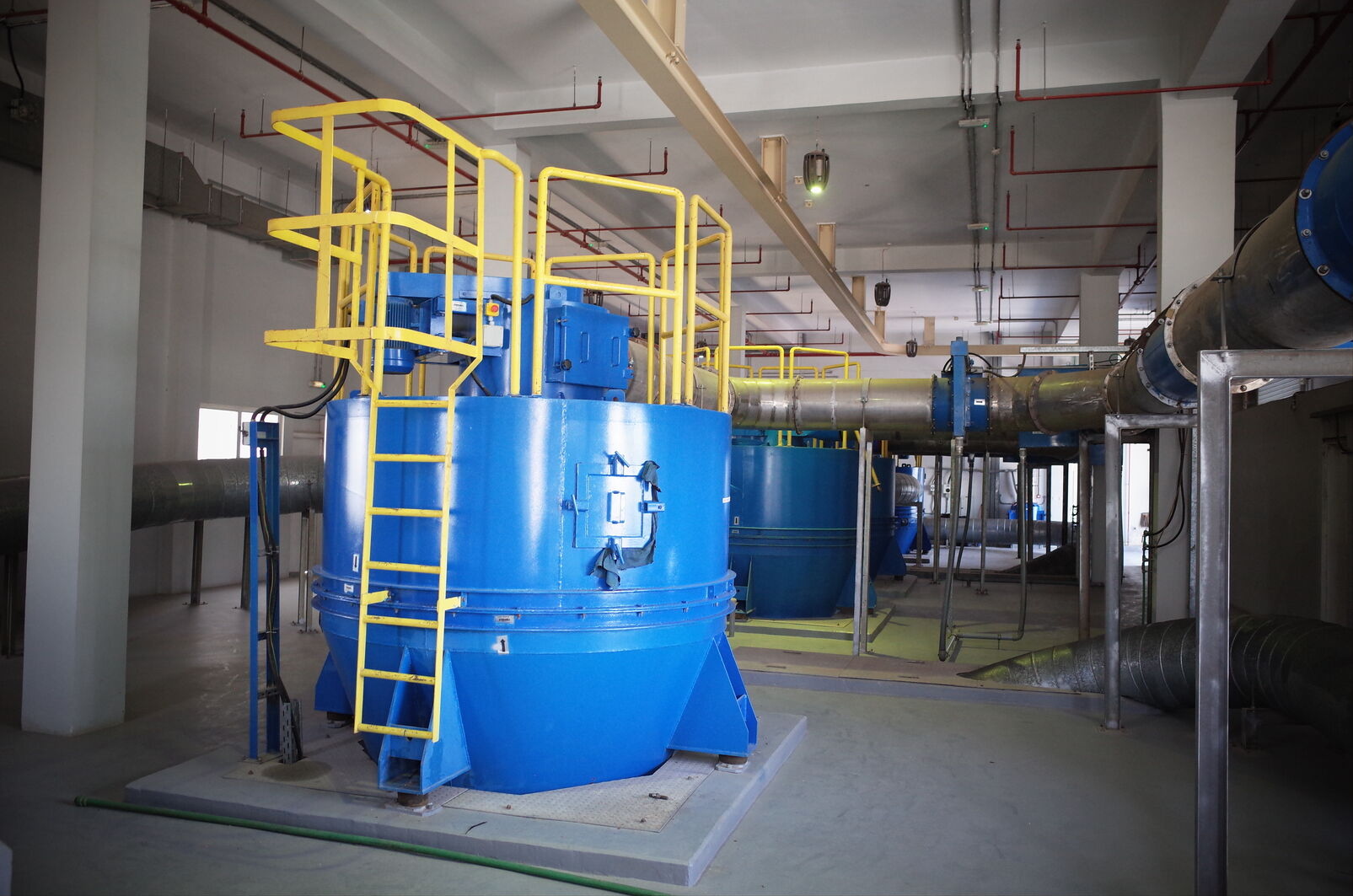
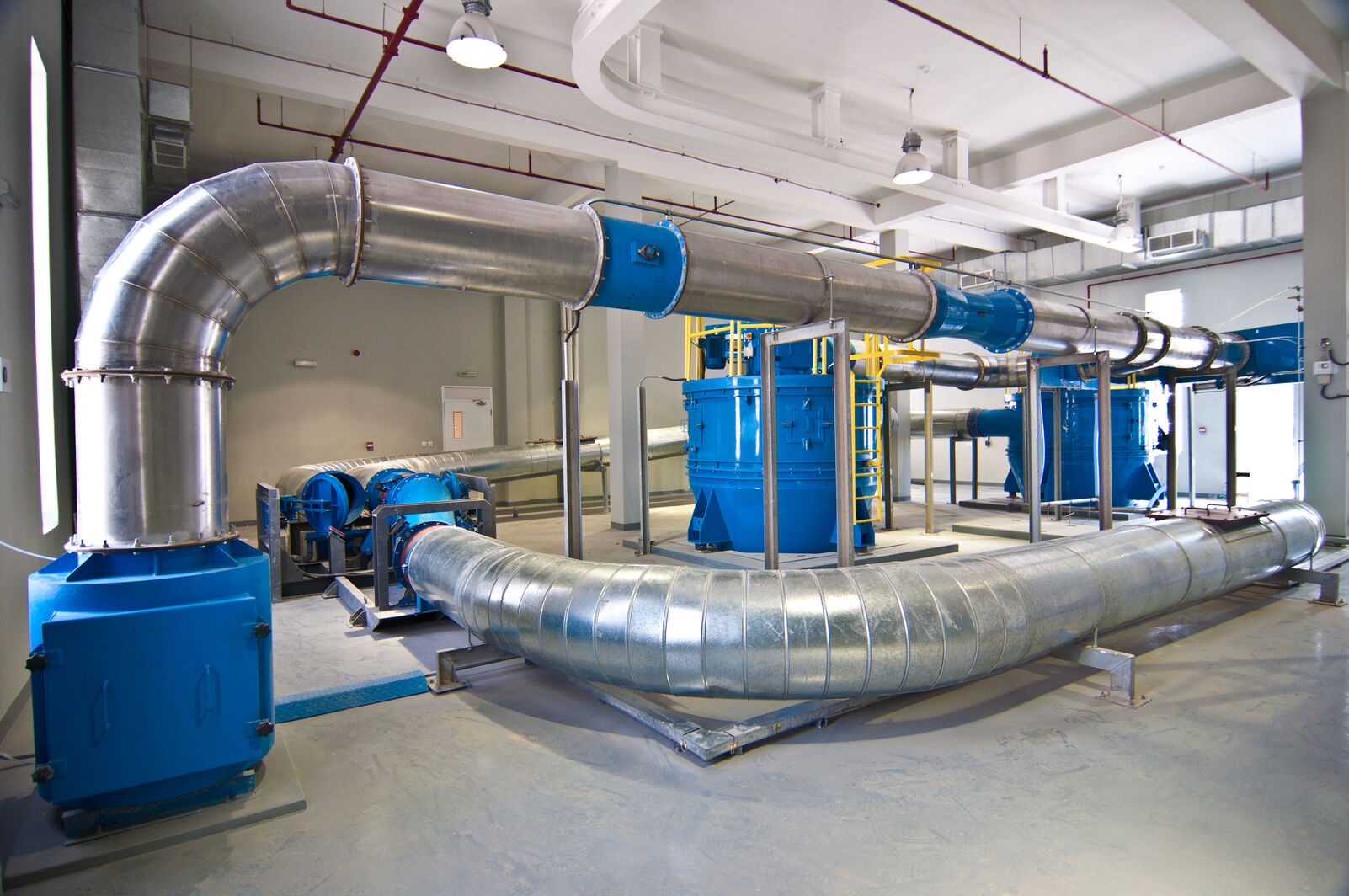
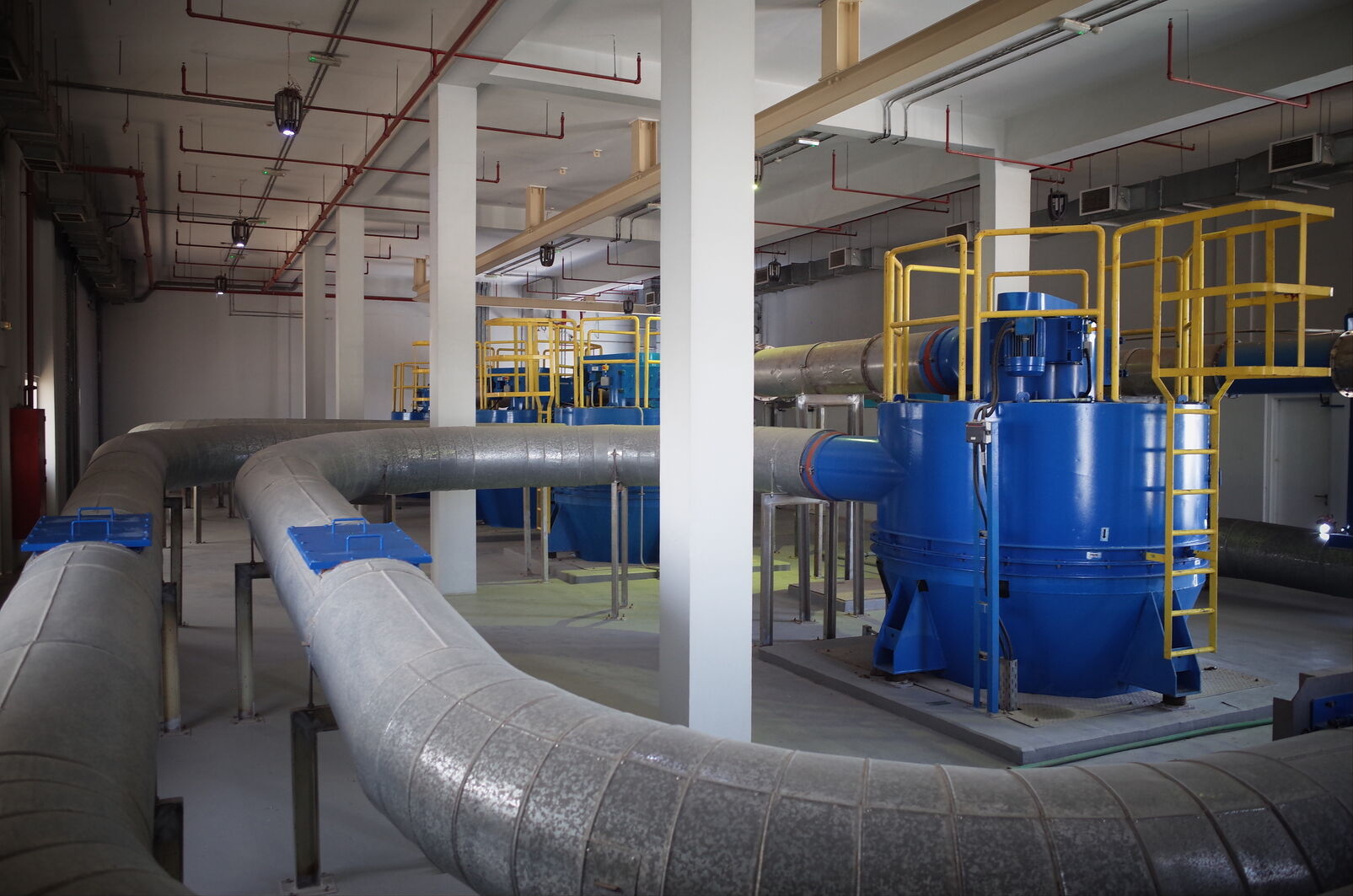
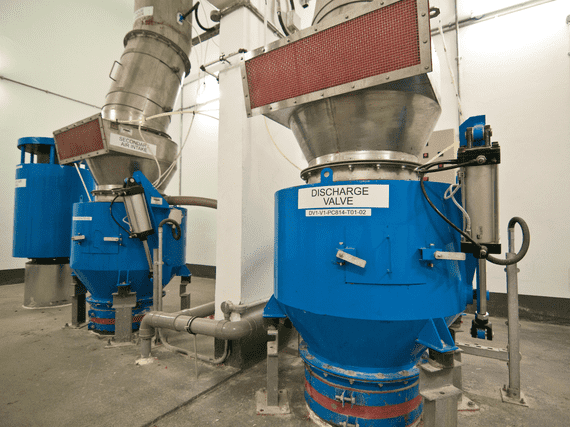
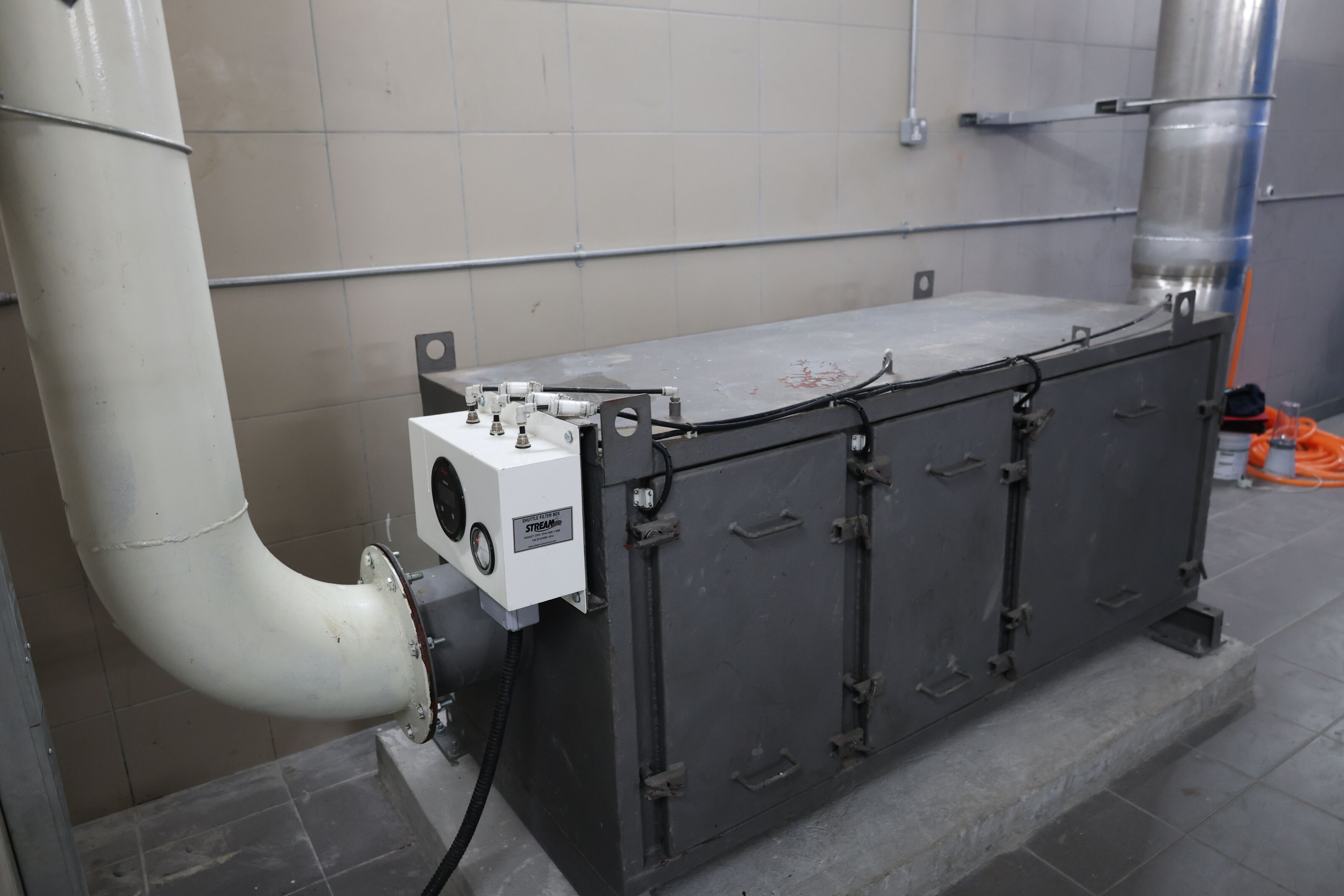
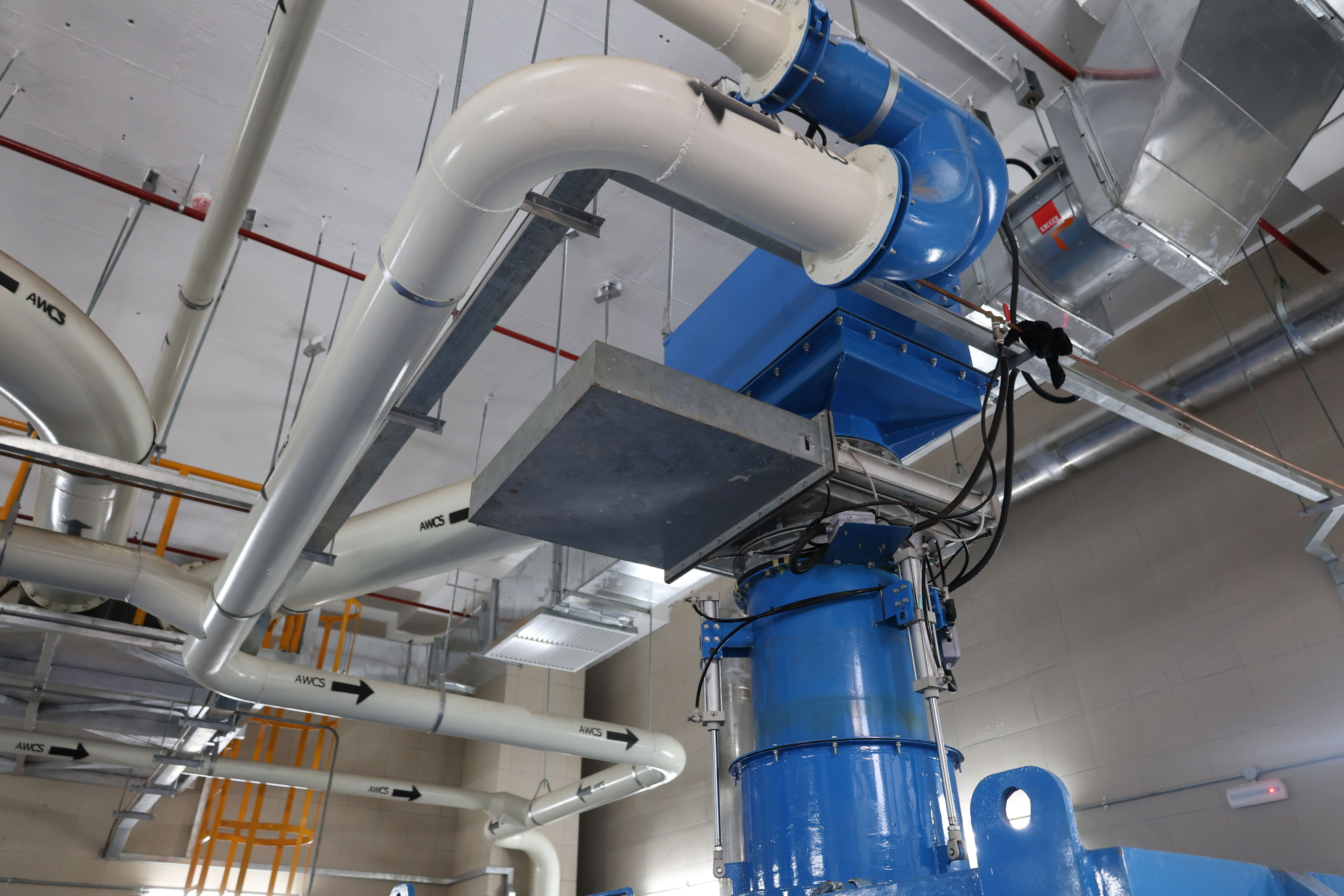
Automated Waste Collection System Solutions: Waste is deposited directly into sealed inlet portals inside service walls or dedicated waste rooms. High-speed airflow vacuum the waste away though subterranean pipes at speeds up to 70km/h straight to an off-site Central Waste Handling Facility (CWHF). Public areas, retail walkways, and dining plazas stay pristine, hygienic, and completely odour-free.
Reclaiming High-Value Commercial & Retail Real Estate
The Challenge: Traditional waste handling requires large ground-floor dumpster bays, staging rooms, and heavy vehicle loading docks for every building block - consuming precious footprint that could otherwise generate rental revenue.
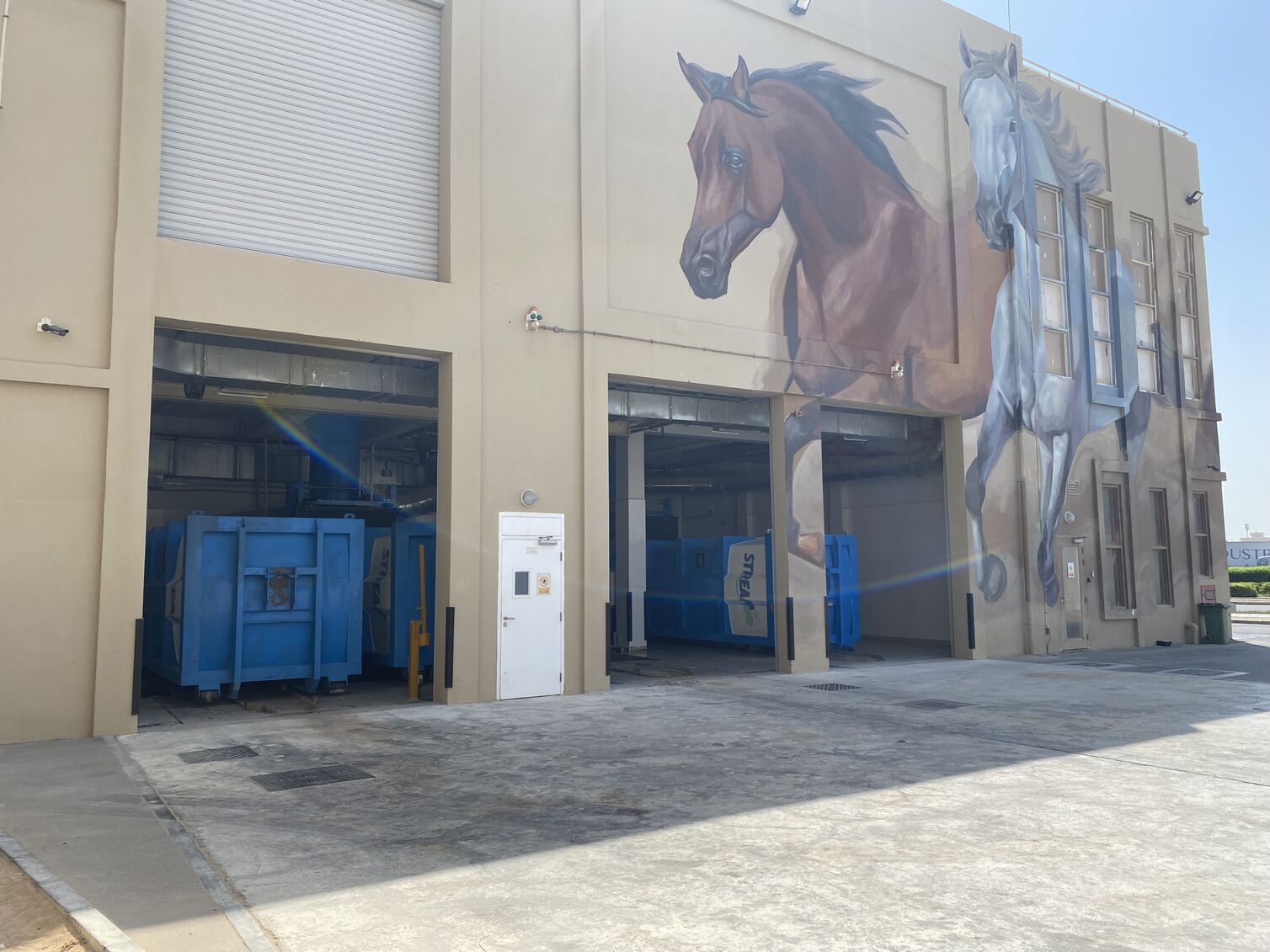
Automated Waste Collection System Solutions: AWCS consolidates all waste from across the entire development to a single, Central Waste Handling Facility situated at the propery perimeter or off-site. Collection trucks only visit the single terminal, eliminating garbage truck traffic inside pedestrian zones, residential entrances, and retail plazas entirely.
Flexible 24/7 Operations Built for Diverse Schedules
The Challenge: F&B kitchens close late at night, offices empty in the evening, and residents generate waste throughout the day. Fixed, manual collection schedules inevitably lead to overflowing bins during peak off-hours.
Automated Waste Collection System Solutions: Pneumatic inlet doors are available 24/7. Smart IoT sensors continuously monitor waste levels inside holding valves beneath each inlet, automatically triggering vacuum removal cycles as soon as capacity is reached. This guarantees seamless, continuous waste handling without requiring around-the-clock janitorial labour.
The Perfect Fit for Modern Urban Hubs
For developers and master planners, integrating an AWCS into a mixed development turns waste management into an invisible, highly efficient utility - much like electricity, water, or gas. It enhances property value, protects tenant experience, and future-proofs the development against rising labor and operational costs.
Elevate Your Mixed Development's Infrastructure
Planning a high-density, mixed-use project? Modernize your master plan with custom-engineered Automated Waste Collection System (AWCS). Connect with STREAM to schedule a design a consultation and discover how AWCS can optimize your project's spatial layout and operational efficiency.