
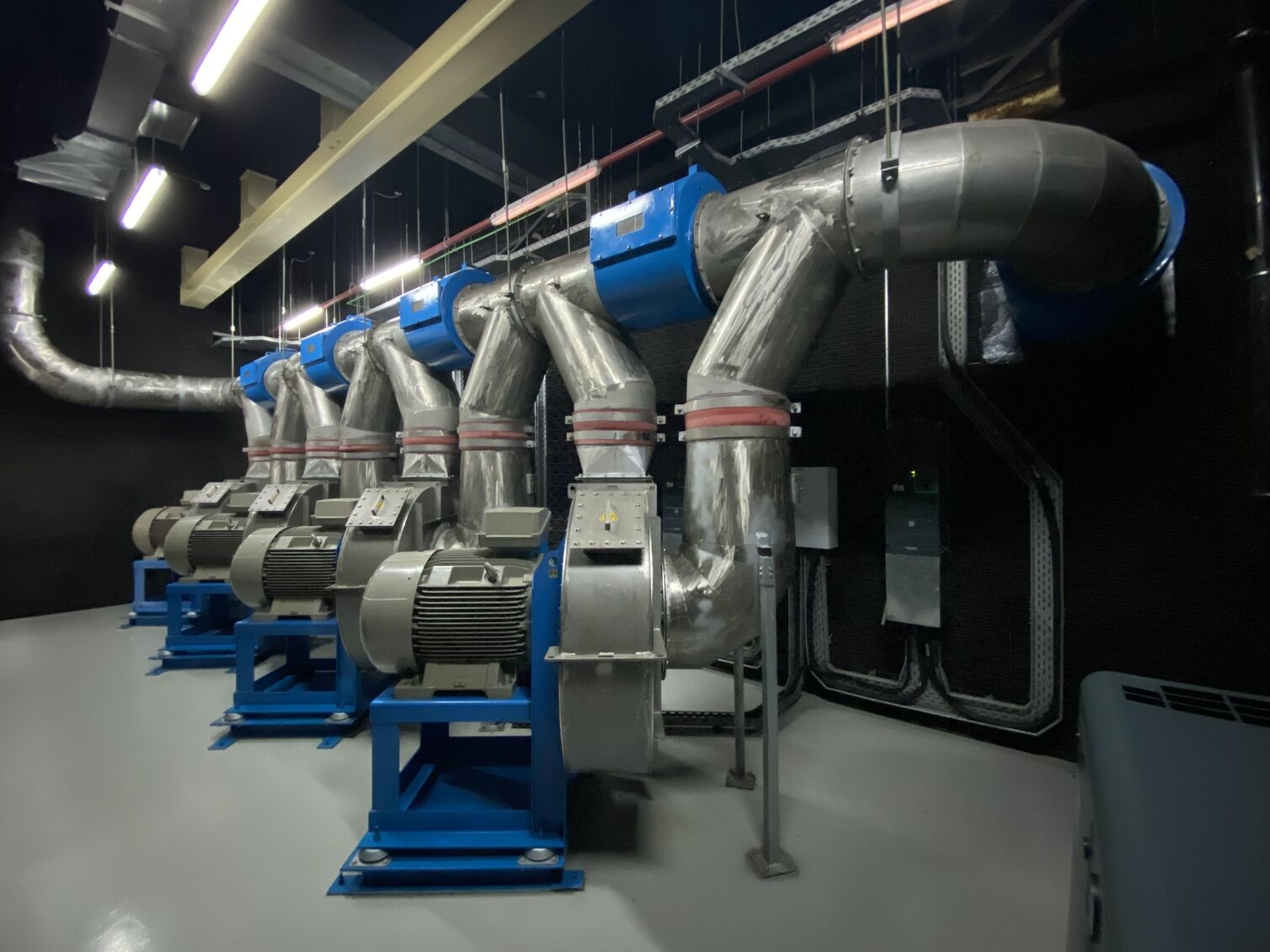
Understanding the Value of AWCS
While the initial capital expenditure for an Automated Waste Collection System (AWCS) is higher than traditional bins, the long-term operational savings, land recovery, and environmental benefits deliver a compelling return on investment. By replacing manual hauling with an invisible underground utility, developers cut lifetime maintenance costs, enhance property value, and create sustainable, future-ready communities. Ultimately, these long-term benefits are most fully realized by Building Owners, who retain ownership of both the property and the AWCS system over its operational lifespan.

Beyond CAPEX: The Hidden Costs of Conventional Waste Management
While the initial capital expenditure for an Automated Waste Collection System (AWCS) is higher than traditional bins, focusing solely on initial capital investment often masks the continuous, escalating expenses inherent to traditional waste handling:
High Labour and Operational Overhead: Continuous reliance on manual cleaning staff to clear, haul, and manage waste bins creates long-term recurring labour costs and vulnerability to wage inflation.
Property Depreciation and Odour Complaints: Pest infestations, liquid spills (leachate), and foul odours severely degrade common areas, lowering property prestige and rental yields.
Substantial Loss of Revenue-Generating Space: Large surface footprint requirements for central bin centres, refuse holding rooms, and dedicated loading bays lock up valuable real estate that could otherwise generate revenue.
By replacing manual hauling with an invisible underground utility, AWCS delivers long-term operational savings, land recovery, and environmental benefits that create a compelling return on investment.
These benefits are categorized into two primary stakeholder groups:
Developers: Enjoy significant space savings and design flexibility, eliminating the concern of placing bin centres next to occupied units. AWCS optimizes space utilization across every floor and central bin centre while enhancing developer reputation through green and clean technology that serves as a key sustainability feature.
Building Owners: Enjoy substantial long-term OPEX savings, lower lifetime maintenance costs, and enhanced property value over the long term, as they retain ownership of both the building and the AWCS system throughout its operational lifespan.


The Financial & Operational Returns of STREAM AWCS
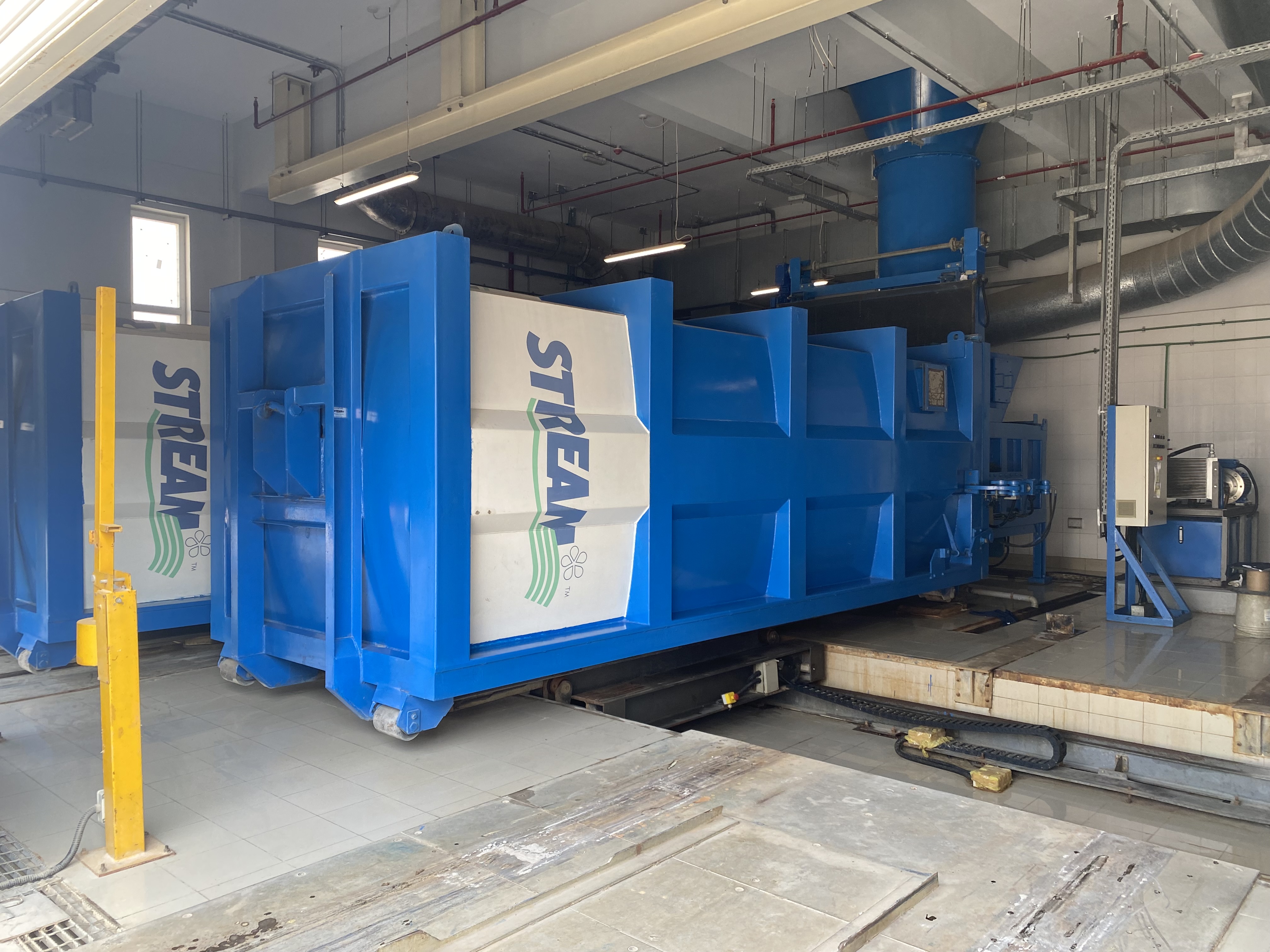
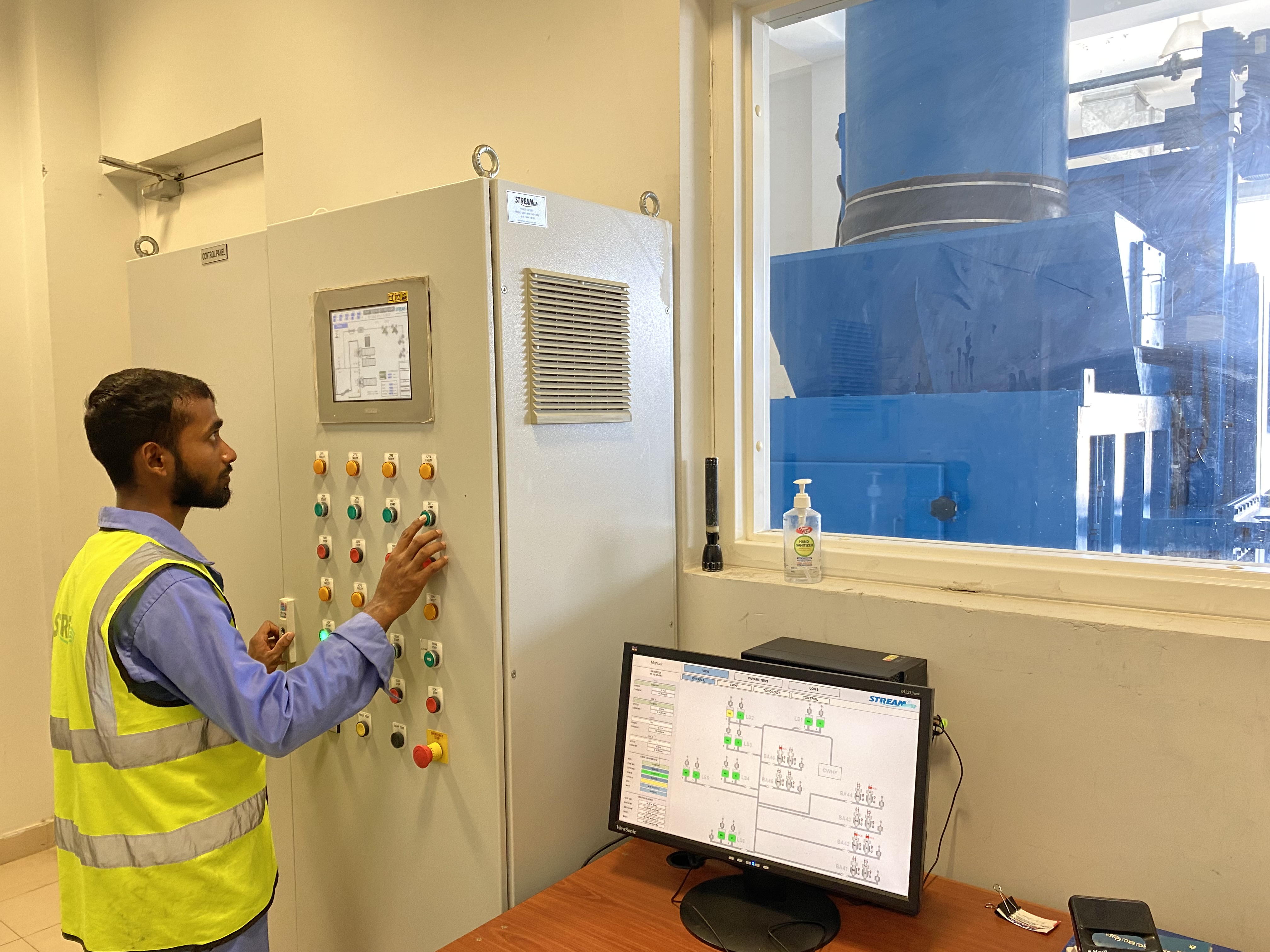
STREAM's AWCS transitions waste management from an ongoing operational headache into a streamlined, automated facility utility.
How AWCS Delivers Measurable ROI
Land Value Recovery: By removing bulky bin centres and waste holding rooms at ground and podium levels, developers regain high-value floor area for additional car parks, retail space, or residential units.
Drastic Reduction in Labour and Logistics: Automated pneumatic transport moves waste at high speeds through sealed underground pipes directly to a central collection station, cutting manual handling by up to 80%.
Lower Building Maintenance & Vehicle Wear: Eliminating internal waste trolley transport preserves lift mechanisms, corridor walls, and floor finishes, while reducing heavy rubbish truck traffic inside development grounds.
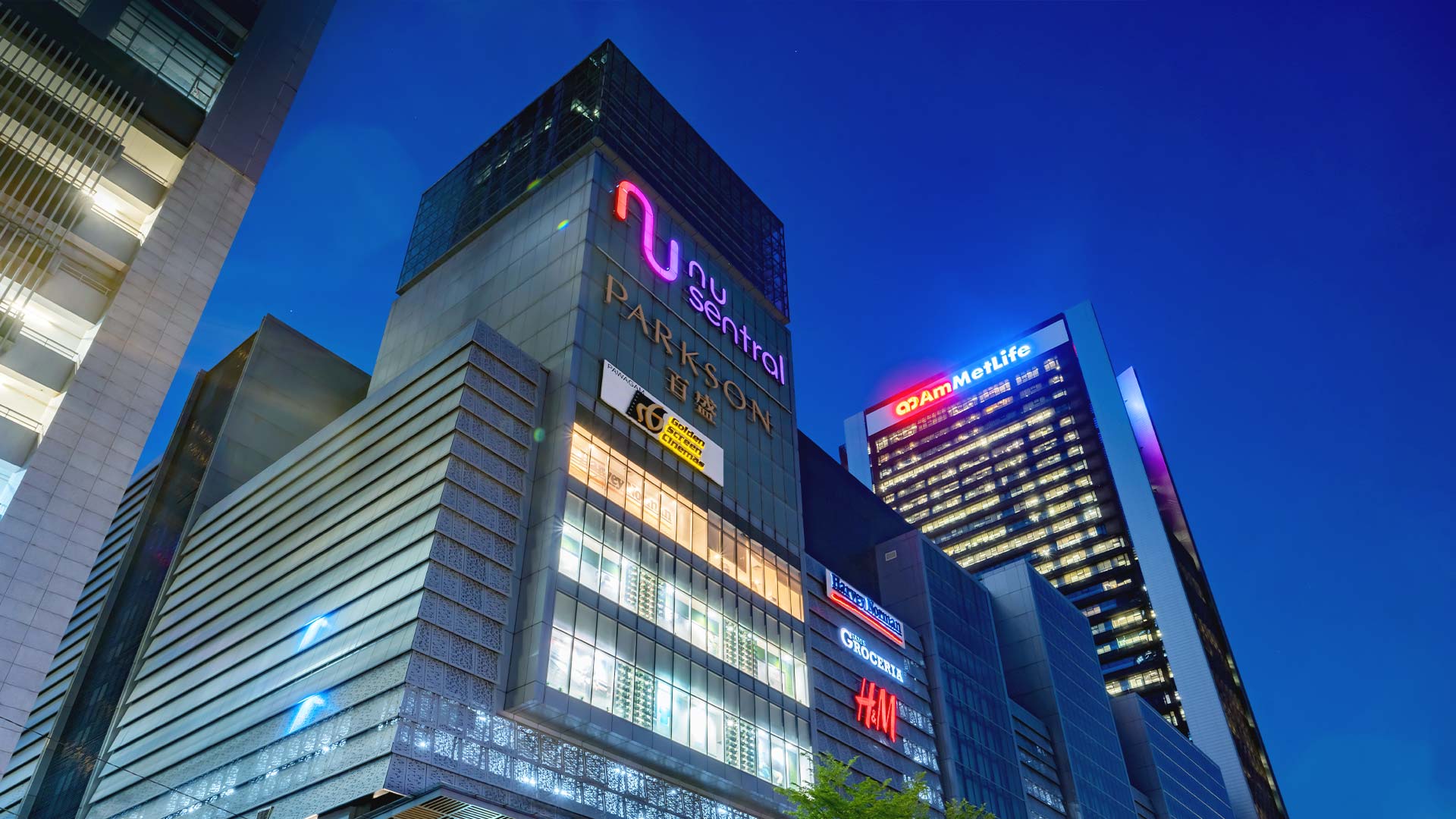
Proven STREAM Financial Success Stories
STREAM Environment has demonstrated clear economic viability and long-term performance across major global landmark developments:
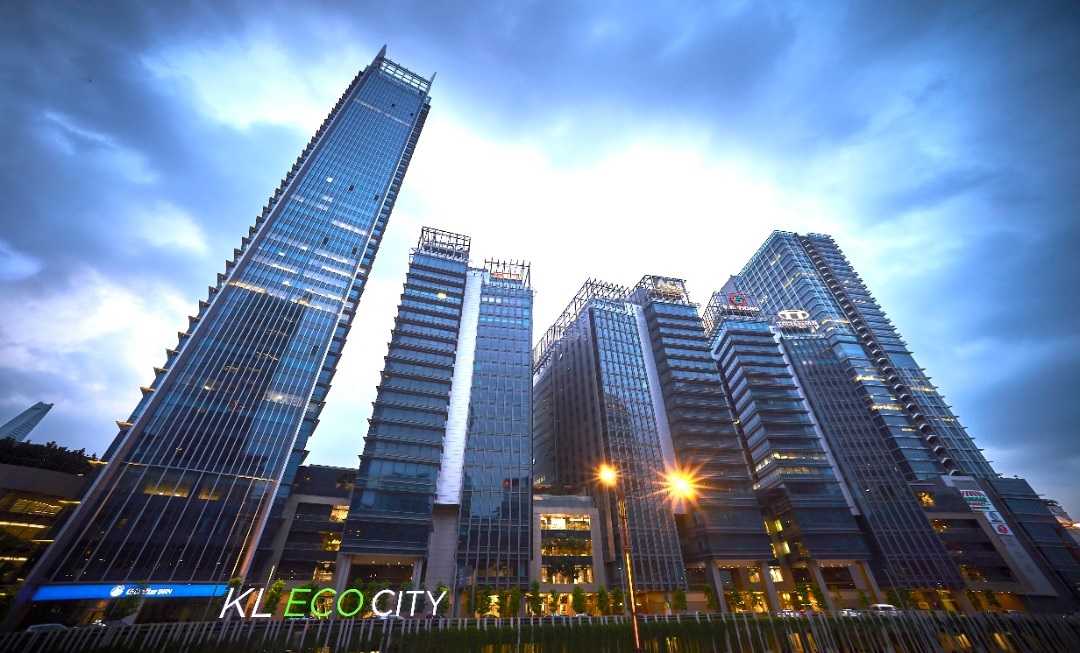
KL Eco City (KLEC), Malaysia: Integrating AWCS across this high-density transit-oriented development recovered prime real estate and optimized space utilization while maintaining world-class precinct cleanliness standards.
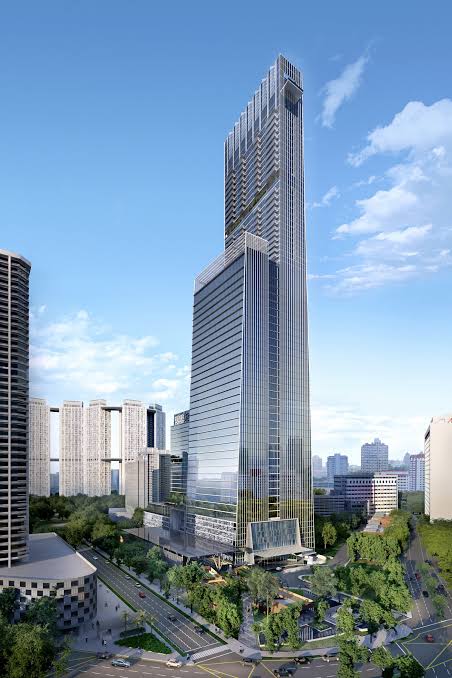
Tanjong Pagar Centre (Guoco Tower), Singapore: Maximised sellable mixed-use floor plate area by transferring waste handling into an efficient, vertical pneumatic network.
Al Reem Island & Al Raha Beach, UAE: Large-scale township implementations proved that centralized AWCS lowers municipal collection routes and long-term vehicle fleet maintenance in harsh environmental conditions.
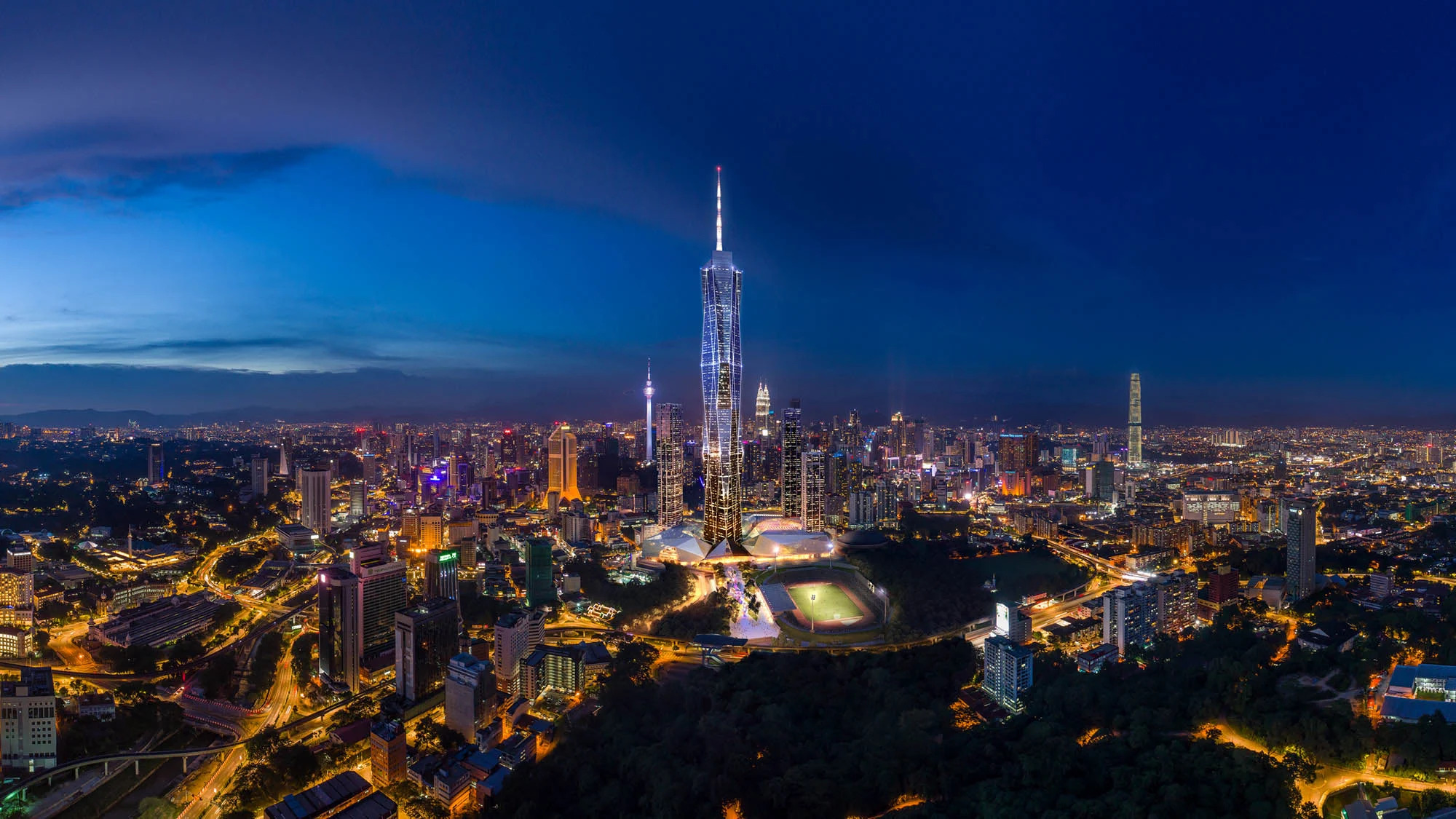
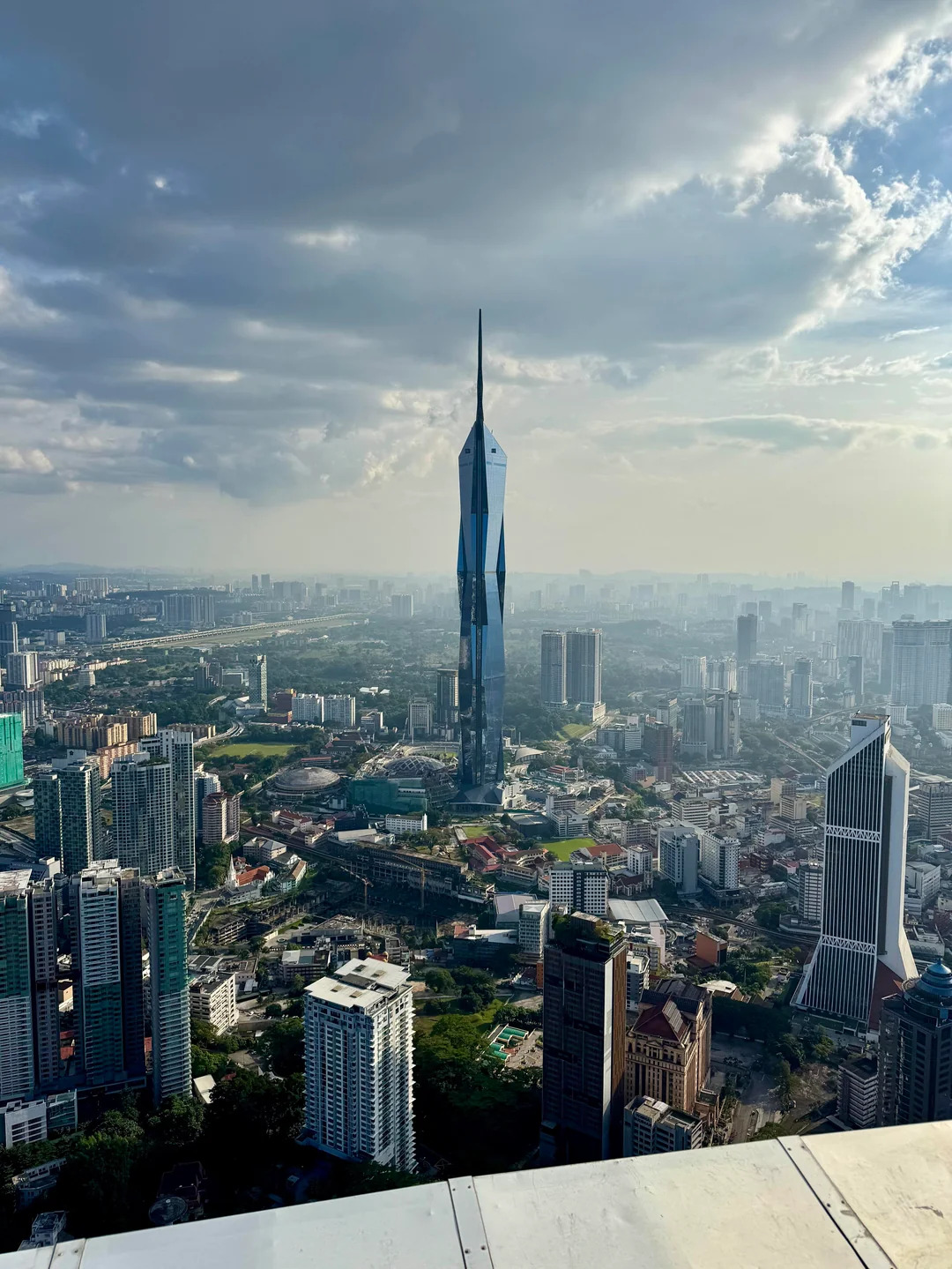
Merdeka 118 Tower, Malaysia: Demonstrated the cost-effectiveness of vertical pneumatic conveyancing within supertall structures by bypassing costly, labour-intensive service lift waste runs.

Future-Proof Your Development with STREAM AWCS today
Evaluating the feasibility of an automated waste collection system for your upcoming project? Contact the STREAM Environment engineering team today to receive a comprehensive lifecycle cost analysis and discover how AWCS can maximize your development's operational returns and land value.