
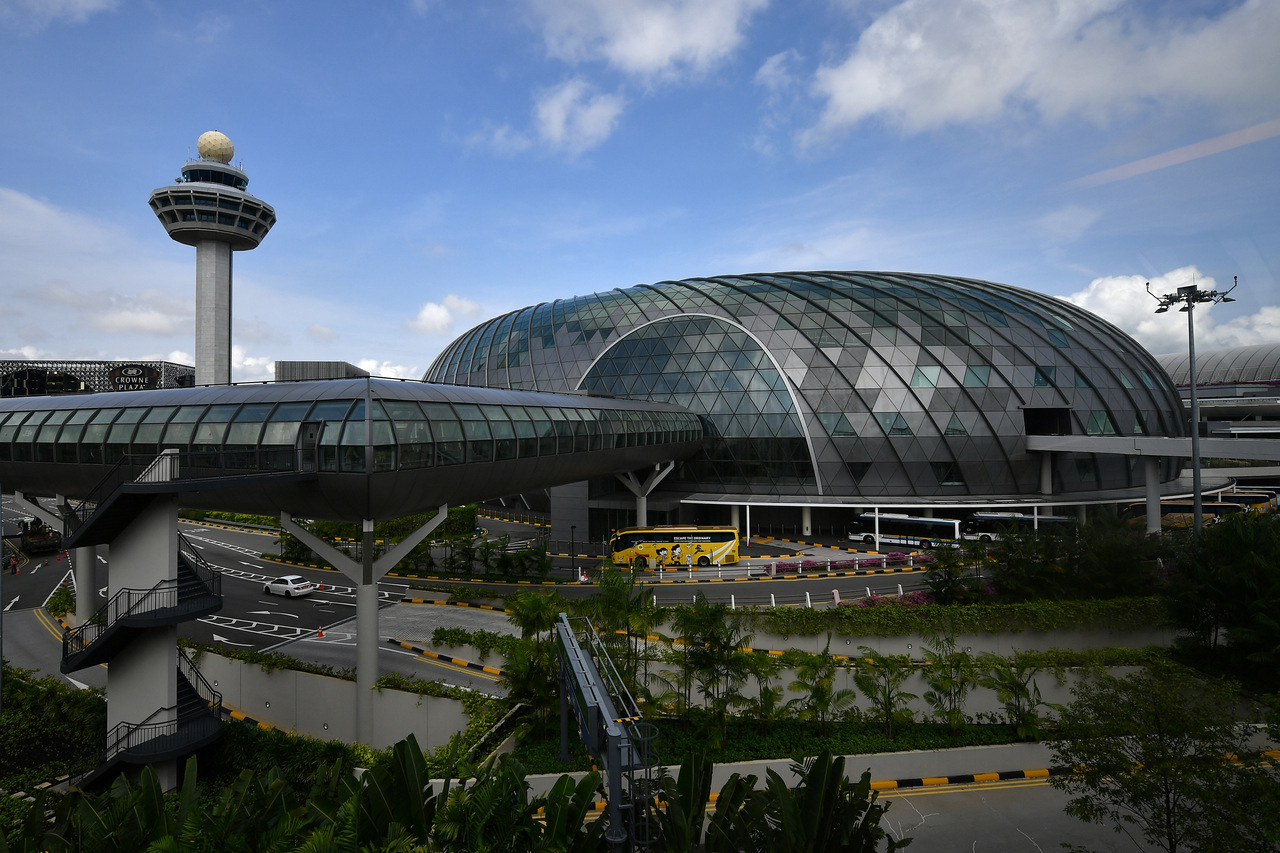
How AWCS Improves Waste Management and Security in Airport Operations
Airports are massive, non-stop operational hubs that handle tens of thousands of passengers and tons of baggage every day. They also generate significant amounts of waste from passenger food courts, terminal gate lounges and aircraft cabin cleaning.
Managing waste in airports presents unique challenges, particularly in maintaining security, preventing unauthorised movement of items, and transporting waste from the airside to the landside for collection and disposal. Traditional methods involving manual waste carts and open containers can complicate these operations.
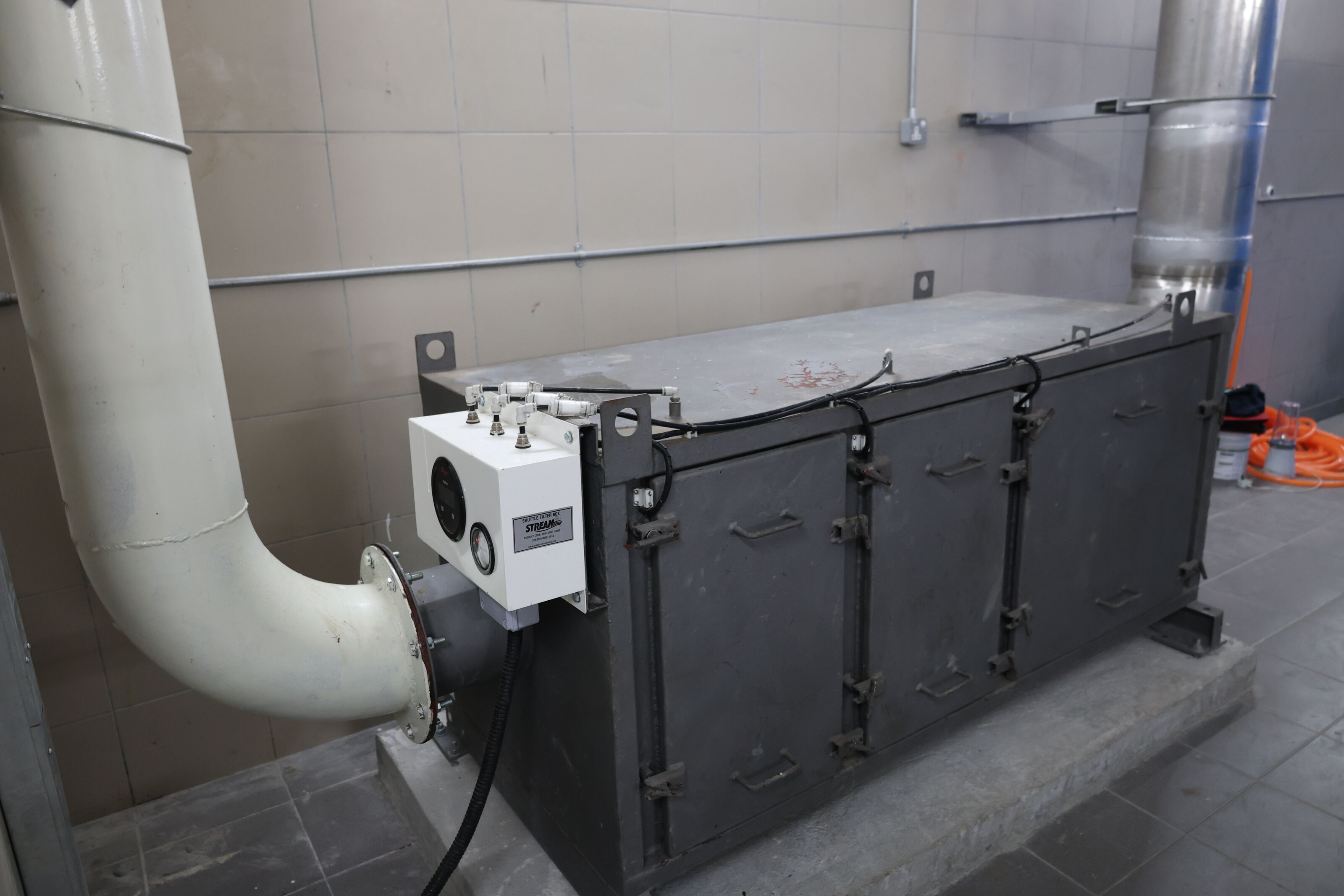
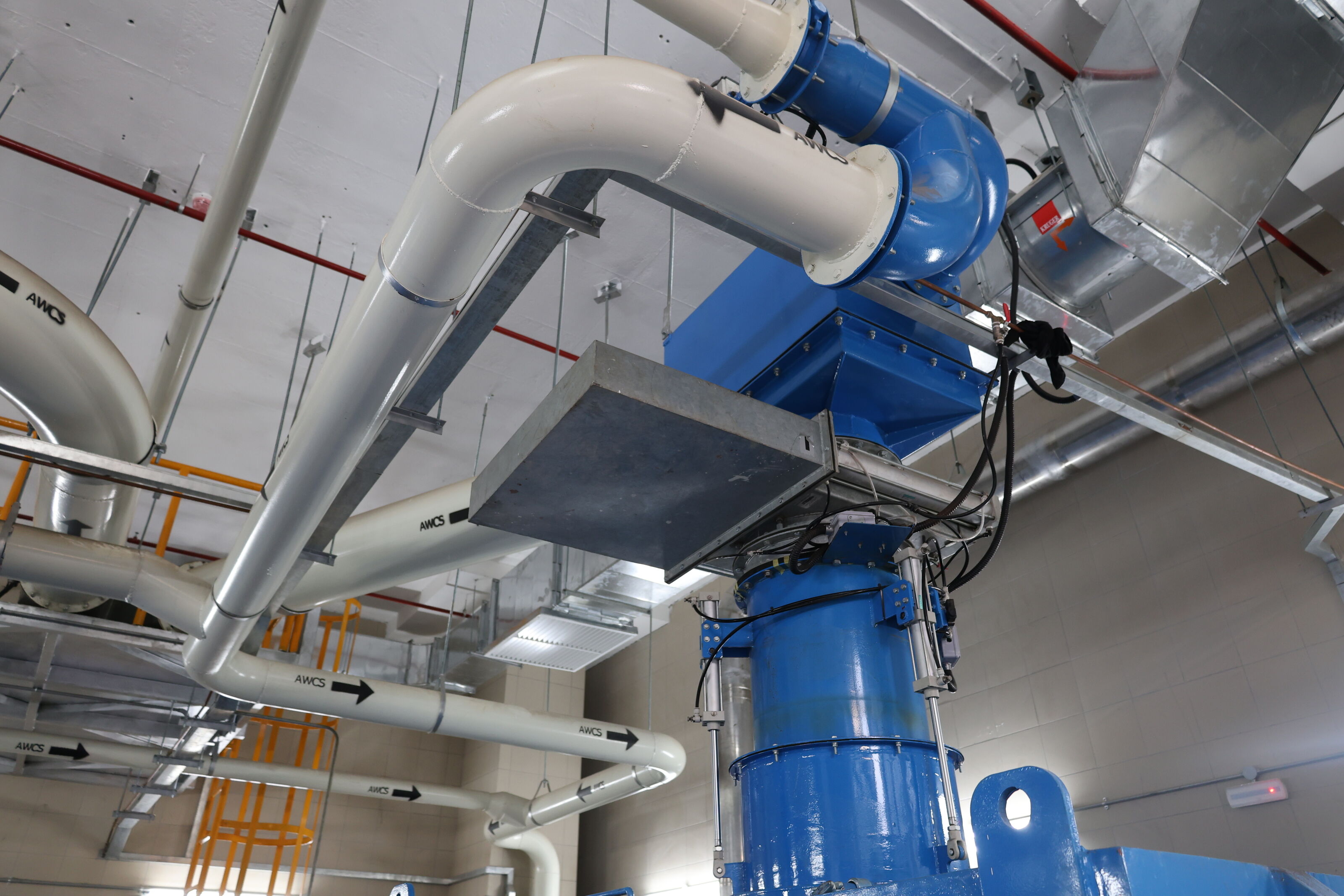
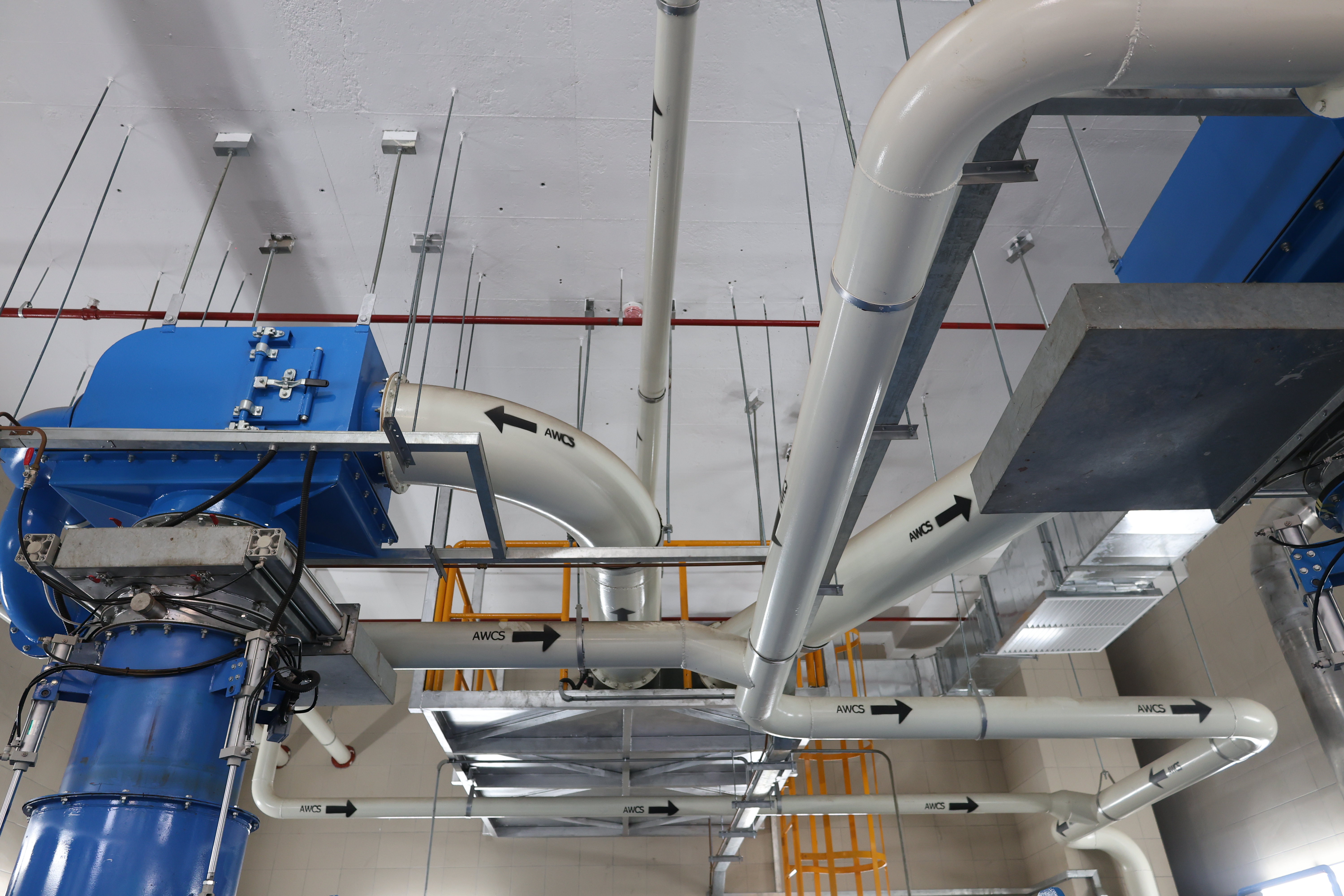
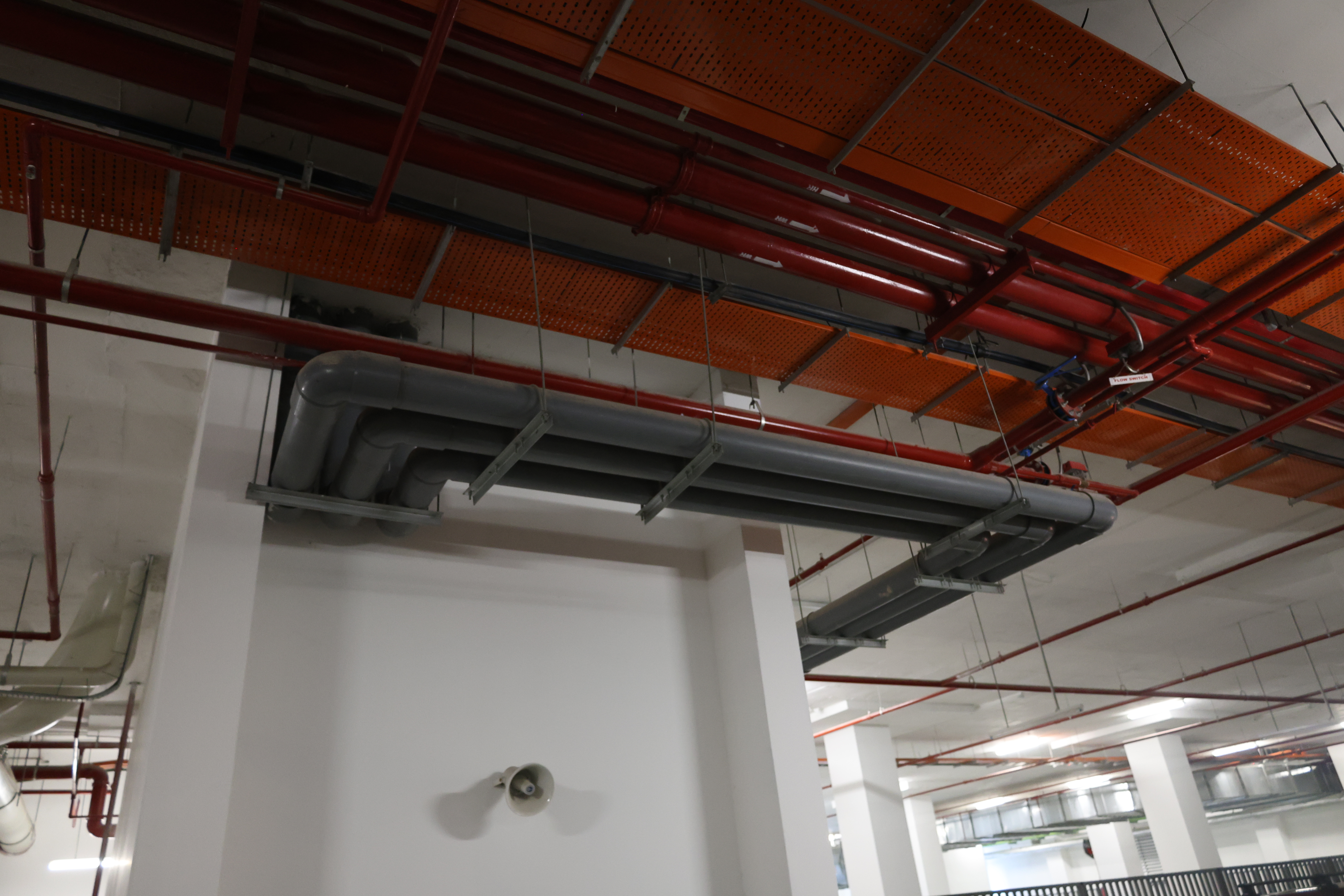
Automated Waste Collection Systems (AWCS) use a network of sealed pipes to transport waste to a central collection point, helping airports improve waste handling efficiency, maintain hygiene and support secure airside-to-landside waste transfer.

Uncompromising Airside & Landside Security
The Challenge: Traditional waste bins scattered around terminals and airside ramps pose security risks, as unmonitored receptacles can be exploited to conceal restricted items or hazardous materials.
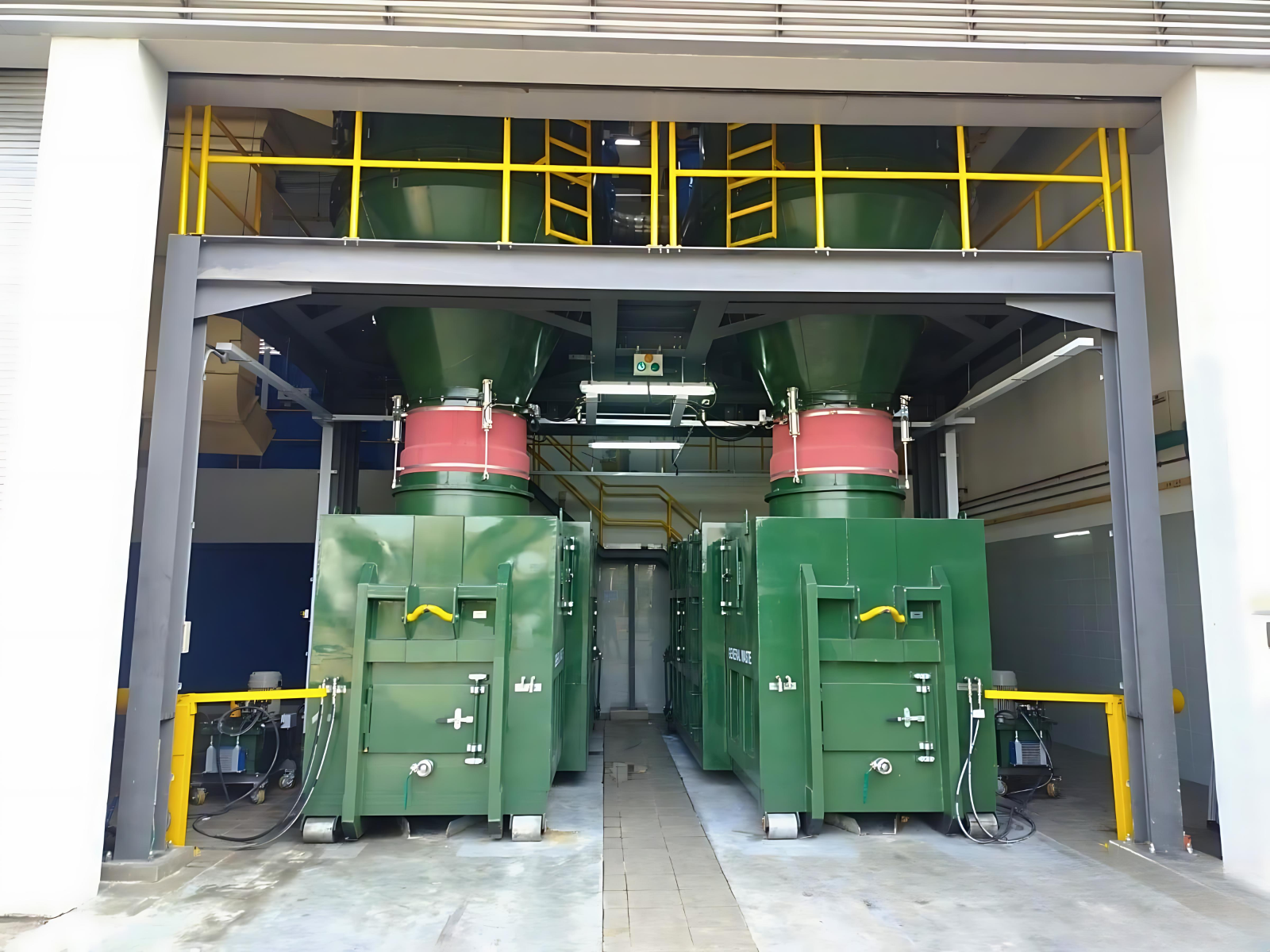
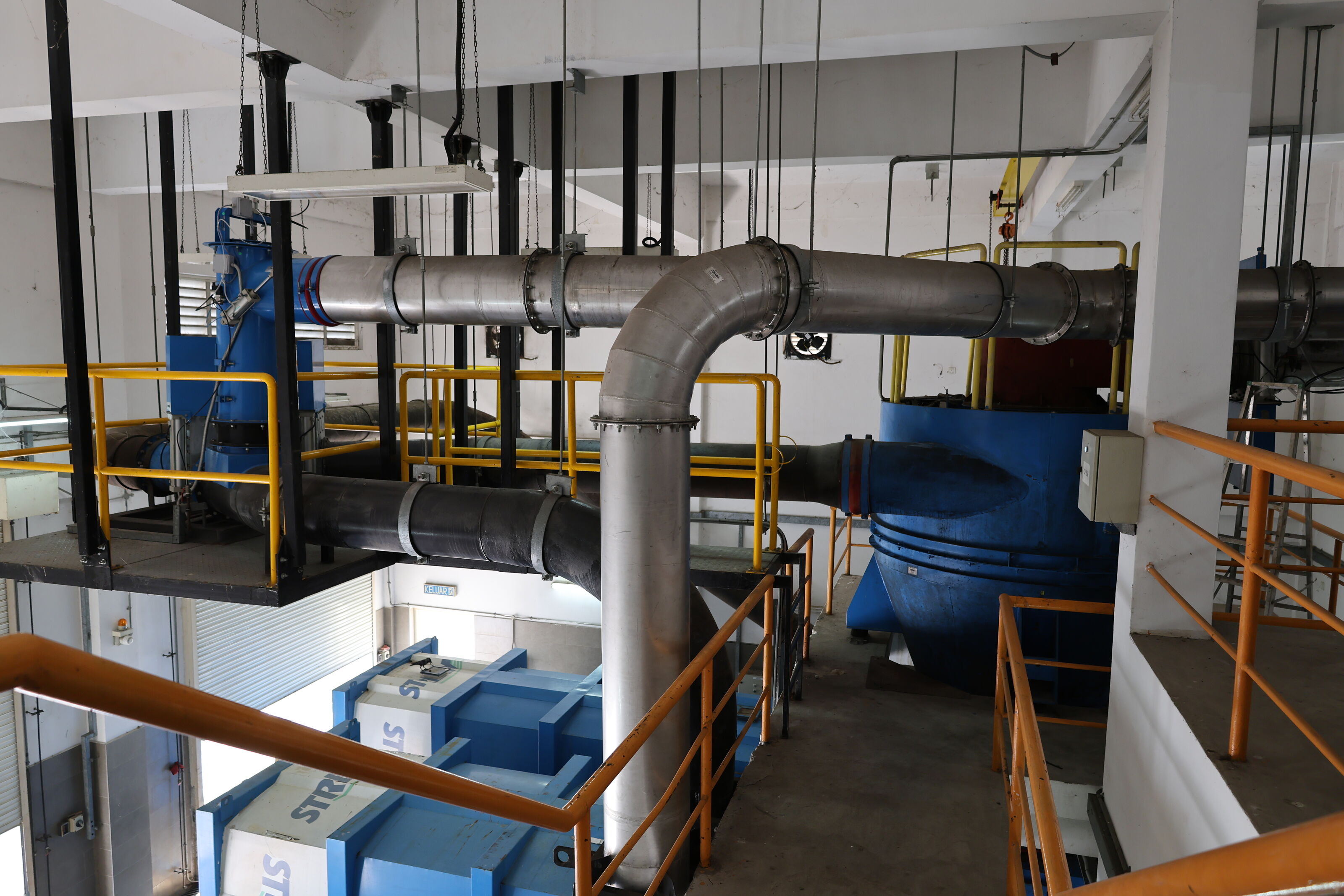
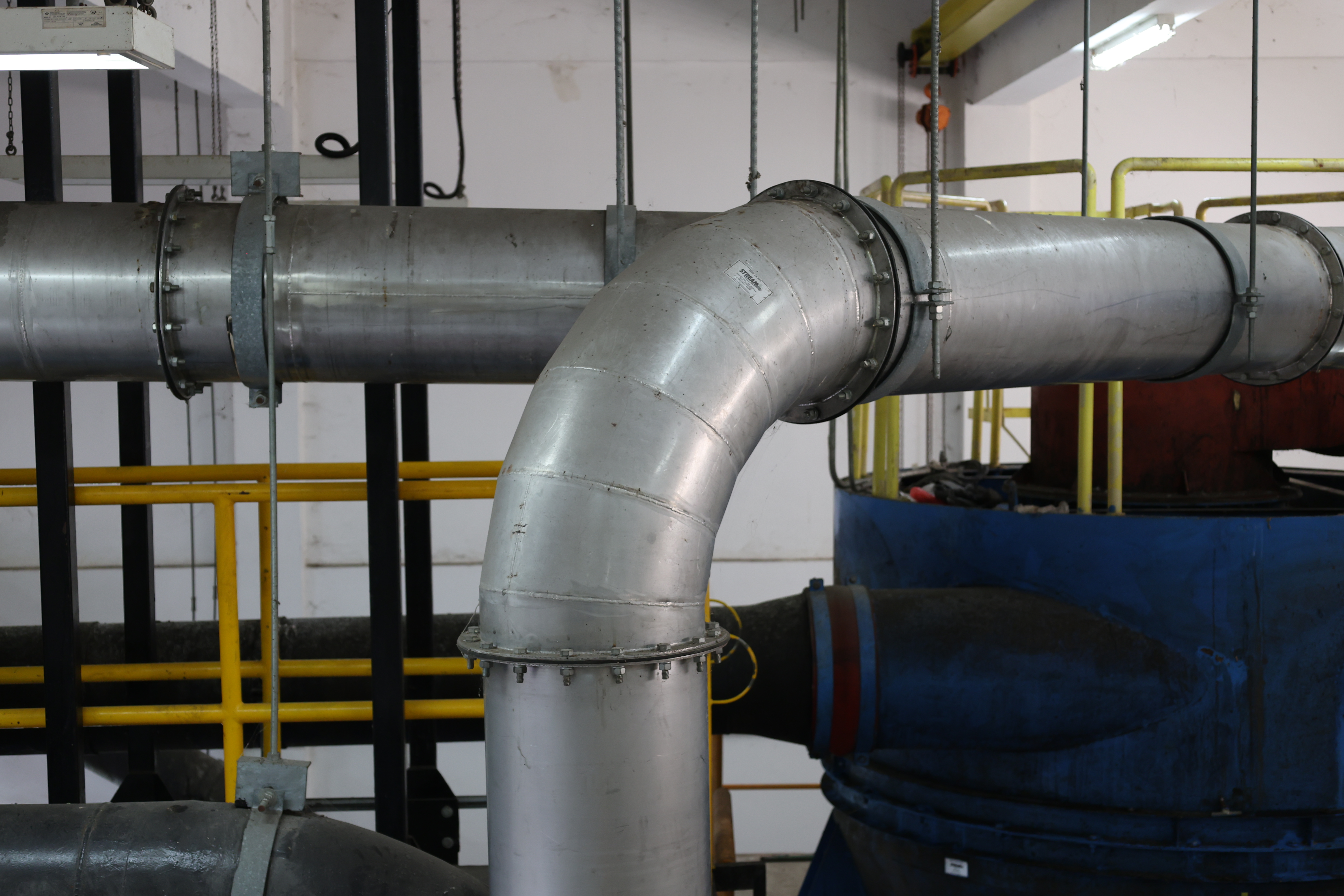
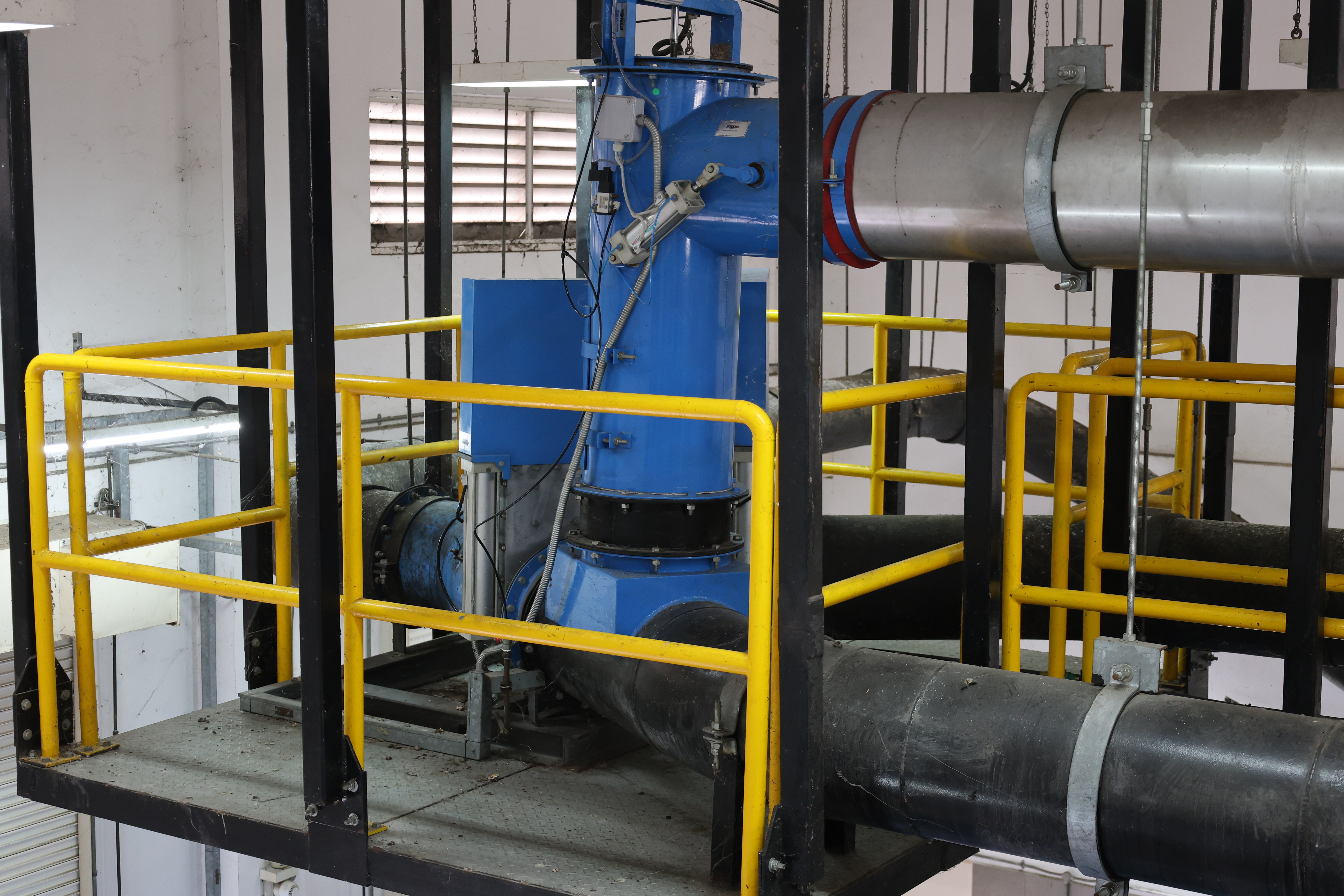
AWCS Advantage: Underground systems utilized locked, heavy-duty inlets connected to pneumatic steel pipelines. Waste drop directly into selaed vacuum pipes, removing public access to bulk waste storage areas and significantly strengthening airport security protocols.
Decarbonisaiton & Cleaner Airside Operations
The Challenge: Diesel-powered garbage trucks moving across airports ramps and terminal perimeters cause congestion, increase the risk of ground service accidents, and contribute heavily to airport emissions.
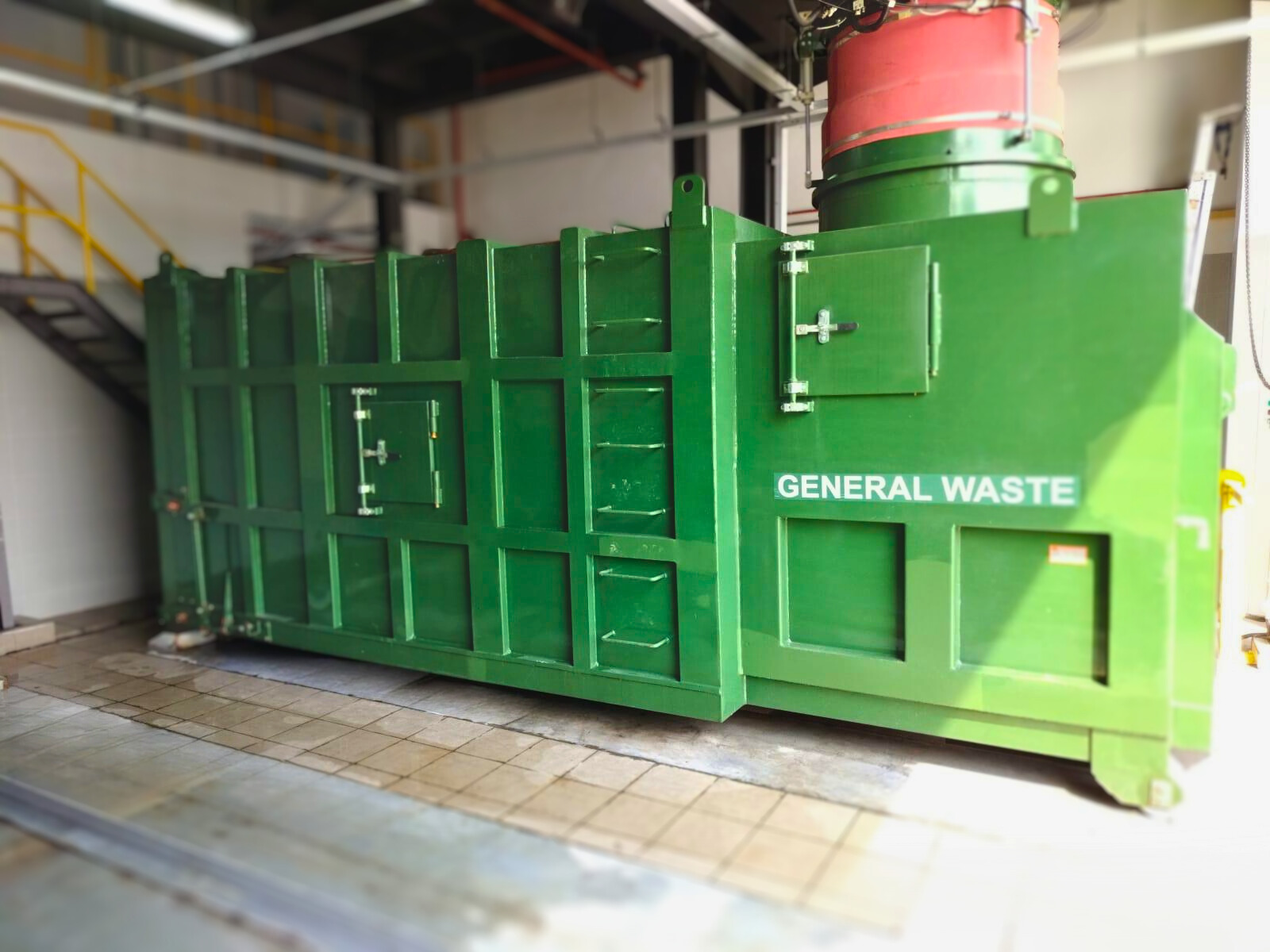
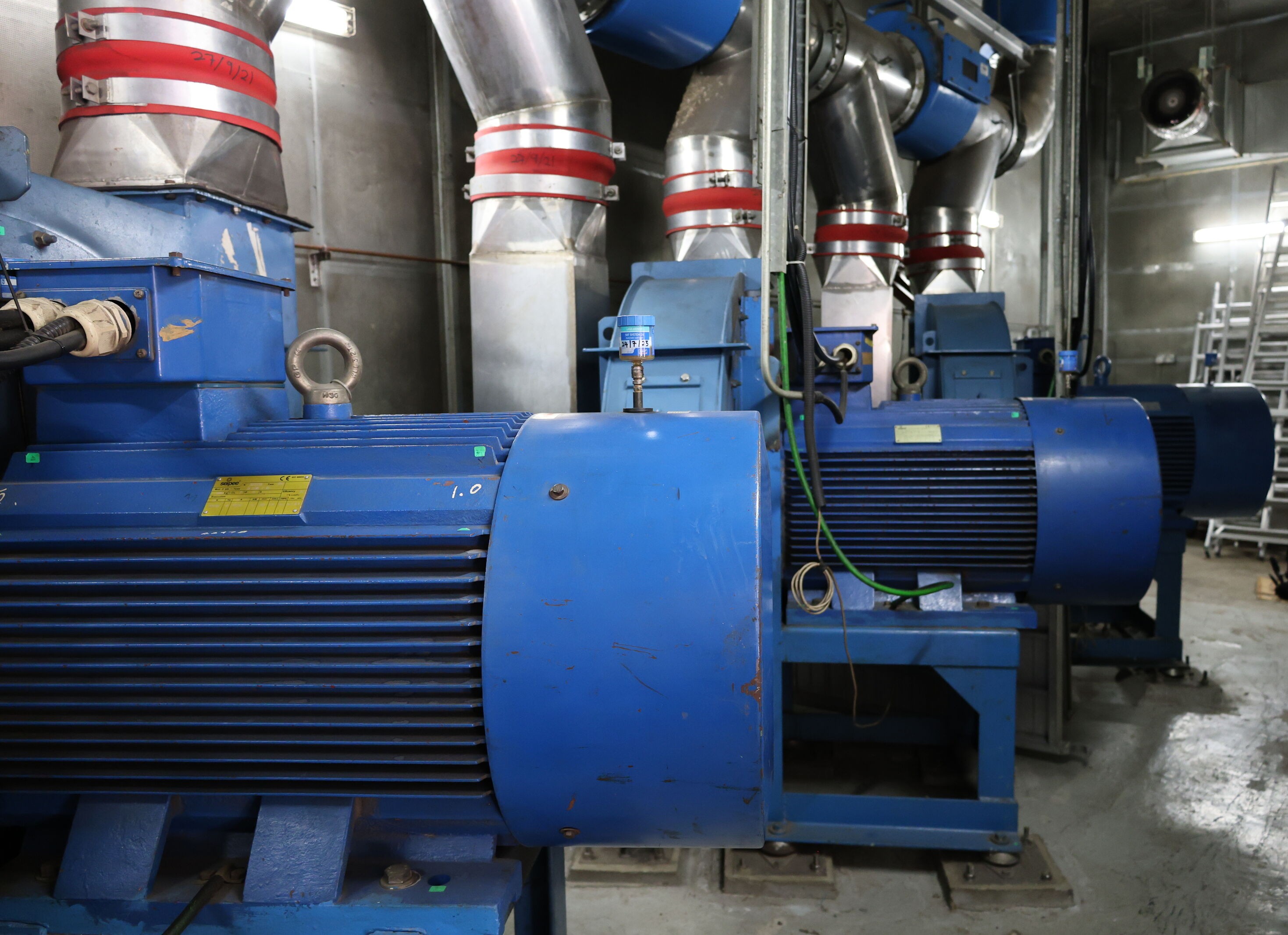
AWCS / PCWS Advantage: Automated/Pneumatic Waste Collection System transports waste at speed up to 70km/h directly to a central terminal off-site or at the perimeter. This eliminates the need for waste collection trucks inside passenger zones, dramatically lowering ground emissions, noise pollution and ramp traffic.
Strict Pest Control & Odour Management
The Challenge: Accumulated food scraps in terminal food courts and aircraft catering waste attract birds, rodents and insects. Birds in particular pose a criticical hazard (bird strikes) to aircraft landing and taking off.
AWCS/PWCS Advantage: Underground waste transport is fully sealed, airtight, and vacuum-operated. Containing all organic waste underground completely eliminates foul odours and deprives birds, insects, and rodents of potential feeding sites near runways and gates.
Uninterrupted 24/7 Operational Flow
The Challenge: High passenger traffic requires continuous waste removal. Manual waste hauling using pushcarts blockss busy terminal corridors, delays gate turnover times, and creates unsightly visual for visitors.
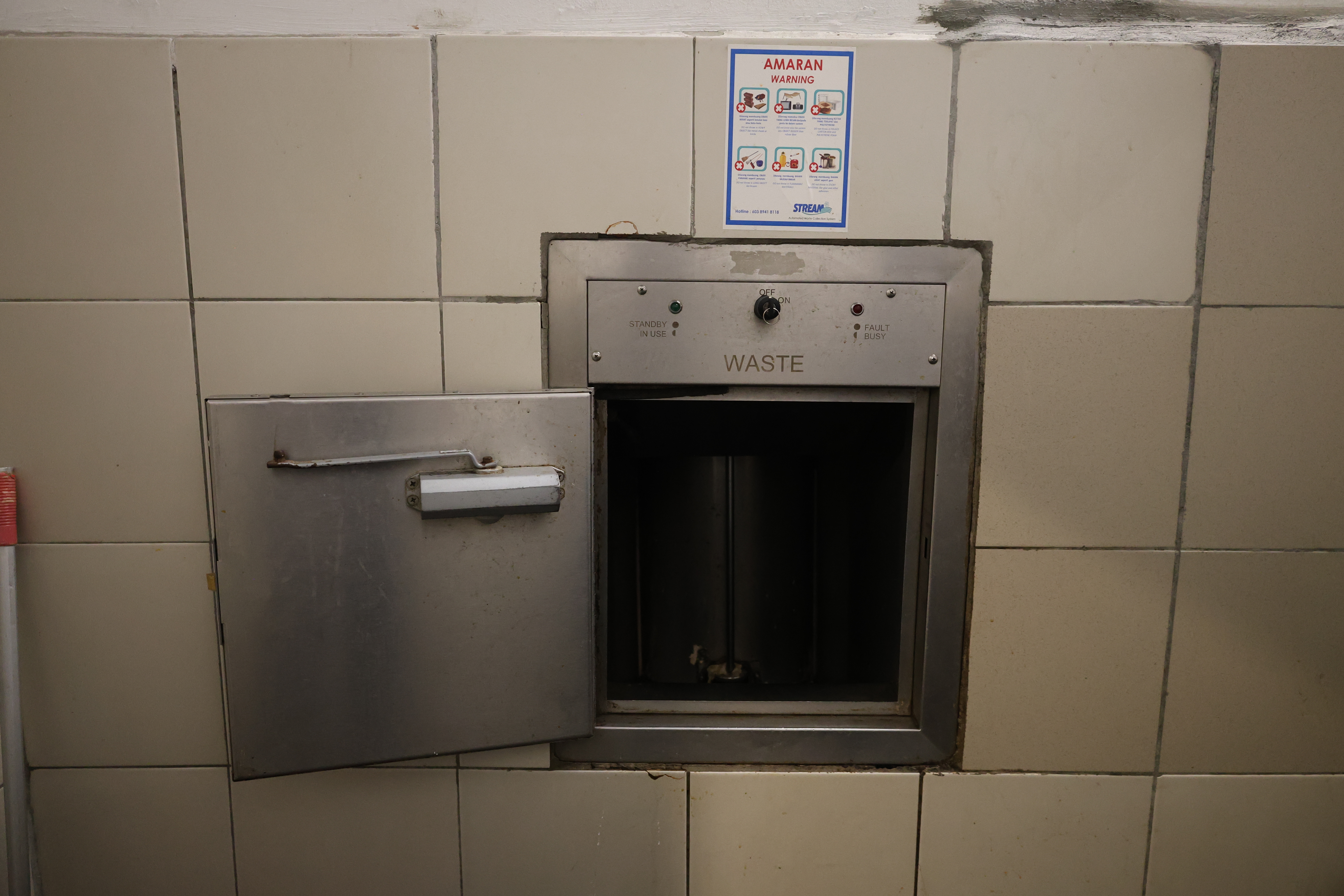
AWCS/PWCS Advantage: Waste inlets are strategically located inside terminal service walls, catering areas, and gate stations. Staff simply deposit waste into nearest inlet, where it is instantly sucked away through subterranean pipes - keeping passenger areas spotless and freeing up ground crew for higher-priority tasks.
Maximizing Valuable Terminal Real Estate
The Challenge: Above-ground waste staging zones, dumpster bays, and compactor rooms consume valuable square footage that could otherwise be used for retail, duty-free shopping, passenger lounges or gate space.
AWCS/PWCS Advantage: Moving storage and compaction infrastructure through sealed pipes or to the airport perimeter reclaims precious indoor real estate, allowing airport operators to optimise passenger amenities and boost non-aeronautical revenue.
The Future of Aviation Infrastructure is Below the Surface
As global air travel expands and sustainability regulations tighten, modern airports cannot rely on legacy waste management practices. Moving waste underground provides a permanent, secure, and environmentally friendly solution that aligns perfectly with smart airport design.
Modernise Your Facility's Waste Infrastructure
Whether you are designing a high-traffic transport hub, a commercial complex, or an industrial facility, Automated/Pneumatic Waste Collection System delivers unmatched safety, efficiency and cleanliness.