

Navigating BEM Requirements for AWCS Projects
Integrating an Automated Waste Collection System (AWCS) into large-scale residential, commercial, or mixed-use developments in Malaysia is a major engineering undertaking. From subterranean pneumatic pipelines to high-powered vacuum collection stations, every component forms part of a complex Mechanical & Electrical (M&E) and Civil engineering ecosystem.
In Malaysia, all engineering works associated with building developments fall under the governance of the Board of Engineers Malaysia (BEM). For property developers, main contractors, and consultants, understanding BEM's role ensures that your AWCS installation moves smoothly from design and statutory submission all the way to testing and building handover.
Here is what BEM compliance and governance mean for your AWCS project.

M&E Engineering Endorsements & Statutory Submissions
The Requirement: Under Malaysian law, statutory submissions to local authorities (such as DBKL, MBPJ, MBSA) via the One-Stop Centre (OSC) portal require technical plans to be signed and stamped by a Professional Engineer with Practising Certificate (PEPC) registered with BEM.
Impact on AWCS: AWCS designs involve complex structural loads, mechanical airflow pressure dynamics, electrical control systems, and subterranean piping networks. A BEM-registered PEPC must review, sign, and endorse these engineering plans to ensure they strictly adhere to local building codes, including the Uniform Building By-Laws (UBBL).
Structural & Spatial Safety Compliance
The Requirement: BEM sets strict standards for professional engineering practices to guarantee structural integrity, public safety, and operational reliability across built environments.
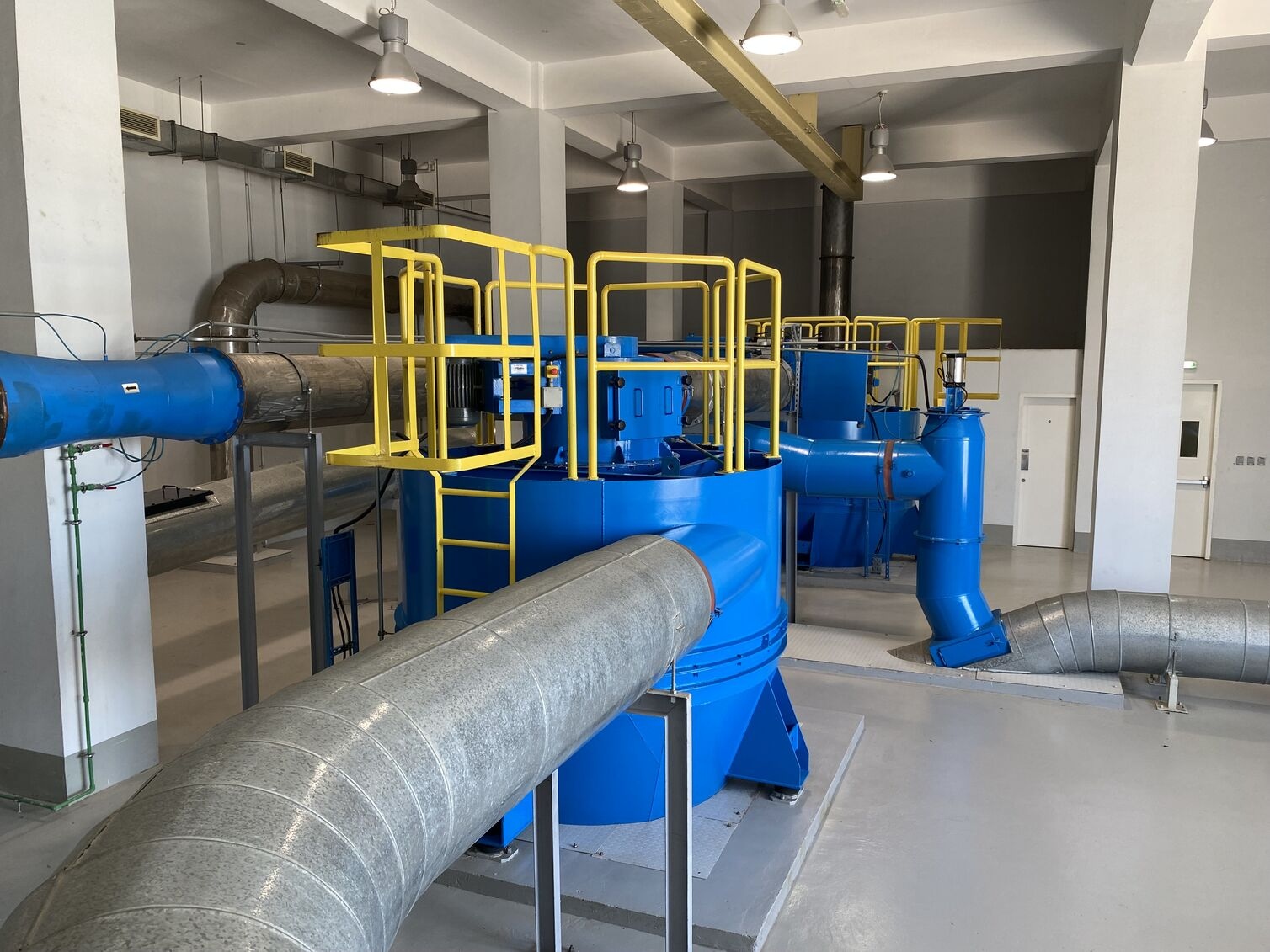
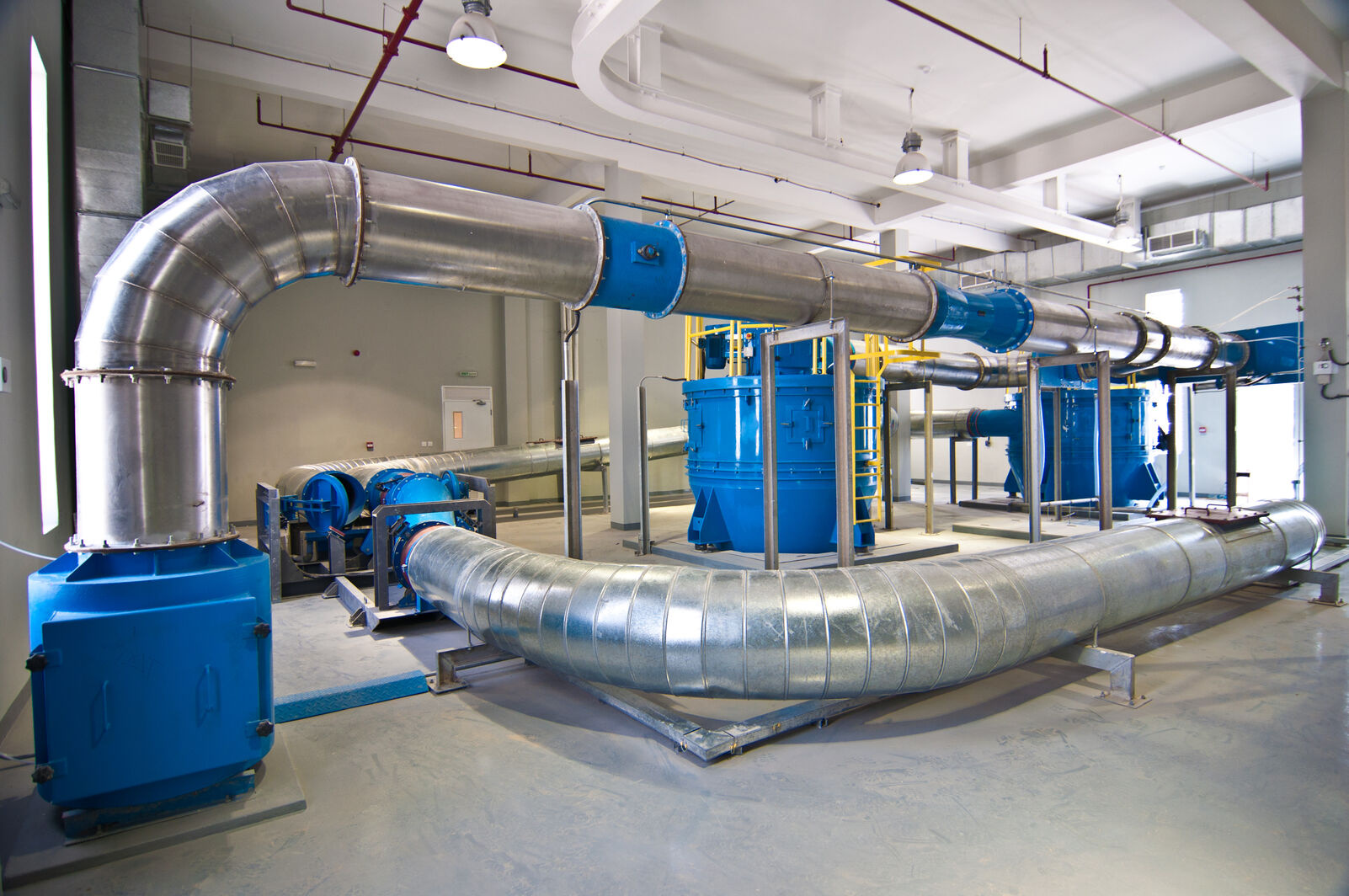
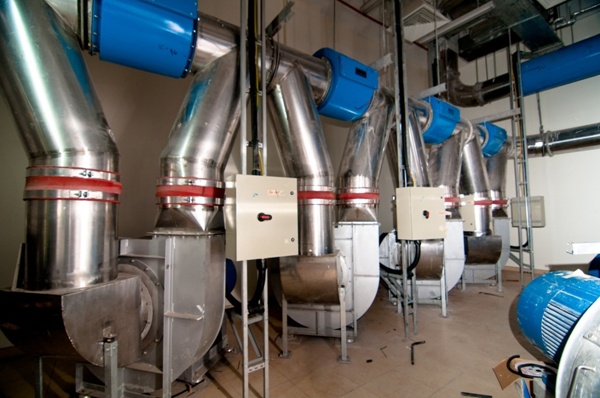
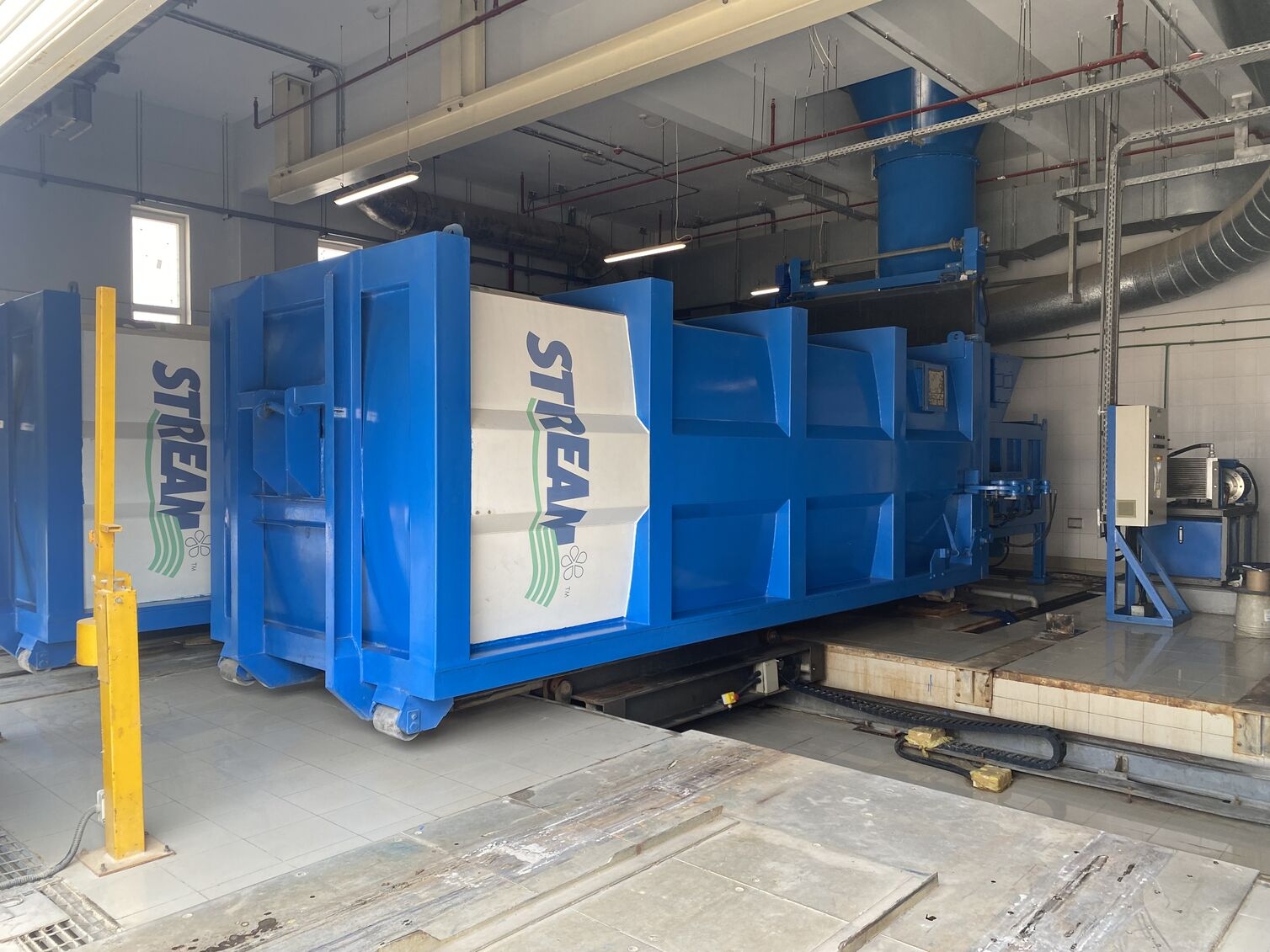
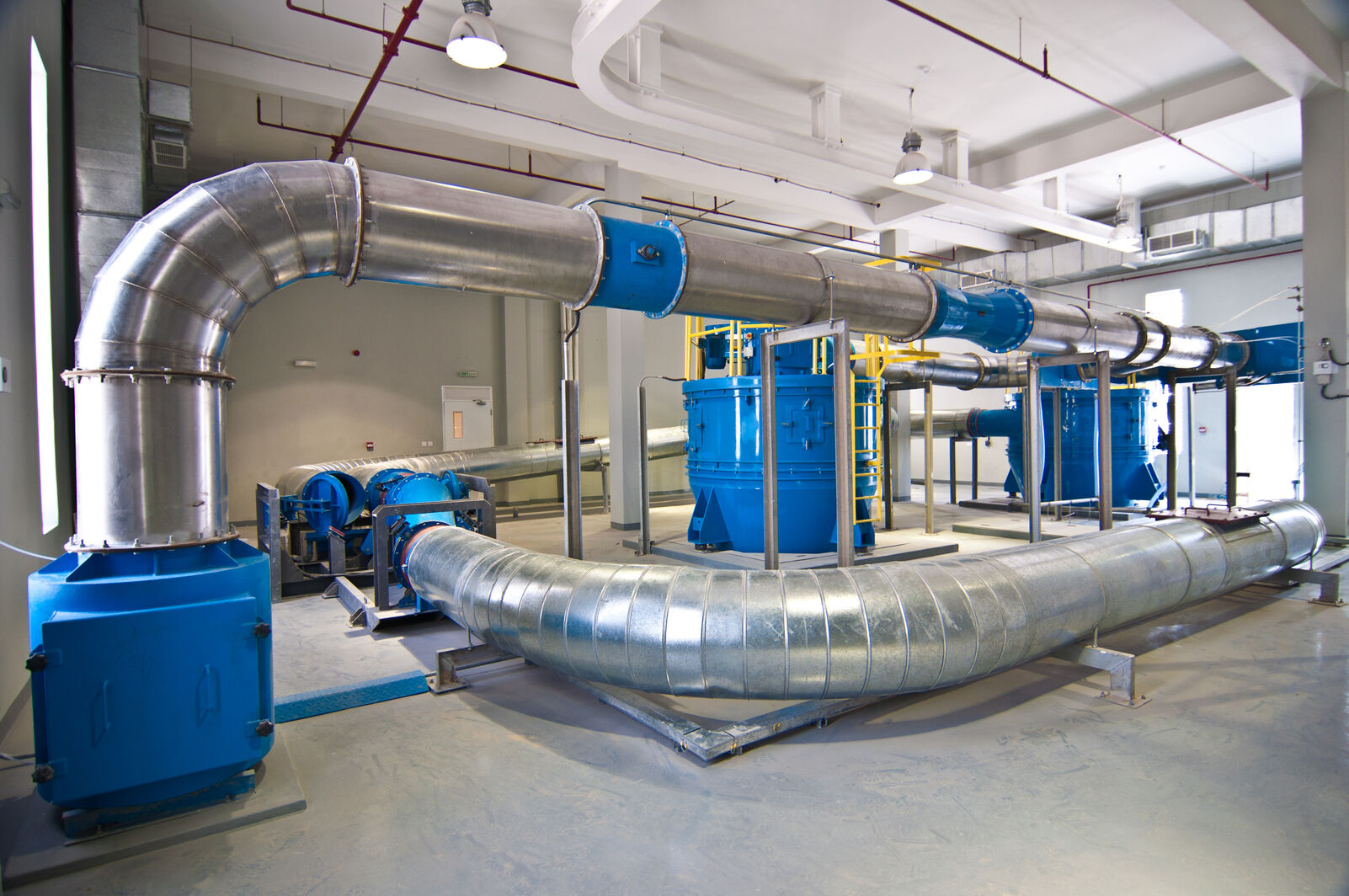
Impact on AWCS: Vacuum plant rooms, underground steel pipe trenches, and vertical waste risers impose specific mechanical and structural loads. Having BEM-registered civil and mechanical engineers oversee these specifications prevents spatial utility clashes, ensures fire compartmentation (BOMBA compliance) along vertical shafts, and guarantees safe long-term operations.
Site Supervision & Quality Assurance
The Requirement: BEM code of conduct mandates that engineering works must be adequately supervised on-site by qualified engineers or registered Inspectors of Works (IOW).
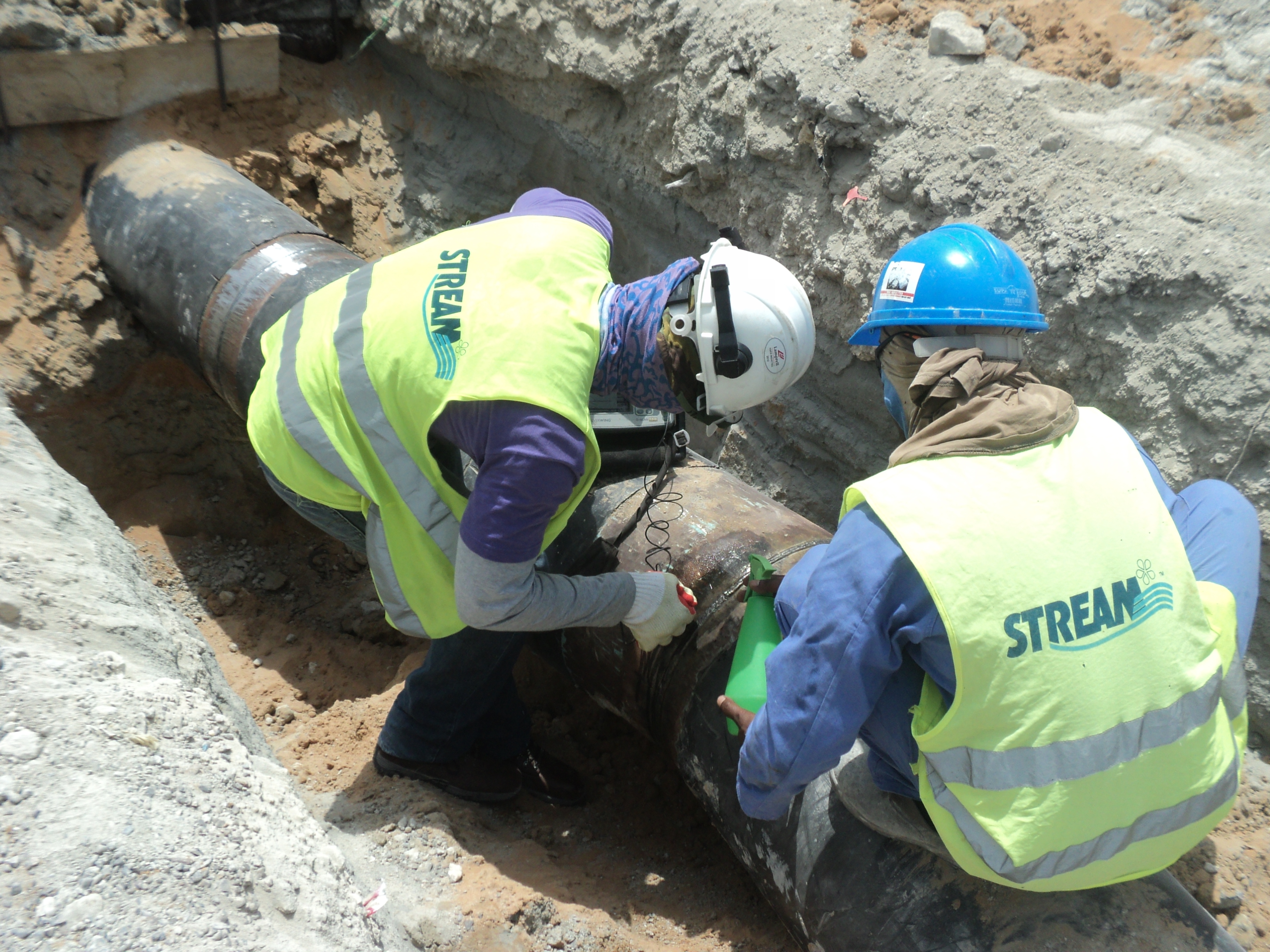
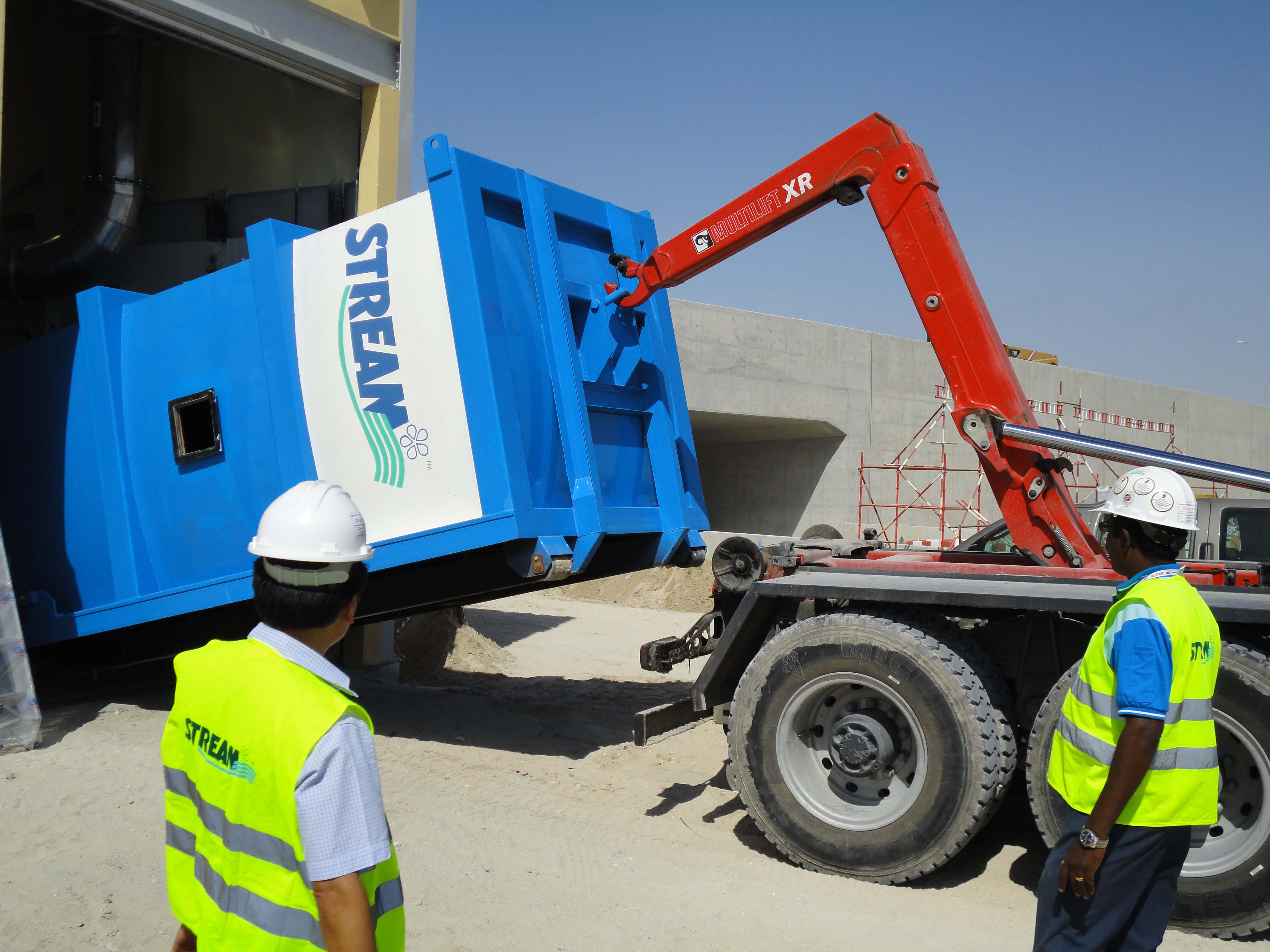
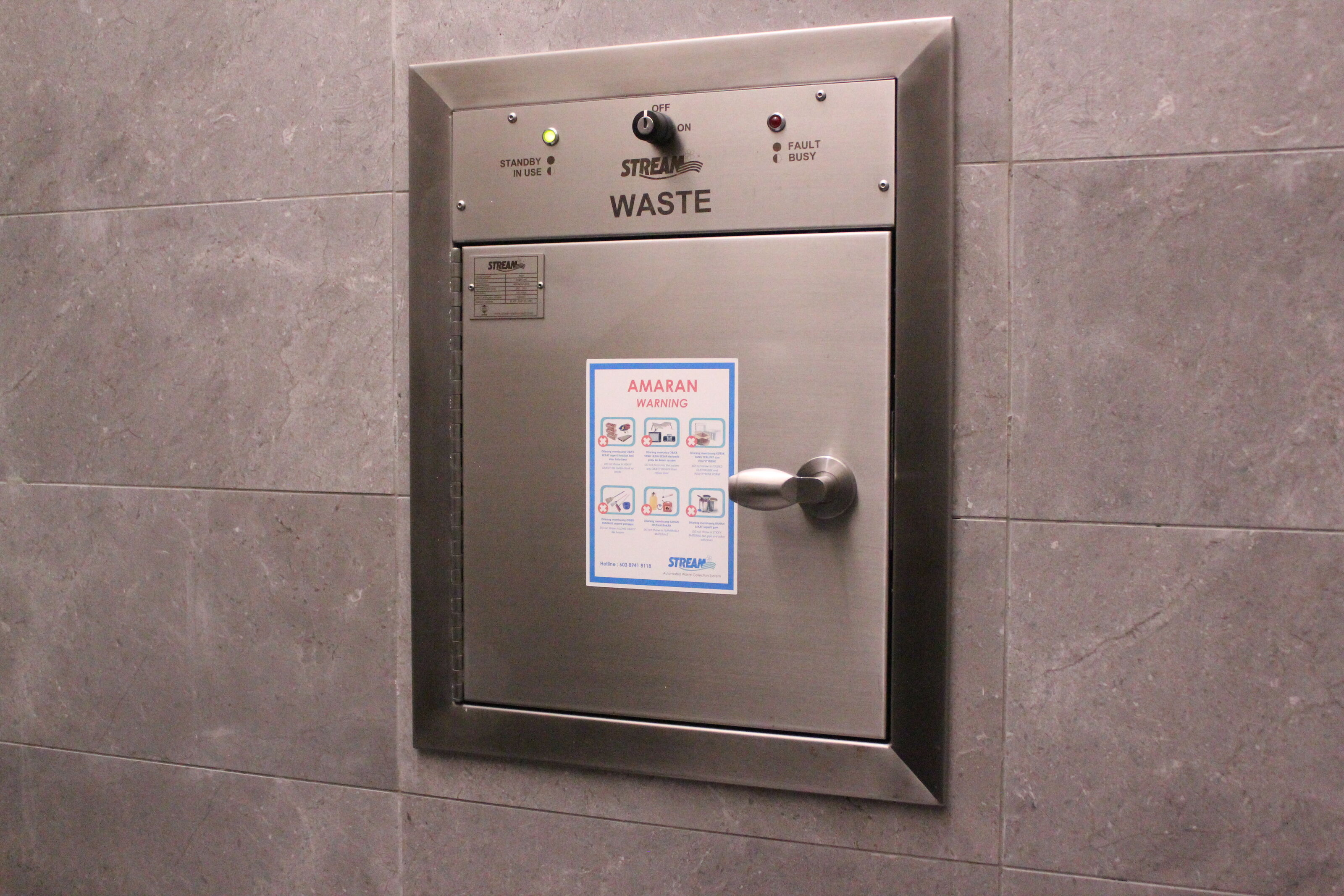
Impact of AWCS: Physical installation of heavy-duty carbon steel pipes, vacuum turbomachines, and automated inlet valves requires precise execution. Site supervision under BEM guidelines ensures that contractors follow the exact approved engineering drawings, preventing subterranean alignment errors or leaks that could compromise vacuum pressure.
Issue of Form G & Certificate of Completion and Compliance (CCC)
The Requirement: Before any building can legally open or be handed over to buyers, it must receive a Certificate of Completion and Compliance (CCC) issued by the Principal Submitting Person (PSP).
Impact on AWCS: The PSP relies on signed statutory Form Gs (specifically Form G14/G15 for M&E and Building Services). The PEPC responsible for inspecting the completed, tested, and commissioned AWCS must sign off on these forms, certifying that the system is fully operational, safe, and built to approved standards.
Key Steps to Ensure Smooth Engineering Execution

Engage PEPC Early
Involve registered M&E engineers during schematic design to integrate AWCS plant spaces and pipe corridors before formal authority submissions.

Align Technical Specs
Ensure your AWCS equipment suppliers provide full technical data and shop drawings that meet BEM-registered engineer review requirements.

Rigourous Commisioning
Ensure thorough testing and commissioning procedures are documented to allow prompt Form G sign-offs during CCC inspection.
Partner with Proven AWCS Engineering Experts
Navigating technical compliance, authority submissions, and specialized AWCS design requires an experienced team working alongside registered engineering professionals.