
Decarbonizing Cities Through AWCS
As modern cities expand, urban planners and real estate developers face an urgent imperative: decarbonising high-density districts while improving liveability. Traditional municipal waste management remains a heavy contributor to urban greenhouse gas emissions. Millions of diesel-fuelled refuse collection vehicles idle on congested city streets daily, contributing directly to air pollution, traffic bottlenecks, and elevated carbon footprints.
Automated Waste Collection Systems (AWCS) represent a fundamental shift in sustainable infrastructure, transforming refuse management from a fossil-fuel-reliant surface operation into an energy-efficient subterranean utility.

The Decarbonisation Advantage of Automated Waste Collection
Conventional waste collection relies on frequent trips by heavy diesel trucks. These vehicles consume significant fuel during constant stop-and-start operations, producing carbon dioxide, nitrogen oxides, and particulate matter.
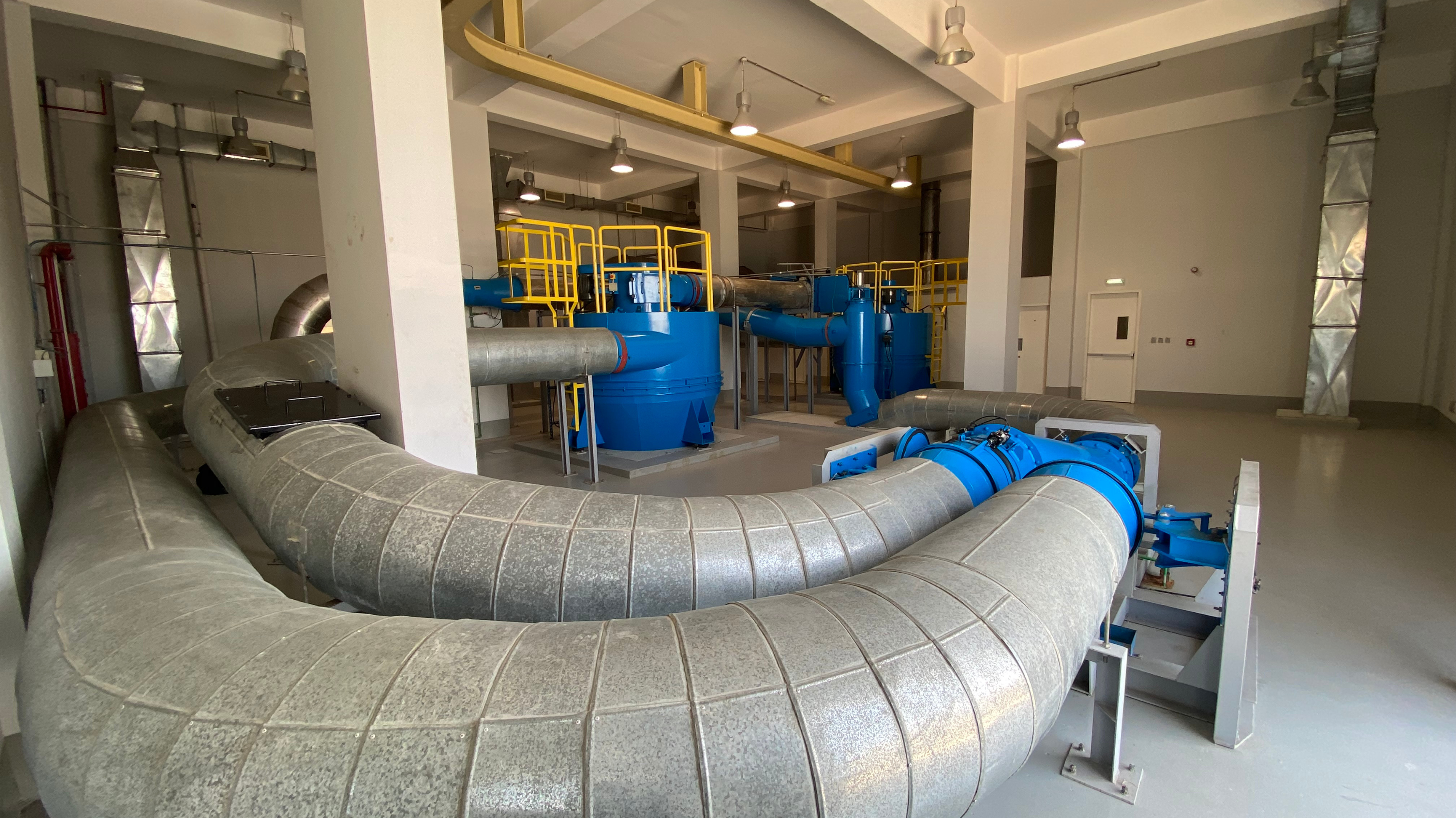
AWCS eliminates the vast majority of these surface operations. Refuse and recyclables are deposited into dedicated indoor or outdoor inlets, then drawn through sealed underground pipe networks via pneumatic suction directly to a central collection station.
Elimination of Refuse Vehicle Miles: By replacing heavy trucks with underground pipelines, AWCS cuts local transport-related carbon emissions by up to 90% within a development precinct.
Reduction in Grid-Level Traffic Congestion: Fewer heavy vehicles on city roads leads to smoother traffic flow for surrounding transport, indirectly lowering broader urban vehicular emissions.
Optimised Energy Consumption: Centralised suction plants operate on scheduled, demand-driven cycles, utilising energy-efficient exhausters and fan systems that can be powered by renewable grid electricity.
Elimination of waste and leachate spillages: Replacing manual transfer processes and open bins with sealed, automated containment systems. This prevents toxic waste liquid (leachate) and trash from leaking or spilling into the surrounding area, thereby maintaining hygiene, controlling foul odors, and preventing environmental contamination.


Driving ESG and Net-Zero Urban Standards
Environmental, Social, and Governance (ESG) criteria are now central to property development and municipal governance. Building ratings such as GBI (Green Building Index), Green Mark, and LEED award points for innovative waste management, indoor environmental quality, and operational carbon reduction.
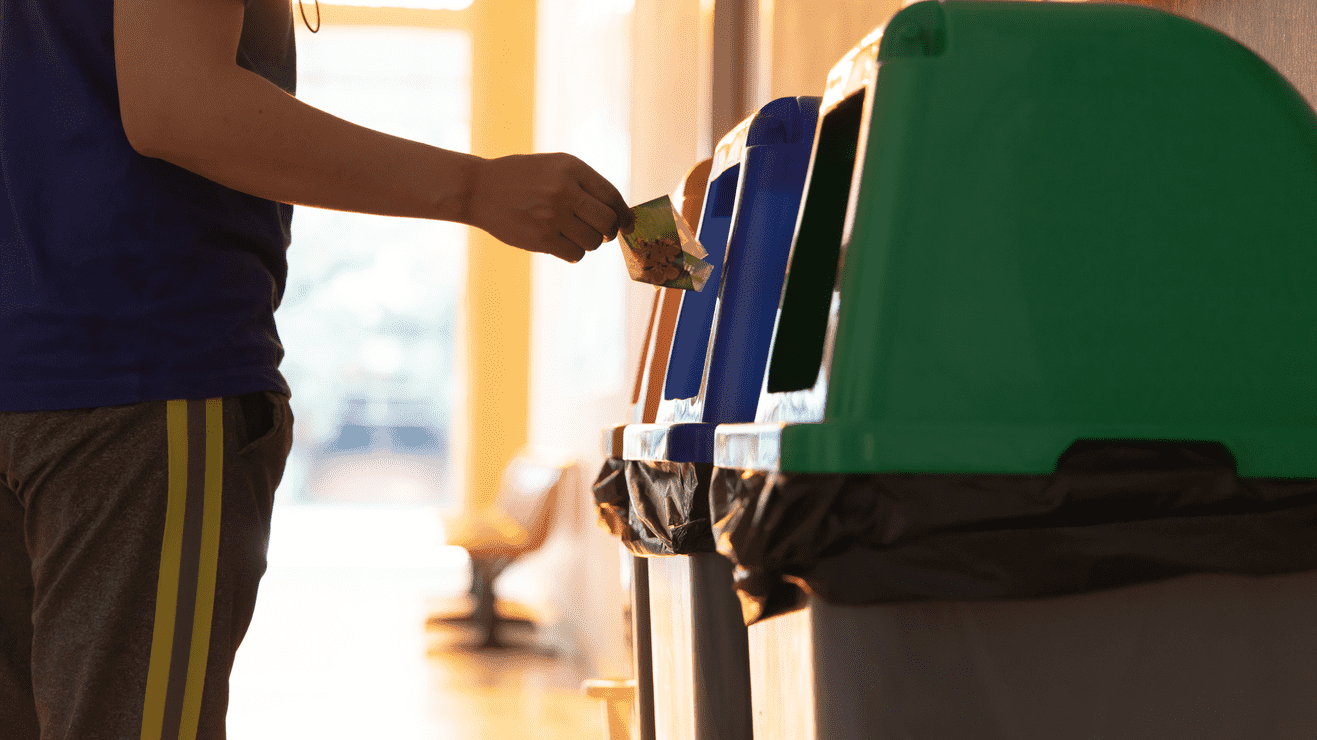
Higher Recycling Rates Through Source Separation: Multi-chute or fraction-specific AWCS inlets make sorting recyclables effortless for occupants, preventing cross-contamination and diverting organic waste from landfills where it would otherwise generate methane.
Enhanced Urban Hygiene and Social Well-being: Sealed pneumatic transport prevents foul odours, pest infestation, and leachate leaks, creating healthier public spaces and safer living environments.
Decarbonising Real Estate Assets: Integrating pneumatic systems reduces building service spaces, cuts down on heavy freight elevator usage, and lowers the operational carbon intensity of high-rise developments.
STREAM Environment: Pioneer in Sustainable Pneumatic Transport
As a flagship brand under AWC Berhad, STREAM has spent over three decades engineering, installing, and maintaining advanced pneumatic waste management solutions across Asia and the Middle East. STREAM systems are custom-designed to help mega-developments, healthcare facilities, commercial hubs, and residential townships achieve stringent sustainability benchmarks.
Key Landmark Projects:
Al Raha Beach Development, Abu Dhabi, UAE: Large-scale district-wide AWCS infrastructure managing high-volume residential and commercial waste streams under extreme climatic conditions, driving decarbonisation across a landmark coastal city.
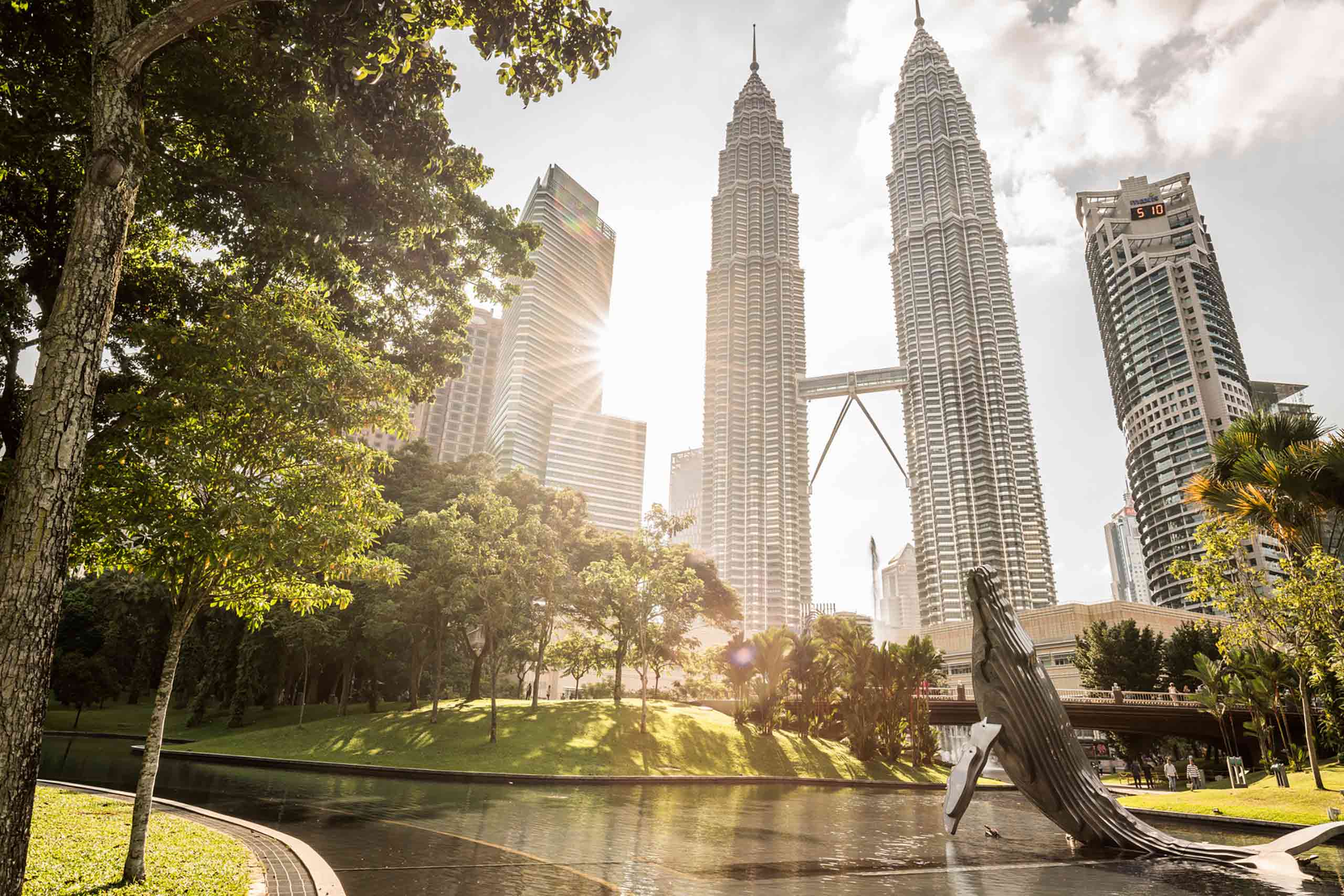
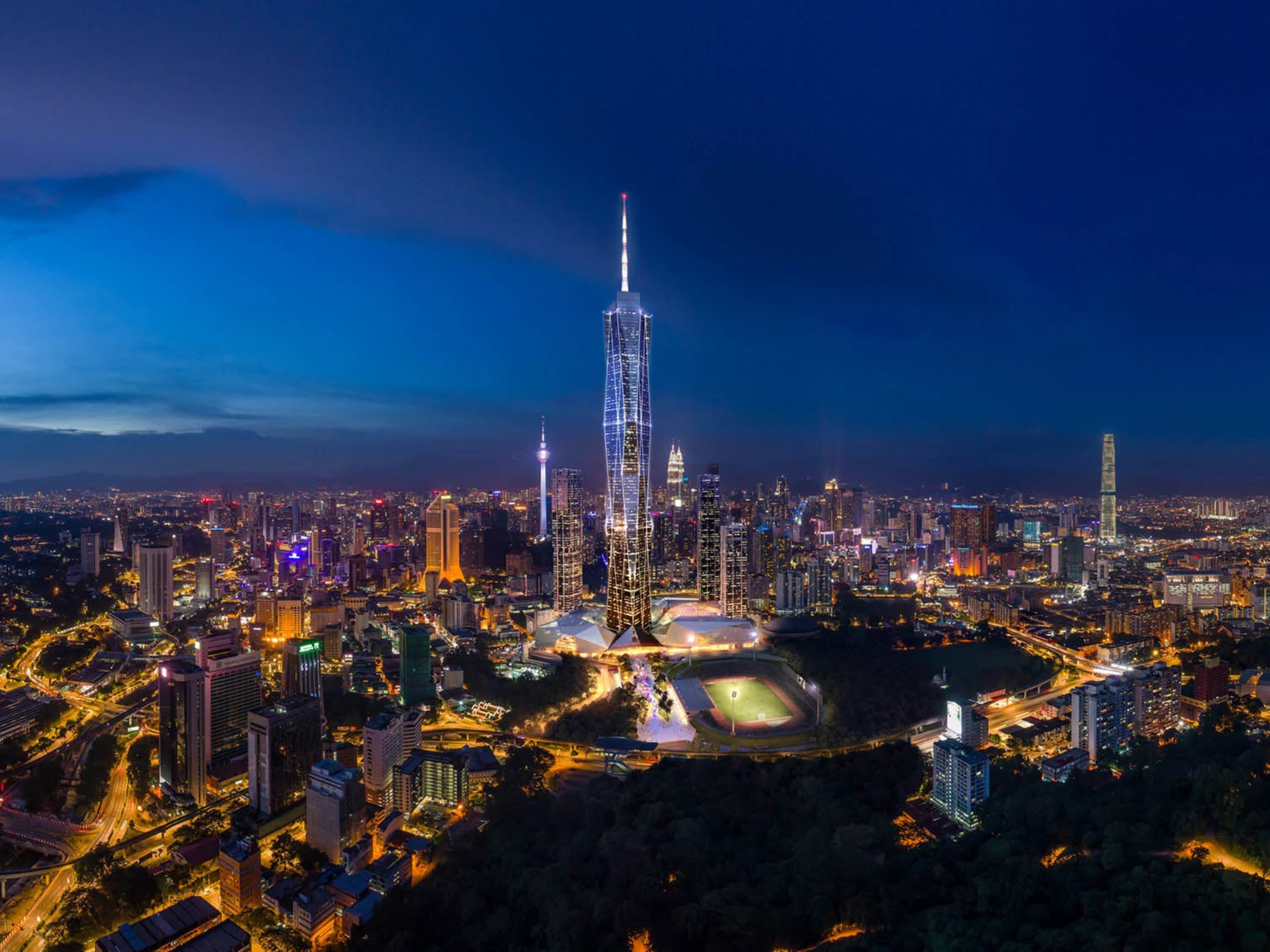
Merdeka 118, Malaysia: Integrated state-of-the-art pneumatic waste management system for the world's second-tallest building, ensuring efficient, hygienic, and low-carbon waste handling across its massive mega-tall commercial and retail footprint.
Changi Airport Terminals 3 & 4, Singapore: Deployment of STREAM's high-capacity Full Vacuum System (FVS) across critical transport hubs. The system swiftly and discreetly transports terminal waste away from public passenger areas to centralized collection points, eliminating the need for internal garbage trucks and open bins while maintaining top-tier security and hygiene standards.
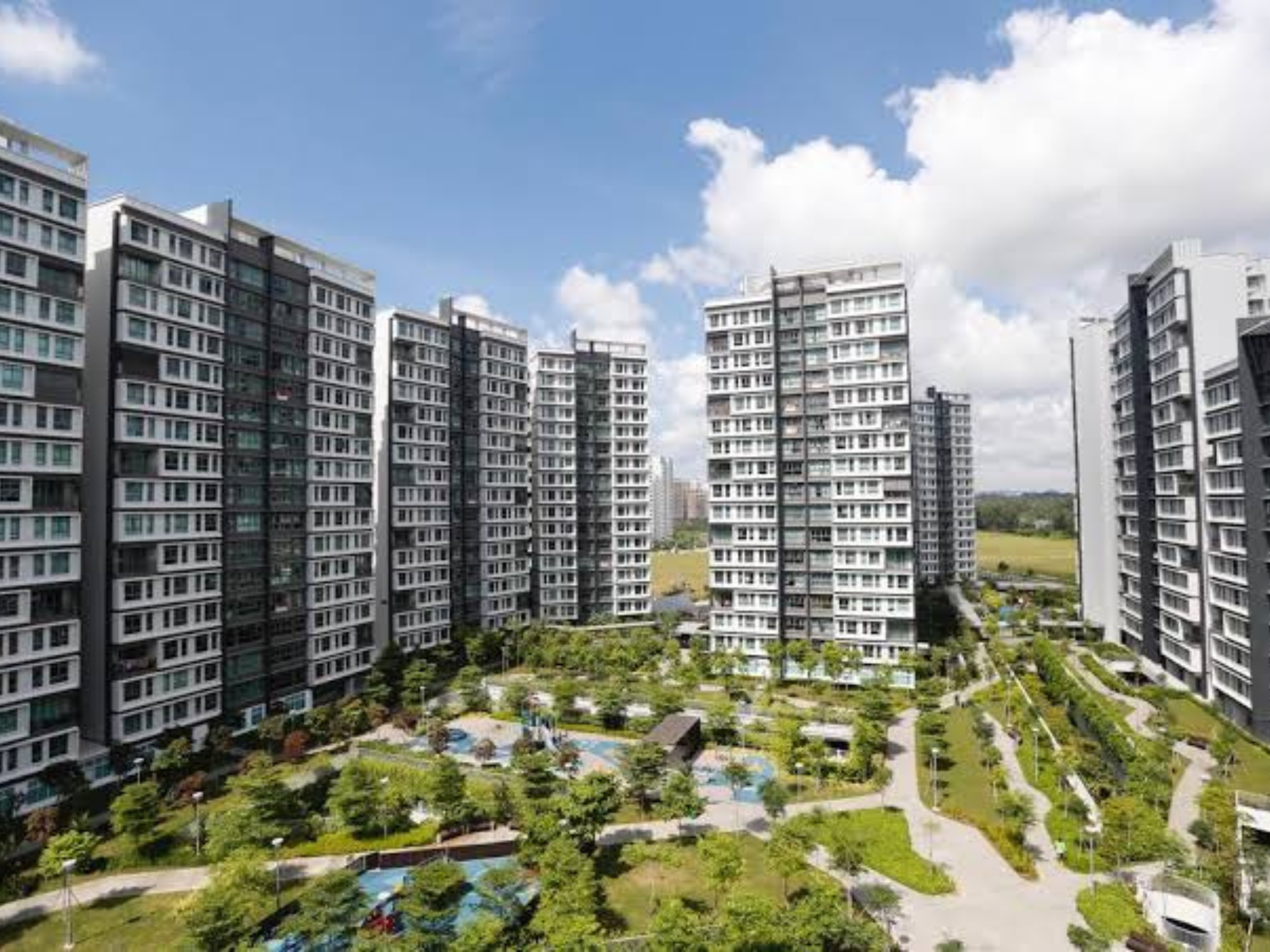
Housing & Development Board (HDB) Residential Estates, Singapore: Large-scale implementation of Pneumatic Waste Conveyance Systems (PWCS) across high-density public housing developments. The system uses underground vacuum piping to collect household waste directly from residential blocks, significantly enhancing urban cleanliness, eliminating foul odors, and reducing manual waste handling in residential communities.


Building the Net-Zero Cities of Tomorrow
Achieving net-zero carbon targets requires rethinking fundamental urban utilities. By replacing legacy truck-based collection with subterranean pneumatic pipelines, city authorities and developers can drastically curb transport emissions, improve recycling efficiency, and elevate overall quality of life.
Transform Your Development's Sustainability Strategy
Partner with us to design, integrate, and deploy energy-efficient Automated Waste Collection Systems tailored to your project's net-zero and ESG goals.