
Beyond Bins: Introducing the District Waste System
Traditional urban environments have long relied on fragmented, building-by-building waste storage. The District Waste System (DWS) introduces a smarter, unified blueprint, interconnecting an entire district into a single, highly streamlined network rather than isolating waste management to individual properties.
By shifting infrastructure underground, we provide councils, developers, and residents with a long-term utility that continuously ensures community hygiene, drastically lowers municipal overheads, and meets the logistical demands of modern sustainable living.
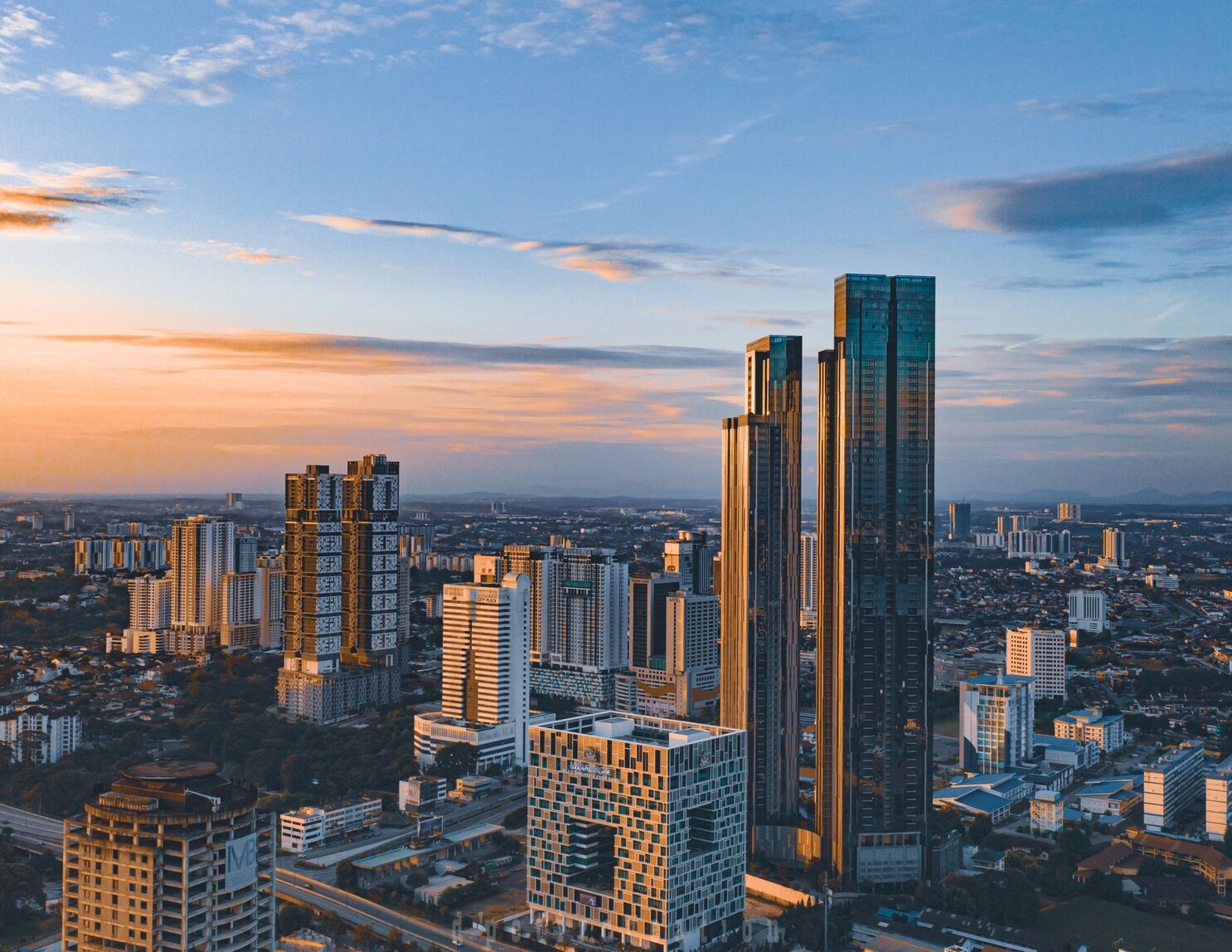
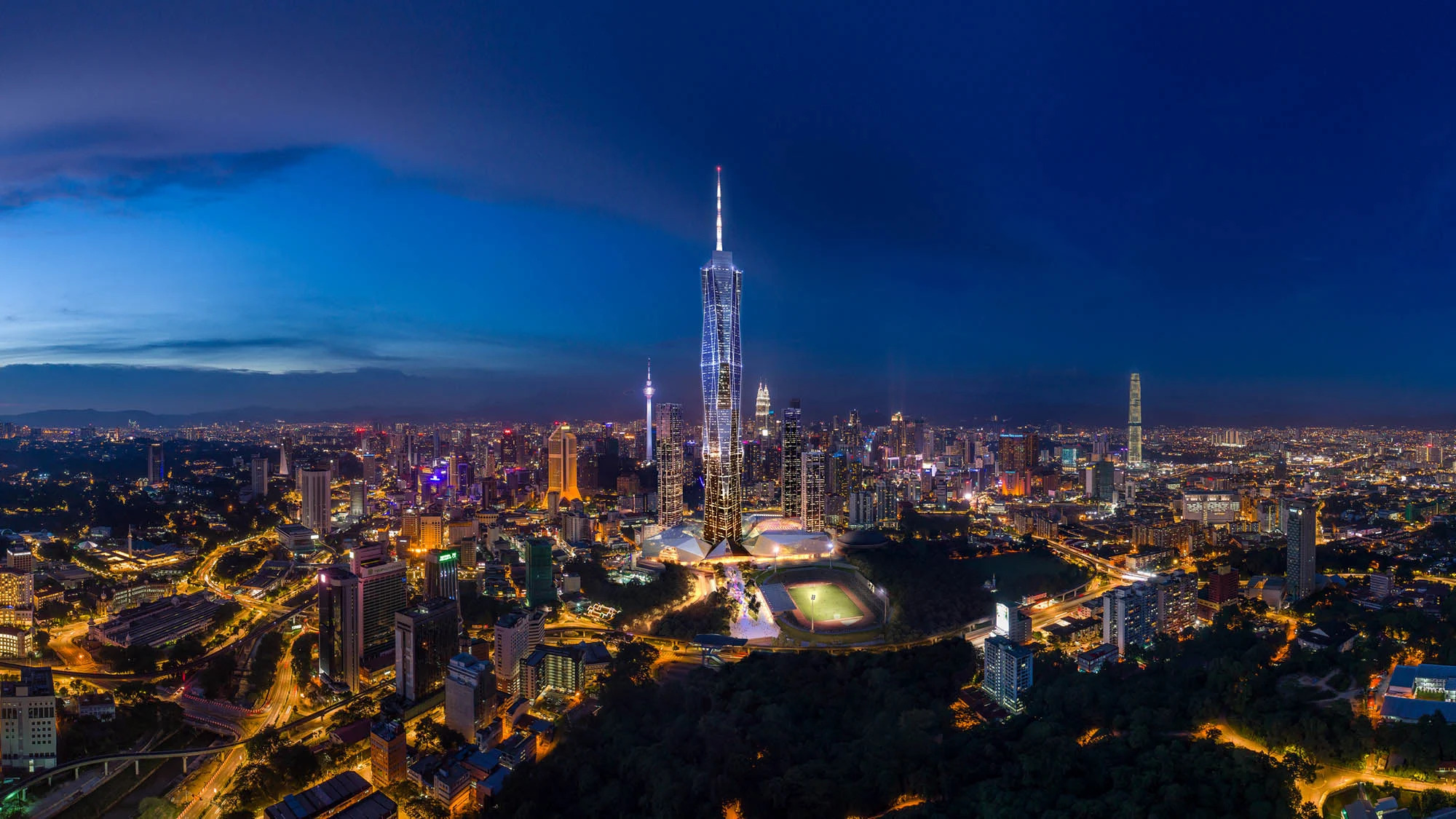
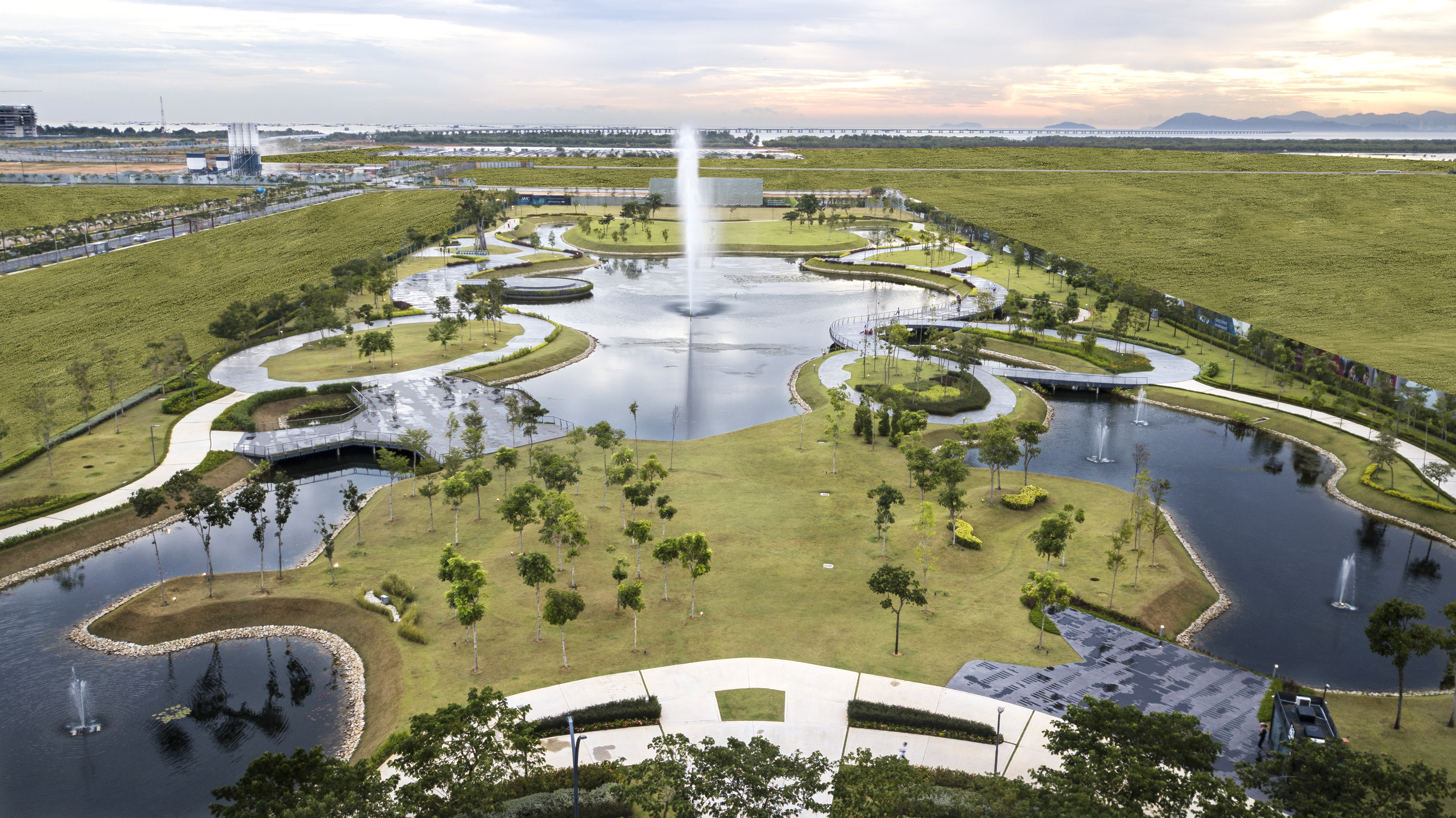
STREAM’s global portfolio demonstrates how this technology is reshaping cities, with proven implementations across Malaysia (Merdeka 118, Aspen Vision City, Damansara Uptown, The Glades), the UAE (Lu’aluat Island, Al-Raha Beach, Jewel of the Creek), China (Nantong Central Medical Complex) and India (Greater Noida, Smart City India). These real-world applications prove Automated Waste Collection Systems (AWCS) are no longer a futuristic concept, but the trusted global standard for modern cities.

Future-Proofing Urban Centres: The Shift to District Waste Systems
As metropolitan zones grow denser, municipalities face mounting Capital Expenditure (CAPEX) & Operational Expenditure (OPEX) pressures from managing individual bins across every property. Conventional collection models only compound these challenges: congested traffic delays routes, rising fuel and labour costs strain budgets, and rigid collection schedules fail to keep pace with surging waste volumes. The future of sustainable urbanisation demands automated, invisible infrastructure that streamlines municipal operations seamlessly.
Eliminating Surface Gridlock

Safer Street
Fewer heavy vehicles in residential areas drastically reduces pedestrian collision risk

Quieter Commutes
Eliminating noisy early-morning collections ensures calmer, more peaceful urban environments

Reduce Emissions
Eliminating diesel fleets heavily cuts the district's carbon footprint and air pollution

Unobstructed Streetscapes
Removing oversized collection trucks creates cleaner, more spacious, and visually pleasing streets
Urban Integration & How it Works
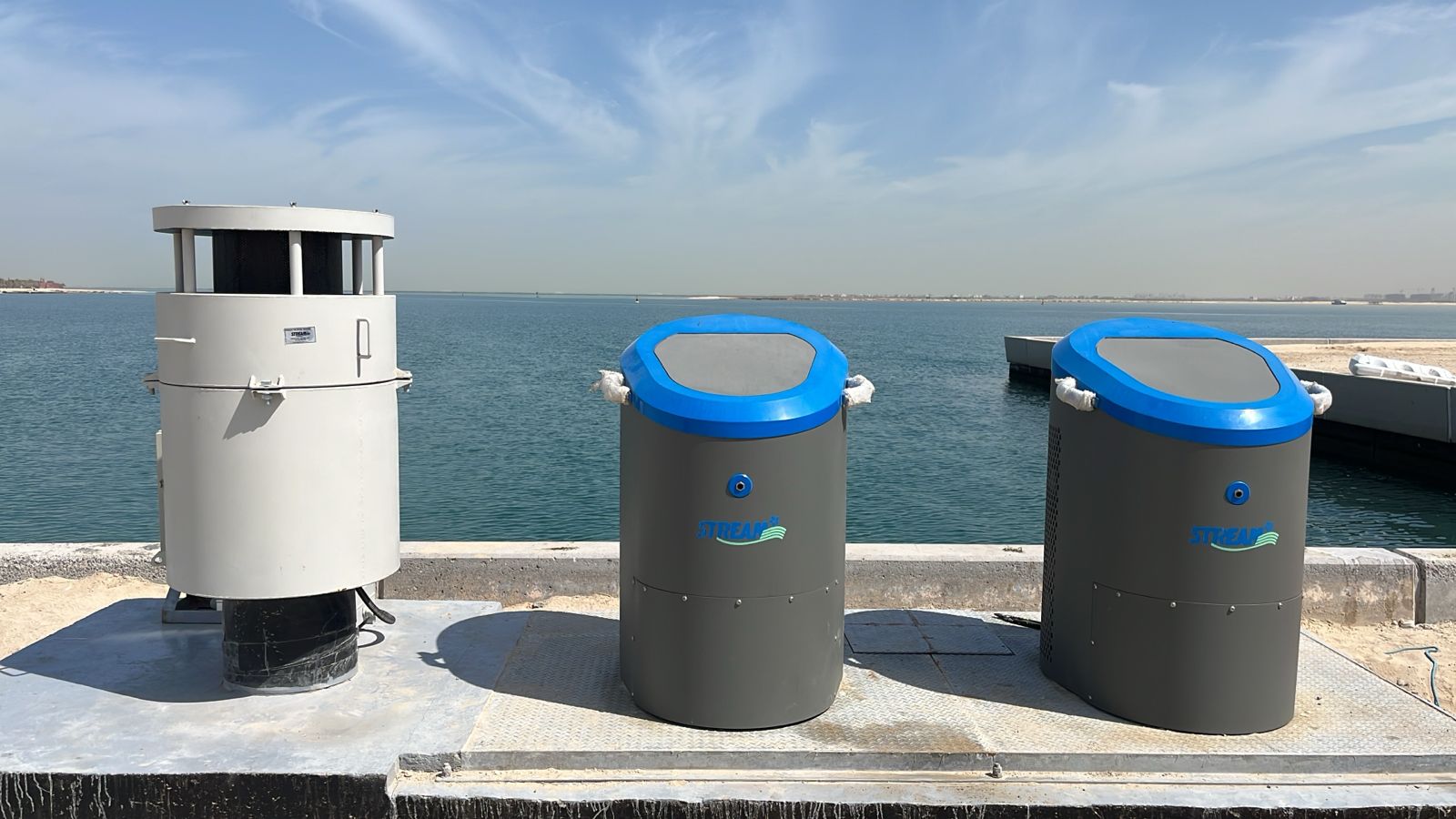
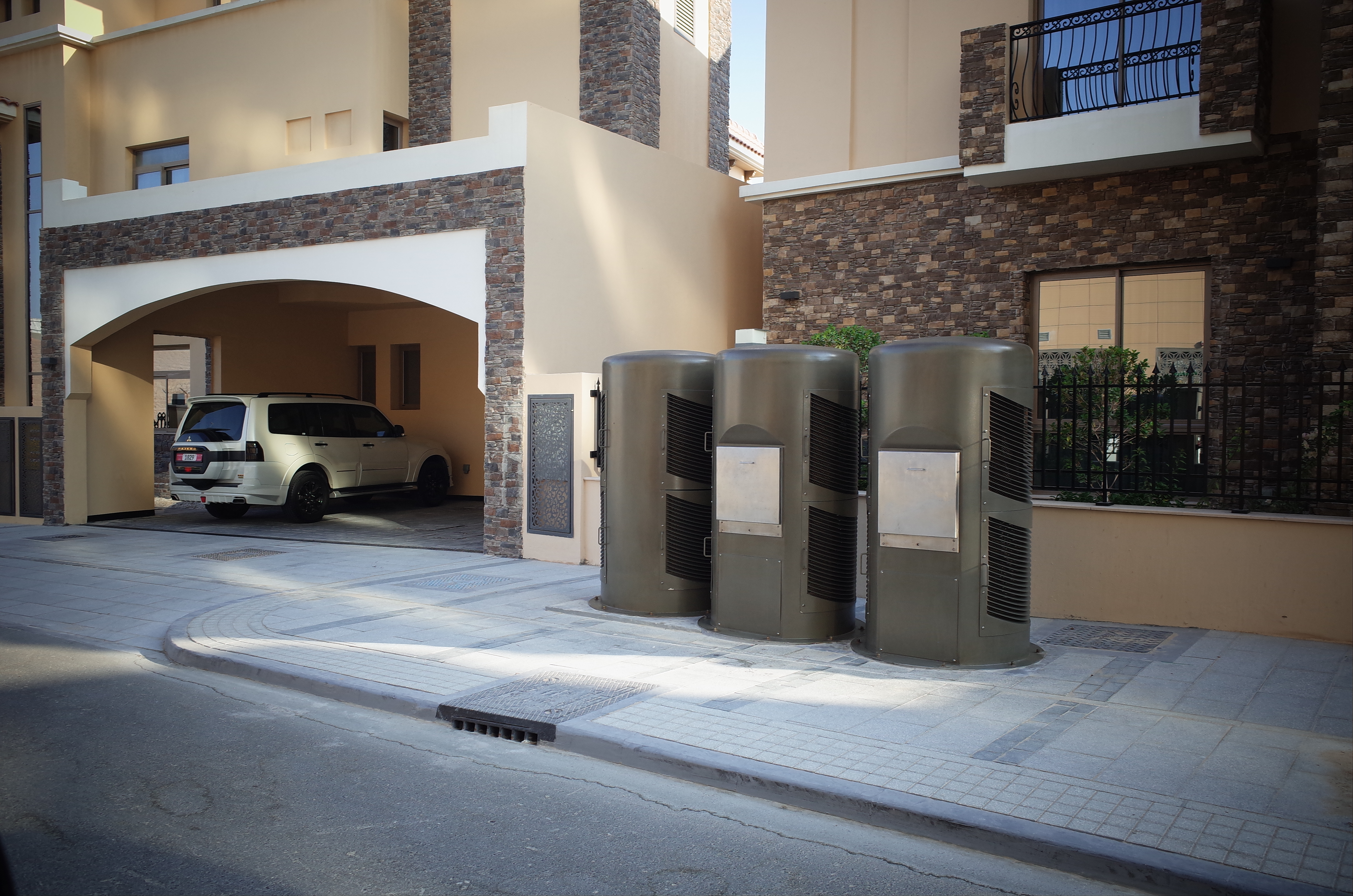
The beauty of the Automated District Waste System lies in its friction-free user integration, acting as an invisible grid beneath the feet of citizens. The process begins at smart disposal doors strategically placed in building lobbies and public realms, allowing residents and businesses to segregate waste right at the source.
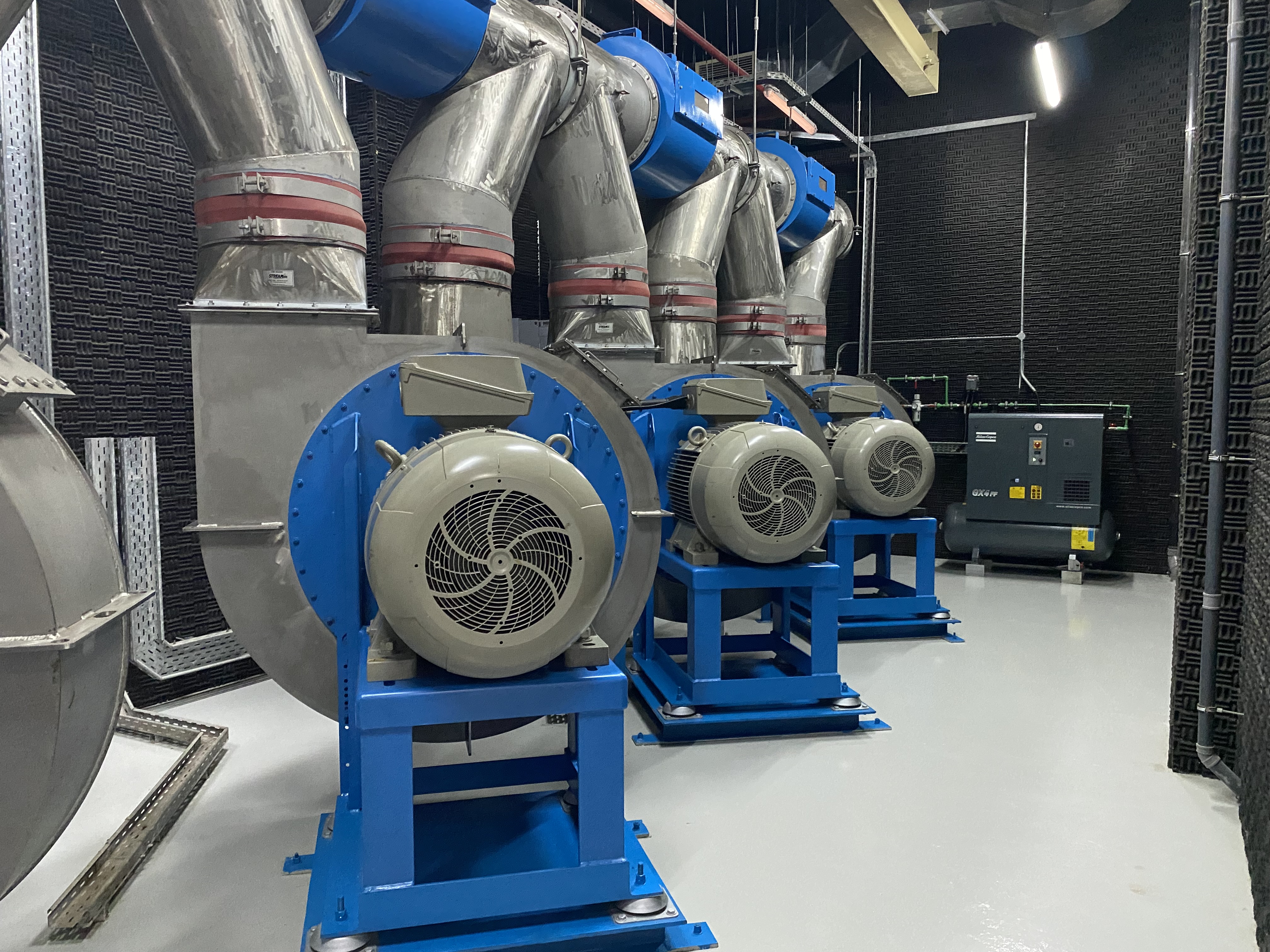
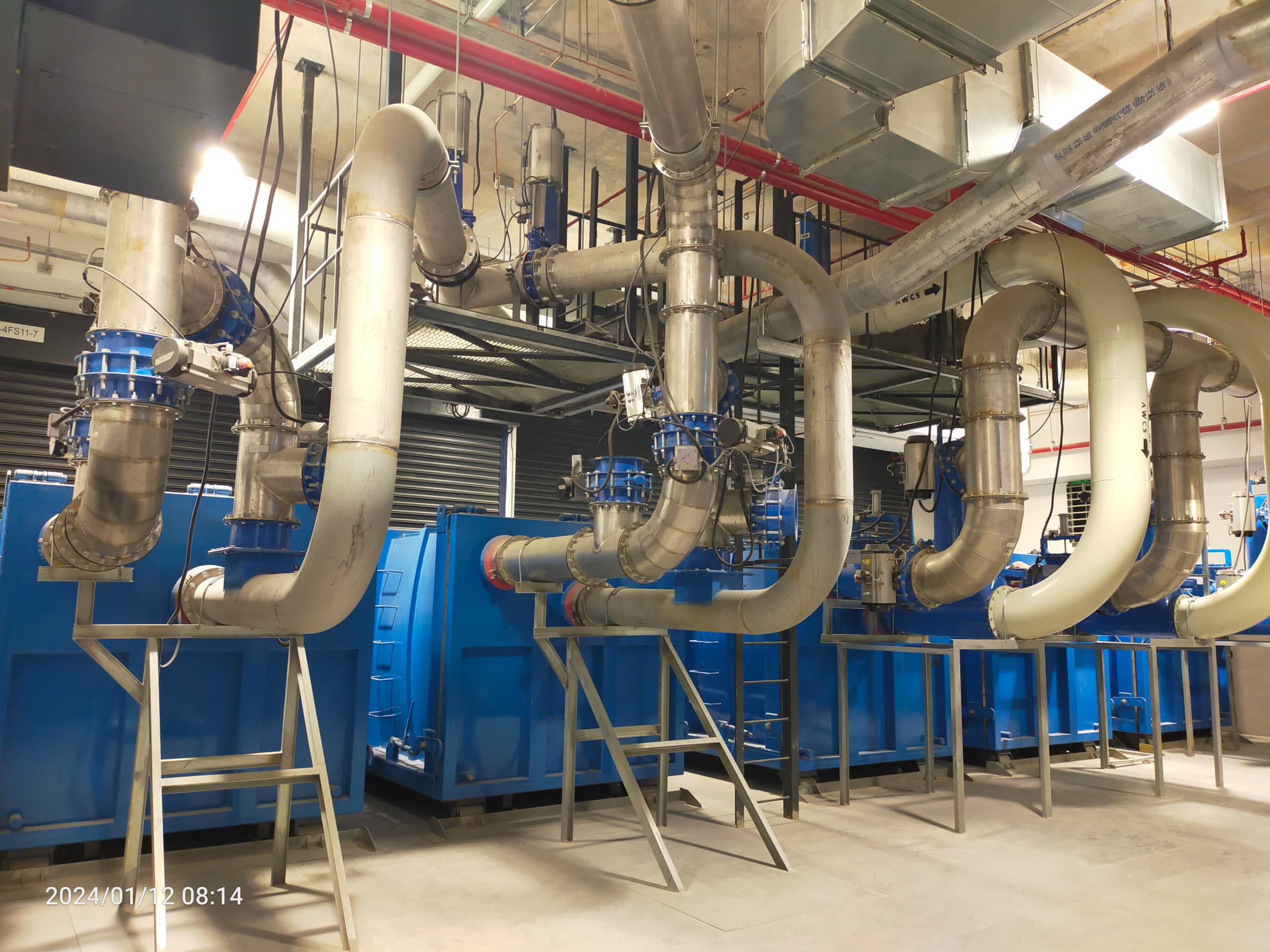
Once loaded, powerful automated vacuum pressure pulls the waste through a network of sealed pipes at high speeds, completely bypassing pedestrian streets.
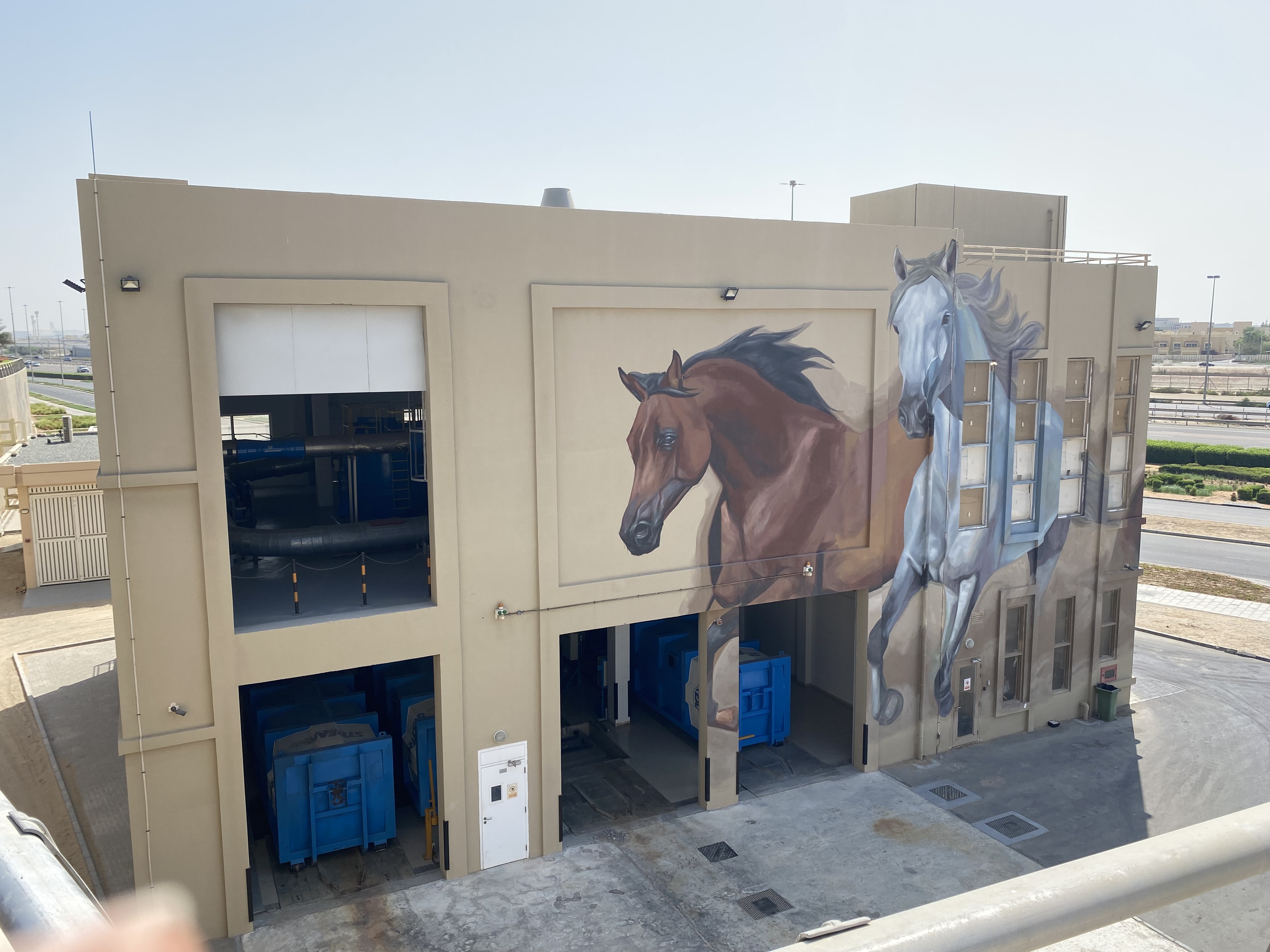
Finally, the vacuumed material arrives directly at a centralised facility outside the district, where it is compacted into airtight containers, ready for bulk transport without ever exposing the community to loose debris or odours.
The Commercial & Ecological Advance
Forward-thinking city planners, municipal authorities, and private property developers are rapidly abandoning legacy waste methods in favour of district-wide infrastructure due to distinct advantages

Drastic Improvements to Public Hygiene
Open collection bins are hotbeds for structural issues. They actively attract urban pests, cause severe foul odours, and pose persistent biohazard concerns. The DWS completely seals waste away from the elements immediately after disposal, neutralising pest propagation and maintaining fresh air across the entire development

Maximising Valuable Real Estate
In traditional architecture, large, ventilated trash collection rooms consume substantial ground-floor space - often the most valuable square footage of a property. Implementing a district pneumatic system eliminates the need for these individual storage chambers, reducing, carbon emissions while freeing up prime real estate. Developers can reclaim this space to create high-yield commerical areas, communities lounges, or green parks that actively enrich neighbourhood liveability.
Building the Cities of Tomorrow
Innovation isn't limited to constructing taller towers; it extends to the housing developments around them. It is about building resilient systems that align with the nation’s vision and sustain communities for the long term.
Smarter Districts Begin with Smart Infrastructure
Whether you are a municipal planner or developer, the shift to automated district waste networks starts here. Connect with our infrastructure specialists today to integrate smart waste into your master plan.