
How Reducing Waste Truck Traffic Creates Greener Cities
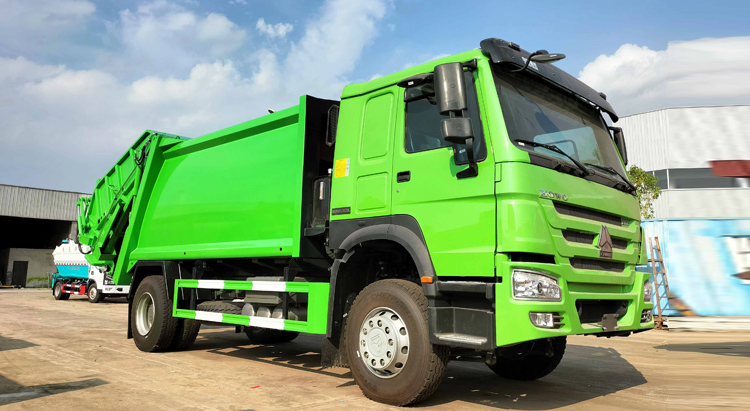
When we think about urban sustainability, electric cars, solar panels, and green spaces usually dominate the conversation. However, one of the heaviest polluters in modern cities travels along our streets every single night: heavy diesel waste collection trucks.
Traditional municipal waste collection relies on massive fleets of heavy-duty trucks making frequent, slow, stop-and-go trips through dense urban neighborhoods. By modernizing waste infrastructure and reducing the number of waste trucks on the road, cities can achieve dramatic environmental, social, and economic gains.
Here is why cutting down on waste truck traffic is a game-changer for building greener, more livable cities.

Massive Reduction in Carbon Emissions & Smog
The Challenge: Heavy waste trucks consume diesel fuel throughout their collection routes, including when travelling with little or no waste onboard. Frequent stopping, idling and low-gear accelaration contribute to fuel consumption and emissions, including carbon dioxide, nitrogen oxide and fine particular matter.
The-Waste to-Truck Weight Ratio: The ratio of collected waste (kg) to truck's total weight (kg) changes as the truck fills up, starting at 0 kg of collected waste and increasing towards full capacity. A lower ratio means the truck carries relatively more vehicle weight per kilogram of waste collected, with a higher ratio indicates more efficient use of its carrying capacity. This affects fuel efficiency because fuel is consumed to move both the truck itself and its load.
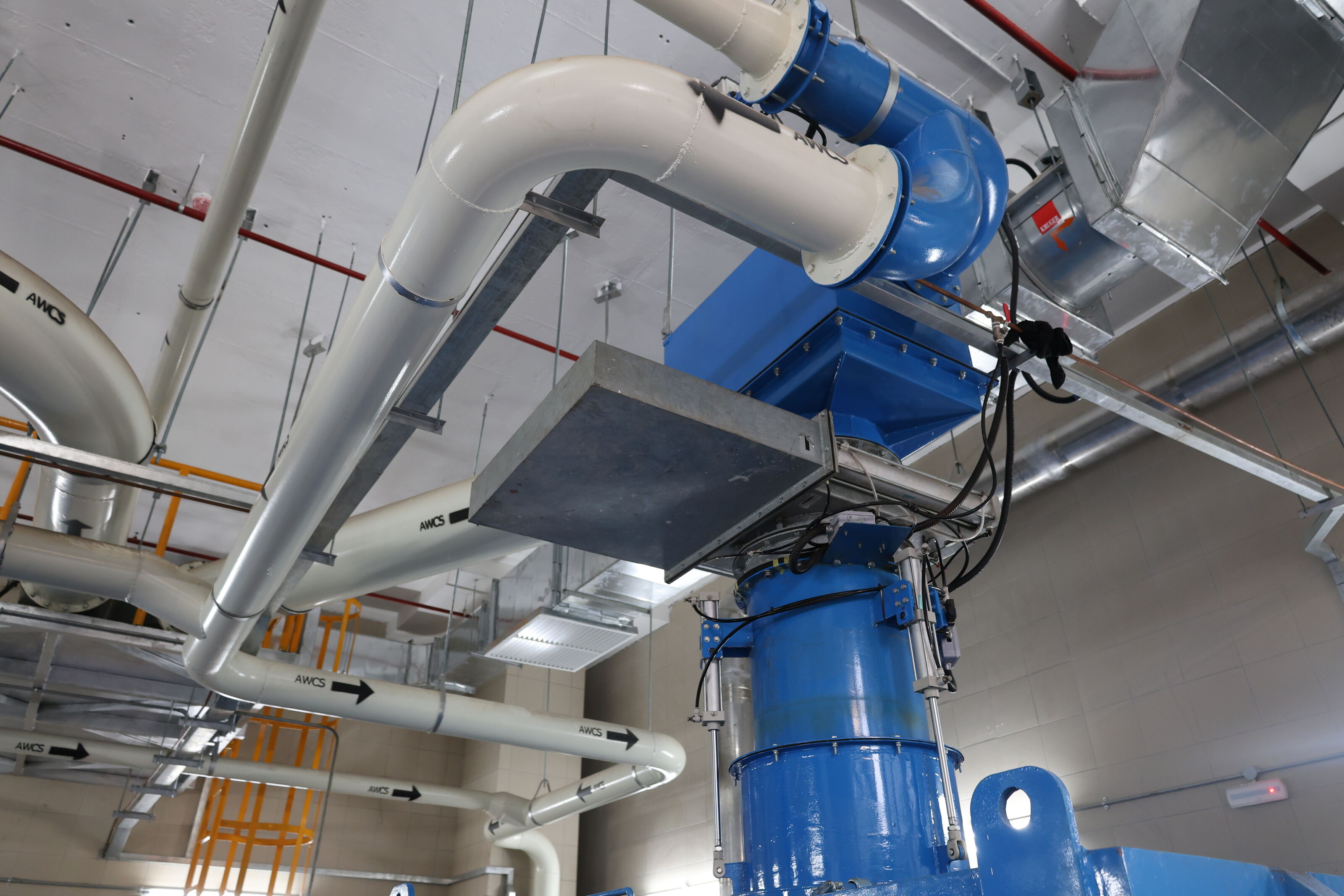
The Greener Impact: Reducing the number of waste collection trucks required or adopting automated waste conveyance systems, such as pneumatic waste collection networks, can reduce reliance on diesel-powered vehicles. By minimising truck journeys and fuel consumption, these systems can help lower greenhouse gas emissions, reduce air pollution and improve urban air quality.
Preventing Leachate, Spillage & Leakages
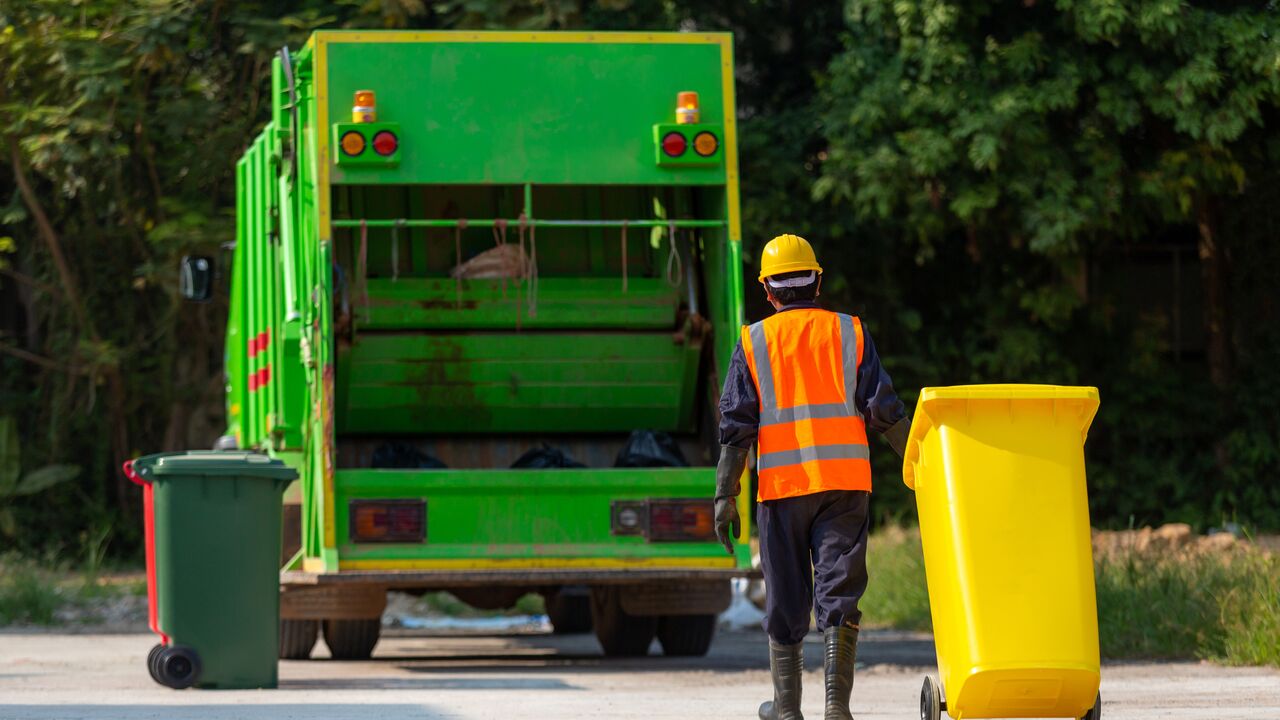
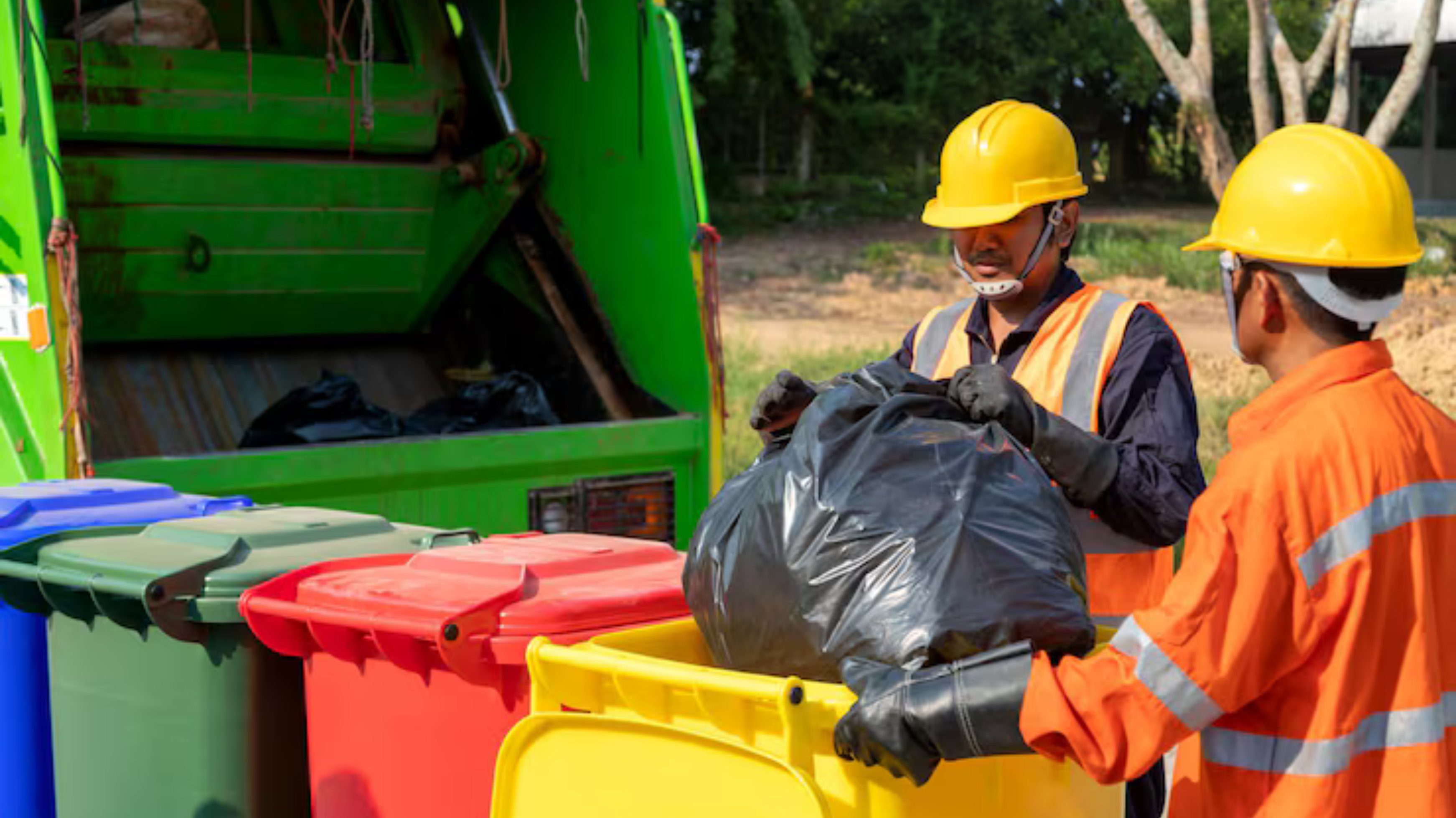
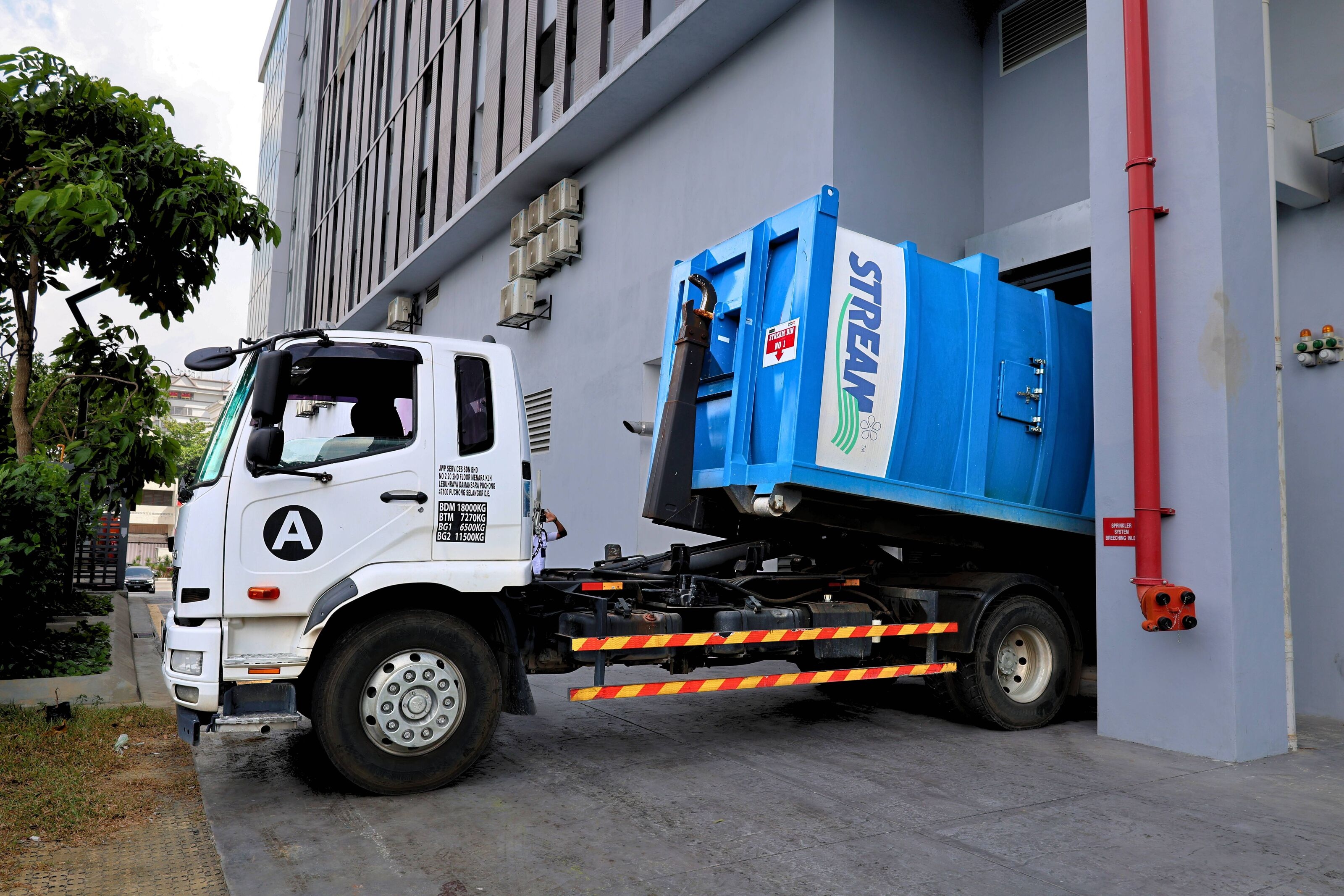
The Challenge: Conventional waste collection and transportation can result in leachate leakage and accidental spillages, particularly when waste containers are damaged, overloaded or improperly sealed. These incidents can contaminate roads and drains, generate unpleasant odours and pose environmental risks.
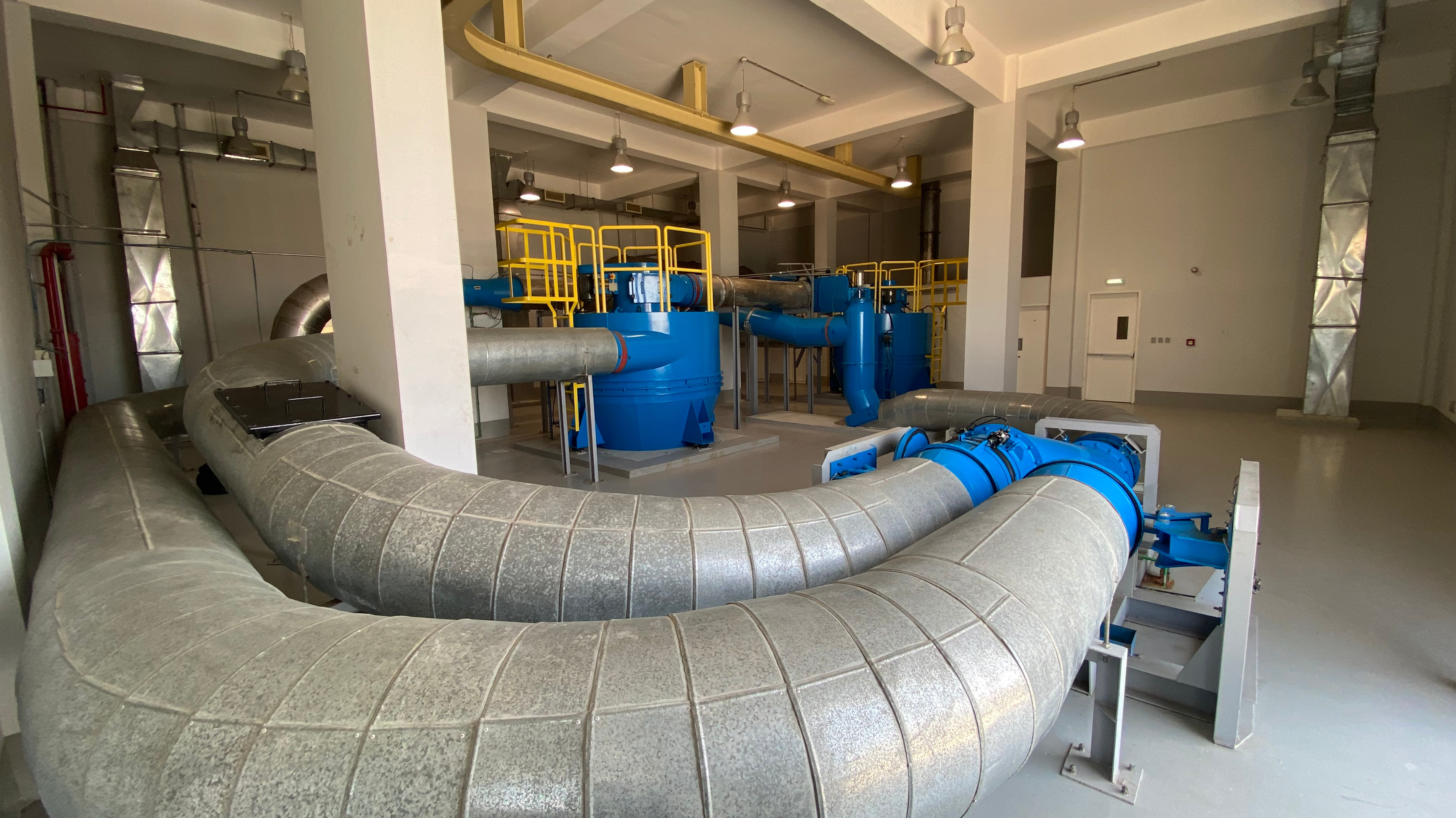
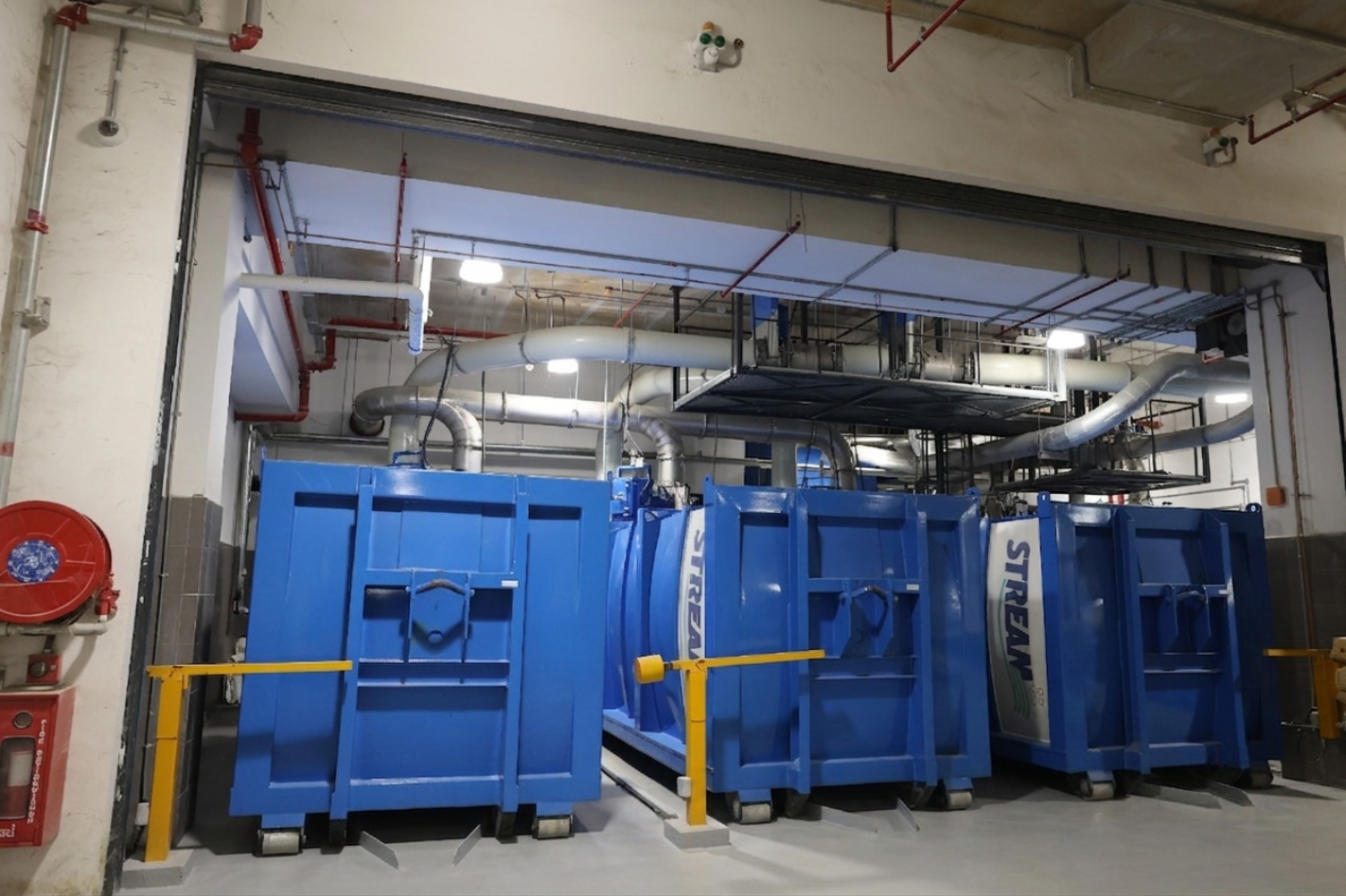
The Greener Impact: Automated waste collection systems, particularly enclosed pneumatic networks, transport waste through sealed pipes to a central collection station. This minimises direct exposure to the surrounding environment and helps reduce the risk of waste spillages, leachate leakage and associated odour problems.
Drastic Noise Pollution Mitigation
The Challenge: Early-morning or late-night trash collection is a major source of urban noise pollution. The roaring engines, hydraulic compactors, slamming metal bins, and backup alarms disrupt sleep quality and lower the overall quality of life for residents.
The Greener Impact: Reducing truck routes - or replacing them entirely with quiet subterranean waste networks - creates quieter, more peaceful neighborhoods. Lower noise pollution contributes directly to improved mental health, better sleep hygiene, and enhanced urban livability.


Safer Streets for Pedestrians and Cyclists
The Challenge: Waste trucks operate in high-density residential and commercial zones, frequently stopping in bike lanes, blocking blind spots, and reversing in tight alleys. Due to large blind spots and heavy weight, waste collection vehicles are disproportionately involved in severe traffic incidents involving pedestrians and cyclists.
The Greener Impact: Taking heavy waste vehicles off congested streets makes urban corridors far safer. Reduced truck traffic encourages active transportation like walking, cycling, and micro-mobility, supporting broader municipal goals for sustainable transit.
Elimination of Street-Level Traffic Congestion
The Challenge: Garbage trucks stopping every few meters to empty bins cause severe traffic bottlenecks, especially during peak morning hours. Idling commuter vehicles stuck behind waste trucks add unnecessary carbon emissions to the atmosphere.
The Greener Impact: Streamlining waste routes - or collecting waste at centralized off-site hubs outside the city core - keeps traffic flowing smoothly. Smooth traffic flow minimizes city-wide idling and cuts down on overall transit emissions.
Overcoming Waste Collection Access Challenges in Urban Area
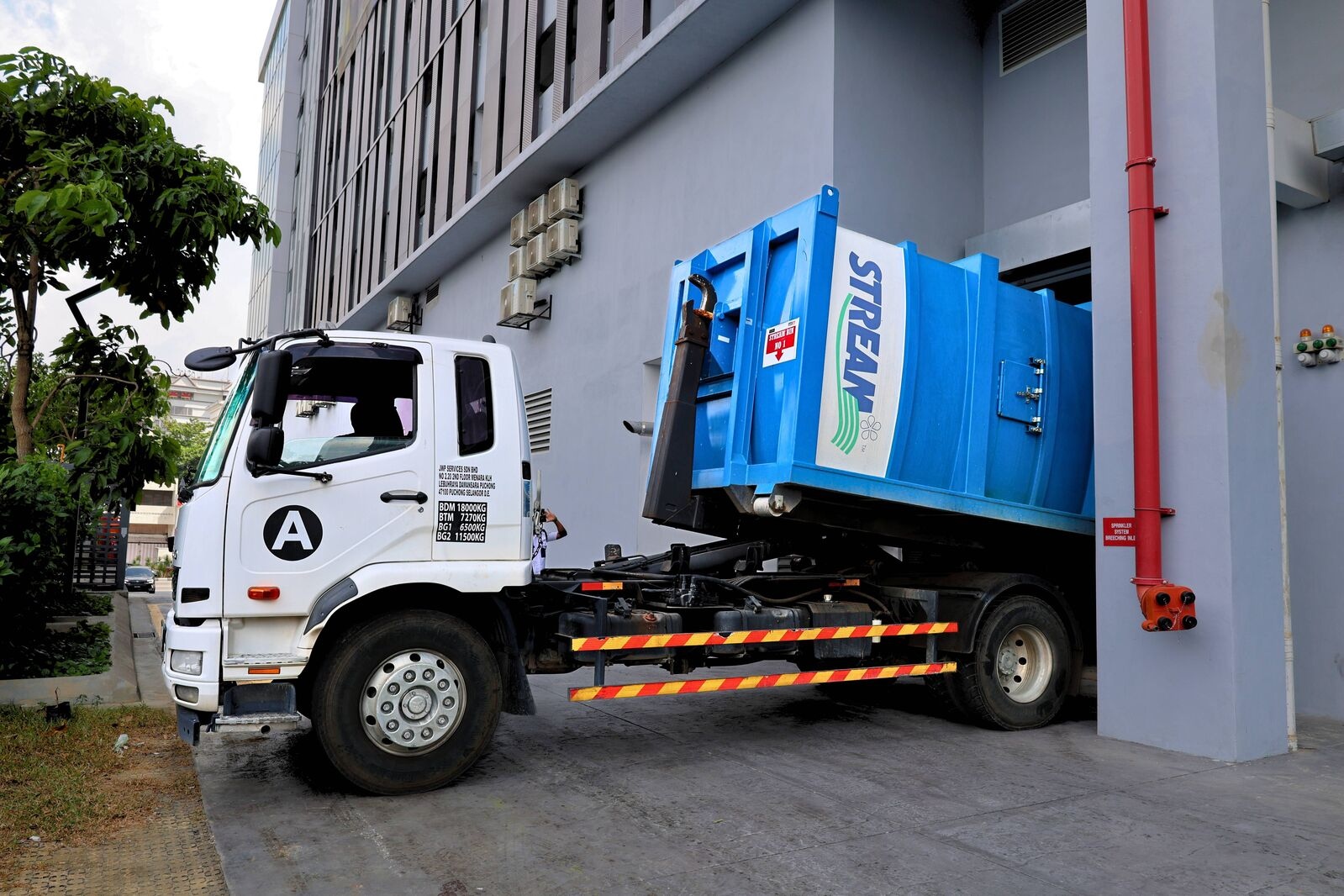
The Challenge: In densely populated urban areas, garbage trucks often face difficulties accessing waste storage areas due to limited space, narrow access roads, illegal parking, obstructions and urban planning constraints. These challenges can delay waste collection, disrupt traffic and make waste management more difficult, particularly in high-rise developments and congested city centres.
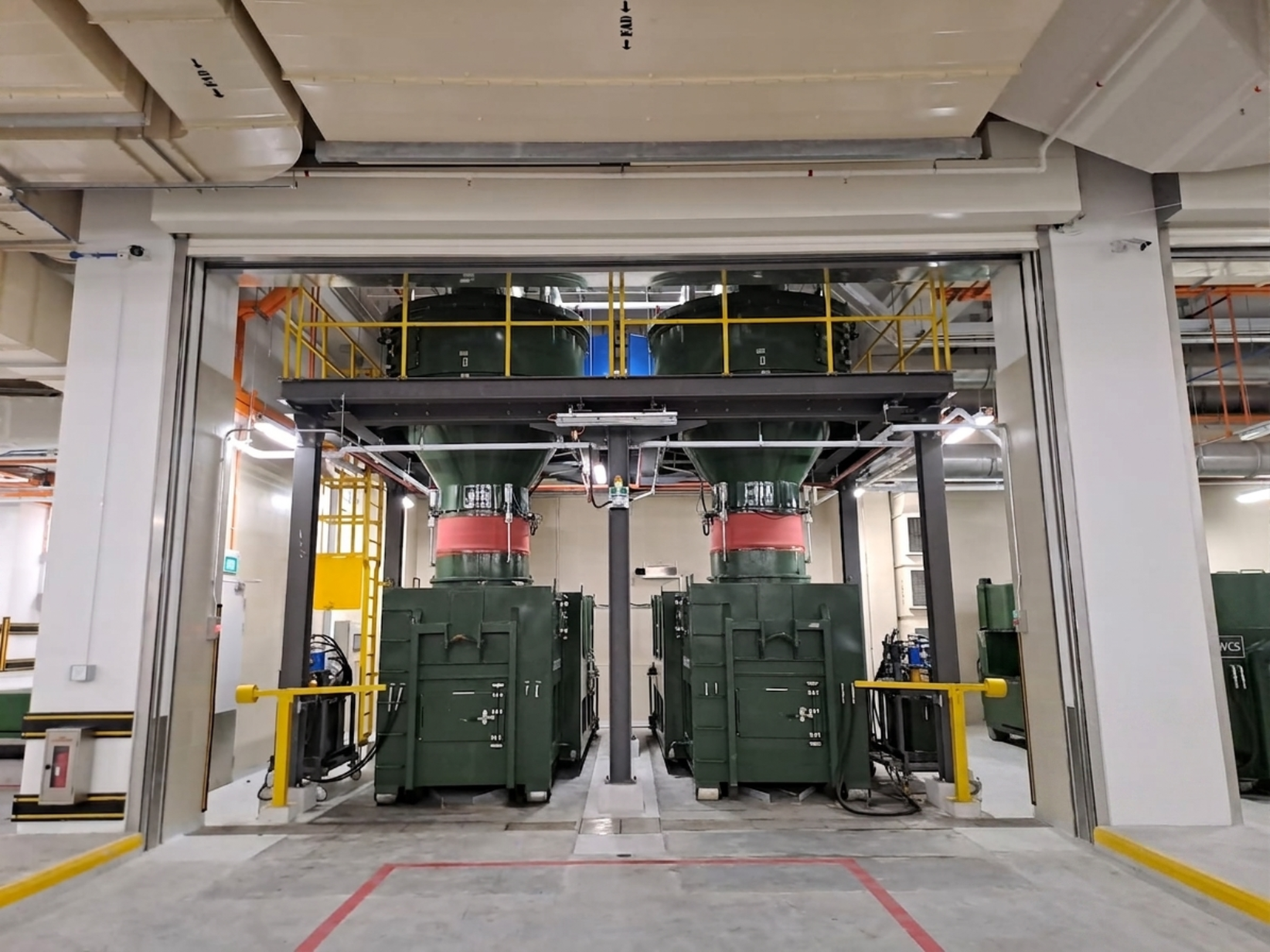
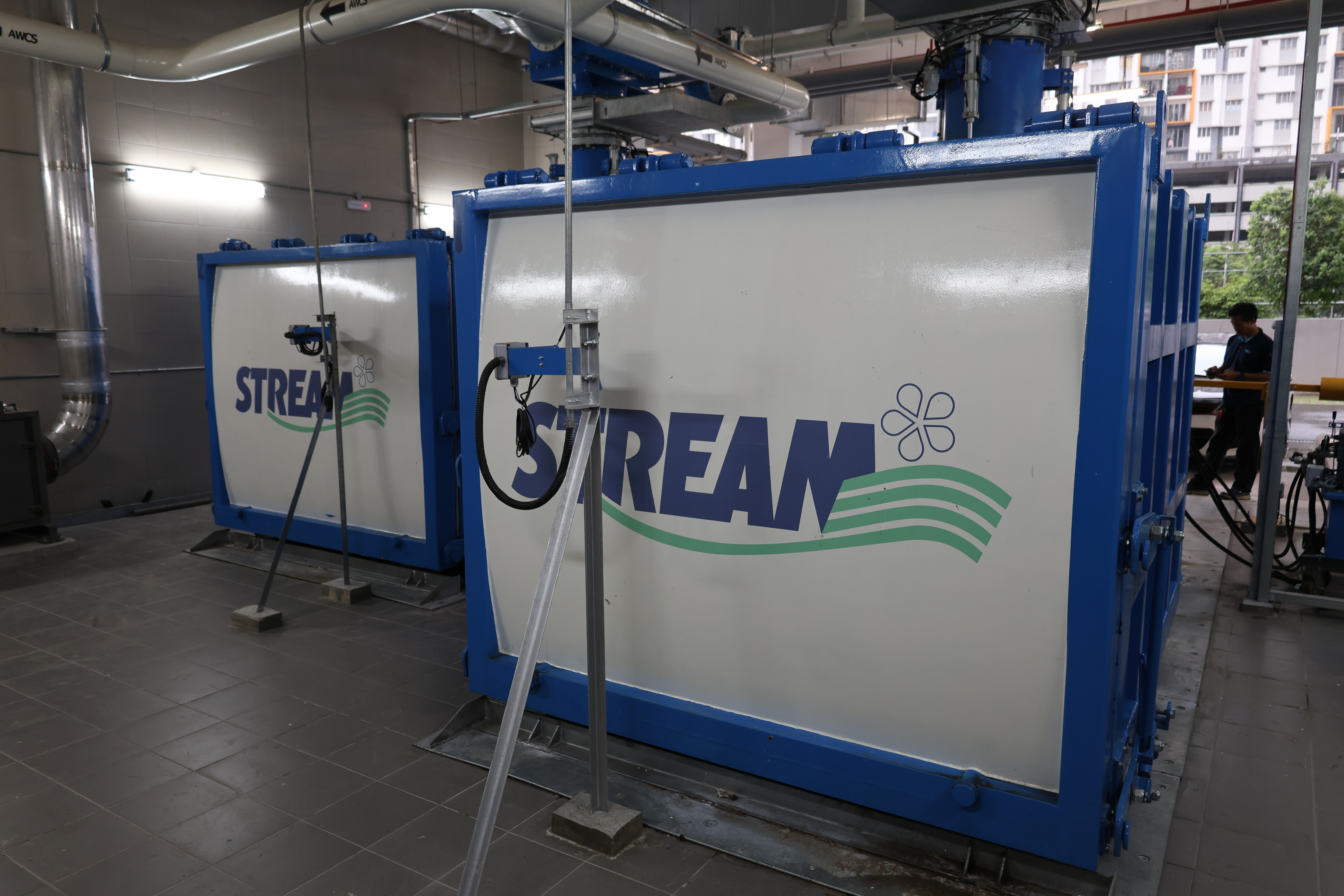
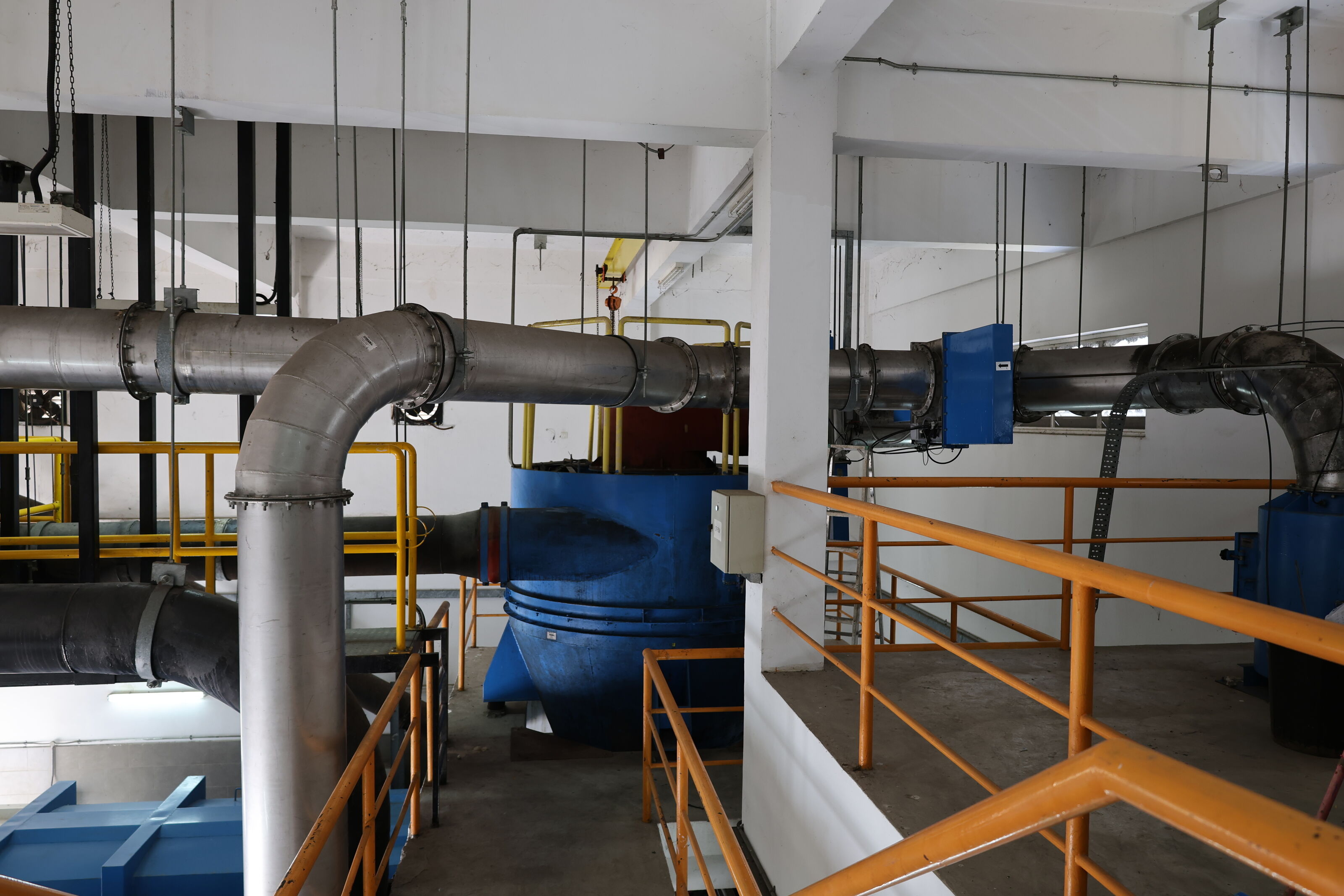
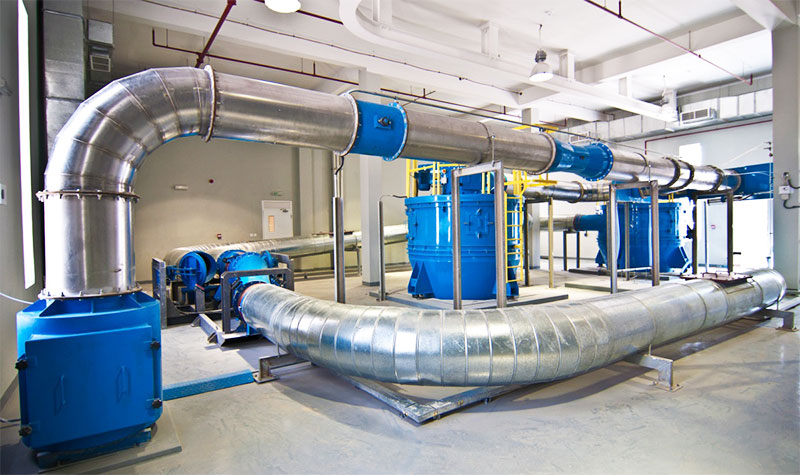
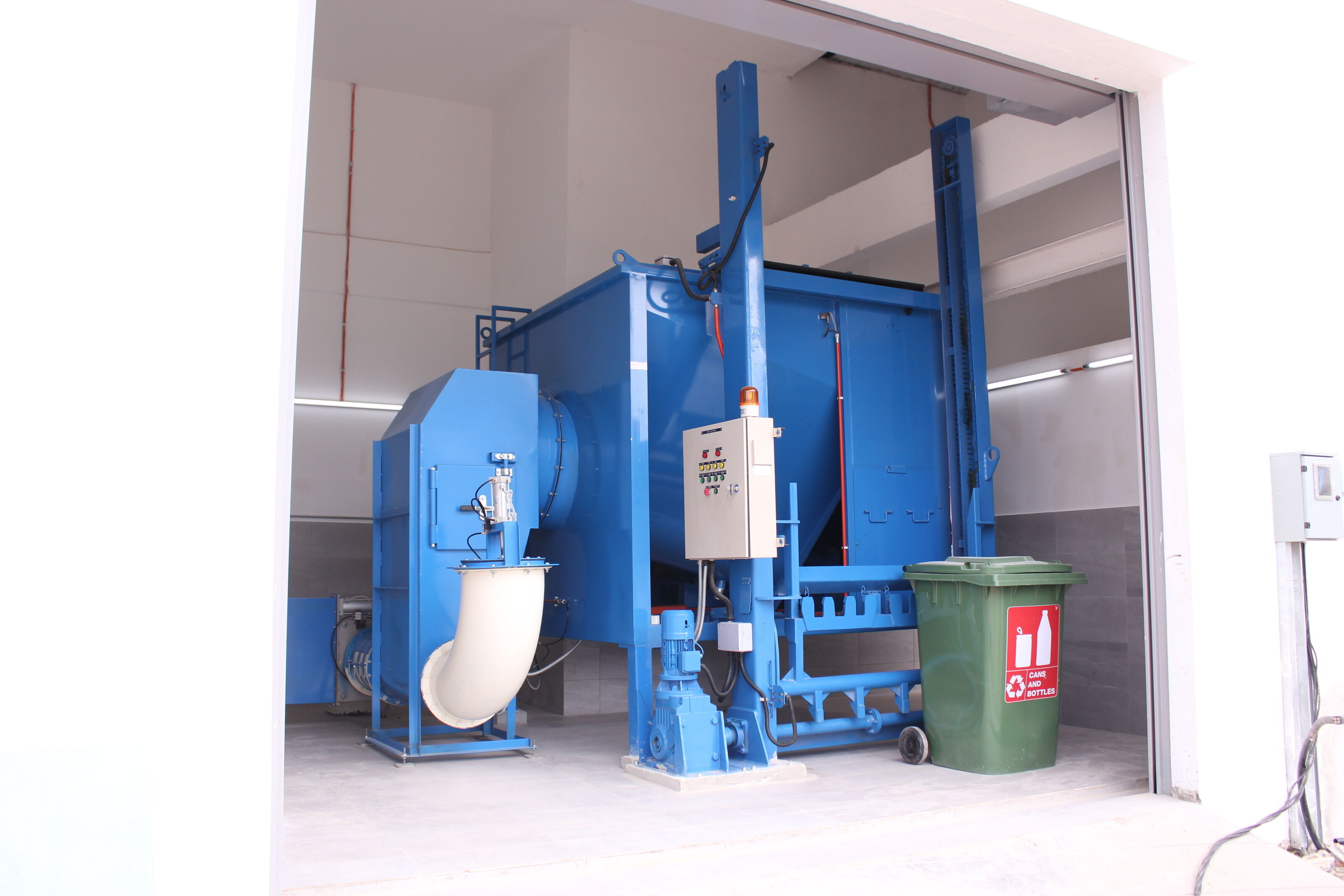
The Greener Impact: Automated waste collection systems, particularly pneumatic systems, transport waste through enclosed pipe networks to a central collection station. By reducing reliance on trucks accessing individual waste storage areas, these systems can help overcome site accessibility constraints, minimise collection-related traffic disruptions and improve waste management efficiency in densely developed urban environments.
The Path Forward: Sealed Pipelines & Smart Logistics
Cities around the globe are realizing that true urban sustainability requires rethinking how waste moves. Smart cities are adopting pneumatic waste systems (which suck waste through subterranean pipes directly to a central terminal) and IoT smart sensors (which ensure trucks only dispatch when bins are 100% full). By shifting from reactive truck routing to smart, automated infrastructure, modern municipalities can cut waste truck traffic by up to 80% to 90%, paving the way for cleaner, quieter, and greener cities.
Ready to Transform Your City's Waste Infrastructure?
Whether you are planning a smart city district, a high-density commercial hub, or a modern residential development, reducing waste truck dependency is the key to sustainable urban design. Contact us today to discover how automated waste collection solutions can make your next project cleaner, safer, and carbon-neutral!