
Transforming Waste Collection Through Automation
Pneumatic Waste Collection Systems (PWCS) transform traditional waste handling into a clean, automated utility. By replacing manual collection and heavy refuse trucks with an underground vacuum network, PWCS streamlines source-separated disposal, eliminates foul odour and pests, and creates safer, cleaner, and more sustainable urban environments.

The Mechanics of Pneumatic Waste Conveyance
Traditional waste handling relies on open bins, service lifts and diesel trucks. A Pneumatic Waste Collection System replaces the manual process with a fully enclosed, automated utility network that operates similarly to an underground vacuum sewer.
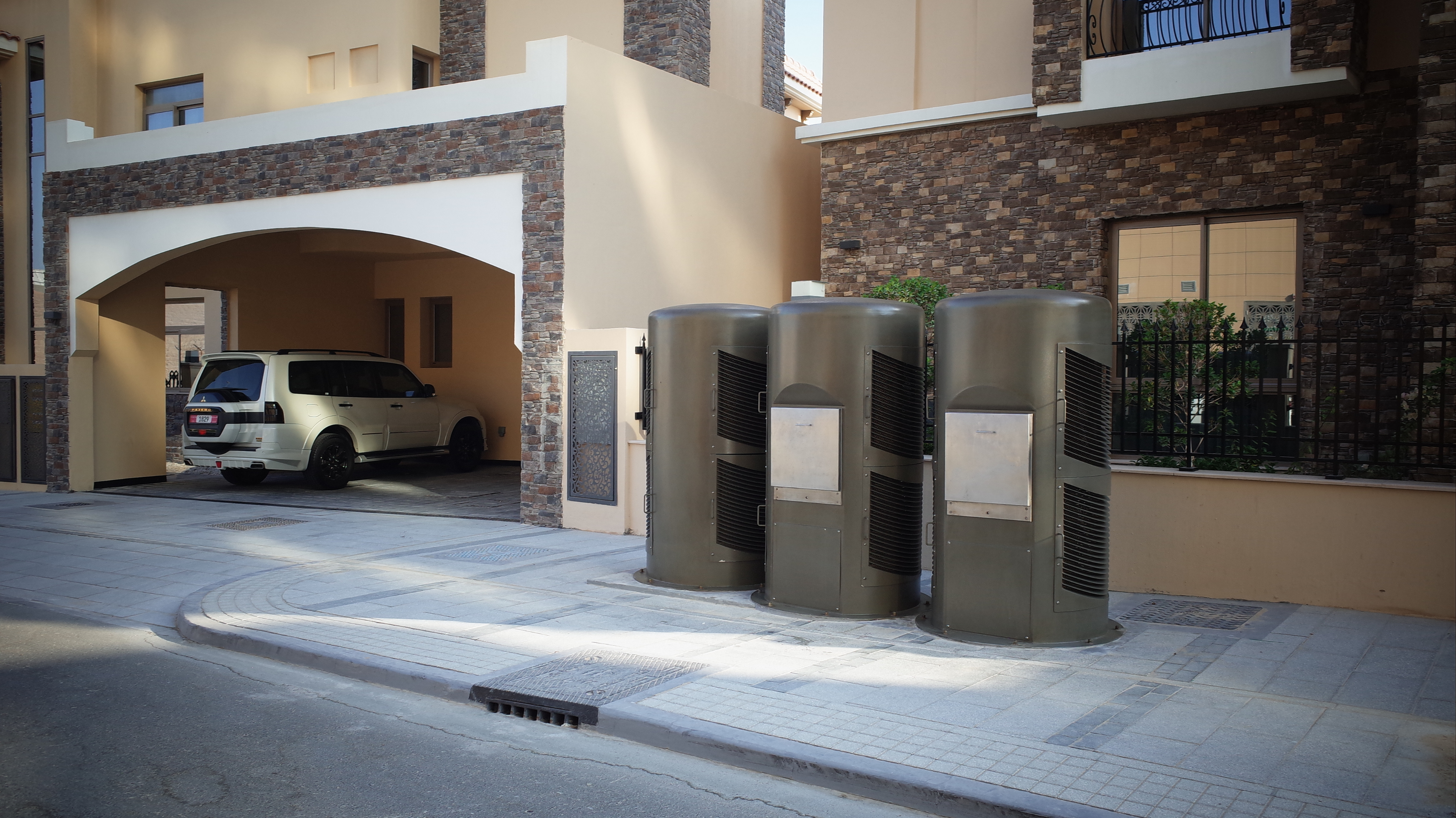
Source-Separated Disposal: Residents or cleaners deposit bagged waste directly into indoor or outdoor inlets (load stations). Systems can feature multiple dedicated inlets for different waste streams, such as general waste and recyclables, encouraging source segregation at the point of disposal.
Sealed Temporary Holding: Below each inlet, waste drops down a vertical chute and rests temporarily above an automated discharge valve. The waste remains safely sealed inside the vertical drop chute, preventing smells, dust, or pets from escaping into common areas.
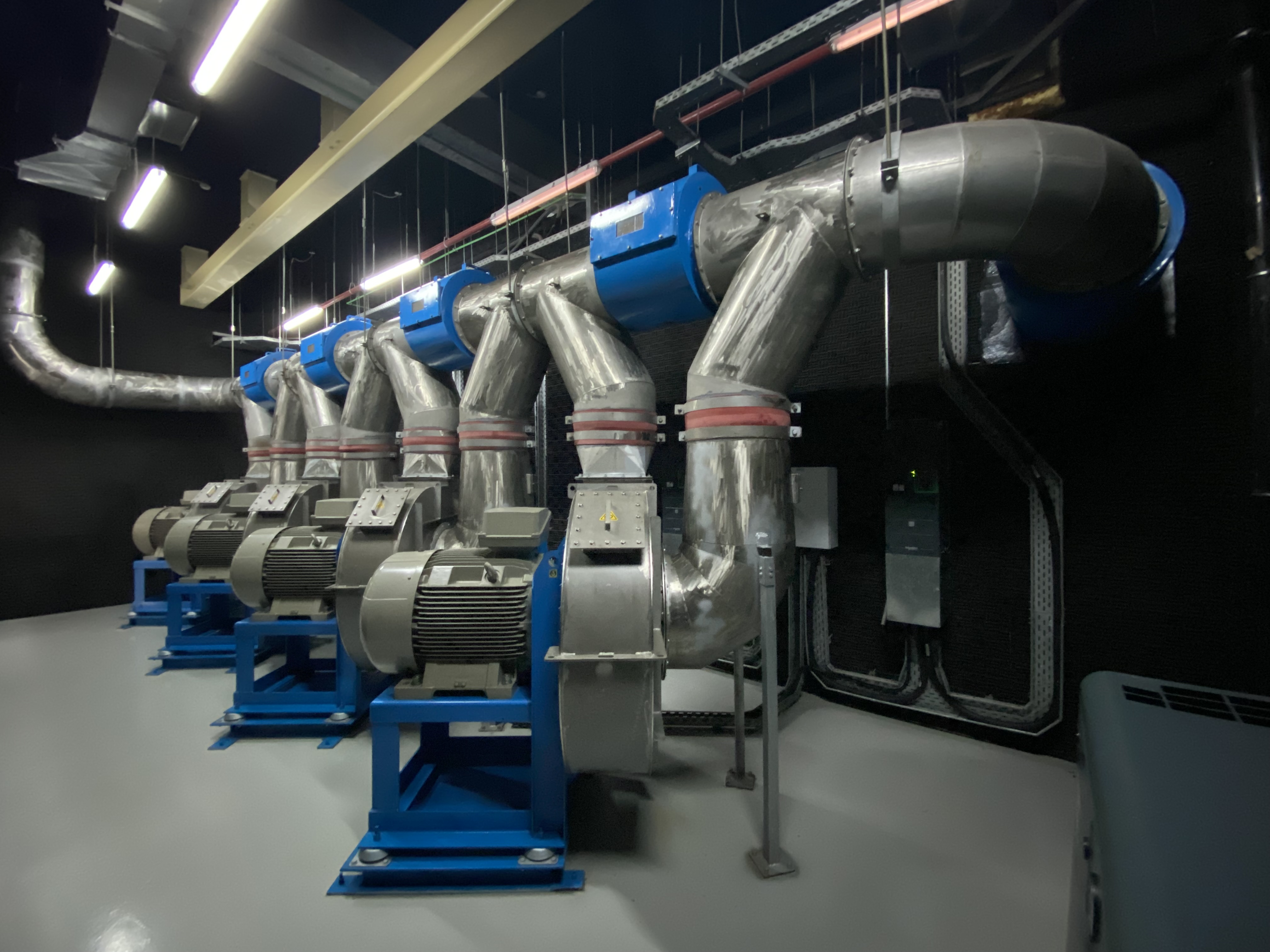
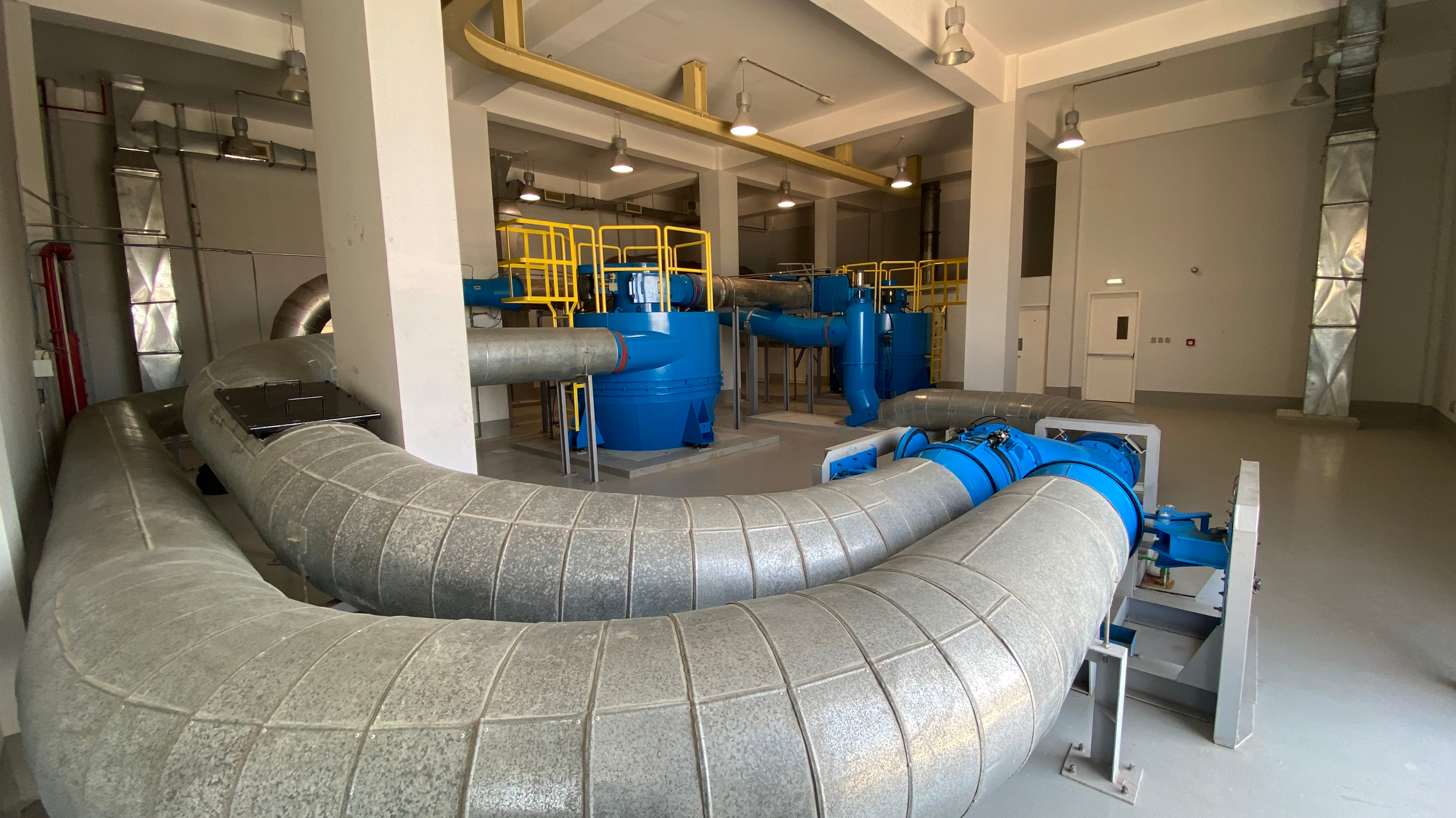
High-Speed Pneumatic Transport: At scheduled intervals or when sensors detect a full chute, industrial vacuum exhausters at the Central Waste Handling Facility (CWHF) activate. The discharge valve opens, introducing air behind the waste and pulling it through an underground network of heavy-duty steel pipes at speed ranging between 60 km/h and 75 km/h.
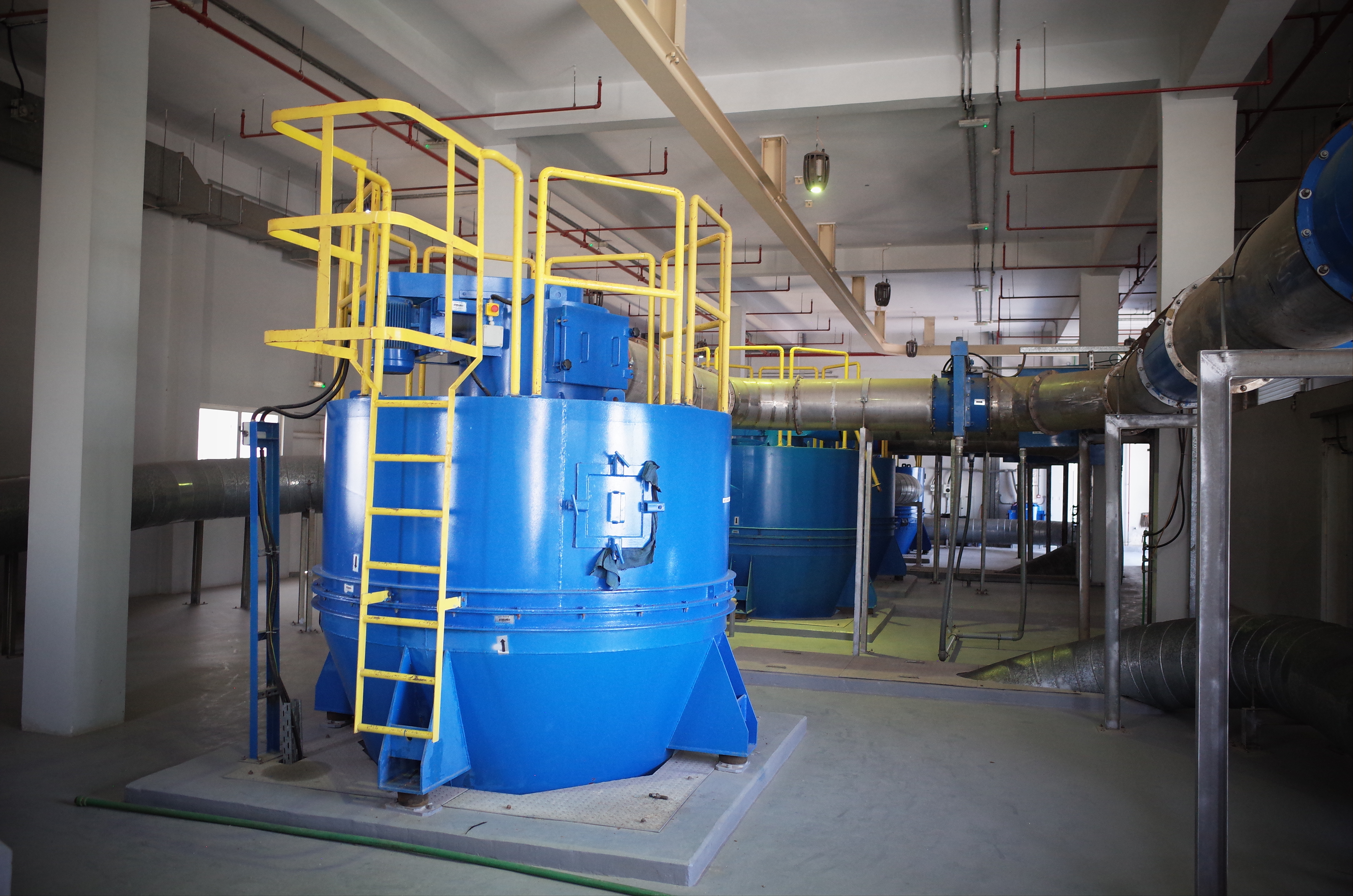
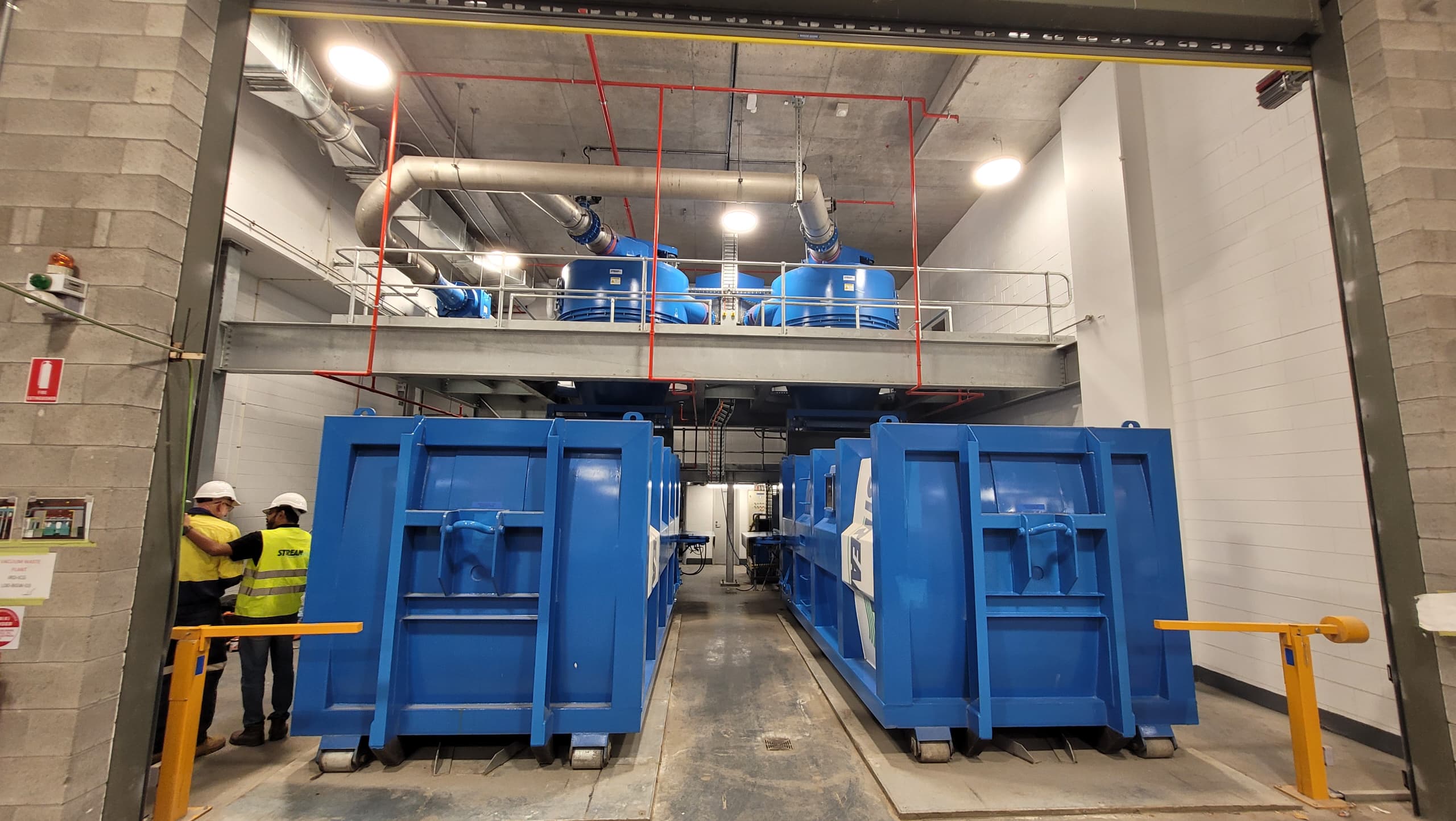
Collection, Separation and Filtration: Upon arriving at the CWHF, the waste passes through a cyclone separator that drops the waste into sealed container or compactors. The air used during conveyance passes through multi-stage bio-filters and activated carbon filters, ensuring that only clean, odourless air is released back into the atmosphere.
Key Advantages Over Conventional Waste Handling

100% Sealed & Hygienic Environment
Eliminates exposed trash bins, foul smells, and leachate leaks across corridors, podiums, and loading bays.
Elimination of Refuse Trucks in Living Zones
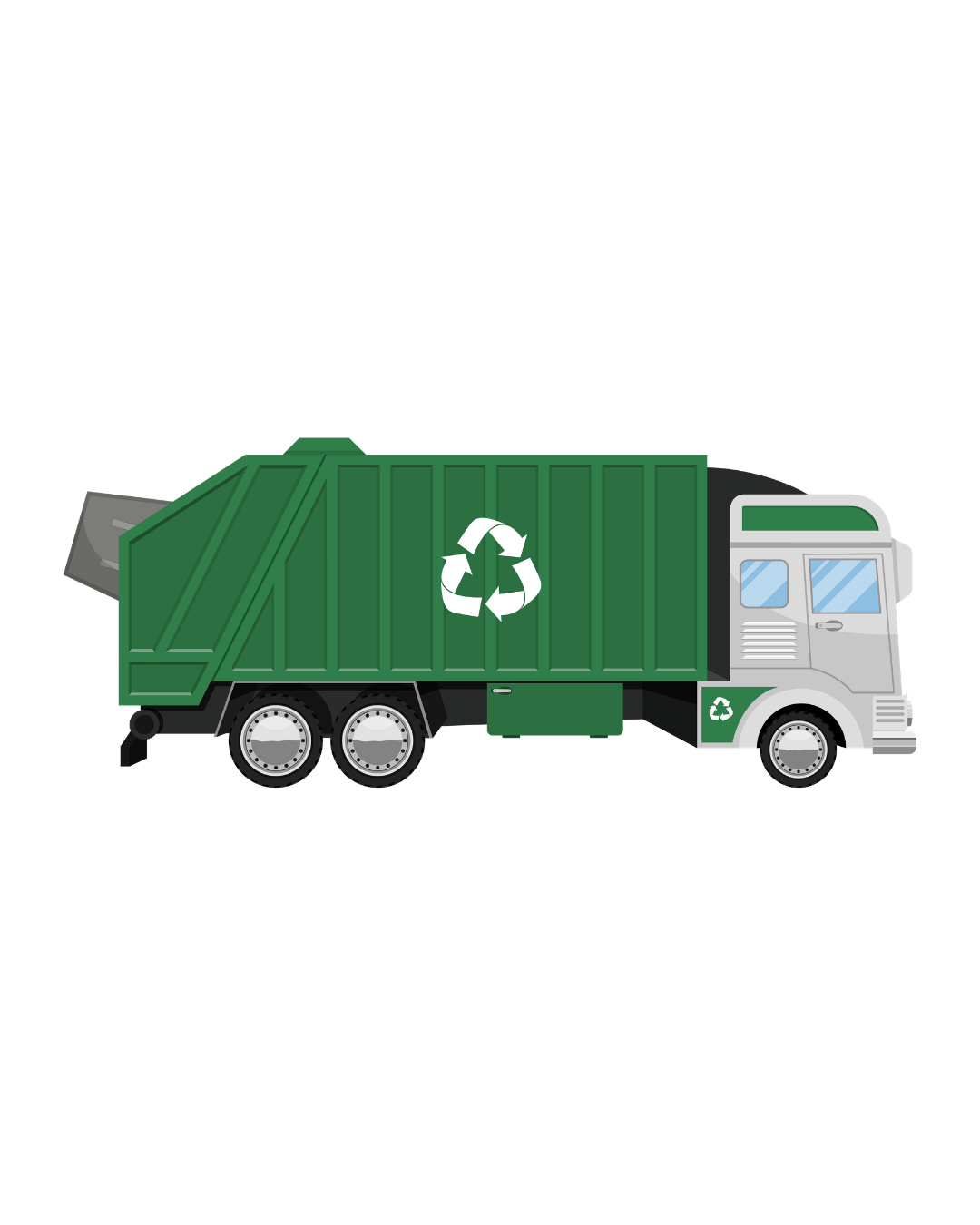
Removes heavy rubbish trucks from internal residential roads, significantly improving pedestrain safety and lowering local carbon emissions.

Operational Efficiency & Labour Optimisation
Operates automatically 24/7, reducing manual haulage costs and cutting service lift wear and tear by avoiding trolley transport.

Space Reclaimation
Replaces bulky surface bin centres and refuse holding rooms with compact disposal inlets, freeing up high-value real estate for commercial, green, or parking spaces.

Optimised Energy Use
Automated, demand-based operation helps optimise energy consumption while maintaining efficient and reliable waste collection.
Featured STREAM PWCS Implementations
STREAM has designed, manufactured and installed proprietary Pneumatic Waste Collection System across premiere globally:
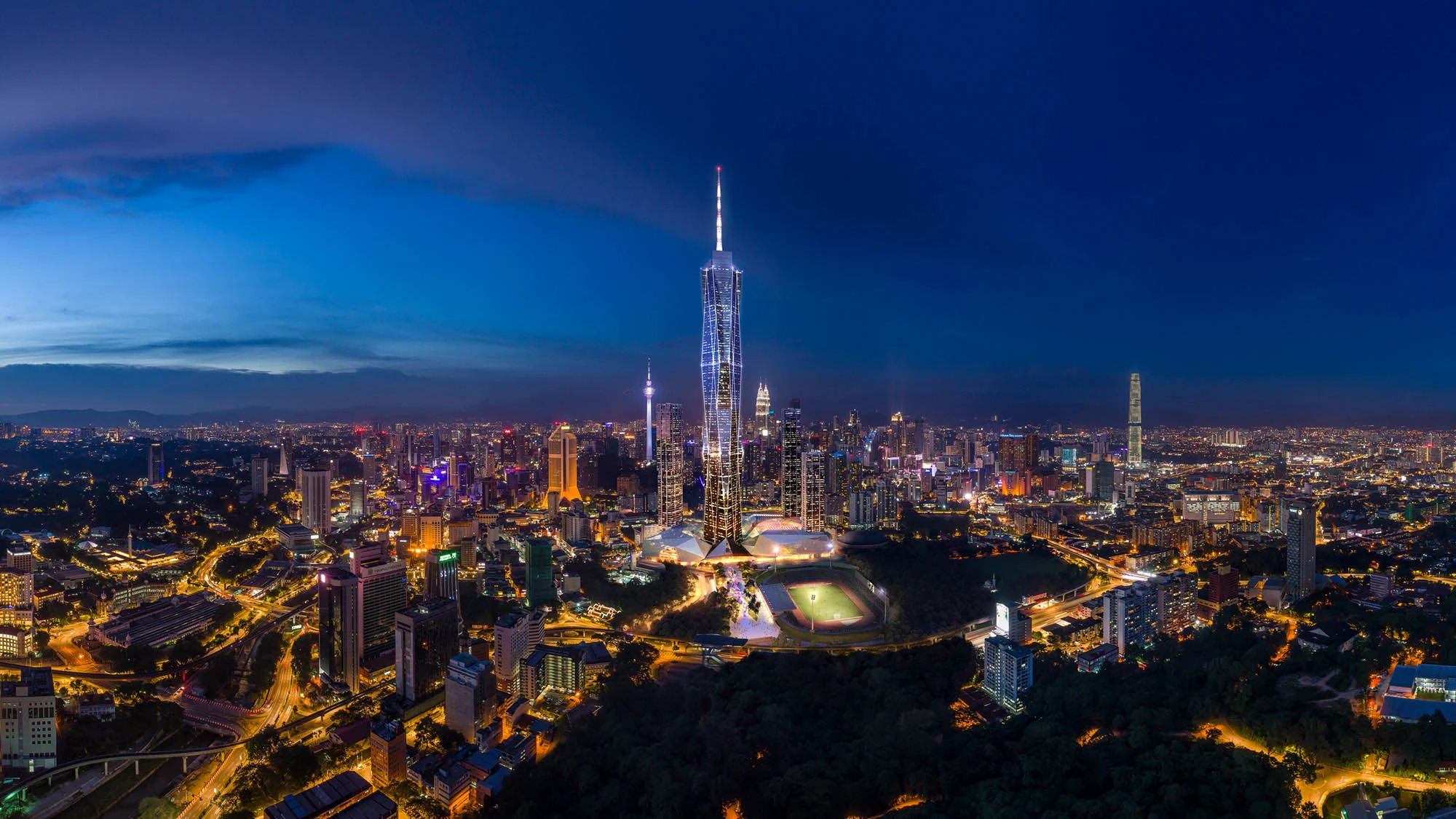
Menara Maybank Merdeka, Kuala Lumpur: Engineered high-capacity vertical pneumatic conveying within Malaysia's tallest skyscraper to handle multi-level waste drops effortlessly.
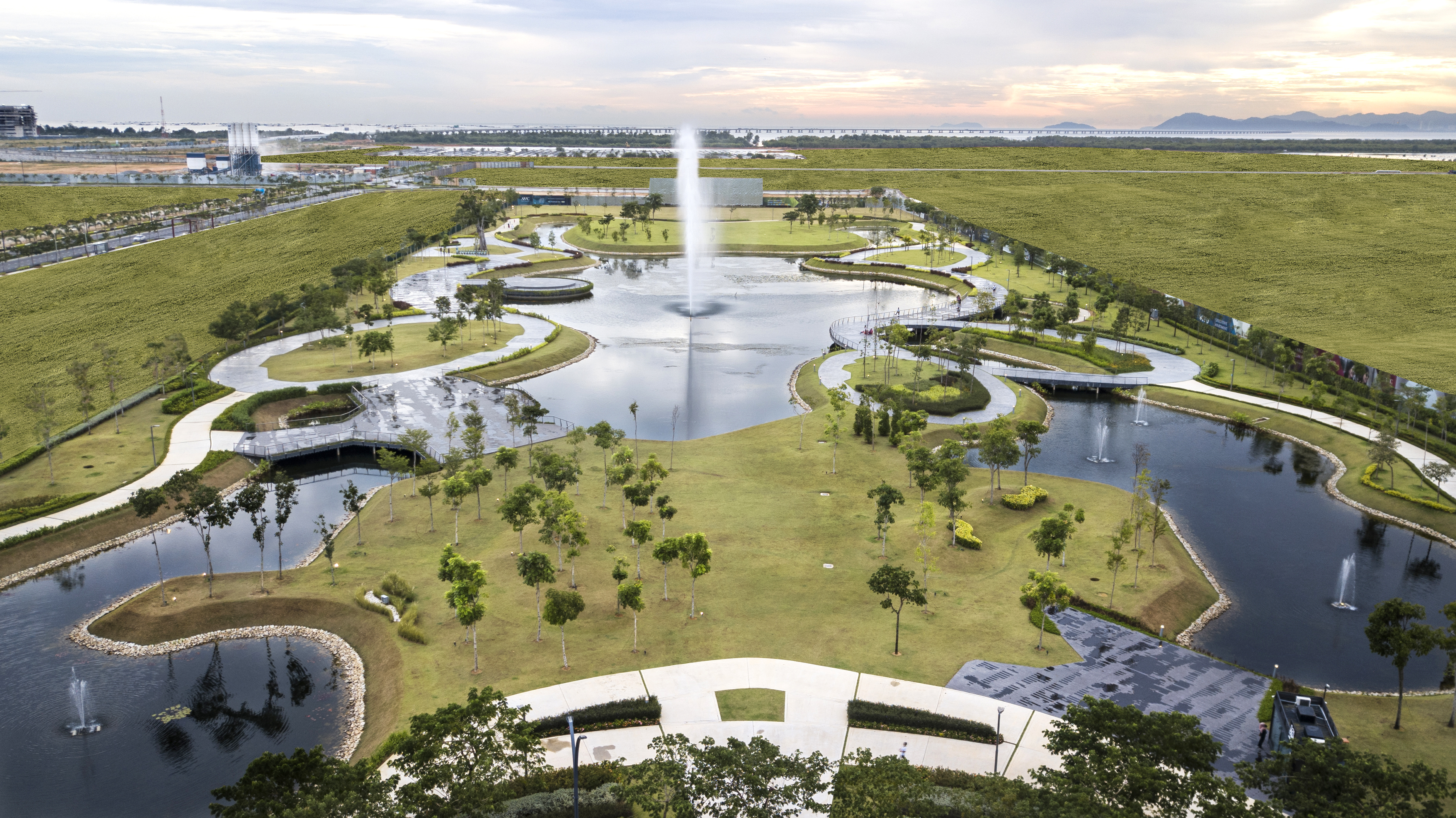
Aspen Vision City (Batu Kawan), Pulau Pinang: Deployed a district-wide automated waste collection system across a 245-acre master plan, eliminating surface refuse collection across high-density precints.
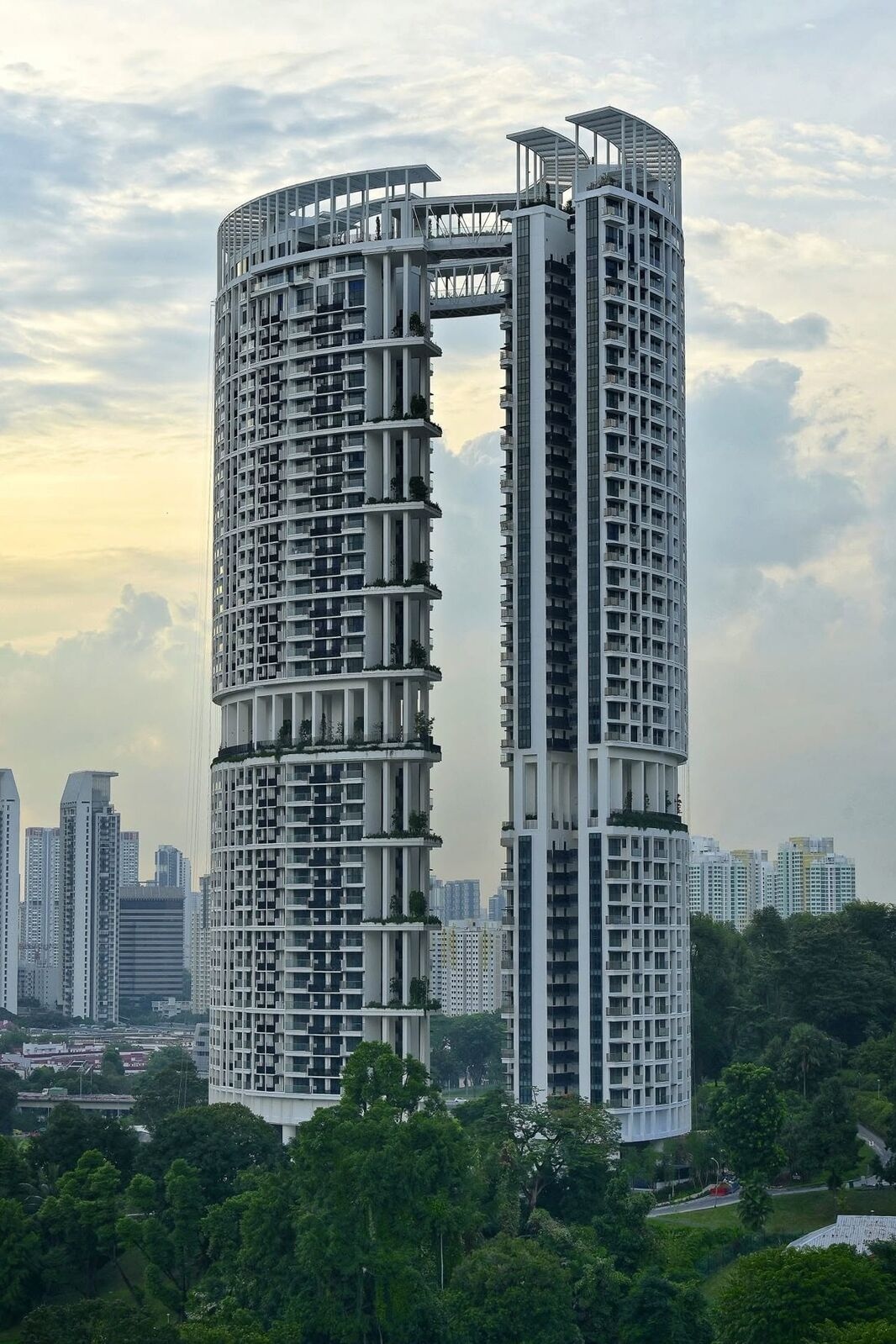
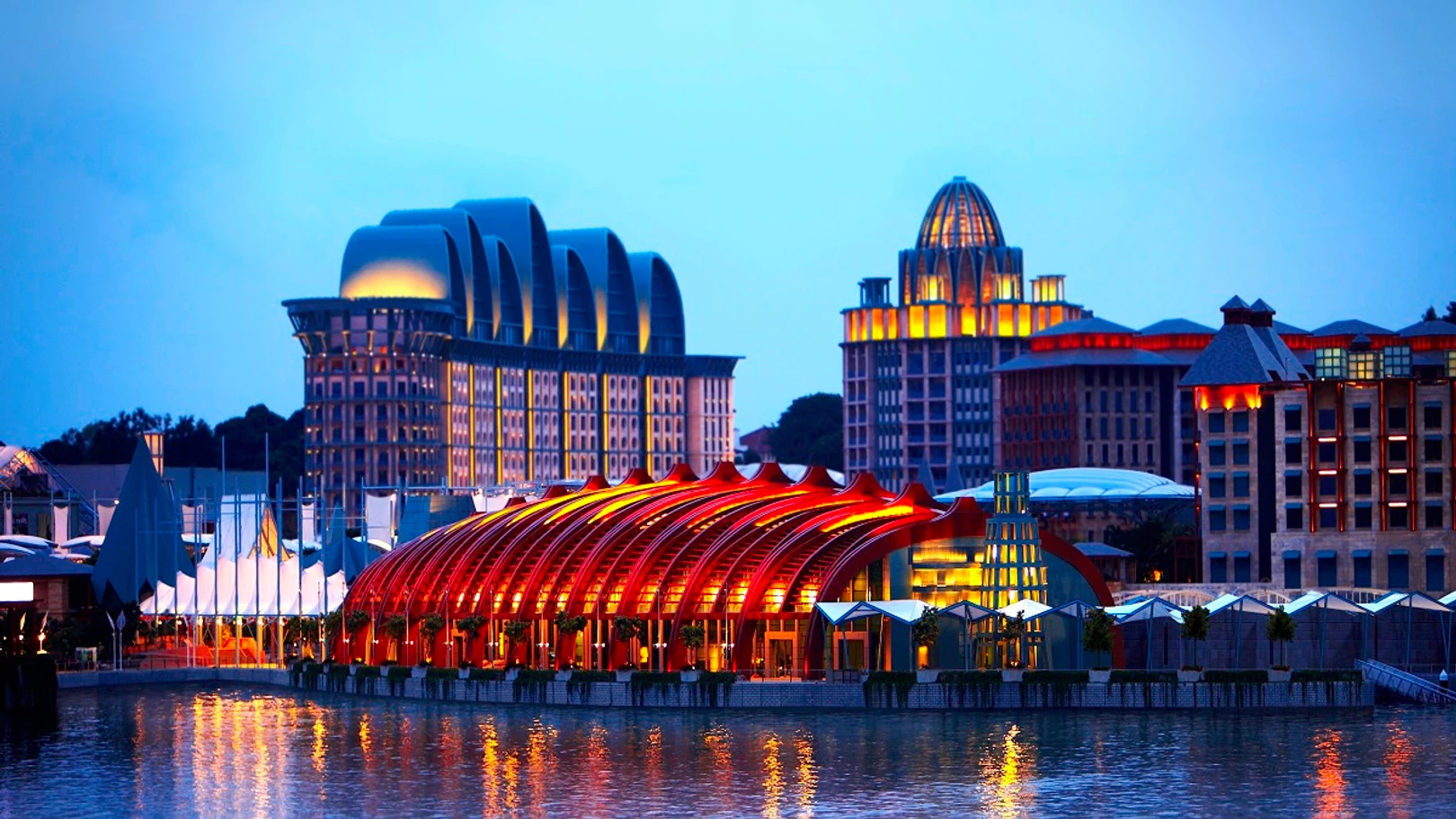
Singapore's Major Development & Infrastructure: STREAM's Singapore portfolio includes PWCS installations across Changi Airport, Resort Worlds Sentosa, HDB Developments and major property developments by established developers including City Developments Limited (CDL) and Hong Leong.
Future-Proof Your Waste Infrastructure with STREAM
Planninga high-rirse, commercial hub, or township development? Contact STREAM engineering team today to learn how our proprietary Pneumatic Waste Collection System can be integrated seamlessly into your master plan.