
Pertubuhan Akitek Malaysia
The Pertubuhan Akitek Malaysia (PAM) advocates for sustainable waste design by encouraging architects and master planners to integrate clean, space-efficient infrastructure early in the design phase. By replacing traditional, space-heavy refuse storage with automated subterranean systems, architects can elevate building aesthetics, improve public hygiene, and meet modern green building certification standards seamlessly.

The Architectural Challenge of Traditional Refuse Design
For architects, integrating conventional refuse management into high-density building schemes presents significant aesthetic, spatial, and functional constraints:
Loss of Prime Gross Floor Area (GFA): Bulky ground-floor refuse holding rooms, service yards, and waste chutes consume valuable floor space that could otherwise be allocated to commercial leasing, residential units, or public amenities.
Compromised Building Aesthetics: Exposed loading bays, surface rubbish bins, and waste collection vehicles disrupt clean architectural facades, pedestrian corridors, and landscaping.
Building Envelope & Corridor Hygiene Issues: Open refuse doors and traditional chutes frequently allow offensive odours, dust, and pest vectors to leak into residential lobbies and public hallways.
Challenges in Refuse Room & Bin Centre Placement: Locating refuse rooms and refuse bin centres is often a challenge for developers and architects. These facilities need to be strategically positioned while maintaining convenient access for waste collection and minimising their impact on surrounding spaces. Units located adjacent to refuse facilities may also be less attractive to prospective buyers or tenants
Advancing PAM Design Standards with STREAM AWCS
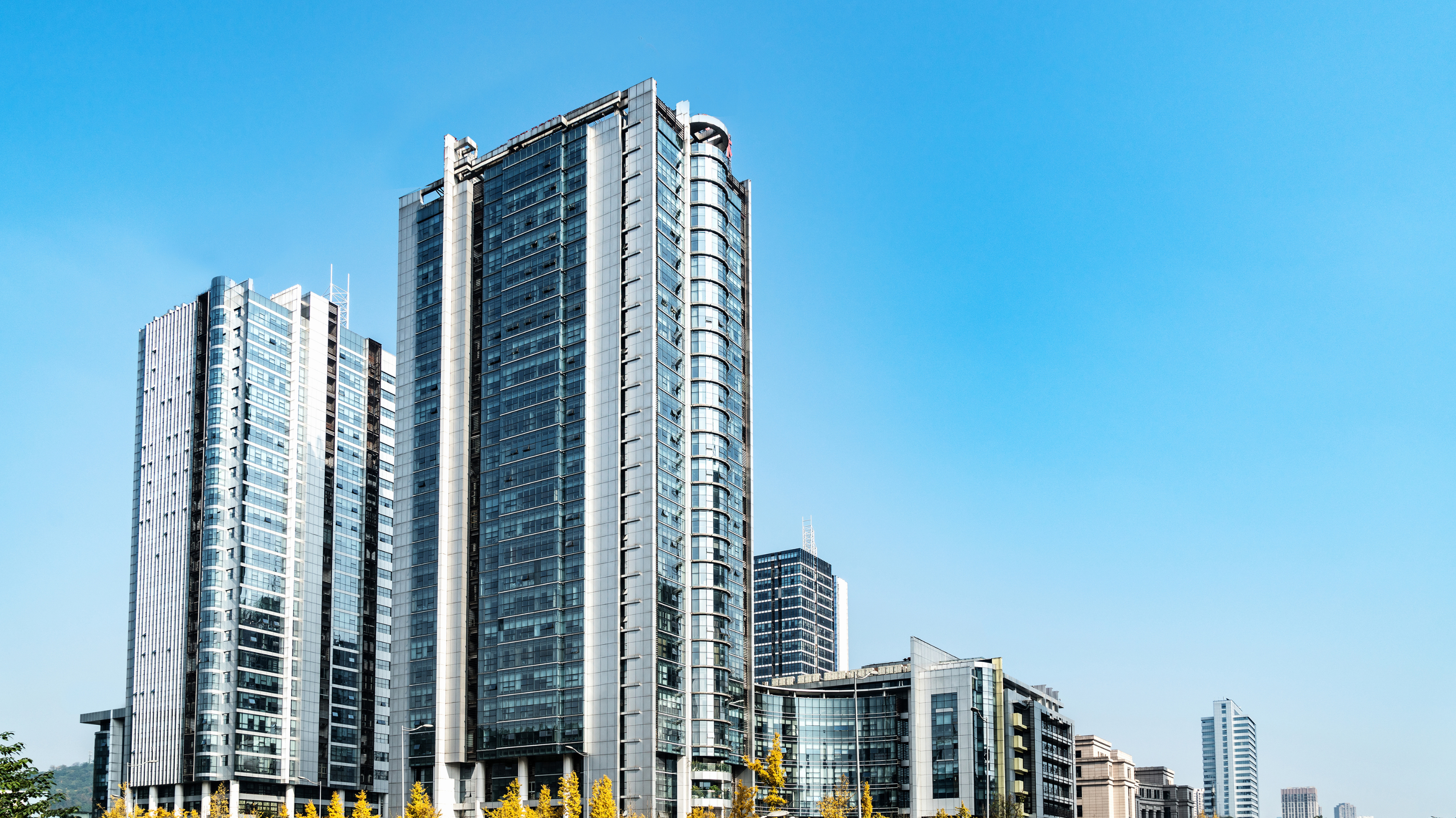
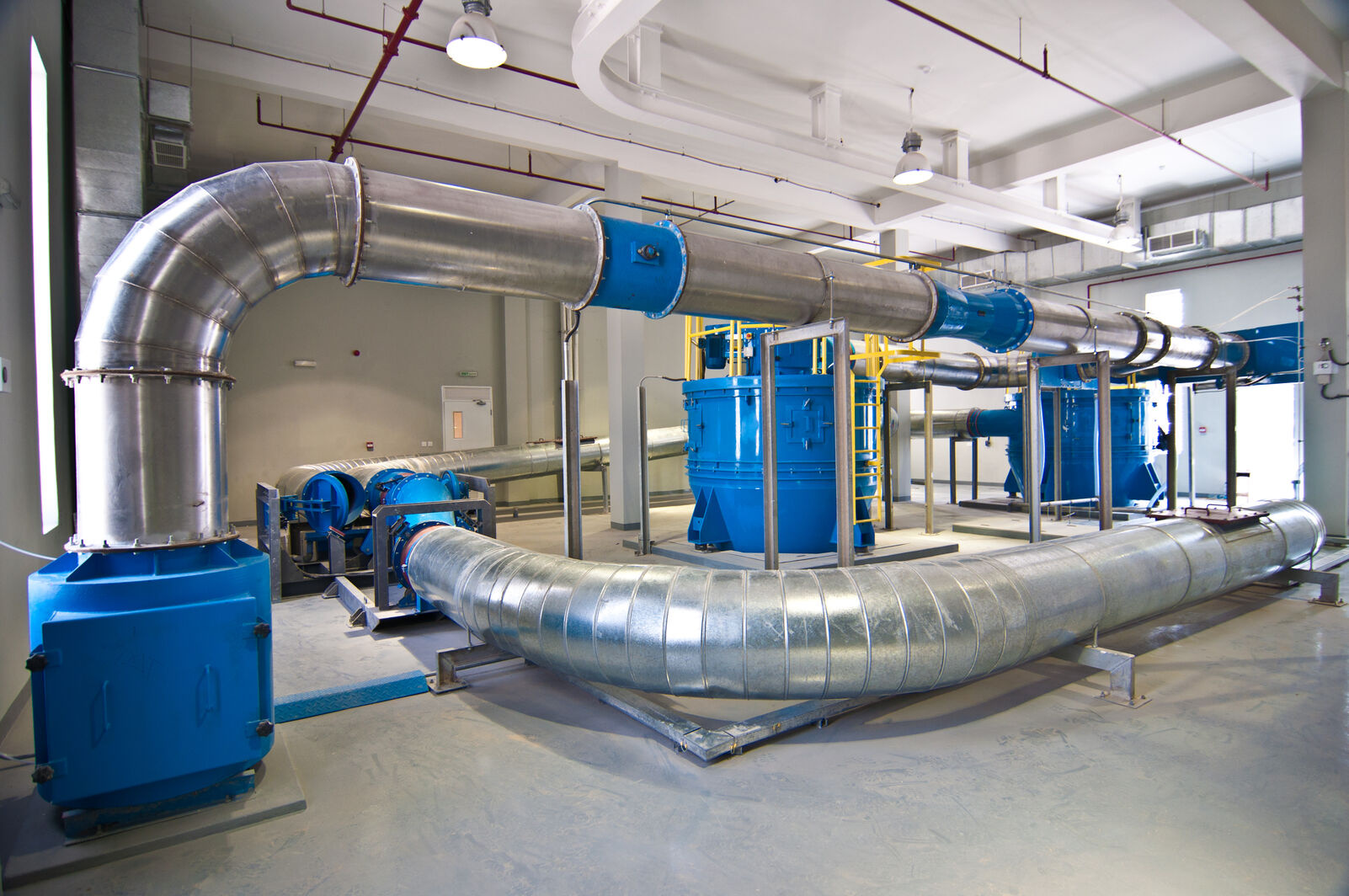
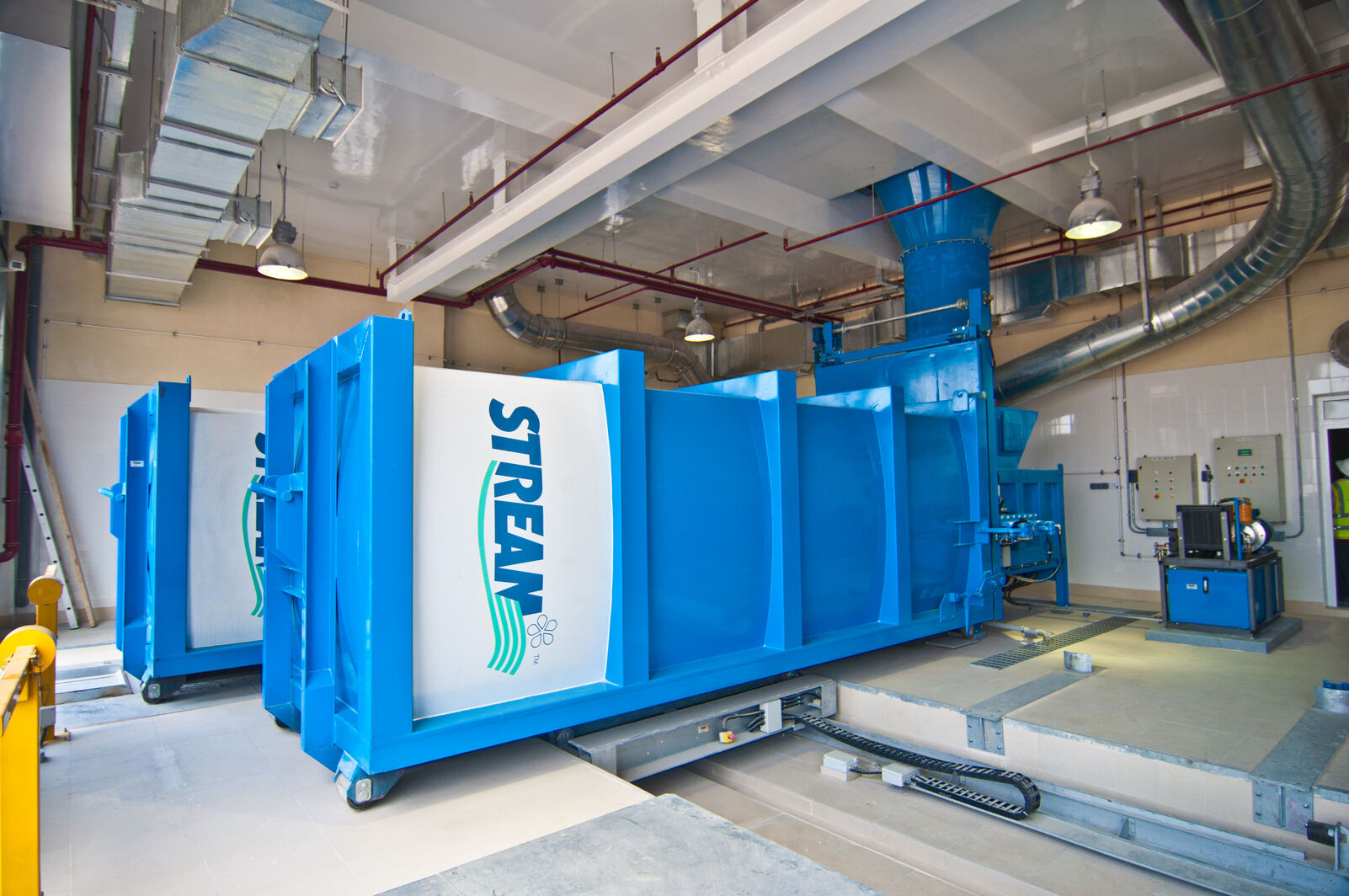
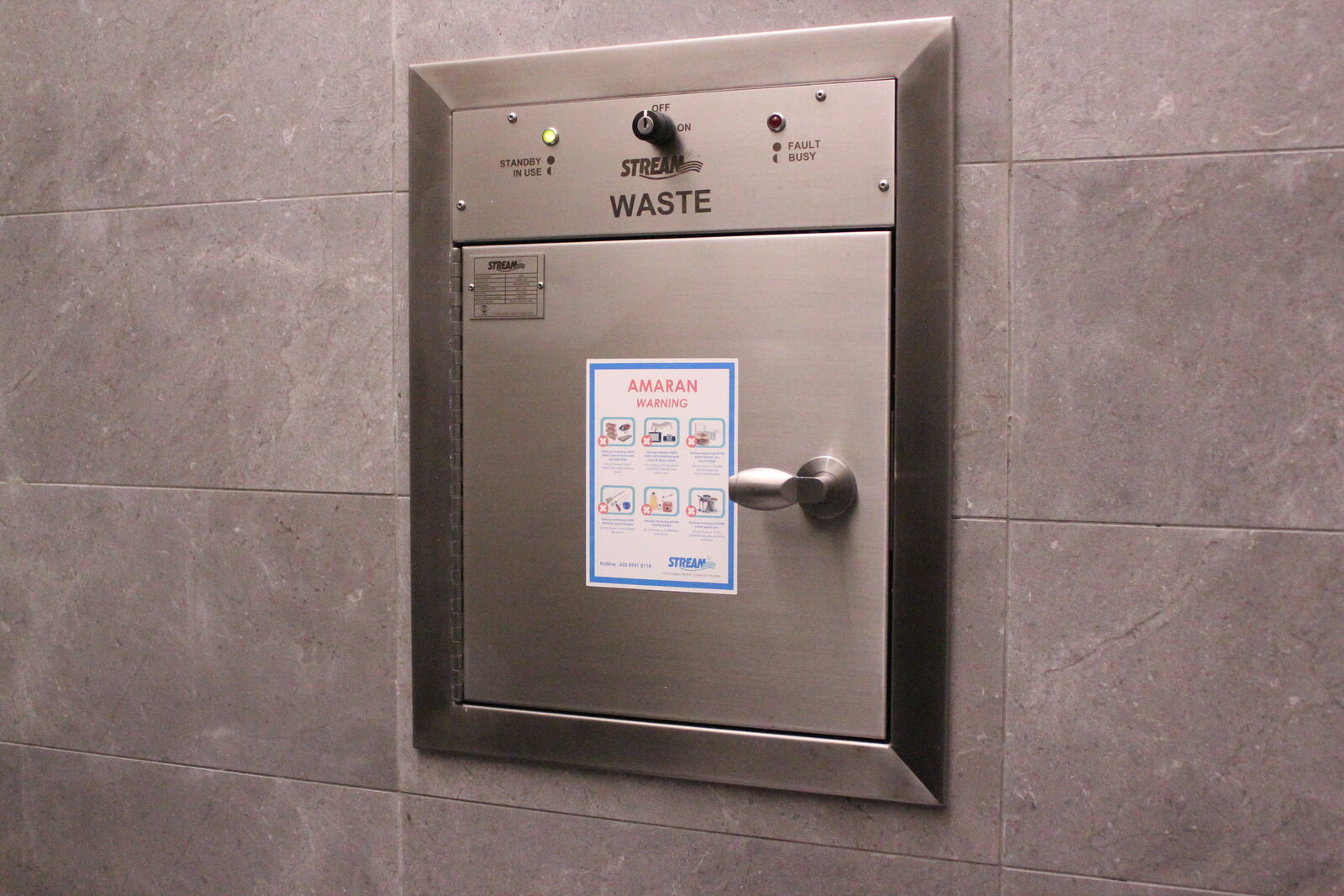
The STREAM Automated Waste Collection System (AWCS) aligns directly with PAM's vision for sustainable placemaking by transforming waste collection into an invisible, underground utility network.
Key Architectural Integration Points
Optimised Utility Core & Riser Design: Incorporating vertical discharge risers and horizontal pneumatic pipes during early schematic design prevents structural clashes with primary beams, columns, and MEP ducting.
Reclaiming Valuable Footprint: Replaces sprawling central bin centres on podium and ground levels with compact, wall-mounted or freestanding load stations, freeing up high-value real estate.
Seamless Facade & Compartmentation Integration: AWCS disposal inlets are engineered to blend with interior finishes or external cladding while maintaining full compliance with strict Fire Compartmentation Standards.
Elevating Sustainability & Green Building Credentials

Supporting Green Building Certifications
Integrating automated waste collection systems can contribute to sustainability objectives assessed under green building rating tools such as Green Building Index (GBI), GreenRE, and BCA Green Mark in Singapore. These frameworks consider areas such as resource efficiency, indoor environmental quality, site planning, and environmental performance. In Malaysia, an increasing number of developers are adopting green building tools, including GreenRE, to support sustainability targets across their developments.

Pedestrian-Centric Urban Realms
Eliminating heavy waste trucks from internal roads allows architects to design safer, quieter, and greener urban streetscapes.

Future-Proof Multi-Stream Sorting
Customisable multi-inlet configurations enable effortless source segregation for recycling, supporting zero-waste goals in modern developments.
Featured STREAM Architectural Achivements
STREAM works alongside leading architectural and development teams to integrate Automated Waste Collection Systems (AWCS) into major developments, supporting efficient waste infrastructure while complementing architectural planning and sustainability objectives:
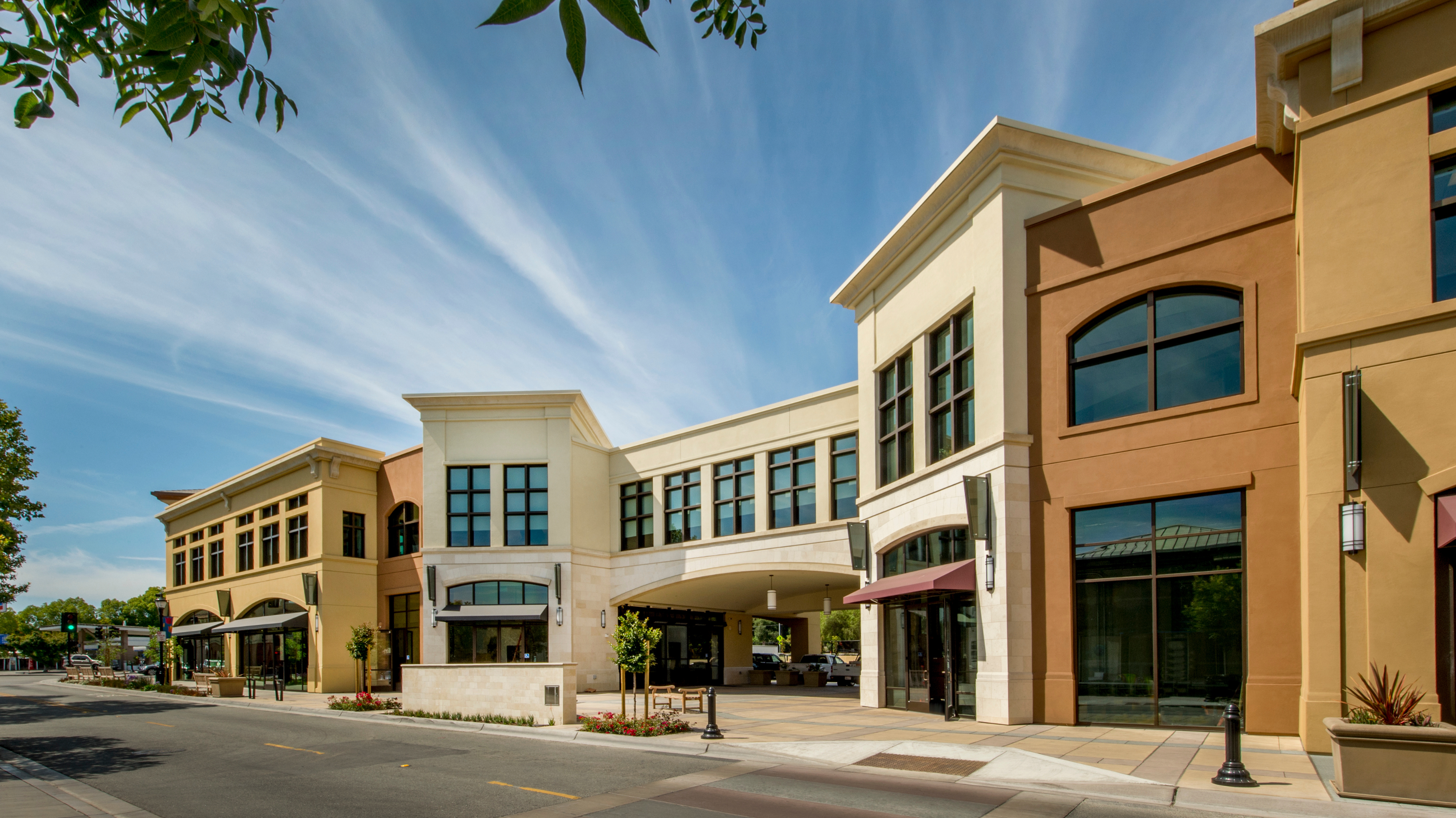
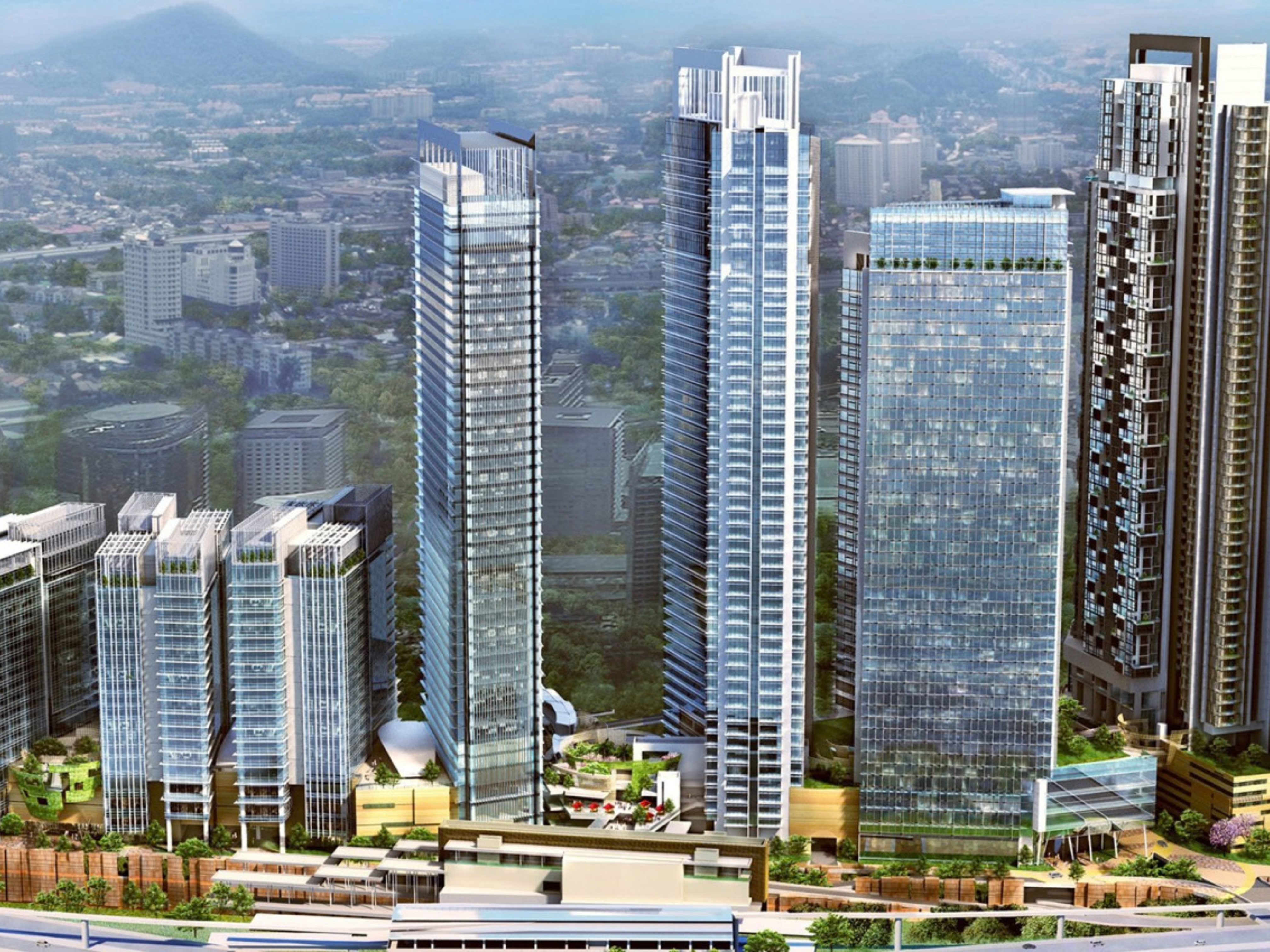
KL Eco City (KLEC), Kuala Lumpur: Integrated AWCS infrastructure across the wider KL Eco City development, incorporating automated waste collection within the master-planned urban environment to support efficient waste handling while maintaining a clean and well-organised development layout.
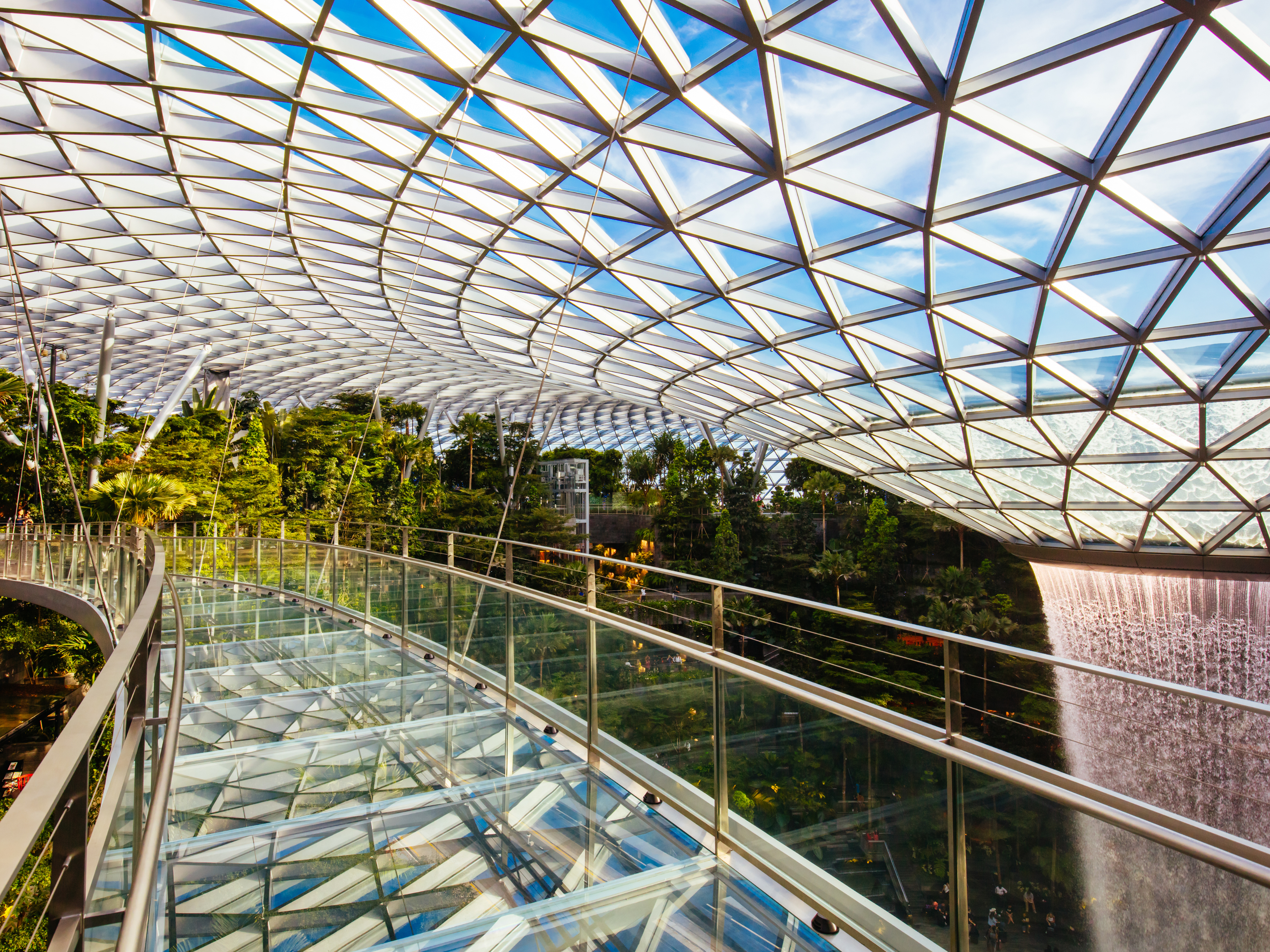
Changi Airport, Singapore: STREAM's AWCS solutions have been integrated into Singapore Changi Airport, one of the world's best-known aviation hubs, supporting automated waste collection within a complex, high-traffic environment where operational efficiency, hygiene, and reliable waste management are critical.
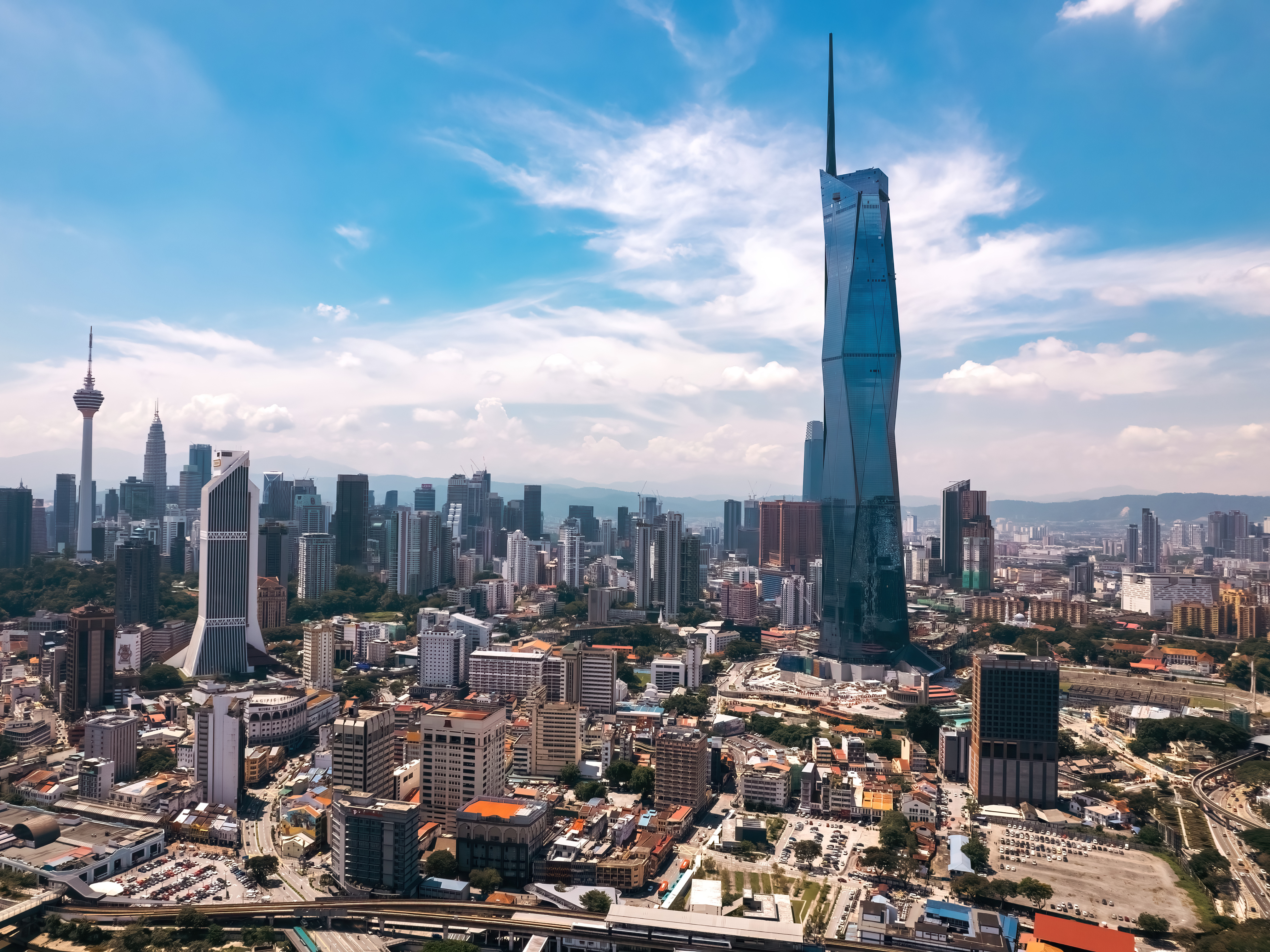
Menara Merdeka Maybank, Kuala Lumpur: Integrated automated waste collection infrastructure within one of Malaysia's most prominent mixed-use developments, supporting the efficient handling of multiple waste streams across a large-scale, high-density environment.
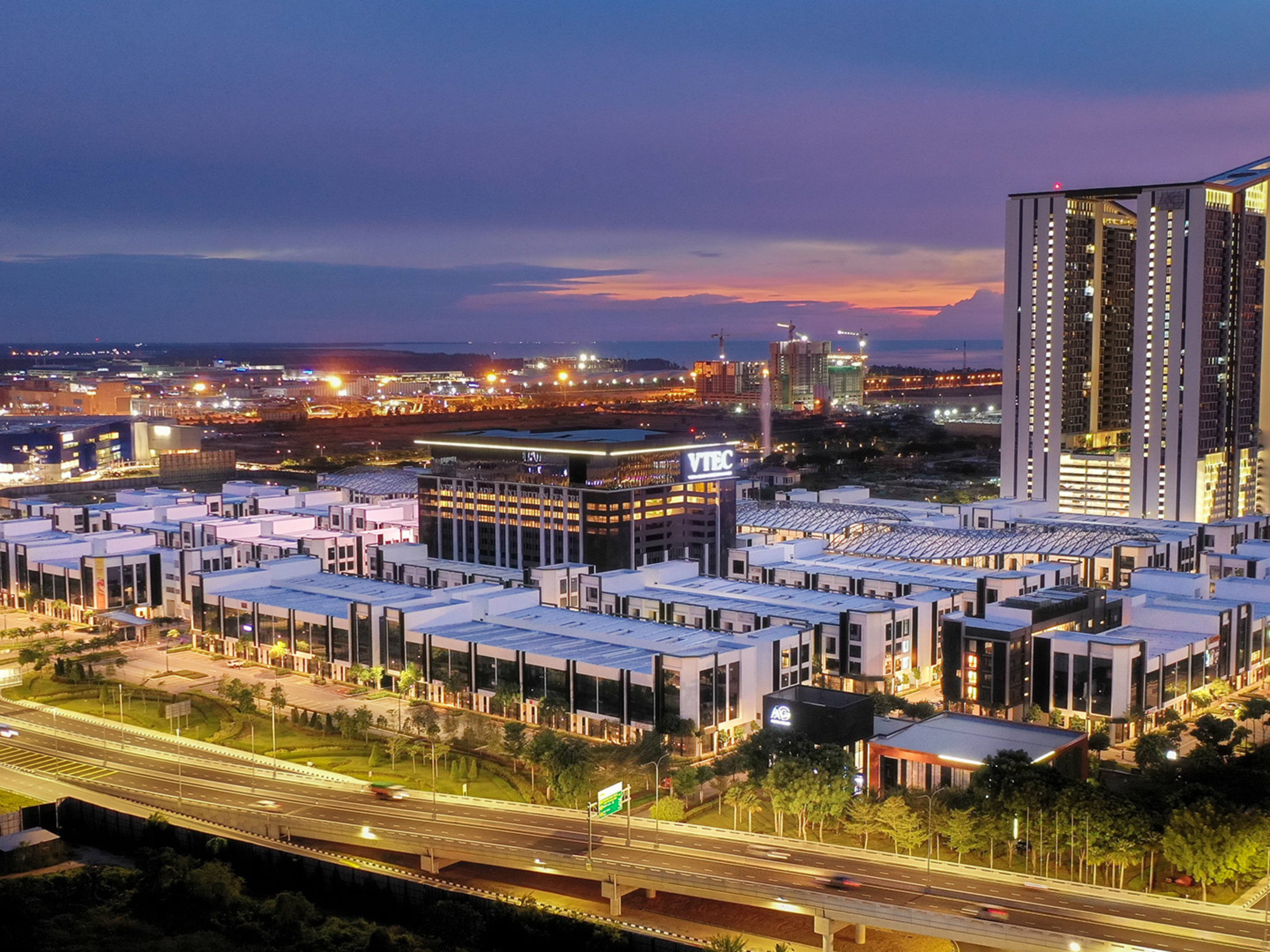
Aspen Vision City, Batu Kawan, Penang: Implemented a district-wide automated waste collection system across the 245-acre master-planned mixed development, integrating centralised waste collection infrastructure into a large-scale urban development.
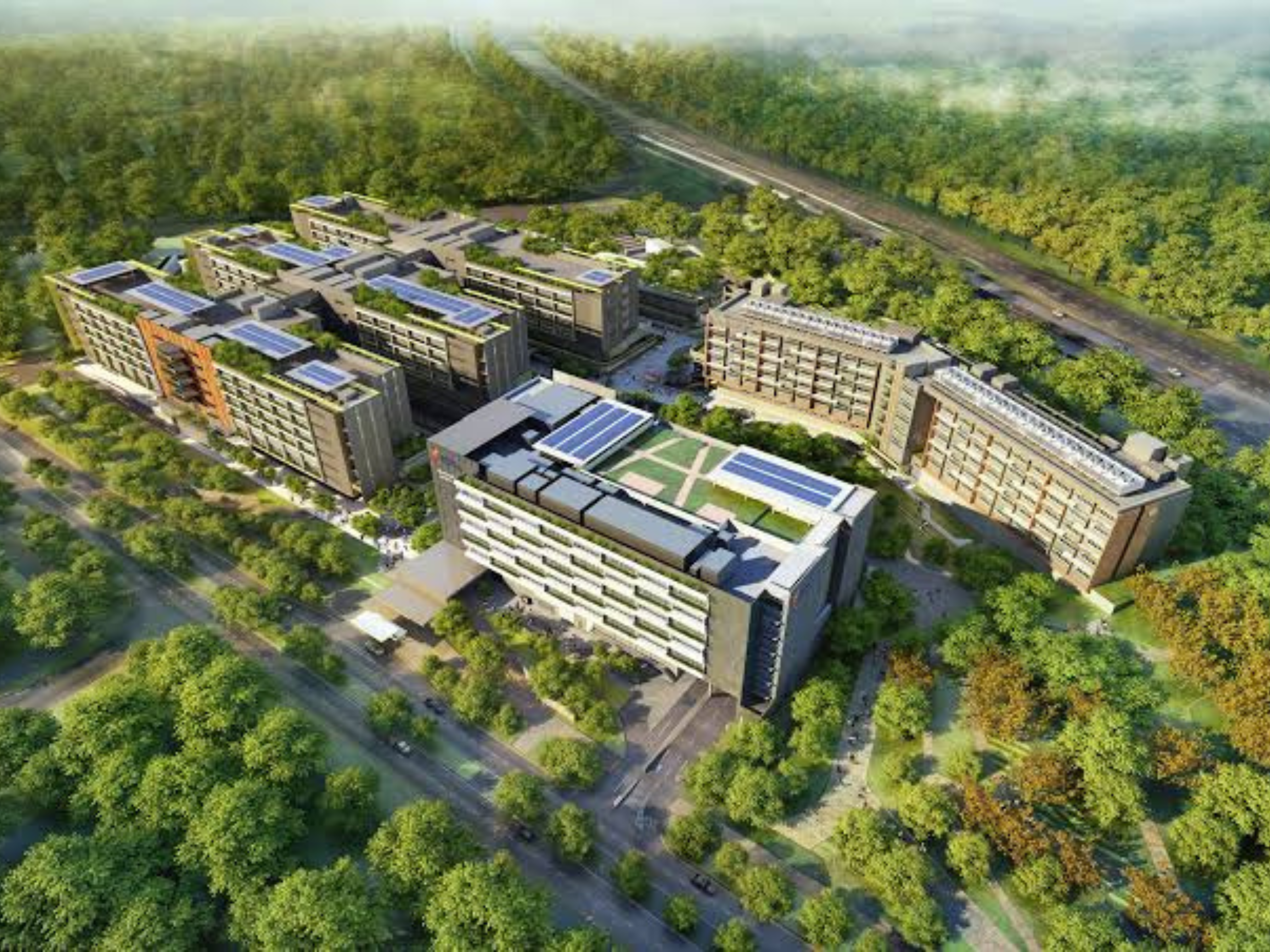
Singapore Healthcare Facilities: STREAM's automated waste collection solutions have also been implemented in healthcare environments in Singapore, where hygienic, reliable, and efficient waste handling is particularly important to support daily hospital operations.
Integrate STREAM AWCS Into Your Architectural Master Plan
Designing a new landmark residential, commercial, or mixed-use development? Contact STREAM Environment's architectural support team today to receive spatial planning guidelines, CAD/BIM integration details, and design consultation for your upcoming project.