

The Technology Behind Odour-Free Waste Management
Foul odours are one of the most common and persistent complaints in high-density residential towers, commercials developments, and urban centers. Traditional waste disposal - replying on open chutes - stagnant dumpster rooms, and leaking garbage bags - creates an ideal environment for organic decay and lingering smells.
Pneumatic Waste Collection System (PWCS) (also known as Automated Waste Collection System, or AWCS) solve this problem at the engineering level. By replacing static storage and manual hauling with continuous, sealed transport, pneumatic systems effectively neutralize waste odours before they can spread.
Here is how pneumatic waste collection technology eliminates waste odours across modern facilities.

Sealed Inlets Portals & Negative Air Pressure
● The Challenge: Traditional waste chutes and trash rooms frequently release drafts of warm, foul air into corridors and service lobbies whenever a chute door is opened.
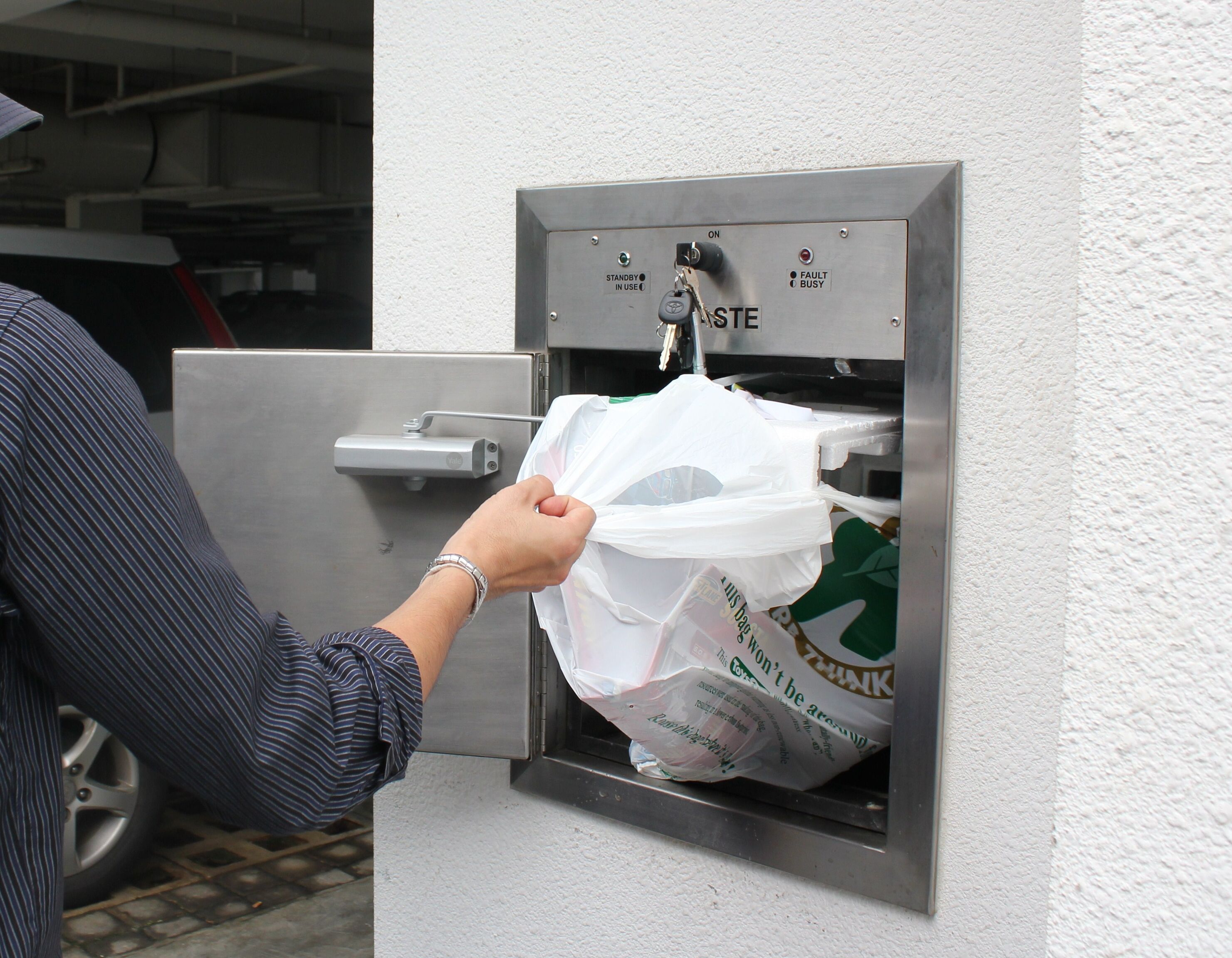
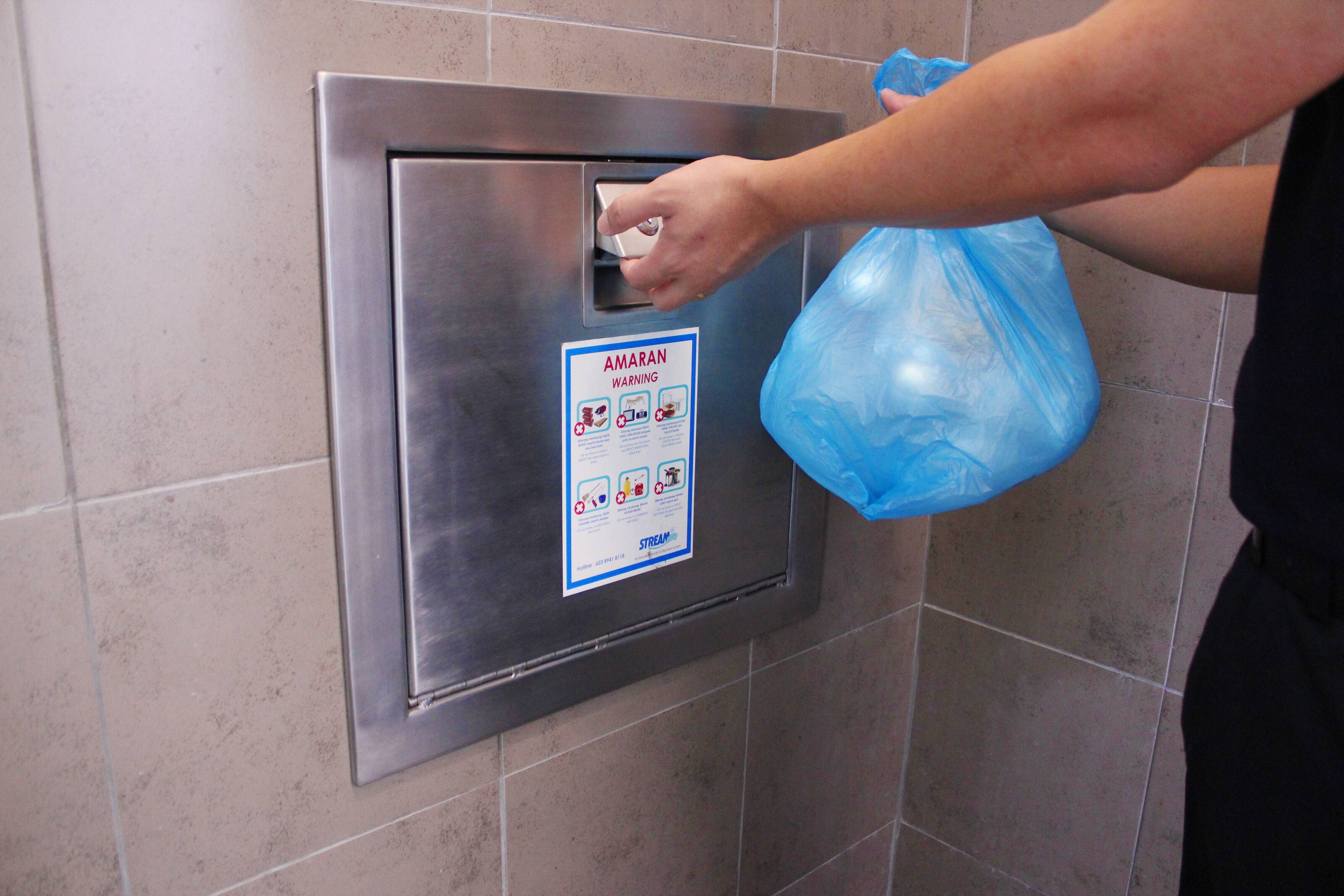
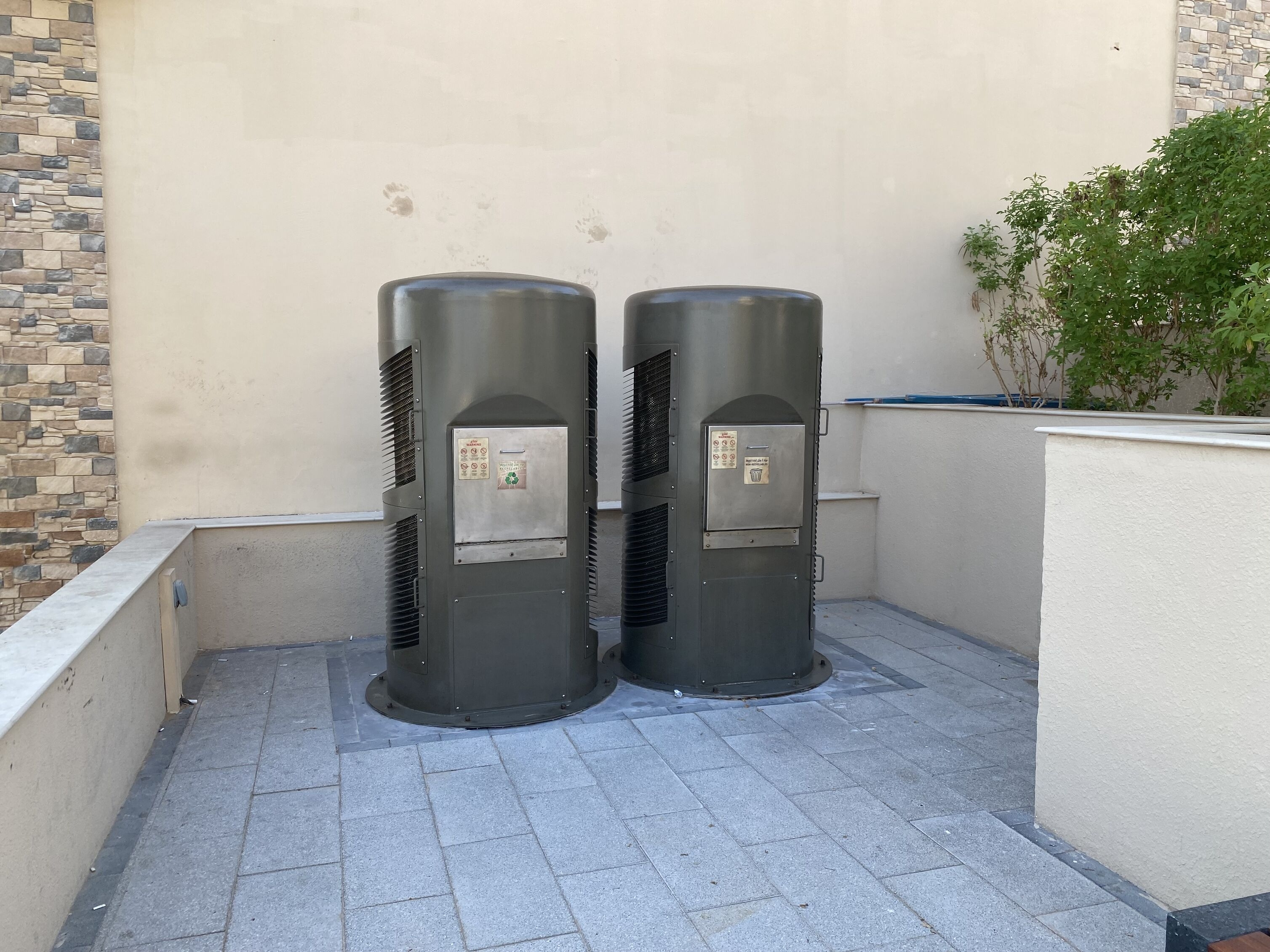
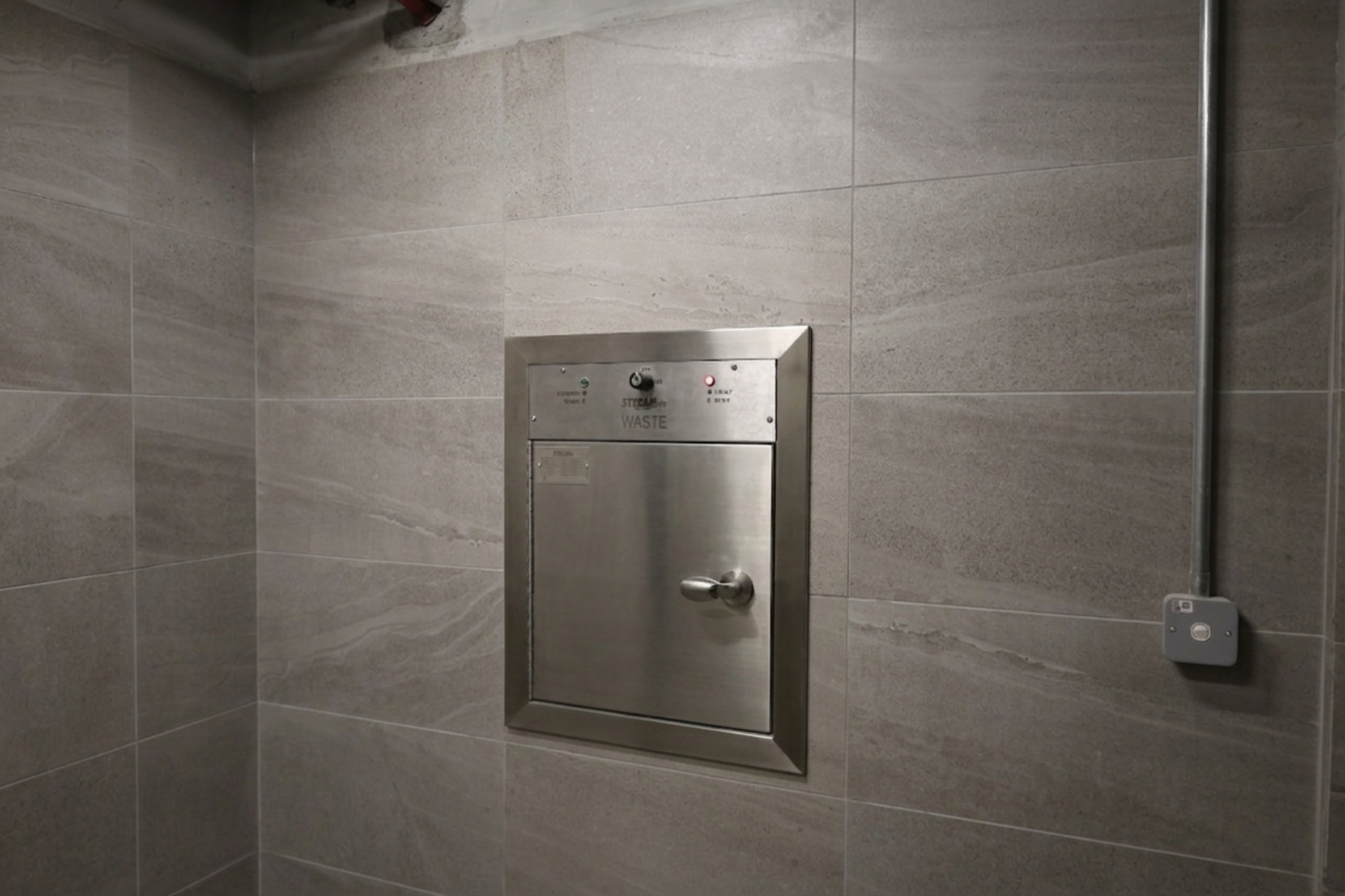
● The Pneumatic Solution: Pneumatic waste inlets are designed with airtight, heavy-duty seals. Furthermore, the entire subterranean piping network operates under continuous negative air pressure. When an inlet door opens, air is actively drawn into the system rather than blowing outward, preventing odours from escaping into indoor corridors, public walkways, or living areas.
Elimination of Stagnant Waste Accumulation
The Challenge: In conventional systems, garbage bags sit in open basement bins or compaction rooms for hours - or days - between municipal truck pick-ups. During tropical or warm weather, organic waste decomposes rapidly, generating heavy concentrations of hydrogen sulfide and ammonia gases.
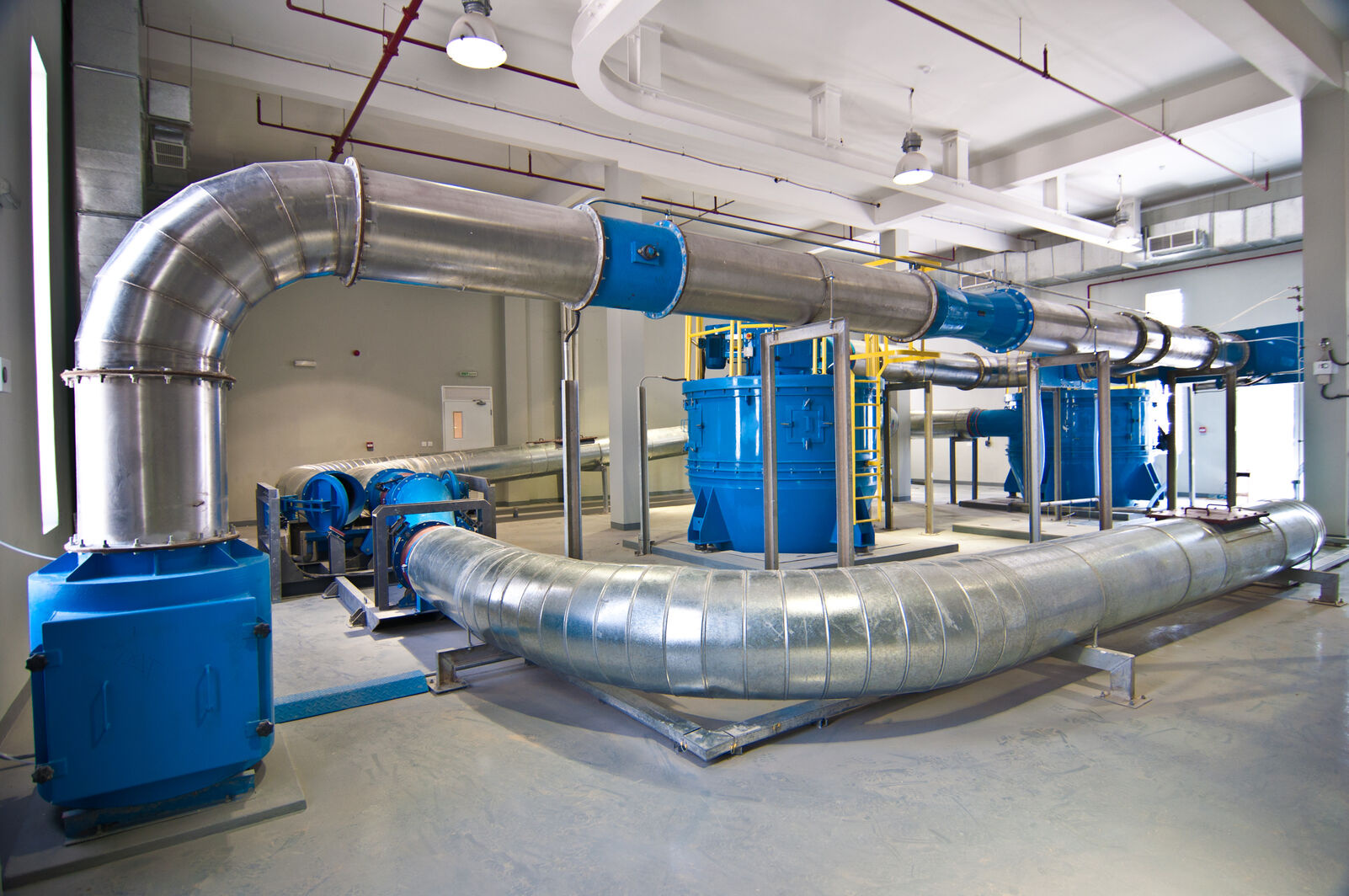
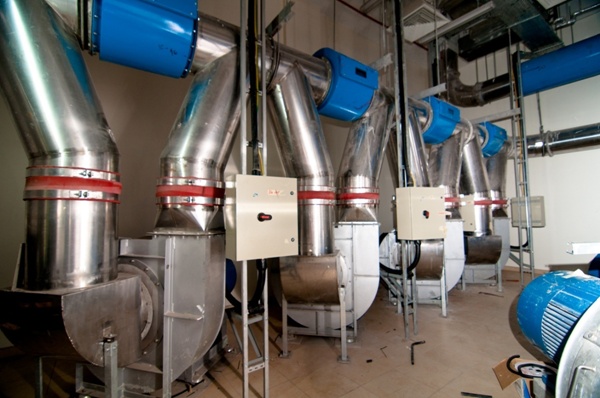
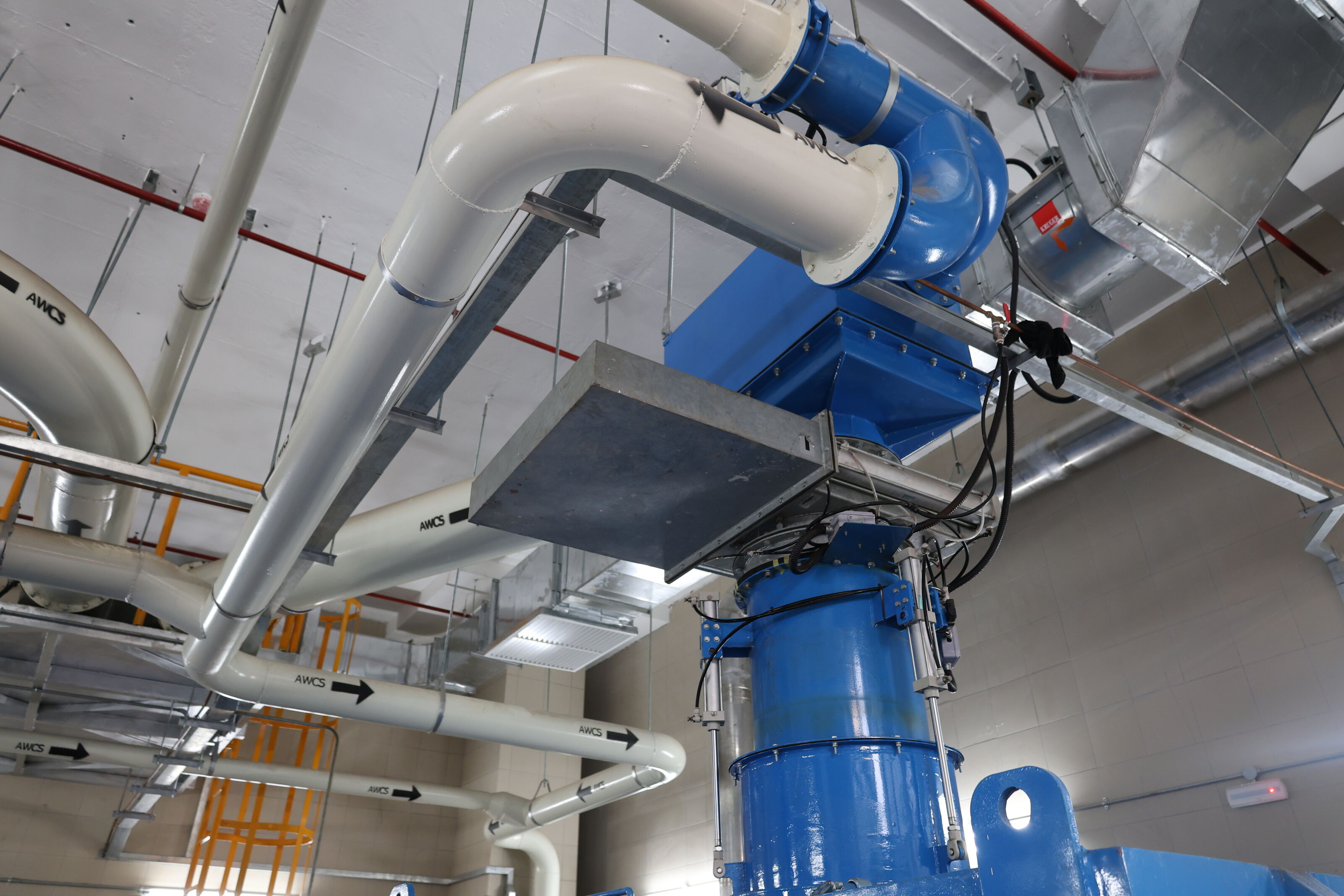
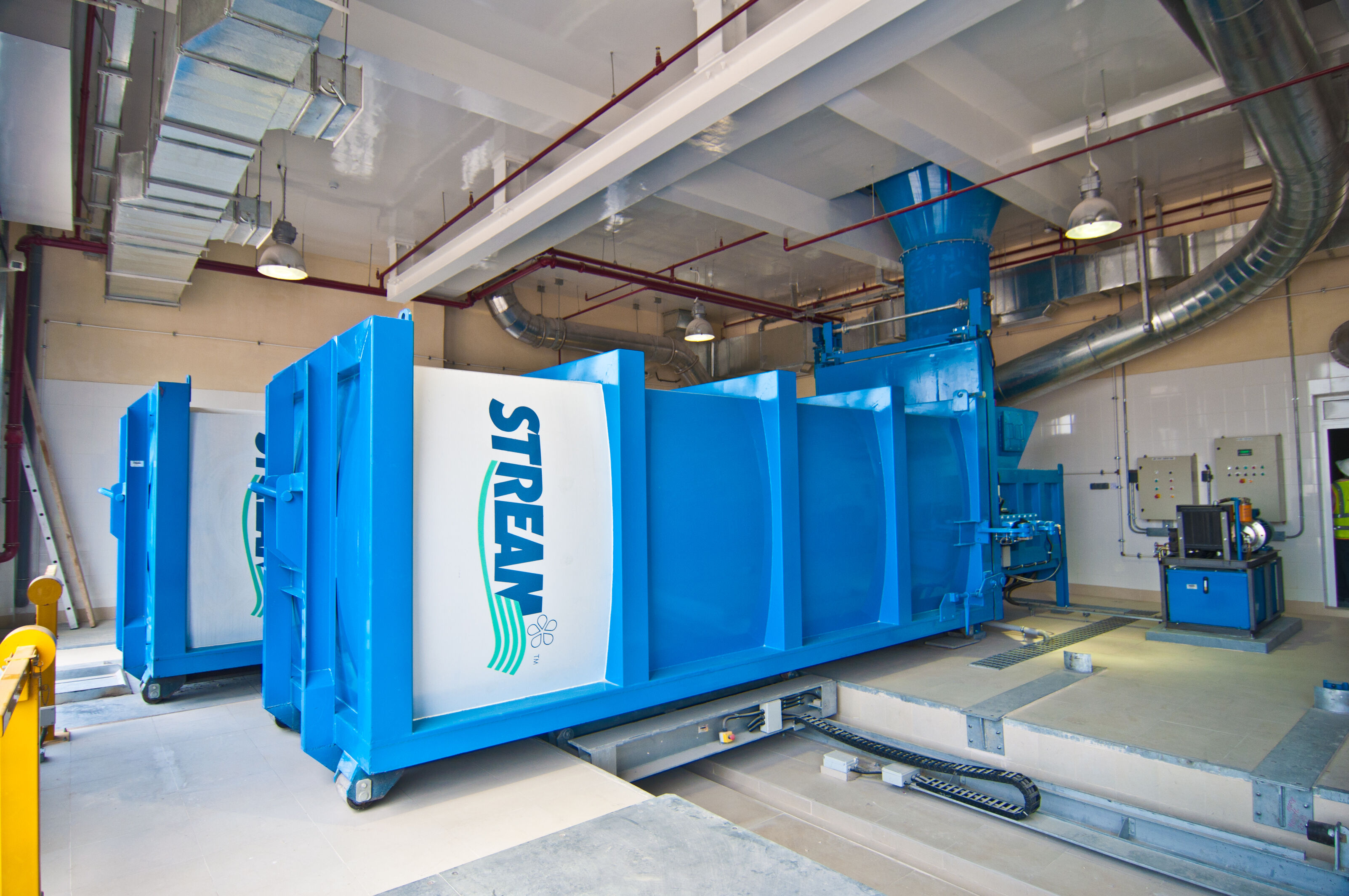
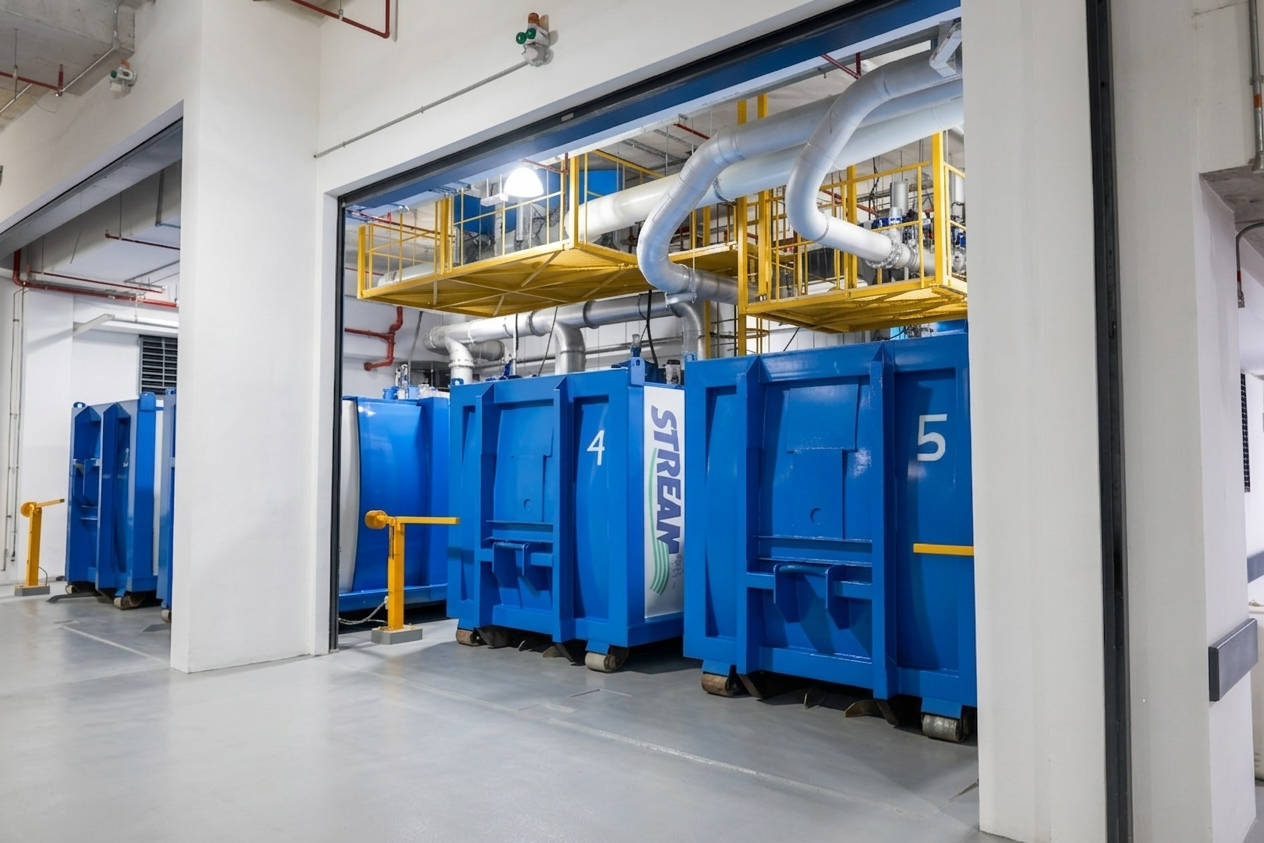
The Pneumatic Solution: Waste deposited into pneumatic inlets drops into temporary holding valves. Smart level sensors monitor capacity and automatically trigger high-speed vacuum cycles multiple times a day. Waste is pulled through sealed underground pipes at speeds up to 70 km/h directly to an off-site Central Waste Handling Facility (CWHF), eliminating stagnant, decaying trash within the building footprint.
Air Filtration System
The Challenge: Venting dirty air from central compaction units directly into the surrounding neighborhood creates localized pollution and foul smells for nearby residents and shoppers.
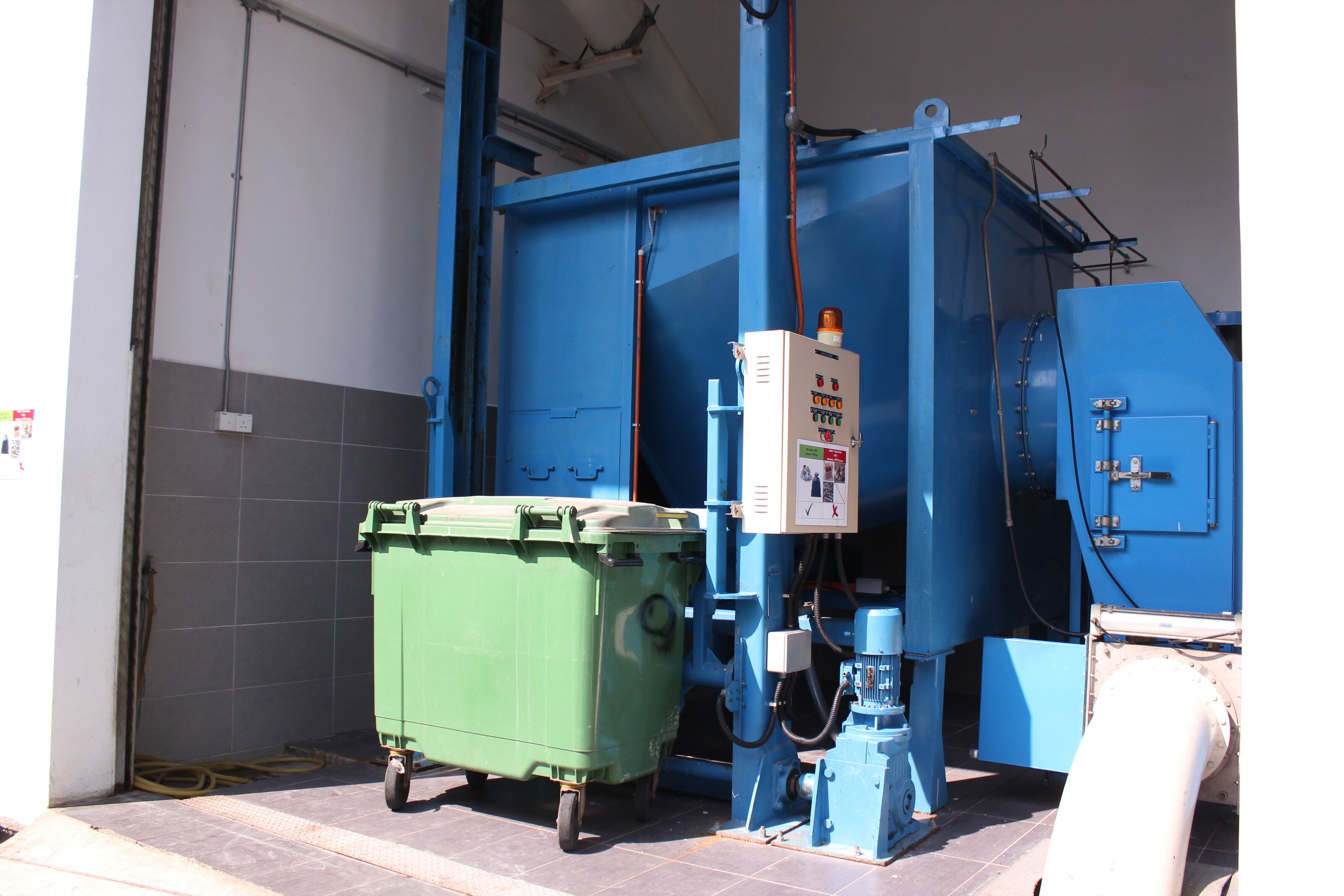
The Pneumatic Solution: Air used to transport waste through pneumatic pipes is drawn into the Central Waste Handling Facility (CWHF), where it passes through multi-stage dust and active carbon filtration units before exhaut release.
Elimination of Liquid Leachate Leaks
The Challenge: Transporting wet organic waste or food scraps in standard plastic bags often results in leaks. Liquid leachate drips onto hallway carpets, elevator floors, basement loading bays, and service corridors, leaving behind tough-to-clean stains and long-lasting smells.
The Pneumatic Solution: Pneumatic transport moves waste entirely inside heavy-duty, subterranean steel pipelines. Because waste travels in a fully enclosed, fluid-tight environment directly from the inlet portal to sealed containers at the Central Waste Handling Facility (CWHF), liquid spills and leachate odours in tenant spaces are 100% eliminated.
Automated Pipe Cleaning & Flushing Cycles
The Challenge: Organic residues and grease can build up over time inside waste transport pathways, causing stubborn odors if left uncleaned.
The Pneumatic Solution: Modern Pneumatic Waste Collection System networks are equipped with automated maintenance routines. Periodic high-velocity airflow flushes, combined with specialized cleaning cycles, prevent organic buildup on internal pipe walls, ensuring the underground network remains clean, hygienic, and free of persistent odours.
Create an Odour-Free Environment for Your Property
Providing a clean, fresh, and odour-free environment is essential for maintaining high property value, tenant satisfaction, and public hygiene.