
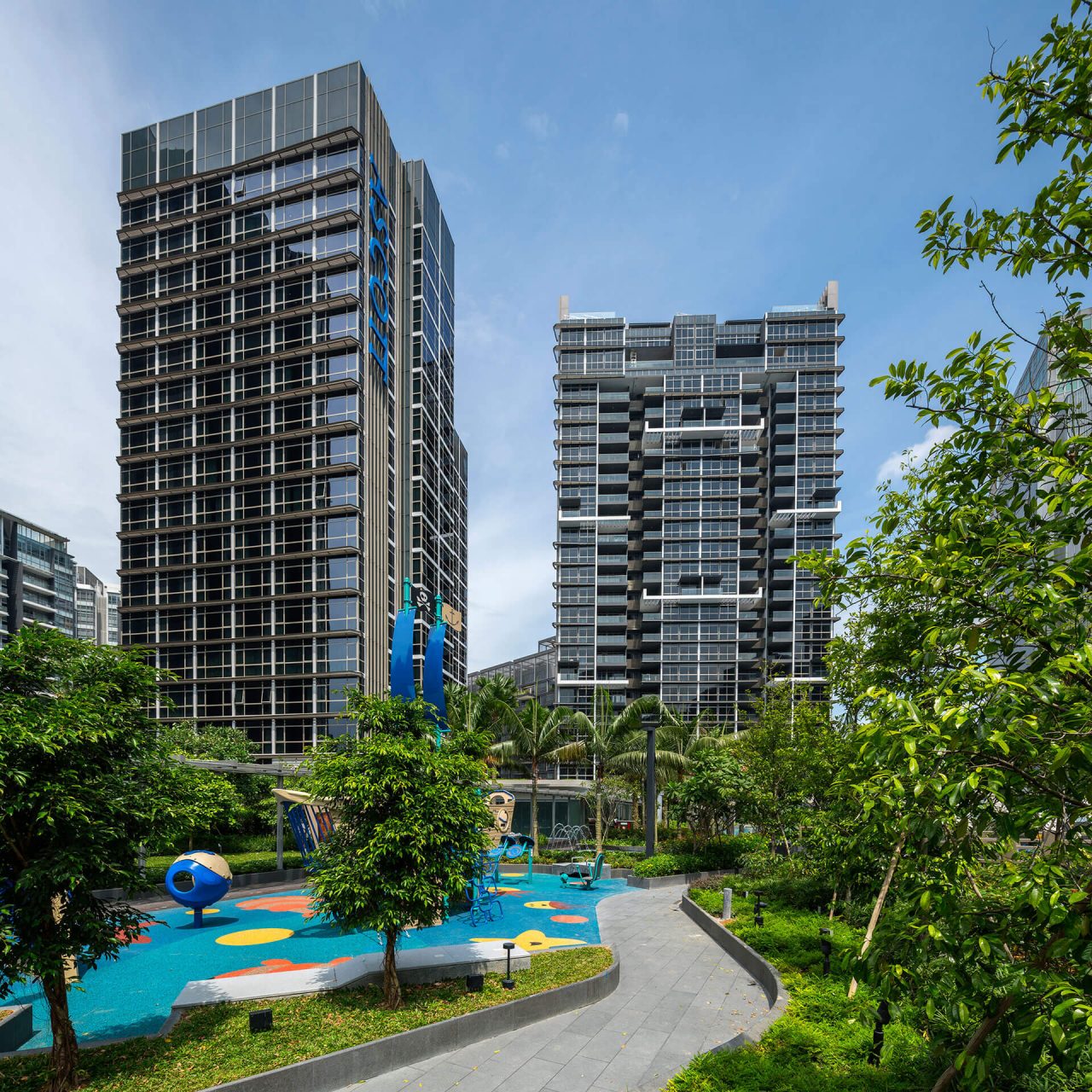
How AWCS Creates Greener and Cleaner Cities
As urban populations grow and sustainable city planning becomes increasingly important, municipal leaders and property developers face a pressing challenge: how to manage growing volumes of waste while keeping streets clean, reducing air pollution and improving urban liveability.
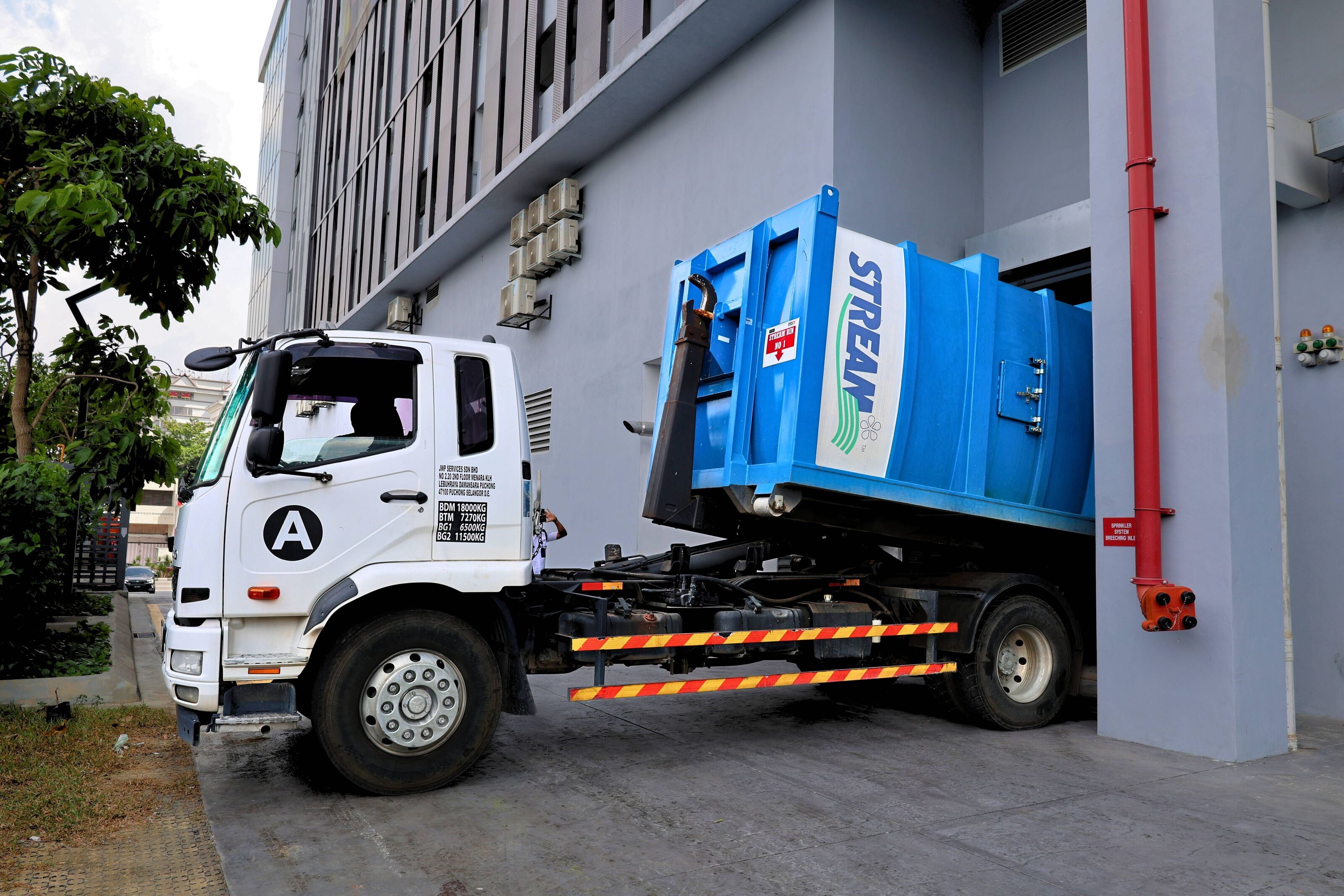
Traditional waste collection methods, which rely heavily on diesel-powered trucks and manual handling, can contribute to traffic congestion, vehicle emissions and waste accumulation around collection points. STREAM supports the development of greener and cleaner cities through its Automated Waste Collection System (AWCS), which transports waste through a network of sealed pipes to a central collection station. By reducing the need for conventional waste collection trucks and minimising direct exposure to waste, AWCS helps maintain cleaner surroundings, reduce local vehicle emissions and support a more sustainable urban environment.

Subterranean Pneumatic Transport: Removing Bins from Streets
The Problem: Conventional trash cans and bulk dumpsters clutter city sidewalks, emit foul odours, and attract pests like rodents and flies.
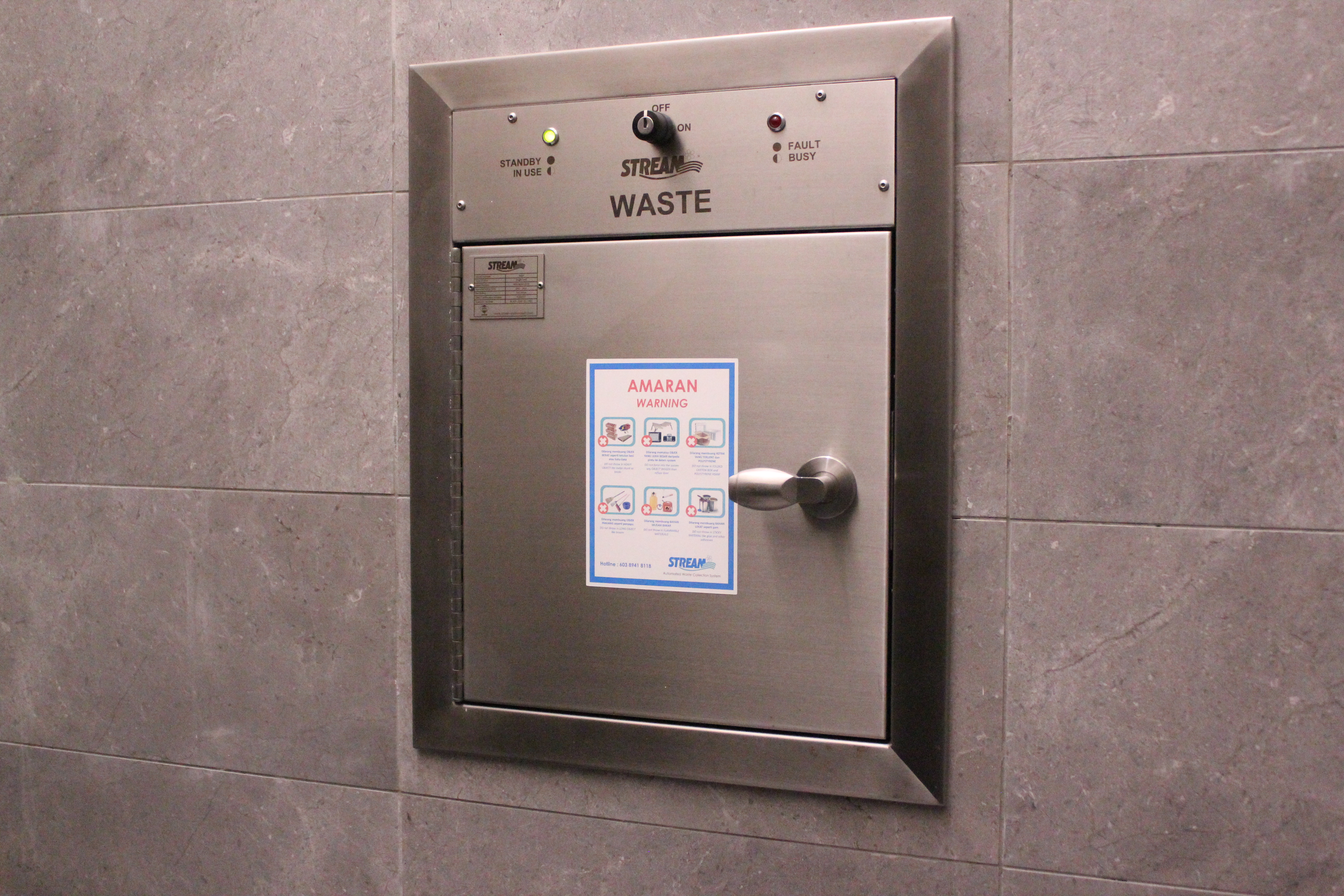
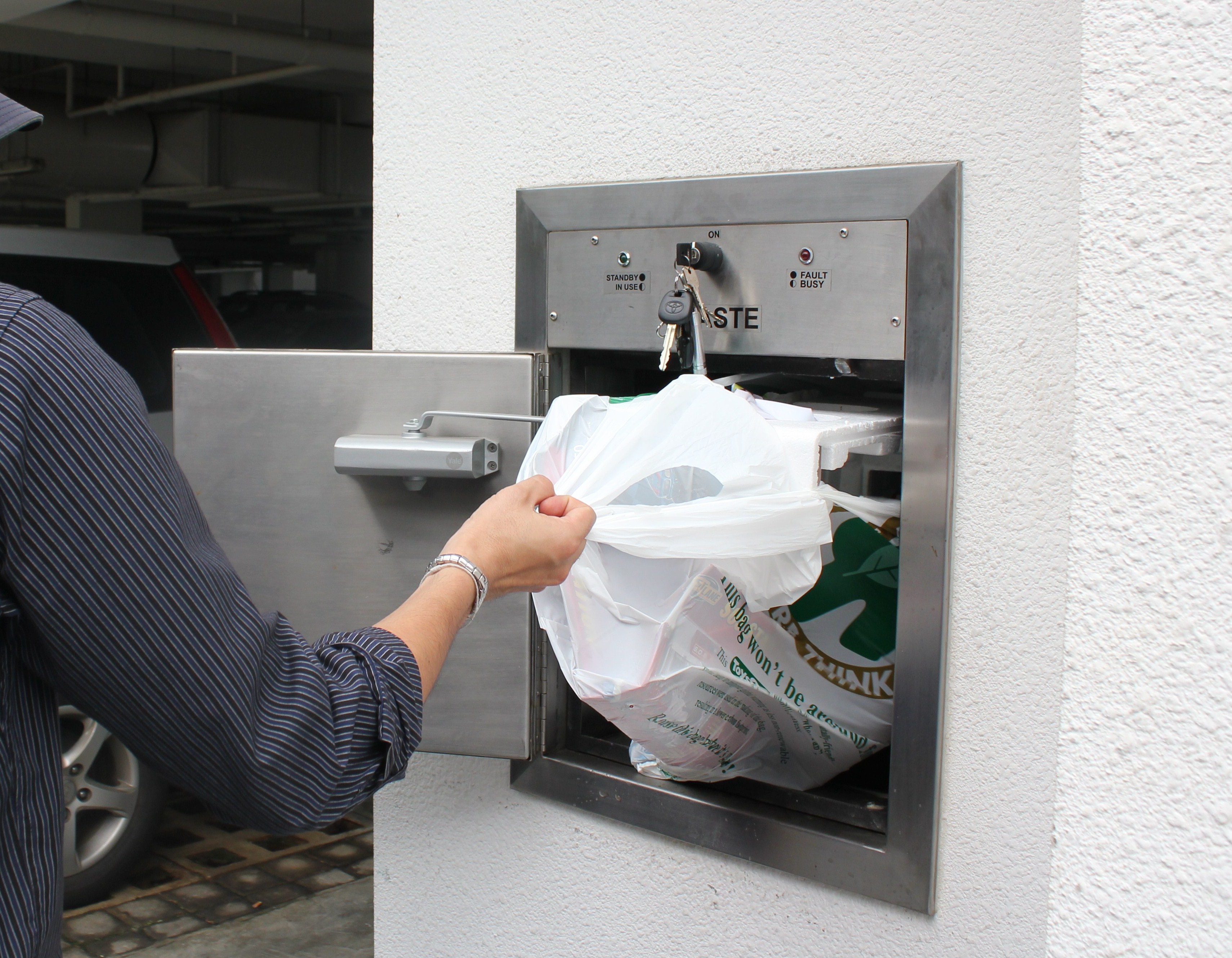
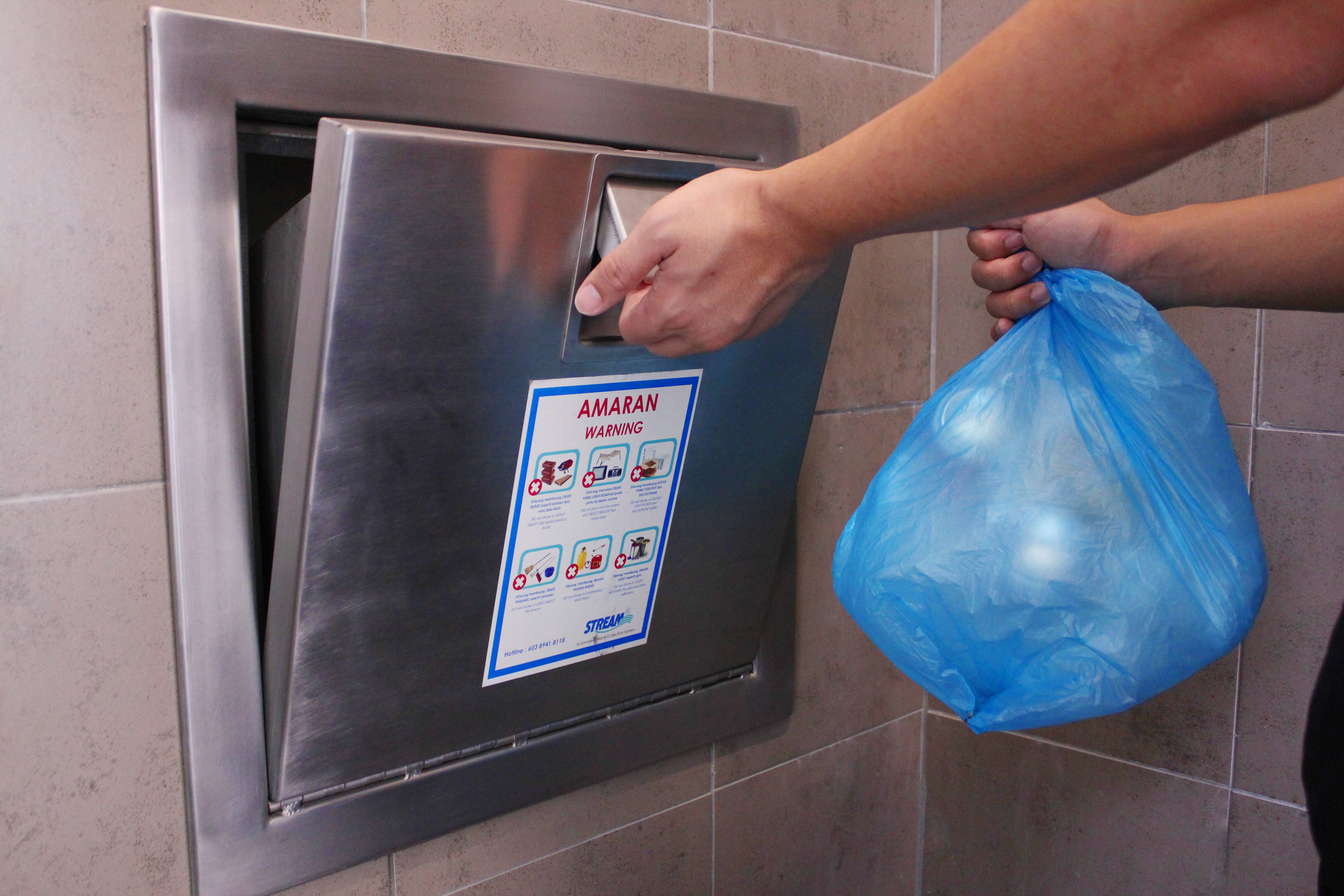
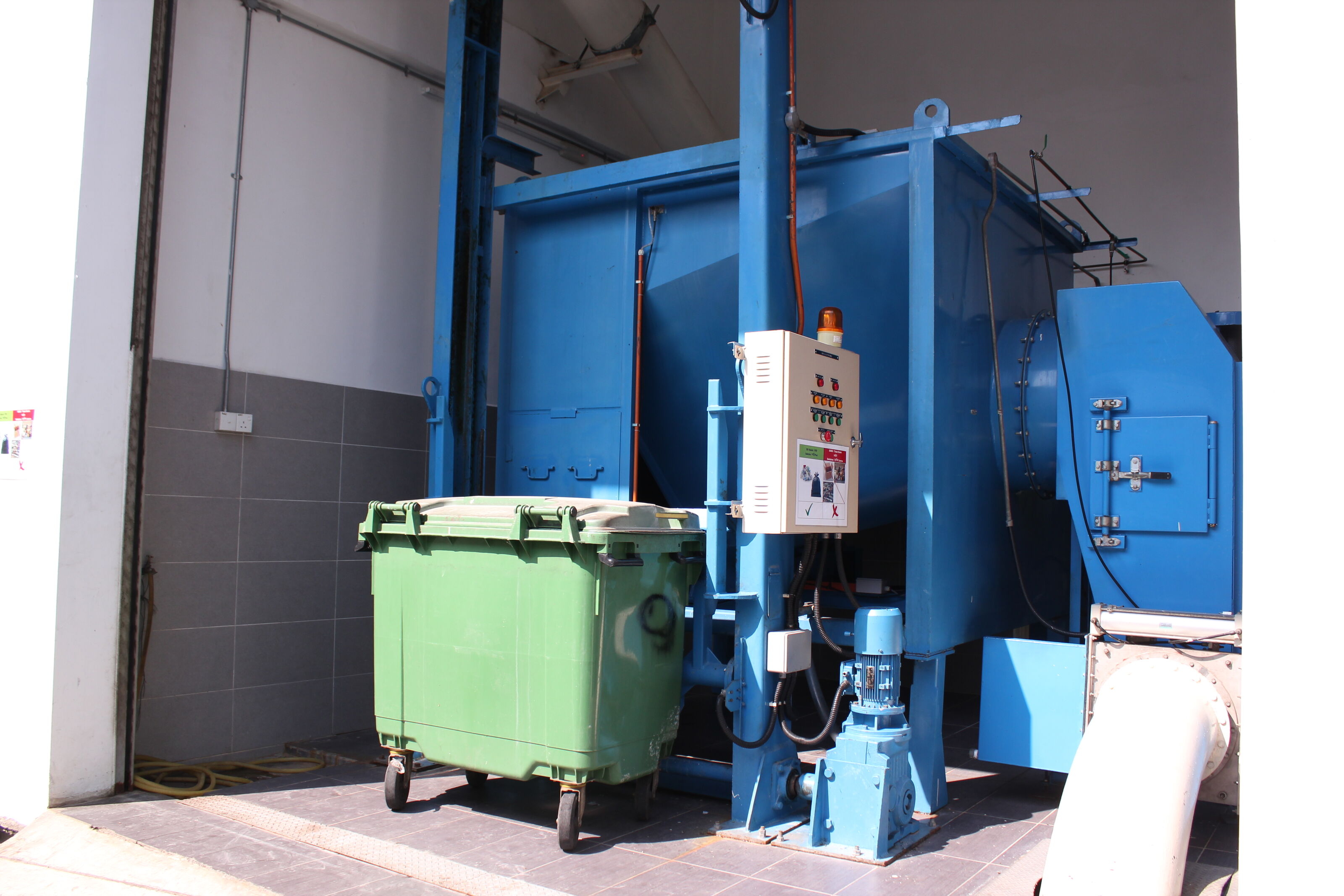
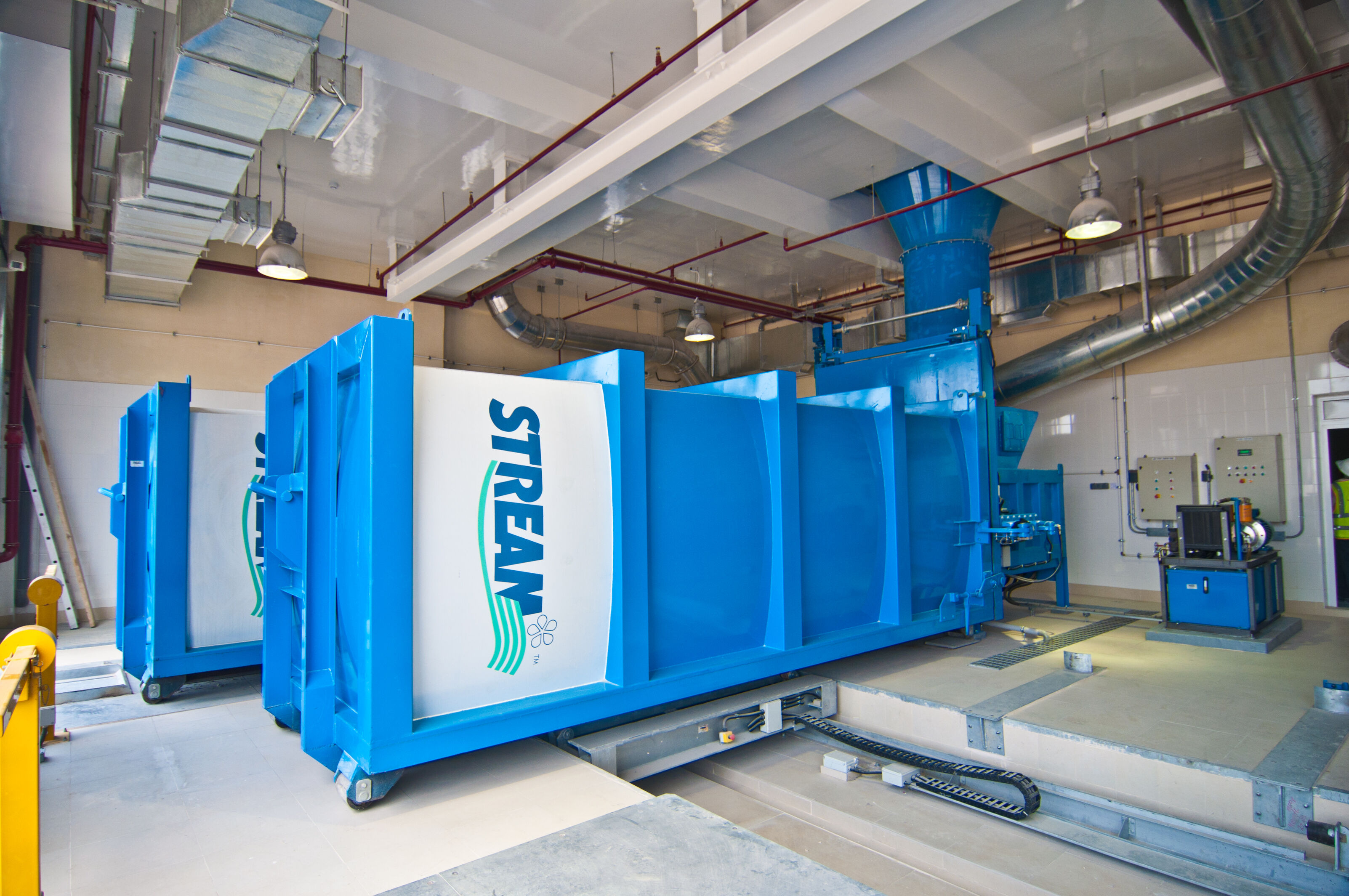
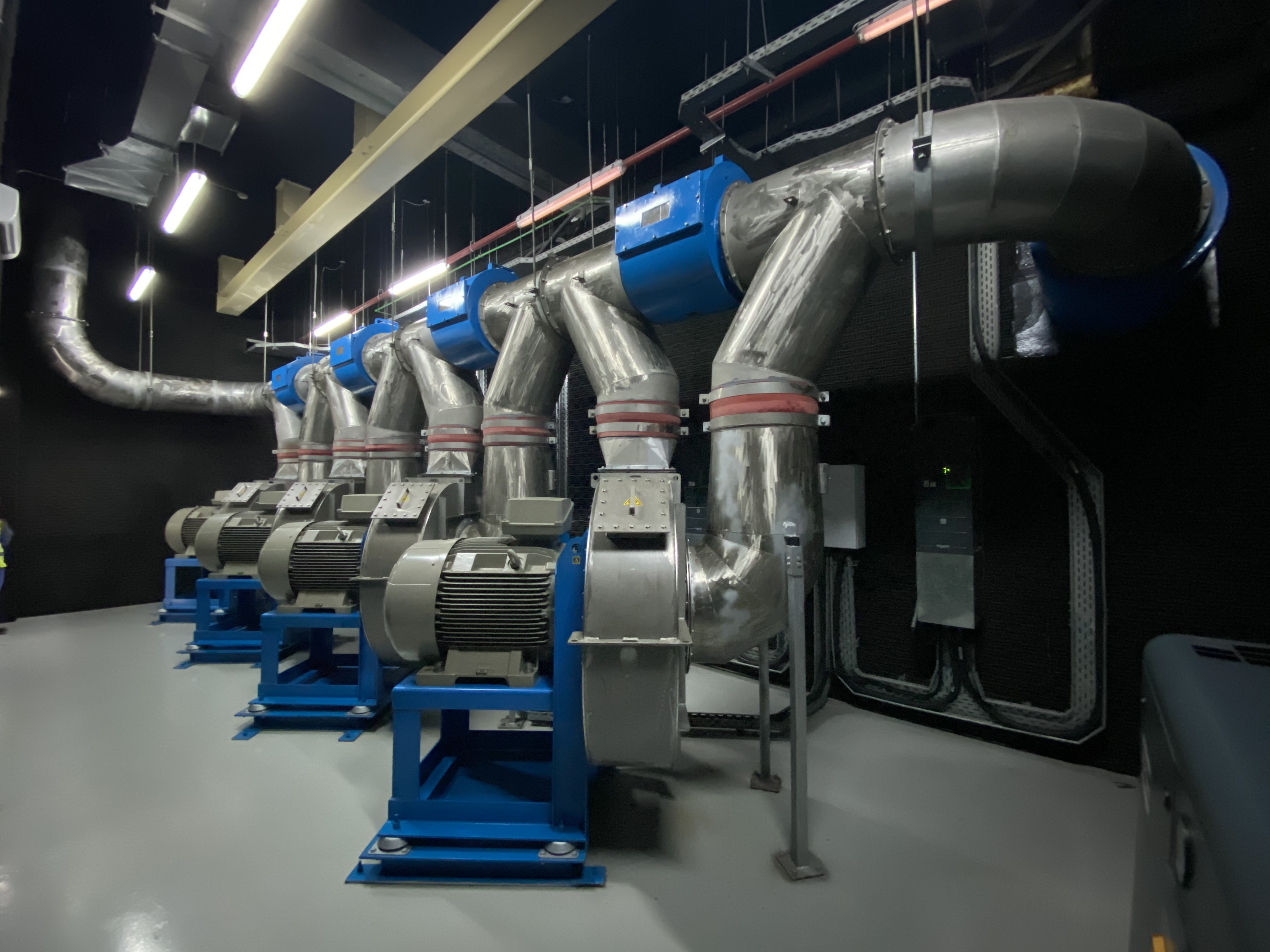
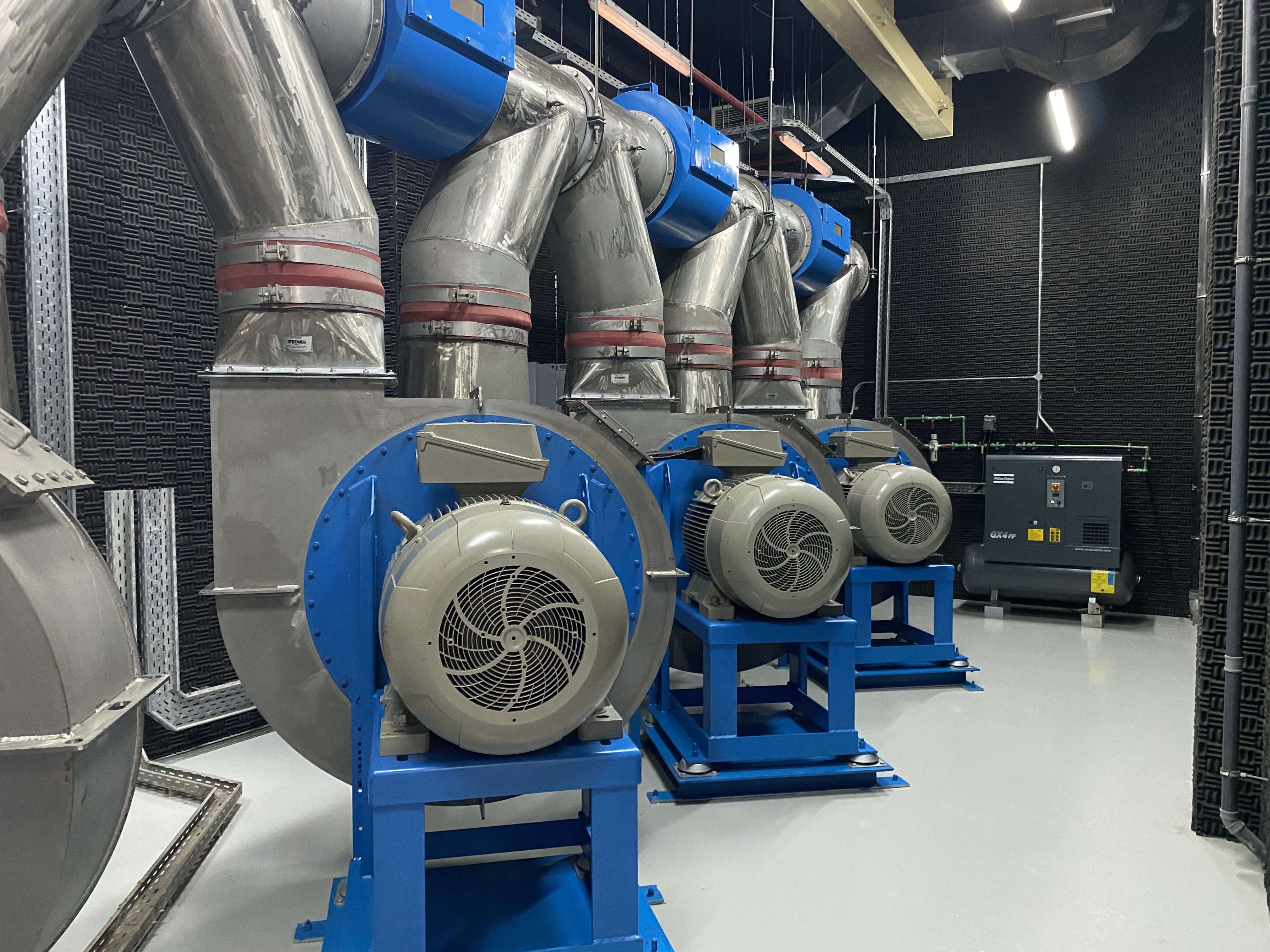
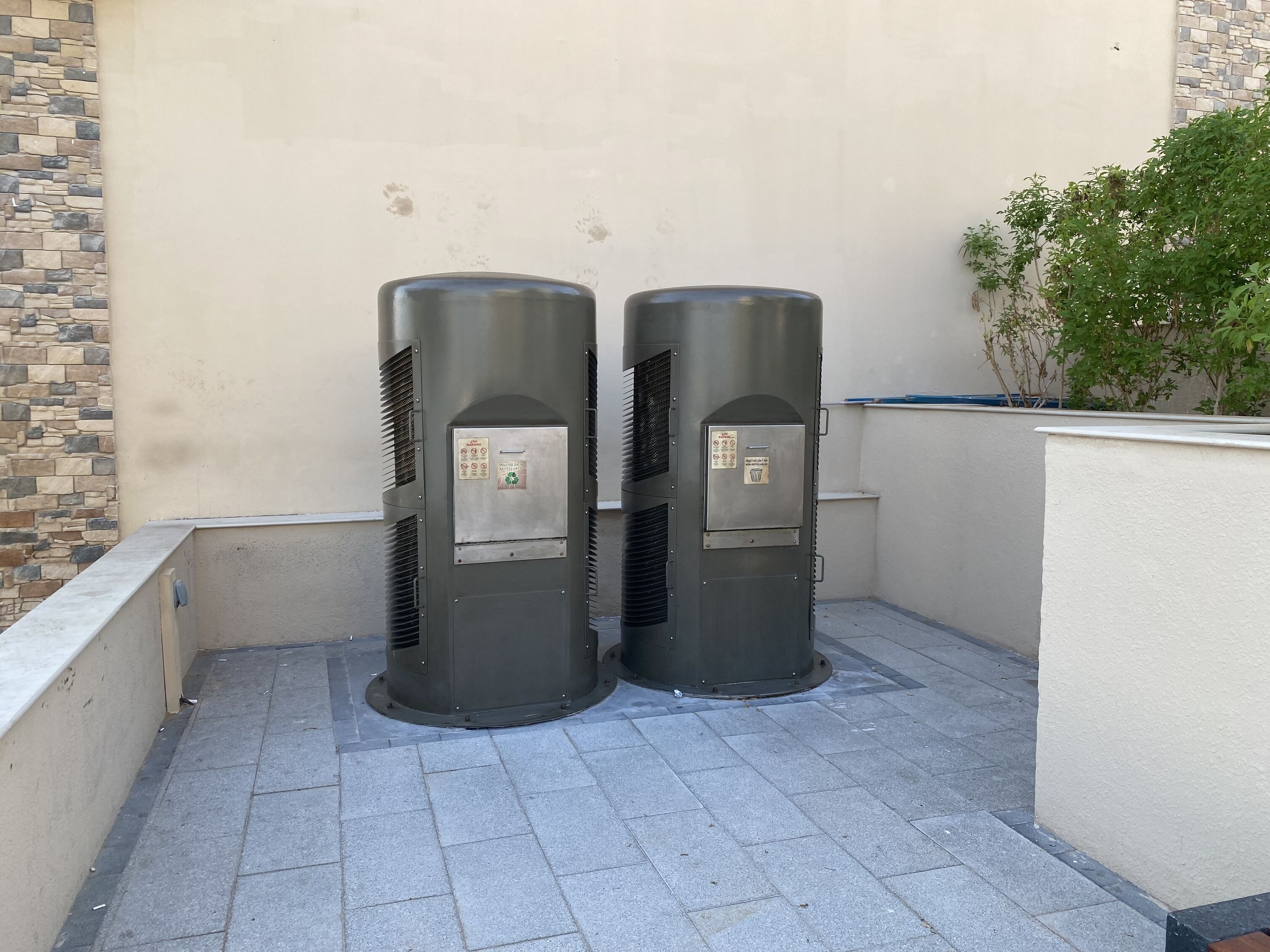
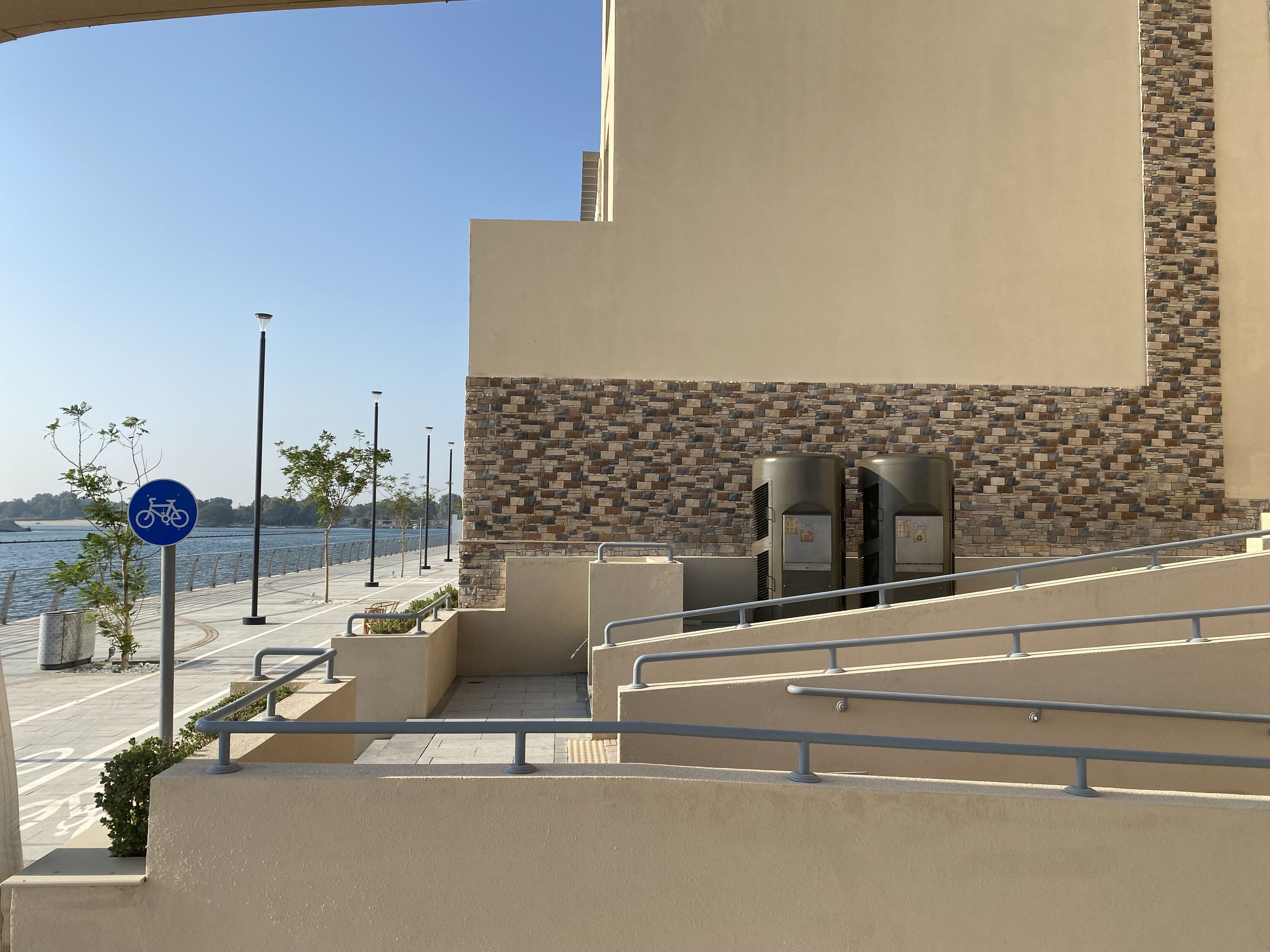
STREAM's Innovation: STREAM replaces traditional drop-off points with sleek, sealed inlet doors installed inside buildings or along public walkways. When waste is deposited into an inlet, it drops into a temporary storage holding zone. At scheduled intervals or triggered by sensors, a vacuum system activates, pulling the waste through vacuum sealed pipes at speeds up to 70km/h directly to a central collection station outisde the primary residential or commercial zone.
Up to 90% Reduction in Heavy Waste Truck Traffic
The Problem: Heavy diesel waste trucks cause severe traffic congestion, damage road surfaces, create high noise pollution, and emit significant amounts of greenhouse gases (CO₂, NOₓ, and fine particulates).
STREAM's Innovation: By consolidating waste collection at a single, centralized station on the city perimeter or away from dense areas, Stream Environment eliminates the need for waste trucks to navigate narrow streets, residential corridors, or commercial alleys. This cuts waste-related vehicle movements in urban centers by up to 90%, leading to safer streets, cleaner air, and quieter neighborhoods.
Advanced Odour & Hygiene Control
The Problem: Leaking trash bags and open bins create unsanitary conditions, cause persistent foul odours, and increase public health risks.
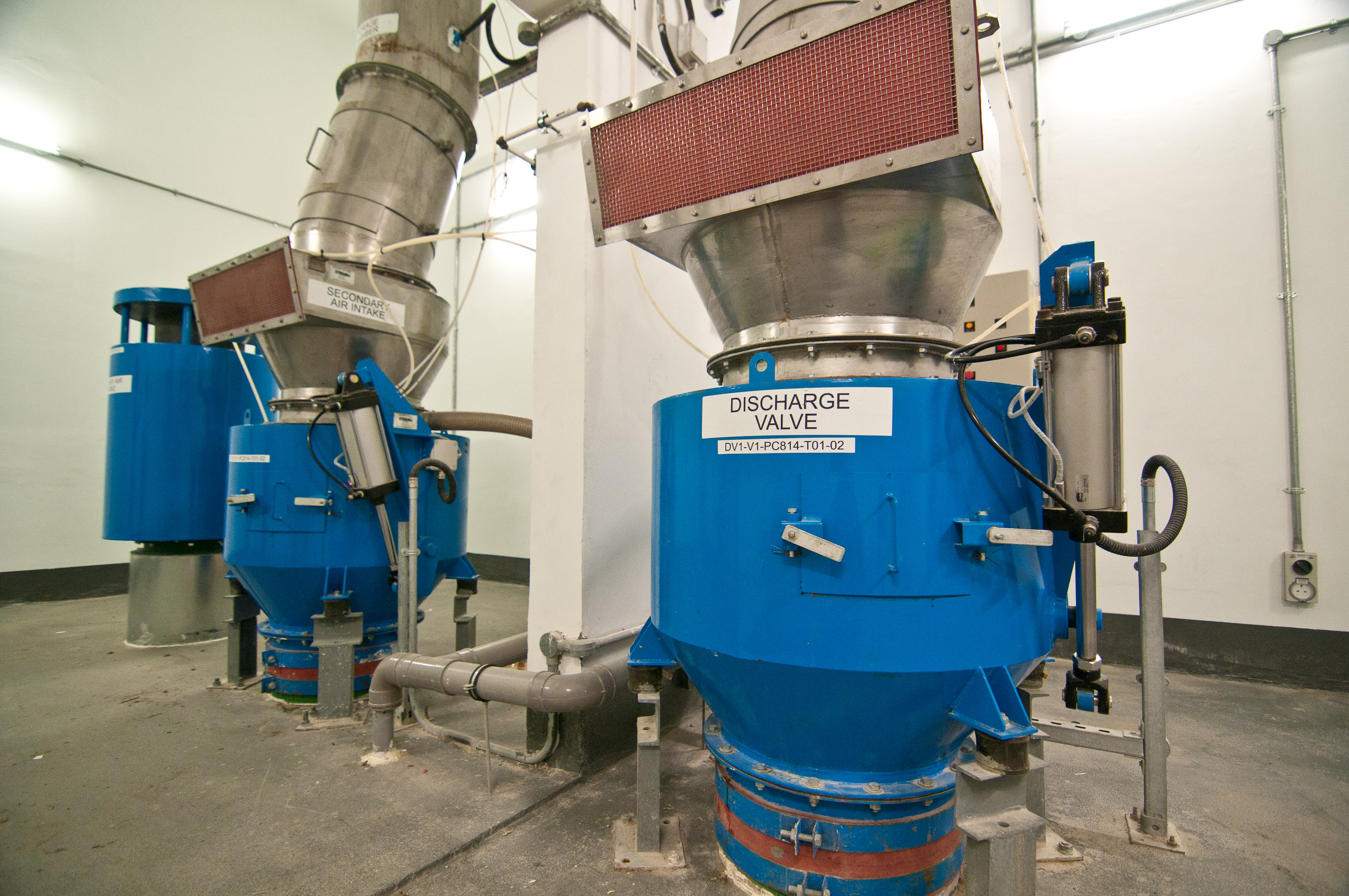
STREAM's Innovation: STREAM's pneumatic systems operate under continous negative air pressure, meaning air is pulled into the system whenever an inlet opens rather than letting odours escape outward. Furthermore, exhaust air at the central collection station is treated through an advanced filtration system before release, ensuring that public spaces remain completely odour-free and hygienic.
Boosting Recycling & Supporting ESG Targets
The Problem: Inconsistent sorting at the point of disposal leads to low recycling yields and heavy landfill contamination.
STREAM's Innovation: STREAM designs multi-fraction systems with dedicated inlets for general waste, recyclables and organic waste. Deposited materials travel through the vacuum network into separated containers at the central hub. Built-in digital monitoring tracks waste volumes and diversion rates in real time, giving city planners and developers actionable data to meet the strict environmental regulations and ESG targets.
Reclaiming Valuable Urban Space
The Problem: Dedicated dumpster bays, compaction rooms, and truck loading zones occupy premium ground-floor real estate that could otherwise be used for parks, retail space, or pedestrian zones.
STREAM's Innovation: By taking waste storage underground and moving heavy compaction infrastructure off-site, Stream Environment frees up valuable square footage. Developers can repurpose this space into green parks, outdoor seating, or commercial amenities that enhance property value and community wellbeing.
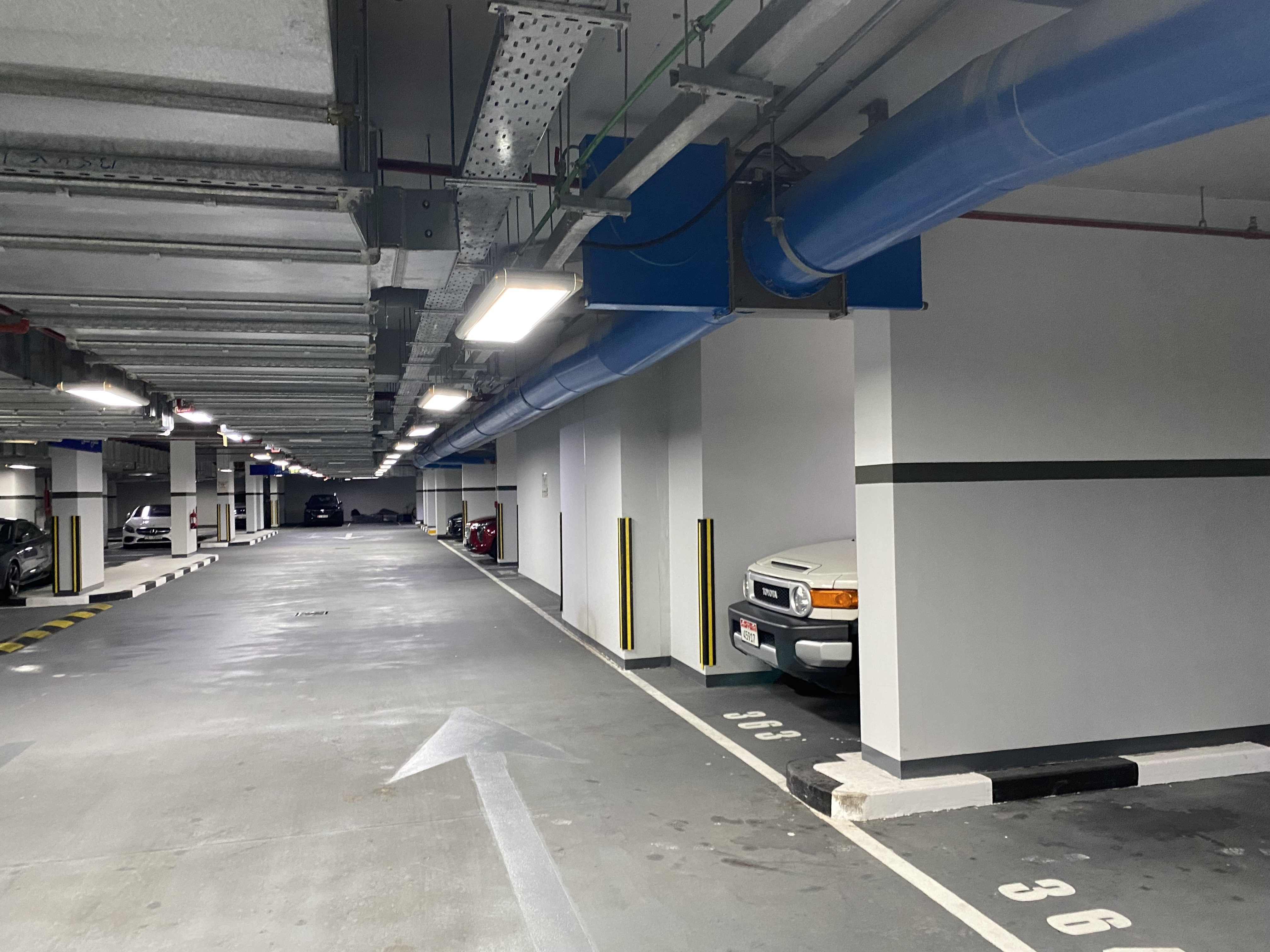
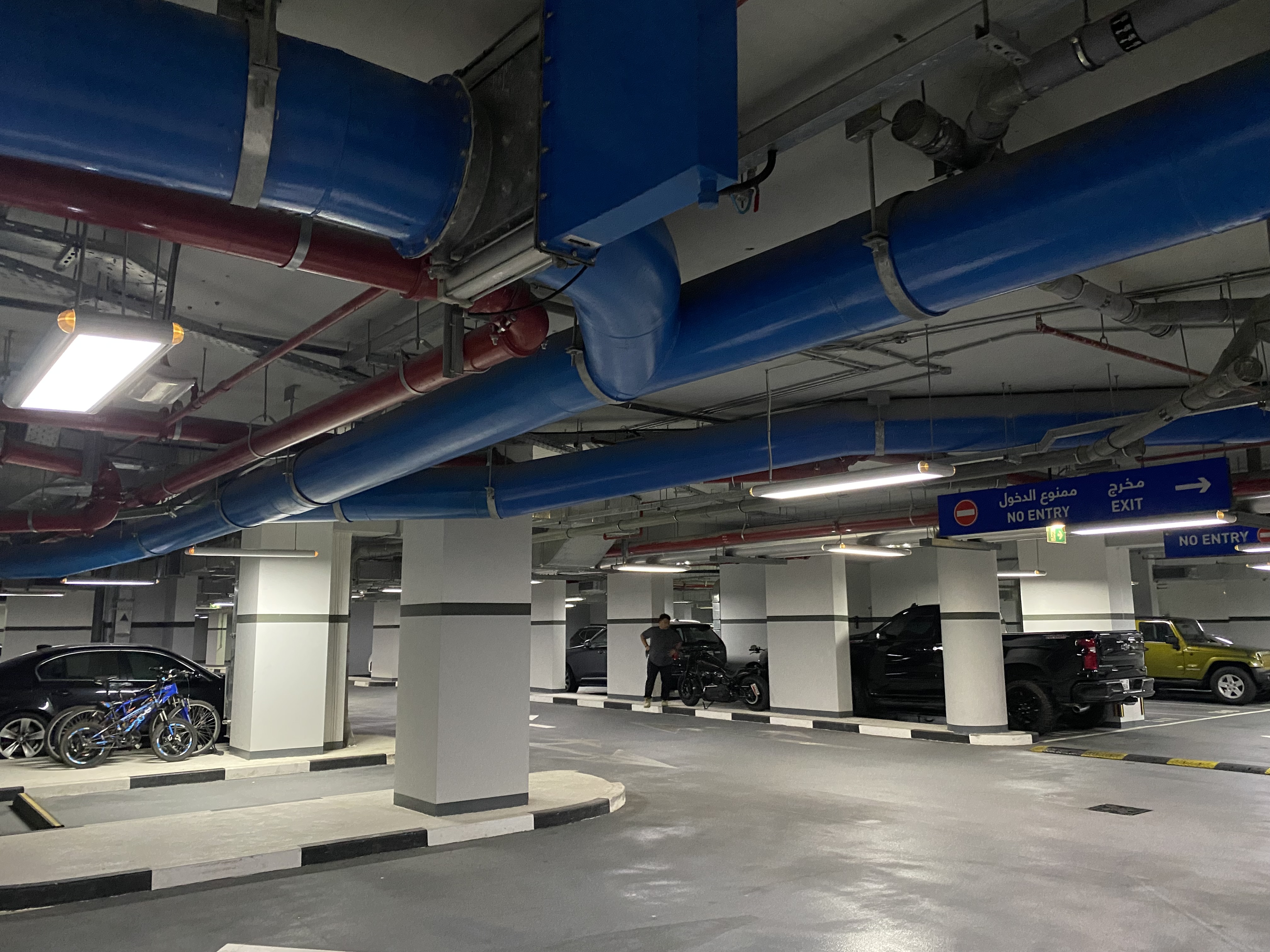
The Vision: Infrastructure Built for the Future
From high-density residential towers and mega-commercial developments to entire smart city districts, Stream Environment’s automated vacuum systems provide a permanent, sustainable infrastructure investment. By turning waste collection into a clean utility - much like water, electricity, or gas - STREAM is enabling cities to operate efficiently while protecting the environment for future generations.
Build a Cleaner, Smarter City with STREAM
Is your development or municipal project ready to transition to next-generation waste infrastructure? Drop us an email and discover how STREAM's Automated Waste Collection System (AWCS) can transform your project into a benchmark for urban sustainability.