
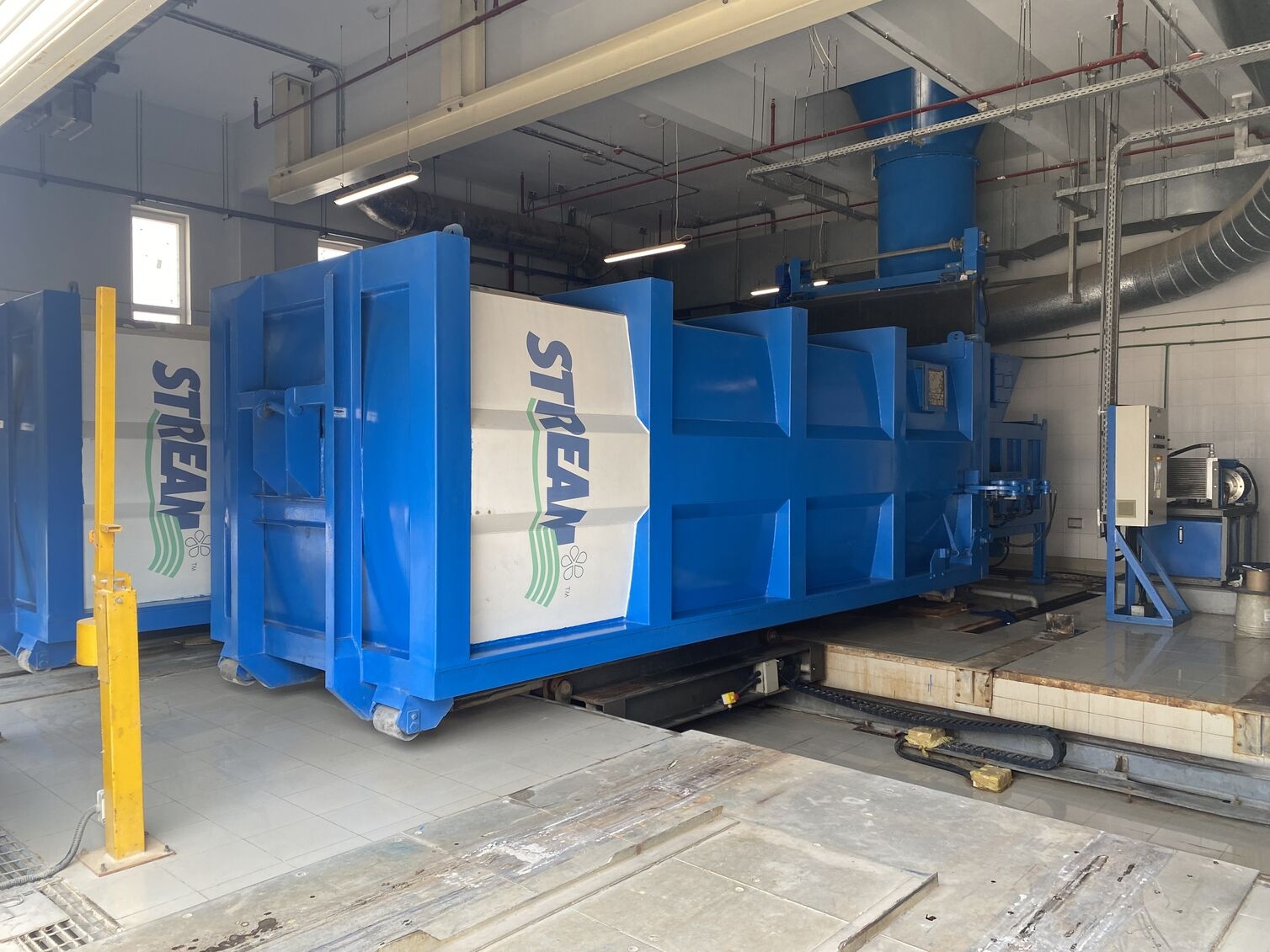
The Challenge of Modern Waste Management
Managing waste efficiently has become a critical operational challenge for residential and commercial sectors. As sustainability targets tighten and operational costs rise, organization face a stragetic choice: continue with manual, conventional waste handling or transition to automated waste management systems?
While traditional conventional methods may seem manageable at a glance, Automated Waste Collection System (AWCS) offer long-term financial, operational, and environmental advantages. Below, we break down how both approaches stack up-and which option comes out on top.

Cost Efficiency & Long-Term Return of Investment (ROI)
Conventional Waste Handling: Relying purely on manual labor and basic disposal methods incurs ongoing, hidden costs. High labor expenses, continuous training, potential injuries, and inefficient collection schedules frequently drain company resources.
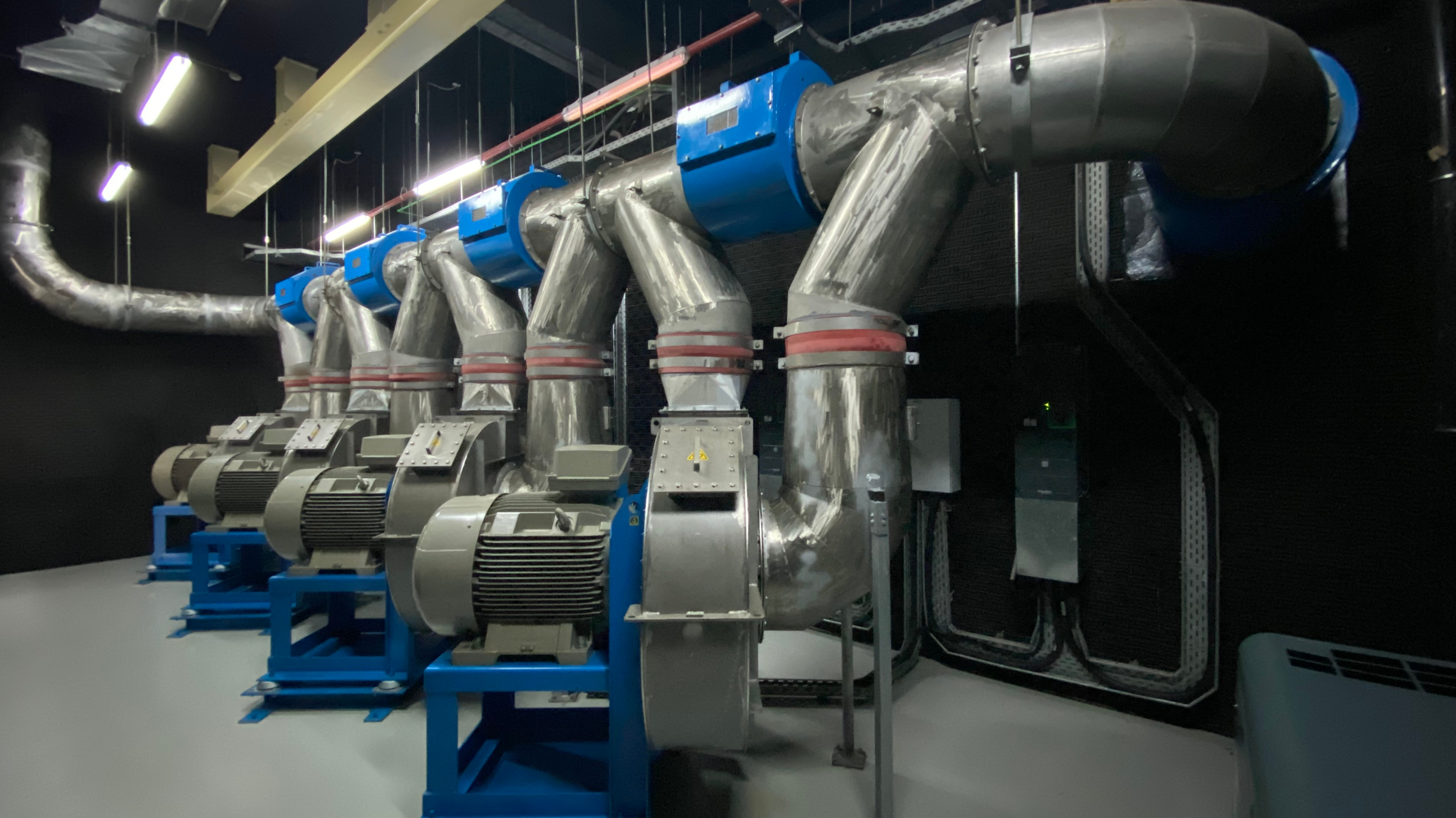
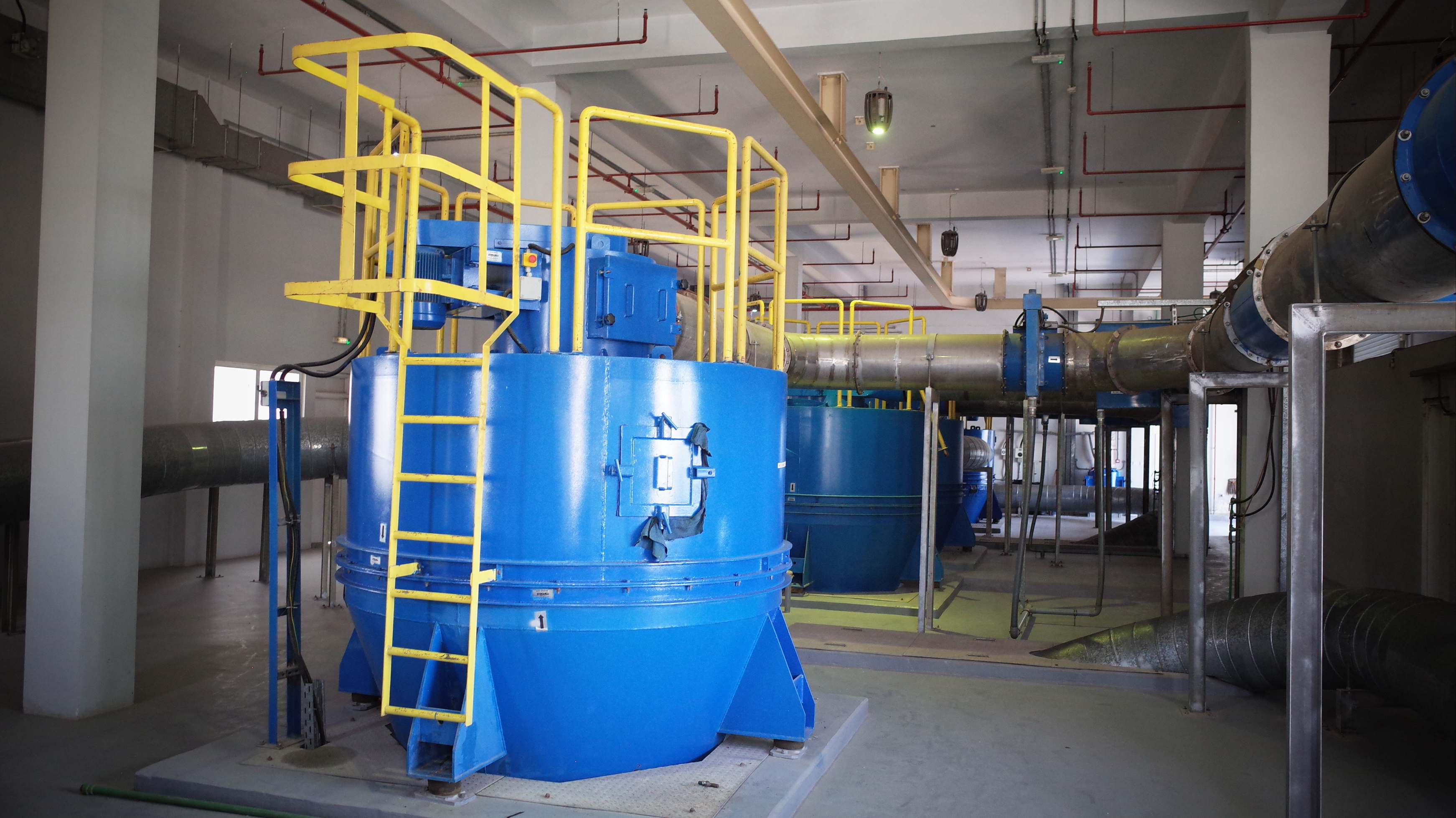
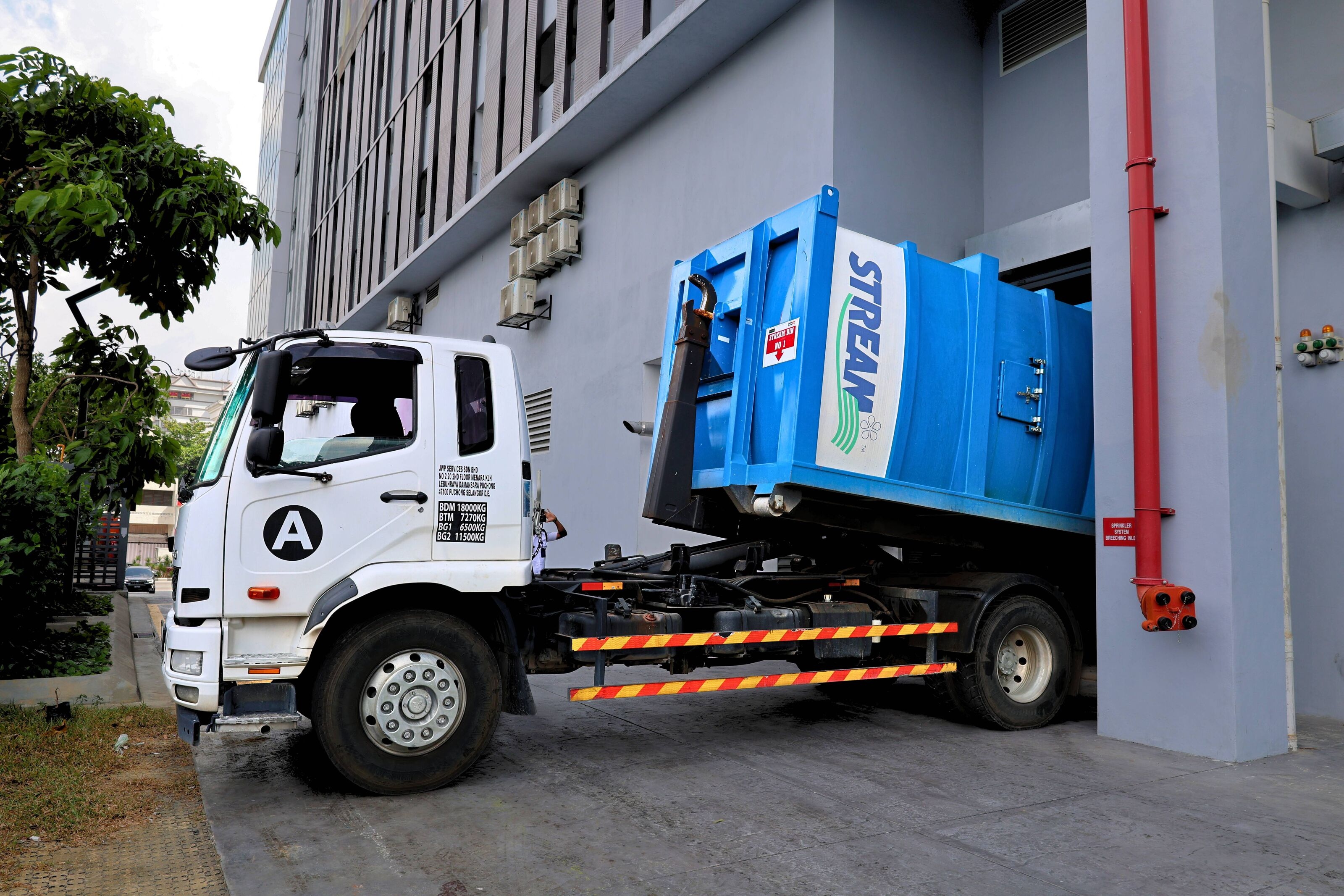
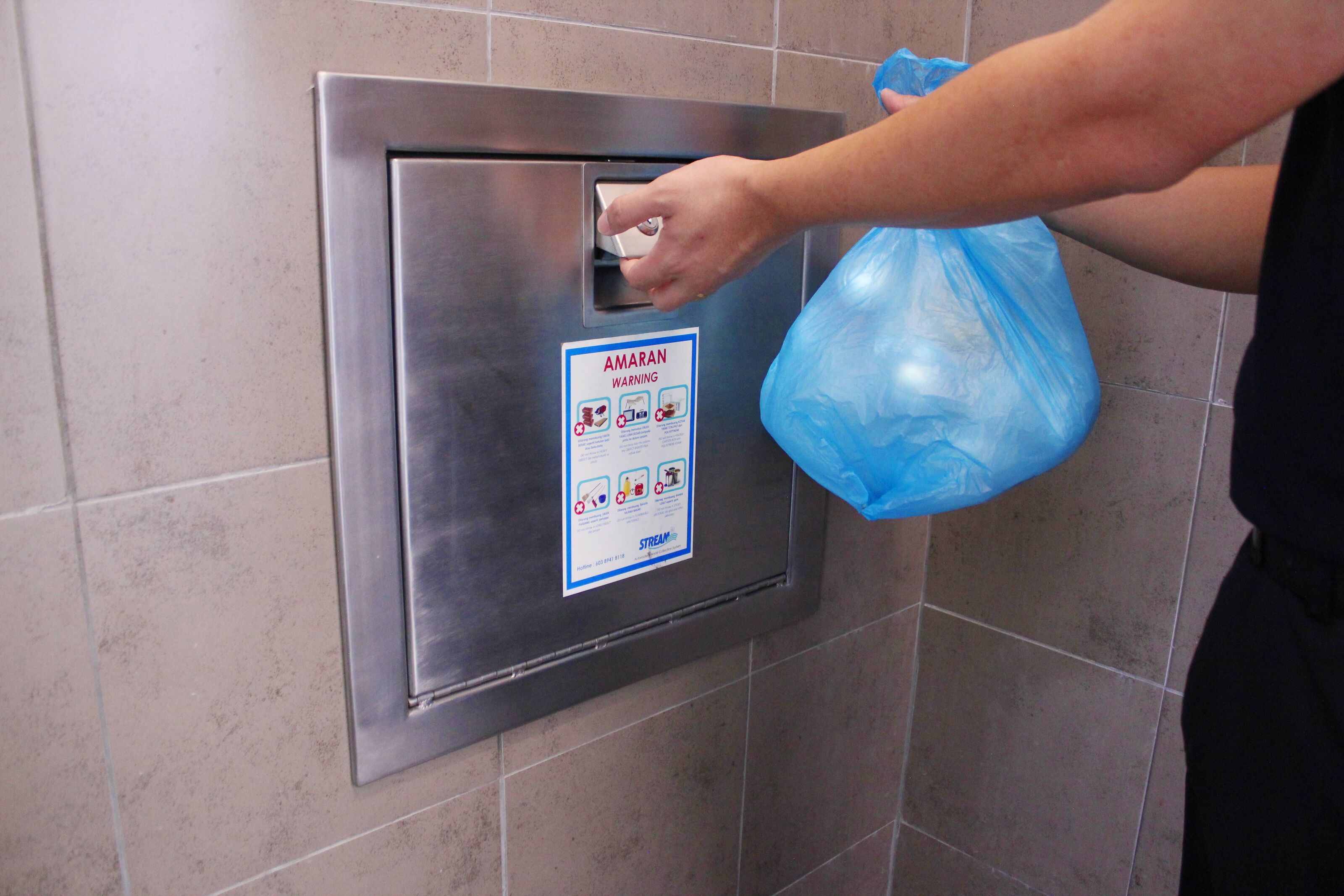
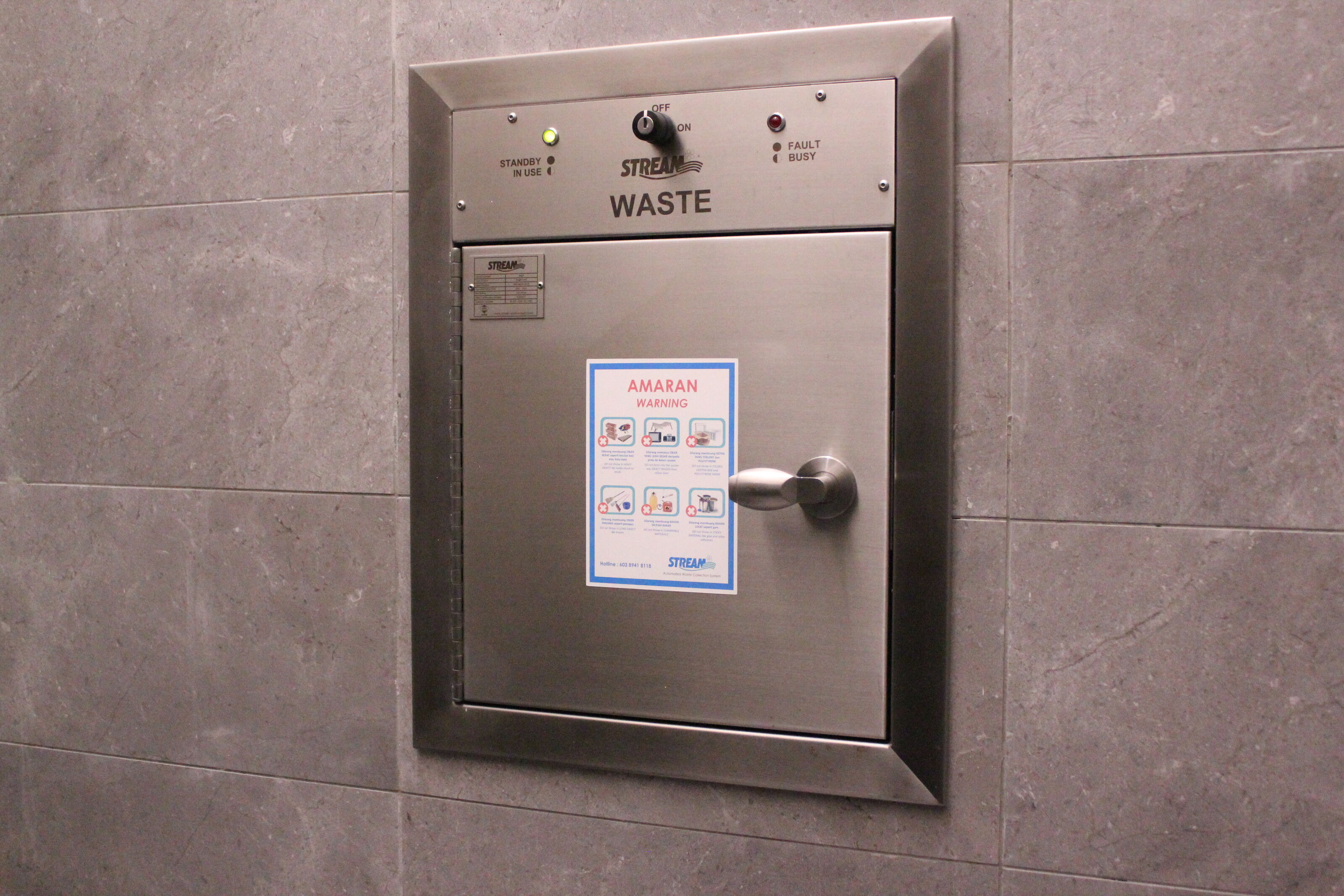
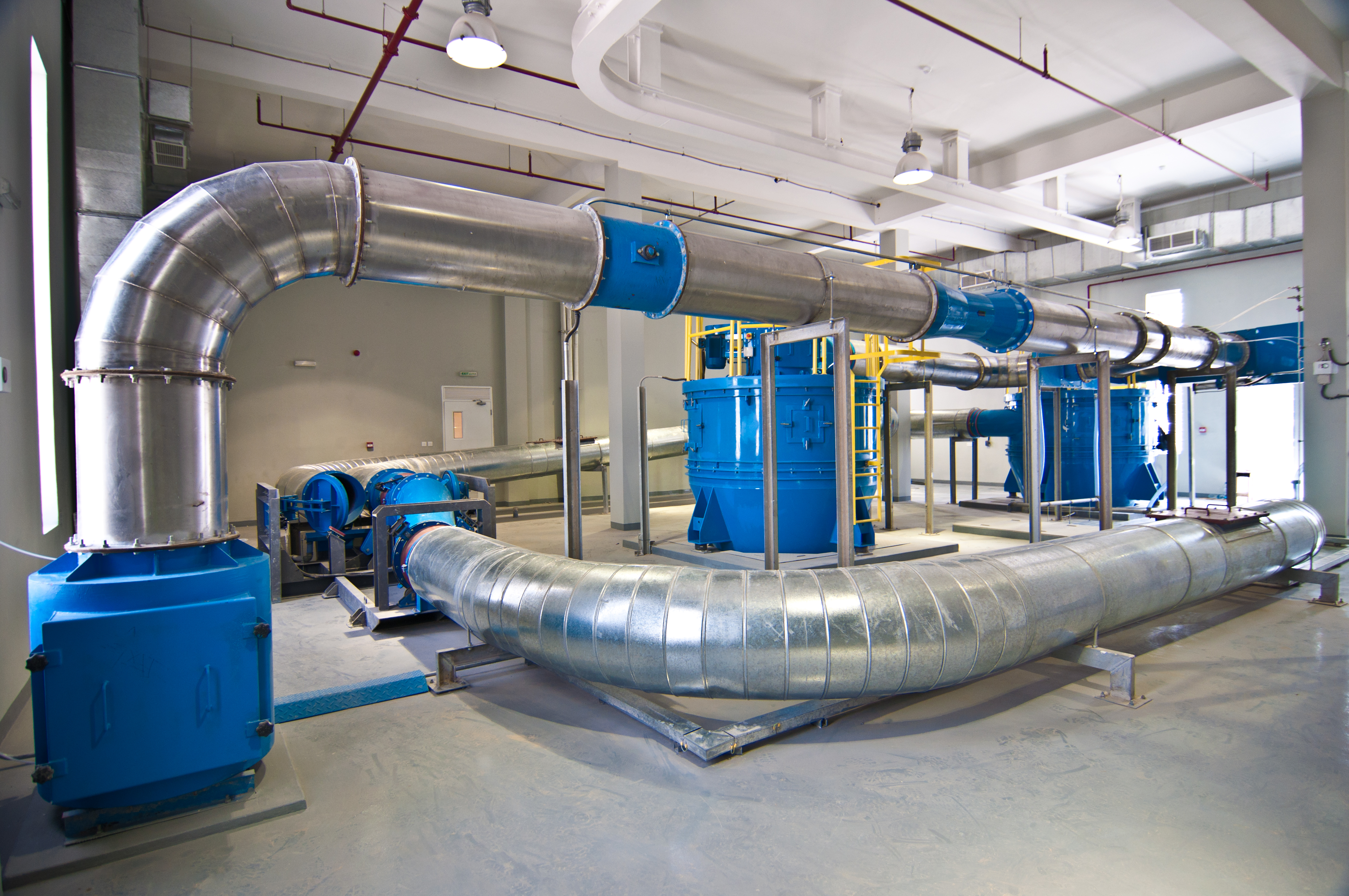
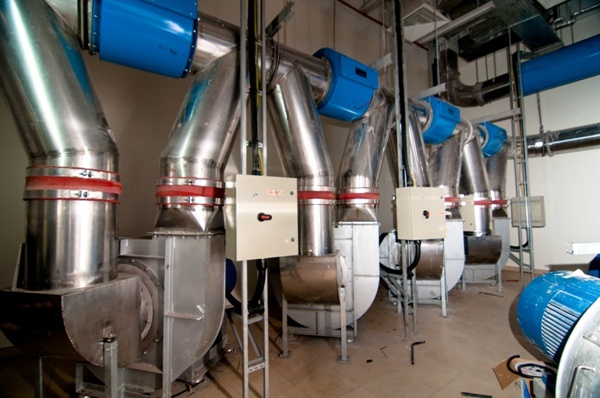
Automated Waste Collection System (AWCS): While AWCS (such as smart compactors, automated sorting lines, or vacuum conveyance systems) require an initial capital investment, they significantly lower long-term overhead. By optimizing collection routes, minimizing labor requirements, and reducing transport frequencies, companies typically see a strong return on investment (ROI) within a short payback period.
Operational Efficiency & Workplace Safety
Conventional Waste Handling: Relying purely on manual labor and basic disposal methods incurs ongoing, hidden costs. High labor expenses, continuous training, potential injuries, and inefficient collection schedules frequently drain company resources.
Automated Waste Collection System: While automated systems (such as smart compactors, automated sorting lines, or vacuum conveyance systems) require an initial capital investment, they significantly lower long-term overhead. By optimizing collection routes, minimizing labor requirements, and reducing transport frequencies, companies typically see a strong return on investment (ROI) within a short payback period.
Sustainability & Compliance Standardization
Conventional Waste Handling: Sorting materials manually often leads to low recycling yields due to cross-contamination. Additionally, manual tracking makes regulatory reporting and compliance auditing cumbersome and error-prone.
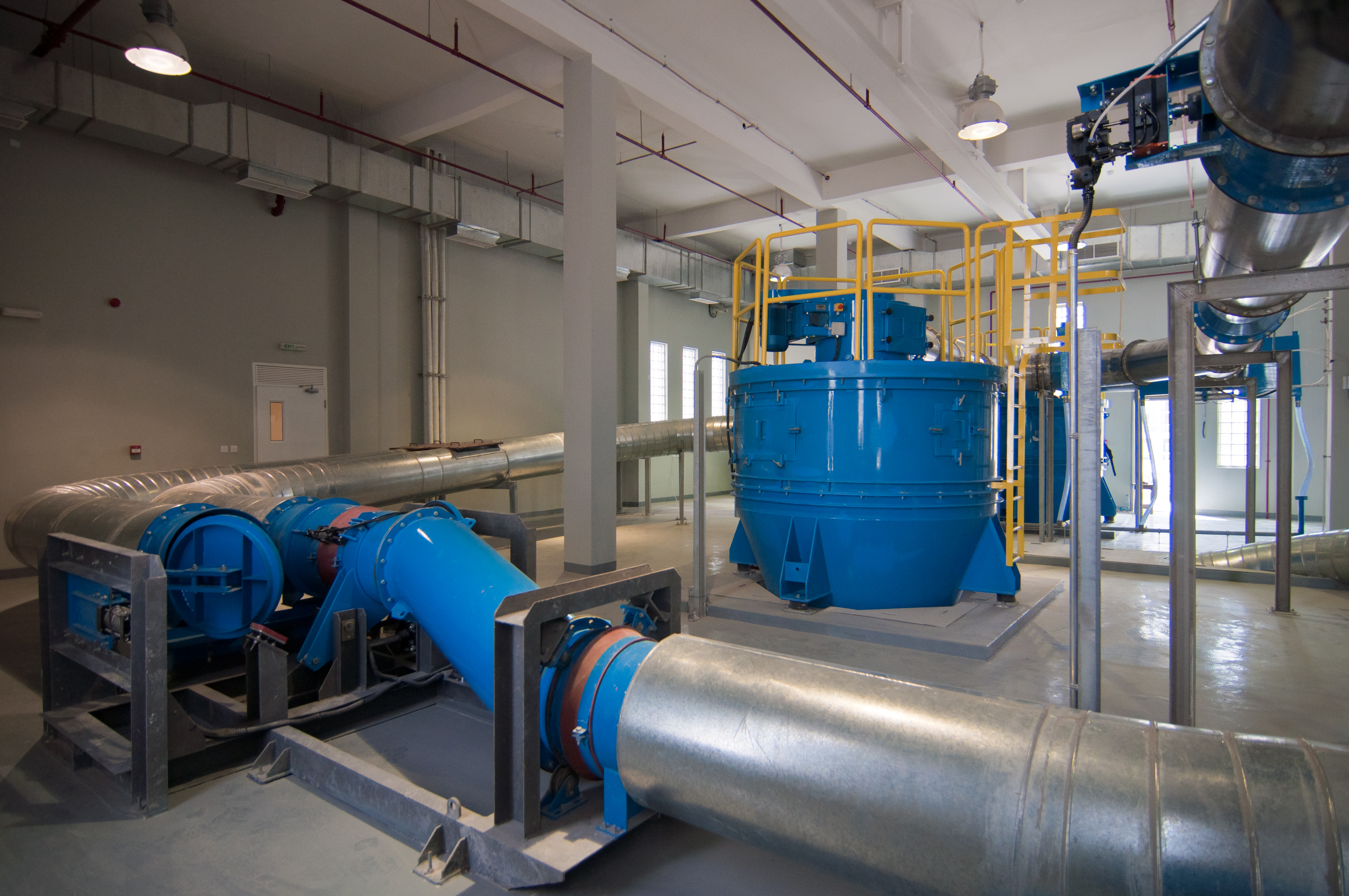
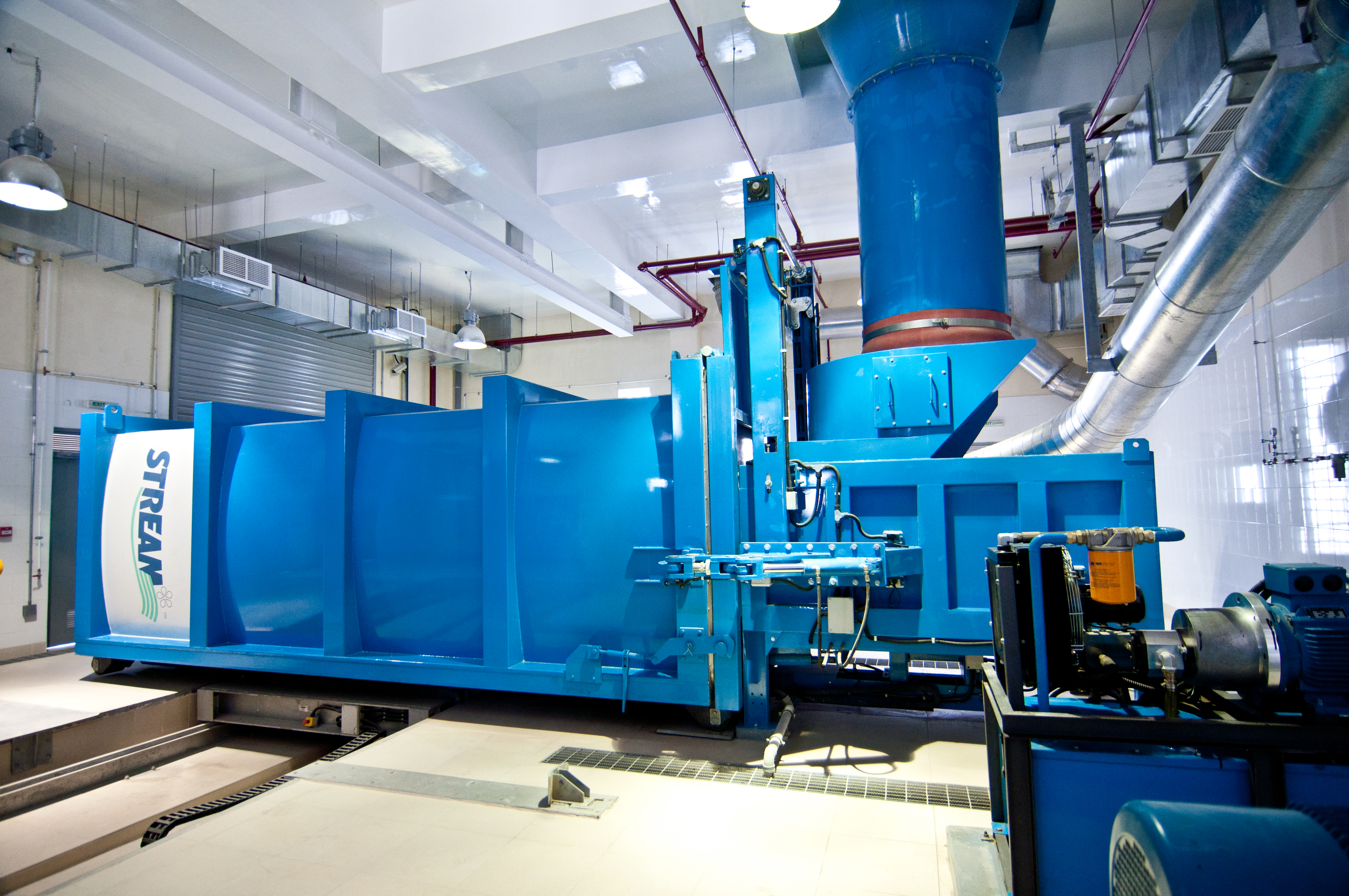
Automated Waste Collection System: Automatically directs each waste fraction into its designated container, drastically improving material recovery rates. Built-in digital tracking systems log waste volumes and diversion rates, simplifying ESG reporting and supporting compliance with environmental regulations.
The Verdict: What Wins?
For small operations with minimal waste output, traditional in-house handling may suffice in the short term. However, for growing enterprises, high-volume facilities, and modern commercial properties, Automated Waste Collection System (AWCS) win outright.
Automation delivers a safer work environment, lowering recurring costs, higher sustainability compliance, and superior operational speed.
Ready to Revolutionize Your Waste Management?
Don't let outdated waste handling slow down your operations or eat into your profits. Modernize your waste processes with cutting-edge automated solutions tailored to your business needs.