
Navigating PEPC Endorsements and Statutory Liability for Automated Waste Infrastructure
Integrating an Automated Waste Collection System into a high-density development involves far more than vendor procurement and installation. It requires statutory compliance under the Registration of Engineers Act 1967. That Act was revised in 2015 and is administered by the Board of Engineers Malaysia.
At Stream Environment, we work alongside appointed PEPCs to ensure every AWCS submission to the Board of Engineers Malaysia is properly coordinated across mechanical, civil and electrical disciplines.
Under that Act, engineering plans submitted for statutory approval must come from a Professional Engineer with Practising Certificate, or PEPC. A Professional Engineer without a practising certificate cannot act as submitting person. The 2015 amendment made that distinction explicit.
AWCS sits awkwardly across several disciplines at once. It combines civil utility design, mechanical vacuum plant, structural penetrations and automated control systems. Understanding who carries legal responsibility for each element prevents plan rejections and redesign costs. It also prevents disputes years after handover.

Why BEM Endorsement Turns Proprietary Technology Into Approved Infrastructure
AWCS technology relies on proprietary design. Converting vendor specifications into approved municipal infrastructure is a separate exercise, and Malaysian law governs it.
A registered Mechanical PEPC verifies system fluid dynamics, pipe wall thickness and operating pressure limits. STREAM systems transport waste at roughly 20 to 25 metres per second. That velocity generates real dynamic loading inside the pipe network. Certified drawings must therefore demonstrate structural integrity under peak conditions rather than typical ones.
Environmental compliance runs alongside. Certified engineers validate the vacuum exhaust plant. Acoustic silencers, bio-filters and odour scrubbers must satisfy Department of Environment requirements. Electrical endorsement covers fail-safe integration with the Building Management System
Key Regulatory Roles in AWCS Plans Submissions
Under the REA amendments and local authority guidelines, any building or infrastructure plan submitted for statutory approval must be signed off by an authorized Submitting Person (SP) practicing under a registered Engineering Consultancy Practice (ECP). For AWCS projects, multiple engineering disciplines must collaborate for BEM compliance
Mechanical PEPC
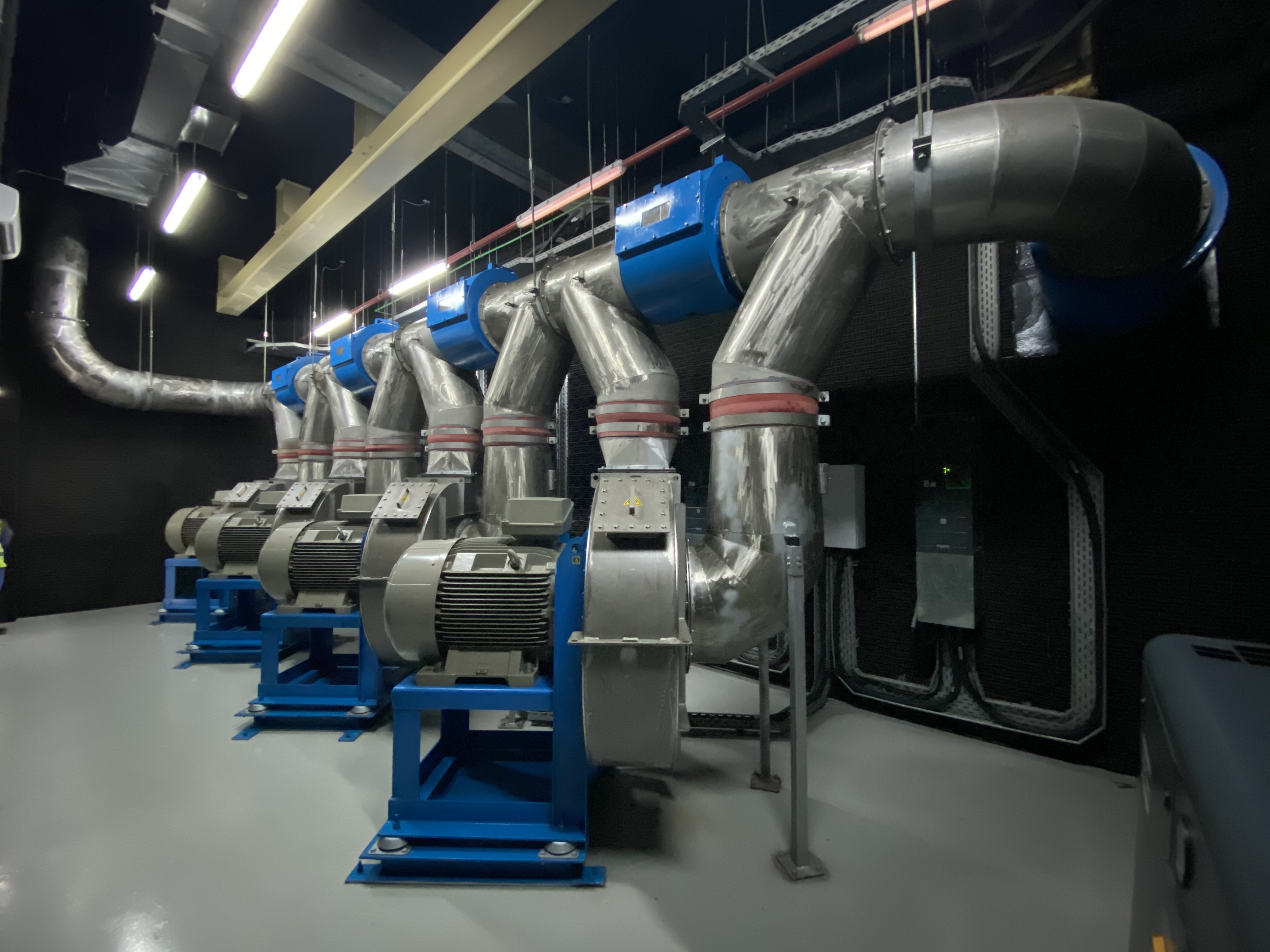
Holds responsibility for the pneumatic machinery itself. That covers vacuum exhausters, automated discharge valves, high-velocity air handling, pressure sensors and central collection station operations.
Civil & Structural PEPC
Endorses subterranean trenching, pipe alignment and load-bearing supports. Structural penetrations through basements and civil containment structures at the central plant also fall here.
Electrical PEPC
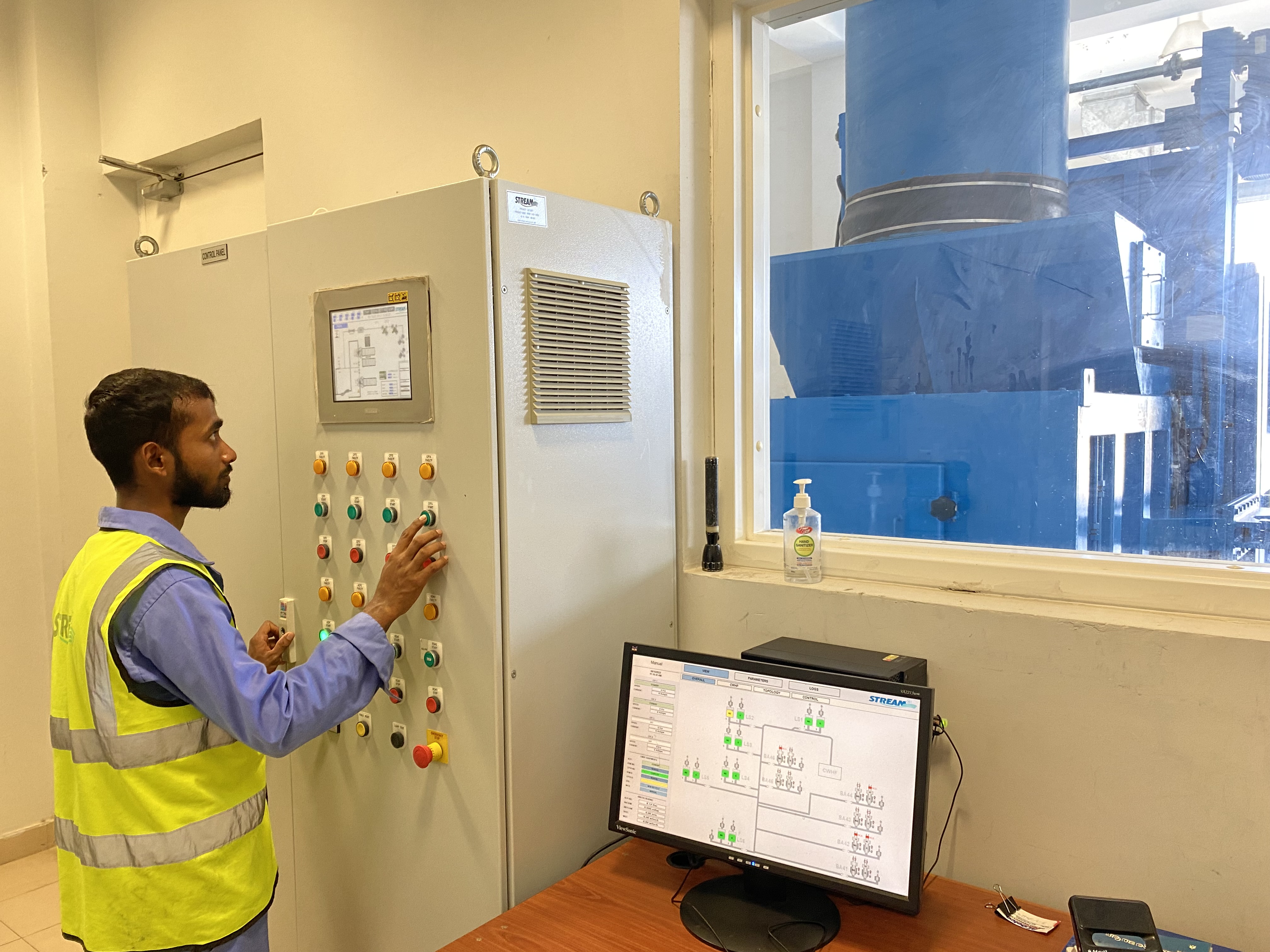
Signs off heavy power distribution, variable speed drives, emergency cut-off protocols and the automated PLC control panels running the system.
Specialist Product Endorsement
Section 8A of the Act allows a Professional Engineer to submit plans or drawings connected with equipment, plant or specialist products. Those products must be invented or sold by that engineer or their employer. Liability remains with that engineer even where they did not personally prepare the drawings.
One point is frequently misunderstood here. Section 8A does not remove the PEPC requirement for the submission itself. For proprietary systems, the submitting person to the local authority must still be a PEPC. Vendor endorsement supports the submission; it does not replace it.
Why Statutory Sign-Off Matters for Your Project
PEPC endorsement establishes that the system meets national standards for pipe stress, wall thickness and pressure rating. High-velocity waste transport creates dynamic forces a generic mechanical review will not adequately assess. Local authorities, Bomba and environmental agencies all expect properly certified documentation.
The longer-term argument matters more. Board of Engineers Malaysia endorsement establishes single-point legal accountability across a building lifecycle measured in decades. Drawings and penetrations backed by a qualified practising certificate protect asset owners and property managers. Later liability, insurance complications and disputed maintenance responsibility all become easier to resolve.
Buried infrastructure makes this acute. A pipe network beneath a completed development cannot be inspected or replaced easily. The documentary record of who certified what becomes the primary evidence available years afterwards.

Where Multi-Discipline Projects Typically Come Unstuck
Liability on an AWCS project cannot be treated as a generic mechanical sign-off. The technology spans civil trenching, structural penetrations, mechanical vacuum lines and automated control systems. Problems cluster at the boundaries between them.
Structural penetrations are the common example. A pipe passing through a basement wall involves mechanical design, structural capacity and waterproofing. Each discipline may reasonably assume another has taken responsibility. Resolving that ambiguity in the appointment documents, rather than at submission, is the practical fix.
Single-Point Legal Responsibility under Act 138
Under the Registration of Engineers Act 1967, the Submitting Person (SP) holds direct statutory accountability. Establishing clear liability boundaries between the Lead M&E Engineer and Civil & Structural (C&S) PEPC prevents legal disputes should operational or structural faults occur
Mitigating Cross-Disciplinary Omissions
Without early PEPC alignment, critical engineering intersections - such as structural sleeve clearances, heavy equipment floor-loading limits, and high-voltage supply design - are frequently overlooked, leading to costly site rectifications
Fire Safety & Spatial Coordination Compliance
Early PEPC coordination ensures AWCS pipe penetrations through fire walls comply strictly with Jabatan Bomba dan Penyelamat Malaysia (JBPM) fire-stopping codes, while subterranean pipe routes align with local council utility corridor mapping
Contractual Safeguards for Asset Owners
Developers must ensure that system suppliers work directly alongside BEM-registered Engineering Consultancy Practices (ECPs). This guarantees that proprietary AWCS technical data is legally backed by a practising certificate before local council submission
Documentation Worth Keeping
Endorsement is a point in time; liability is not. Board of Engineers Malaysia registration records confirm who was certified to sign what, and when. Keep the certified drawings, the discipline appointment letters, the DOE clearance correspondence and the as-built records together and accessible, because the parties who need them in fifteen years will not be the parties who filed them. Handover packs that separate AWCS documentation from general M&E records tend to survive a change of managing agent far better than those that do not.
Navigating BEM Standards With STREAM
Coordinating multi-disciplinary submissions early keeps developments on programme and properly certified. Contact Stream Environment to discuss statutory coordination for your next AWCS project.
From master planning through to final PEPC endorsement, STREAM works alongside appointed consultants on statutory compliance. Coordinating multi-disciplinary submissions early keeps developments on programme and properly certified. The approach is proven across Malaysian projects including Merdeka 118 and Aspen Vision City.
This article outlines general requirements only. Statutory obligations vary by project, local authority and current BEM circulars. Confirm specifics with your appointed PEPC and the Board of Engineers Malaysia before any submission.
Frequently Asked Questions
1. Can a Professional Engineer without a practising certificate submit AWCS plans?
No. Only a PEPC may act as submitting person. A PE may endorse plans relating to proprietary equipment under Section 8A. The submission to the local authority still requires a PEPC.
2. Does one PEPC cover the whole AWCS submission?
Generally not. Section 8(2) limits a PEPC to their own branch of engineering. Mechanical, civil and structural, and electrical elements therefore require separate endorsement.
3. Who holds liability if the vendor prepared the technical drawings?
The endorsing engineer. Under Section 8A, liability attaches to the Professional Engineer who submits, even where that engineer did not personally prepare the drawings.
4. When should statutory coordination begin?
At master planning. Pipe routing, structural penetrations and plant room location all need discipline sign-off. Resolving those at concept stage avoids resubmission.
5. What environmental approvals apply to the exhaust plant?
Vacuum exhaust plant must meet Department of Environment standards for emissions and noise. In practice that means acoustic silencers, filtration and odour treatment certified as elements of the design.