
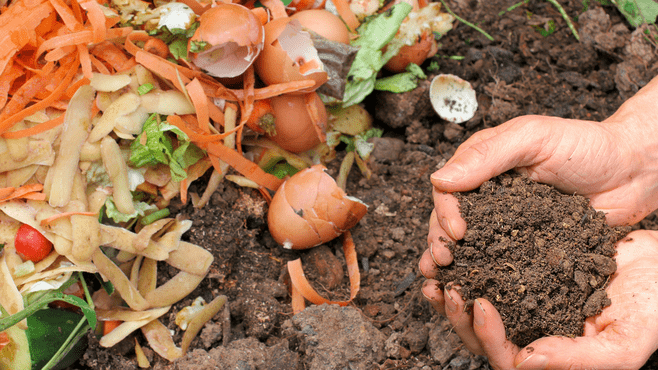
The Organic Waste Challenge in Urban Ecosystems
Organic refuse behaves nothing like dry recyclables. In high-density developments, wet food scraps create a distinct set of operational problems. Leachate leaks and rapid bacterial growth head the list. As cities pursue sustainability targets, effective food waste management has shifted from a housekeeping task to an engineering decision. Developers and facility managers now need to get it right early.
At Stream Environment, we engineer sealed pneumatic food waste management systems that eliminate leachate, odour and manual bin handling from high-density developments.
The scale is not marginal. SWCorp reports that food waste accounts for just over 40% of the 36,900 tonnes of solid waste Malaysia generates daily. Of the 141 landfills currently in use nationwide, only around a fifth are engineered sanitary sites. The rest lack leachate treatment and gas venting. Organic waste is the single largest stream, and the infrastructure receiving it is under real strain.
Conventional wheelie bins and ambient waste rooms are fundamentally unsuited to this material. Raw kitchen scraps begin fermenting within hours, producing corrosive liquids and pungent gases. Sending labourers to haul heavy, wet bins through service lifts and loading bays guarantees spillage. Odours linger in public corridors, and property standards degrade steadily.
Removing those vulnerabilities means removing manual bin handling altogether. STREAM addresses this with enclosed, high-velocity pneumatic networks. Wet food waste travels directly from kitchen areas to sealed central facilities, which halts decay, leaks and contamination at source.

Why Conventional Bins Fail with Organic Waste
Toxic Leachate and Surface Contamination
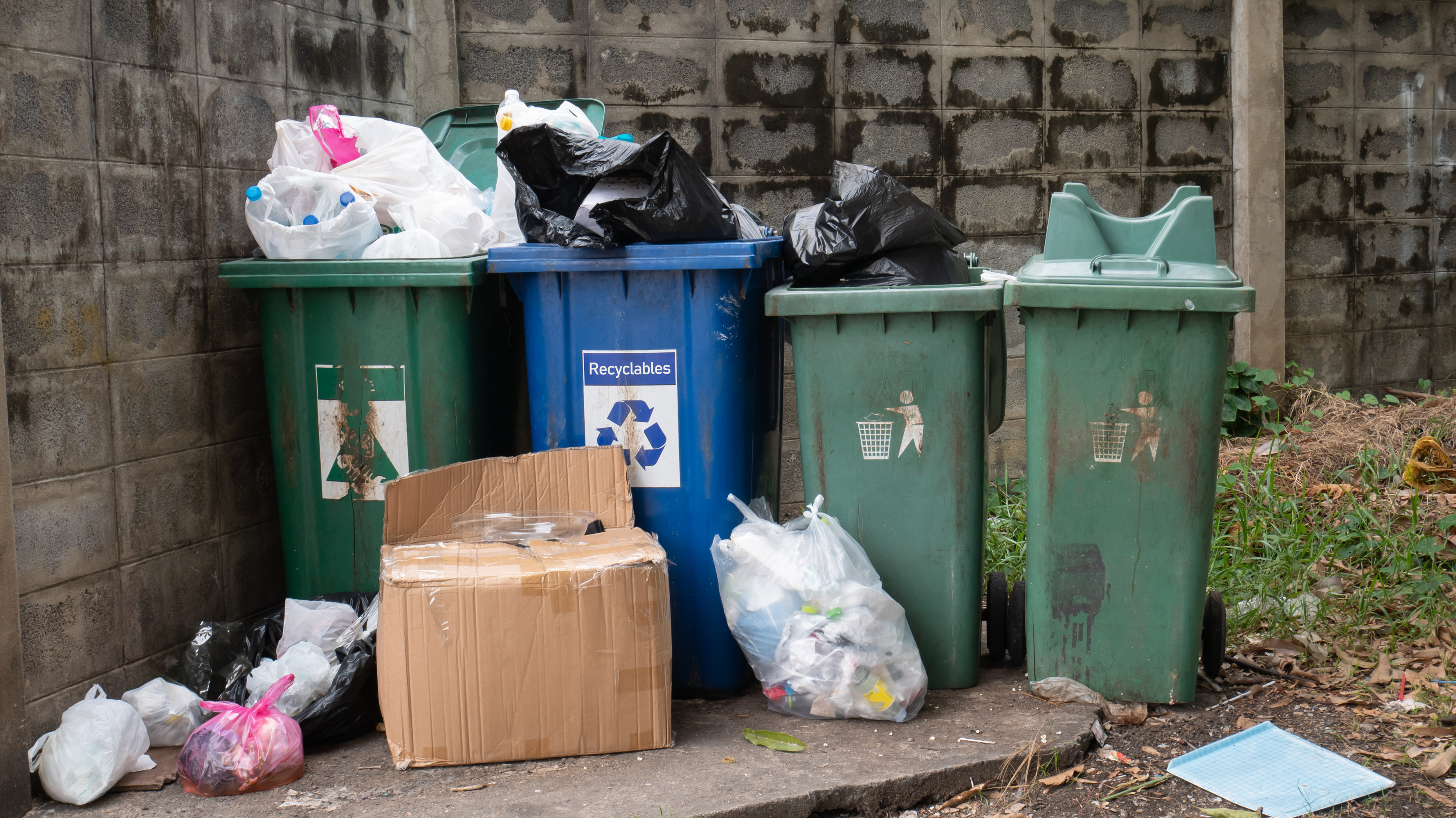
Heavy, moisture-laden food waste routinely tears standard rubbish bags. Corrosive, foul-smelling leachate then pools in bin rooms and leaks across service corridors. Permanent floor staining follows, along with damaged finishes and dangerously slippery surfaces in high-traffic service zones.
Accelerated Fermentation and Sour Odours
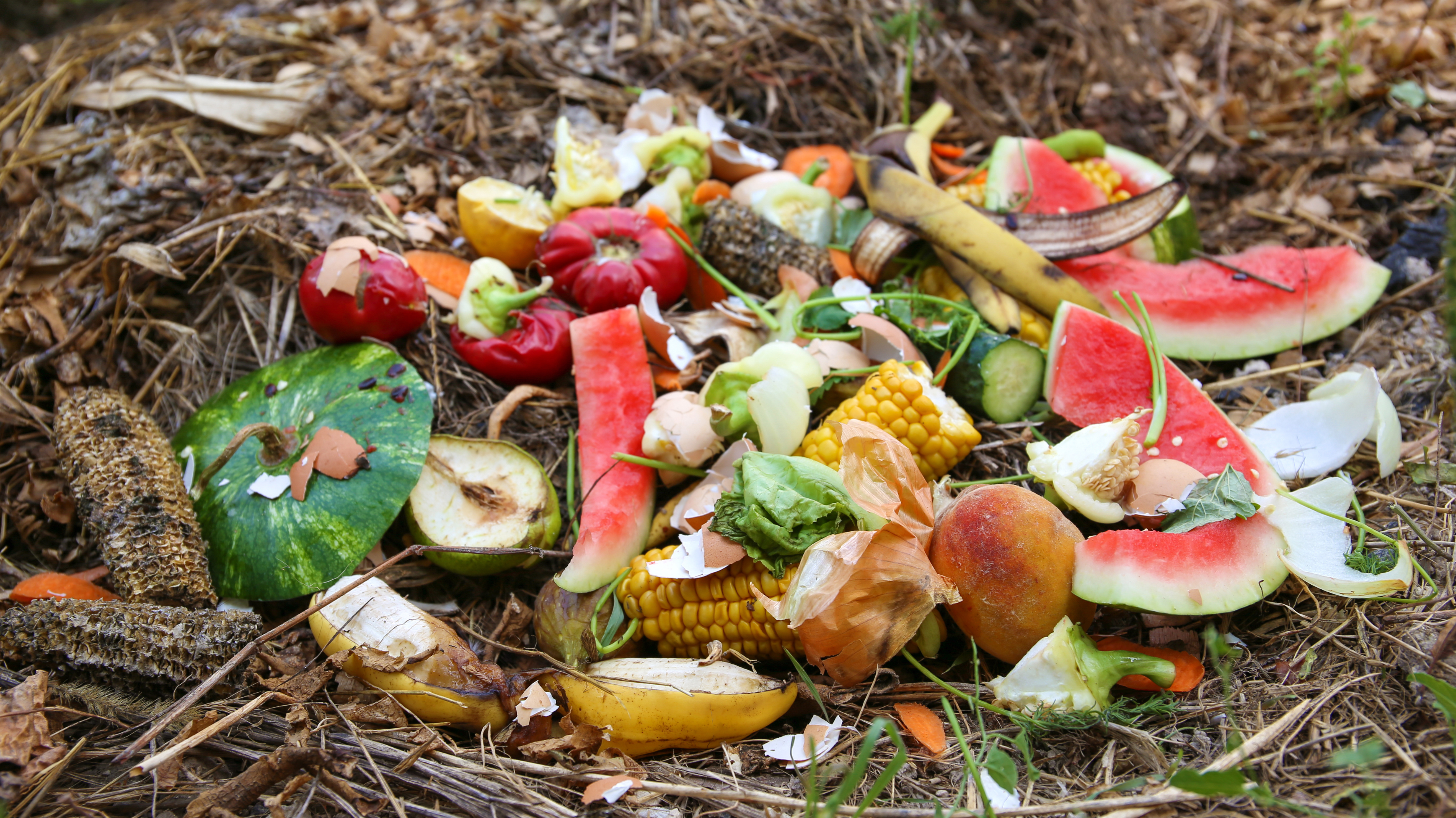
In warm, humid conditions, organic waste ferments almost immediately. The characteristic sour smell comes from hydrogen sulphide, ammonia and volatile fatty acids. Methane, contrary to common assumption, is odourless. Those compounds seep into lifts, car parks and public plazas, and residents notice long before facility managers do.
Why Conventional Bins Fail with Organic Waste
- Vectors for Disease and Food Safety Risk
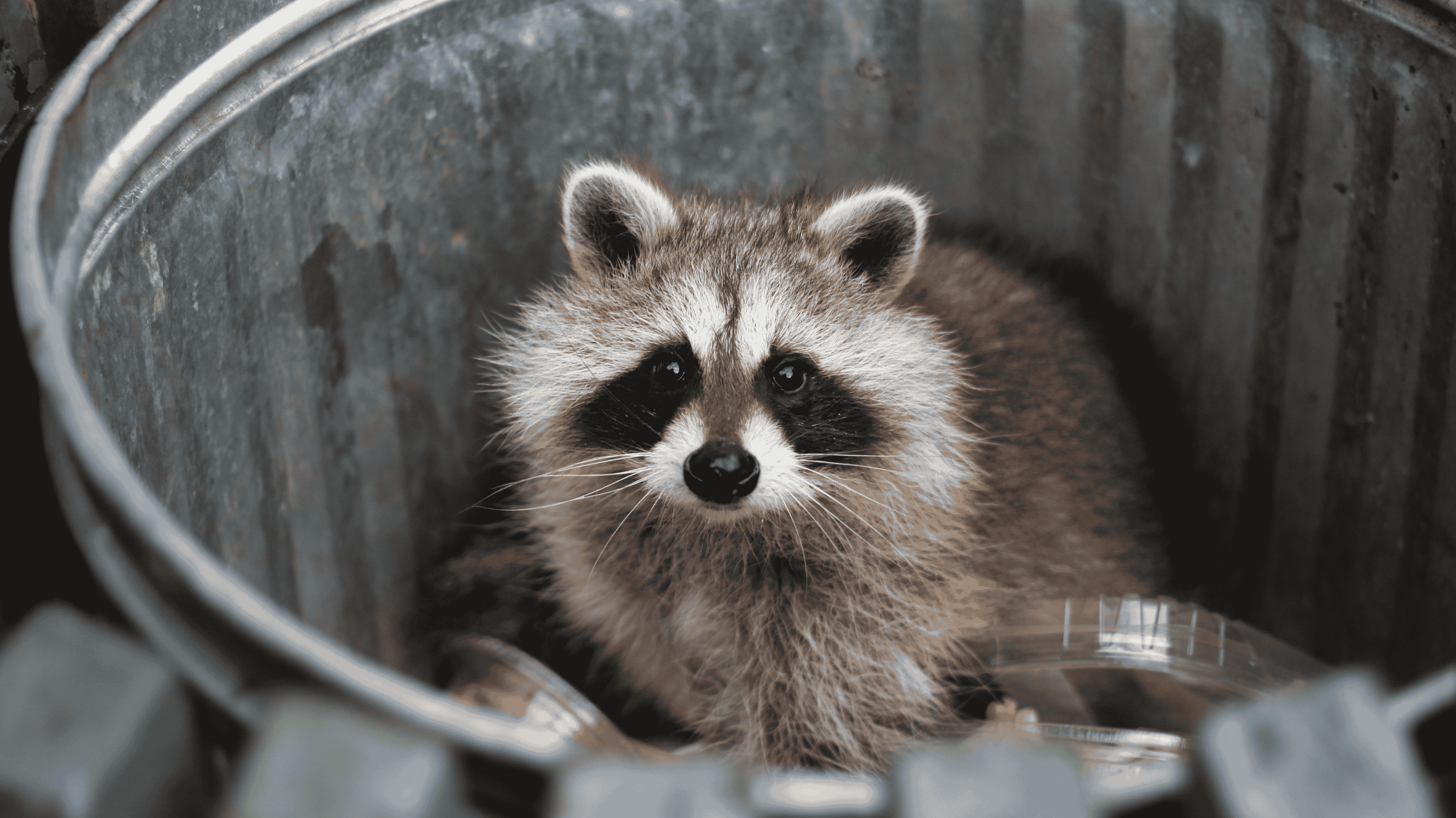
Exposed food waste is a primary feeding ground for flies, cockroaches and rodents. Where waste rooms sit near commercial kitchens, food courts or residential floors, pest activity creates cross-contamination risk. Health and sanitation compliance is jeopardised alongside it.
- Labour-Intensive and Hazardous Handling
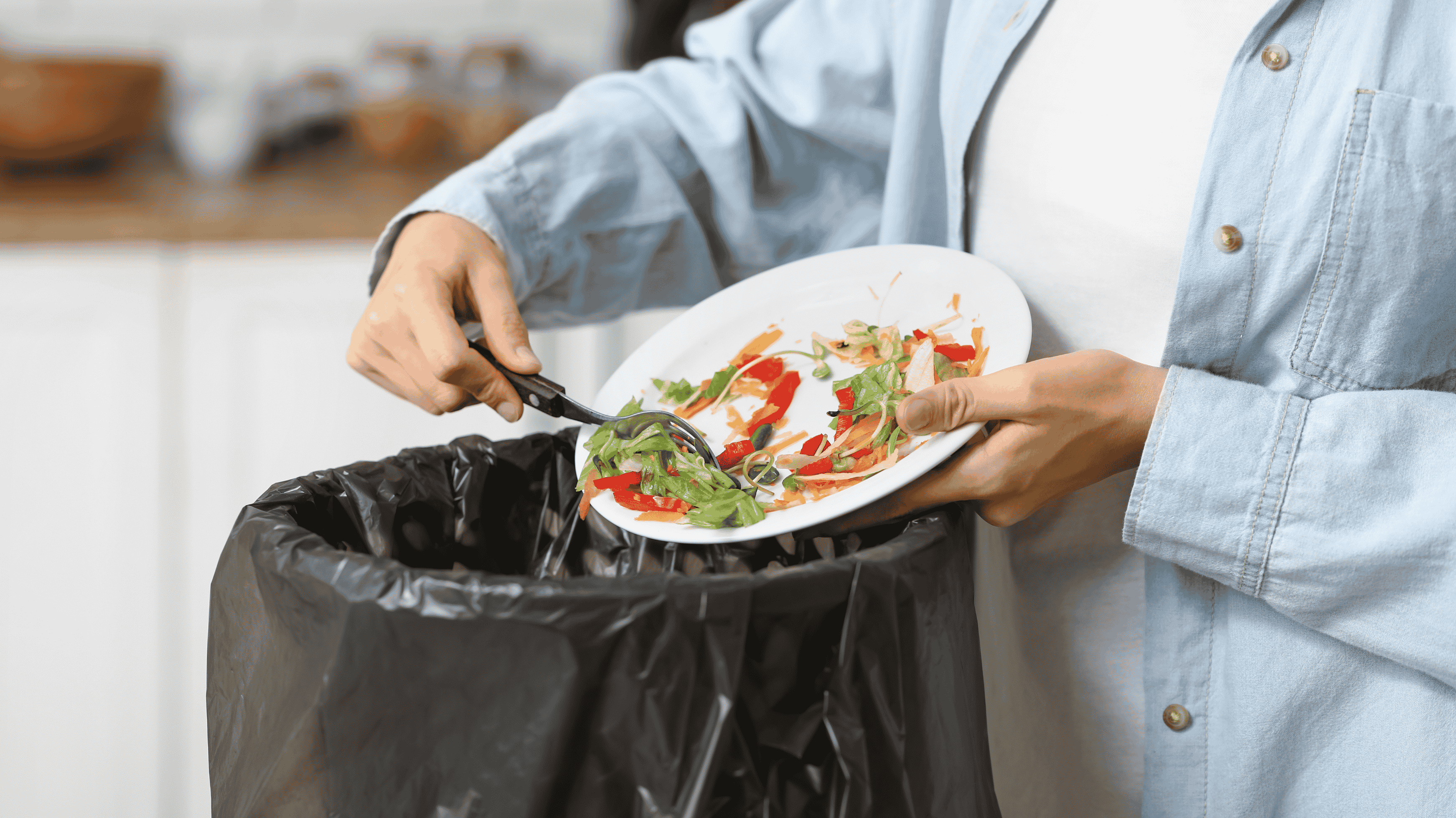
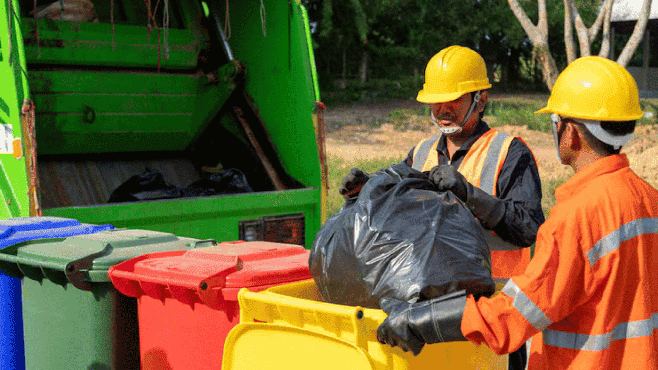
Dragging waterlogged bins from individual floors to loading bays is physically demanding and unhygienic. Injuries follow and staff turnover rises. Bottlenecks then appear precisely when volumes surge during peak dining hours.
STREAM Pneumatic Automation
Fully Sealed Pneumatic Transport
Eliminating surface sanitation failures means treating organic refuse as an underground utility. STREAM's Automated Waste Collection System replaces manual bin transport with sealed pneumatic pipe networks.Continuous Negative Air Pressure
The pipe network operates under vacuum. Gases and odours stay trapped inside the system. Exhaust air passes through filtration before discharge, so public areas stay clear of smell.Total Pest Exclusion
Fully enclosed subterranean transport denies flies, cockroaches and rodents any access point. There is no open bin, no staging area and no exposed bag for pests to reach.Clean Source Separation for a Circular Economy
Dedicated organic inlets keep the food waste stream uncontaminated. Clean organic material can then go directly to anaerobic digestion or composting facilities instead of landfill.
100% Sealed Pneumatic Transport
Food waste is deposited directly into ergonomic kitchen inlets and sucked underground at high speeds, completely preventing leachate leaks, spills, or surface clutter.
Continuous Negative Air Pressure
The sealed pipe network operates under vacuum pressure, trapping methane gases and odours inside the system so public areas remain 100% scent-free
Total Pest Exclusion
Completely enclosed subterranean transport denies flies, rodents, pressure, trapping methane
Clean Source-Separation for Circular Economy
Dedicated organic disposal chutes ensure unpolluted waste streams that flow straight to anaerobic digestion and composting facilities.
Elevating Urban Hygiene in High-Density Developments
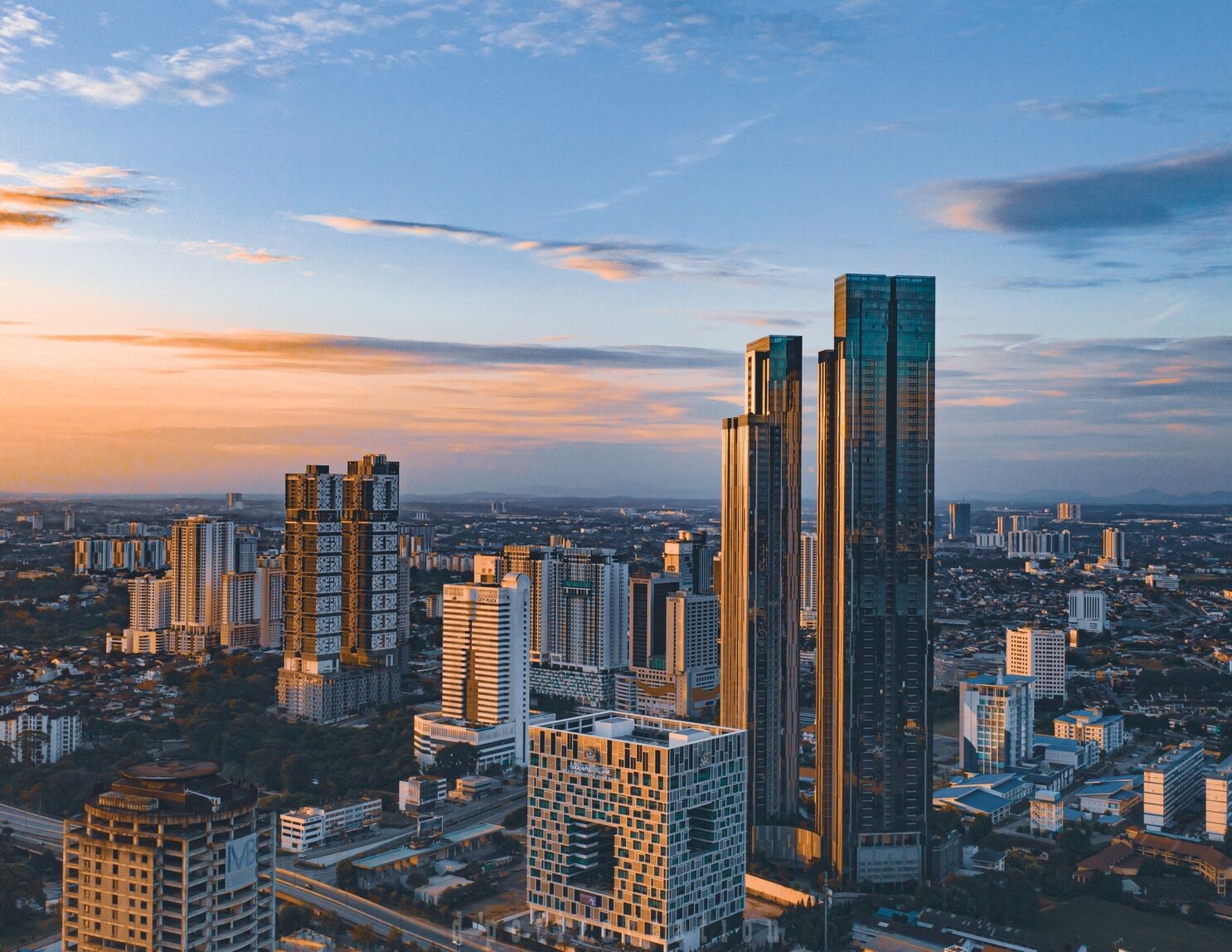
Master-planned developments including Aspen Vision City in Penang and Merdeka 118 in Kuala Lumpur rely on STREAM's vacuum infrastructure. Major hubs across Singapore and Dubai do the same. In dense cities and landmark towers, moving large volumes of organic refuse by lorry and manual bin creates severe logistical bottlenecks.
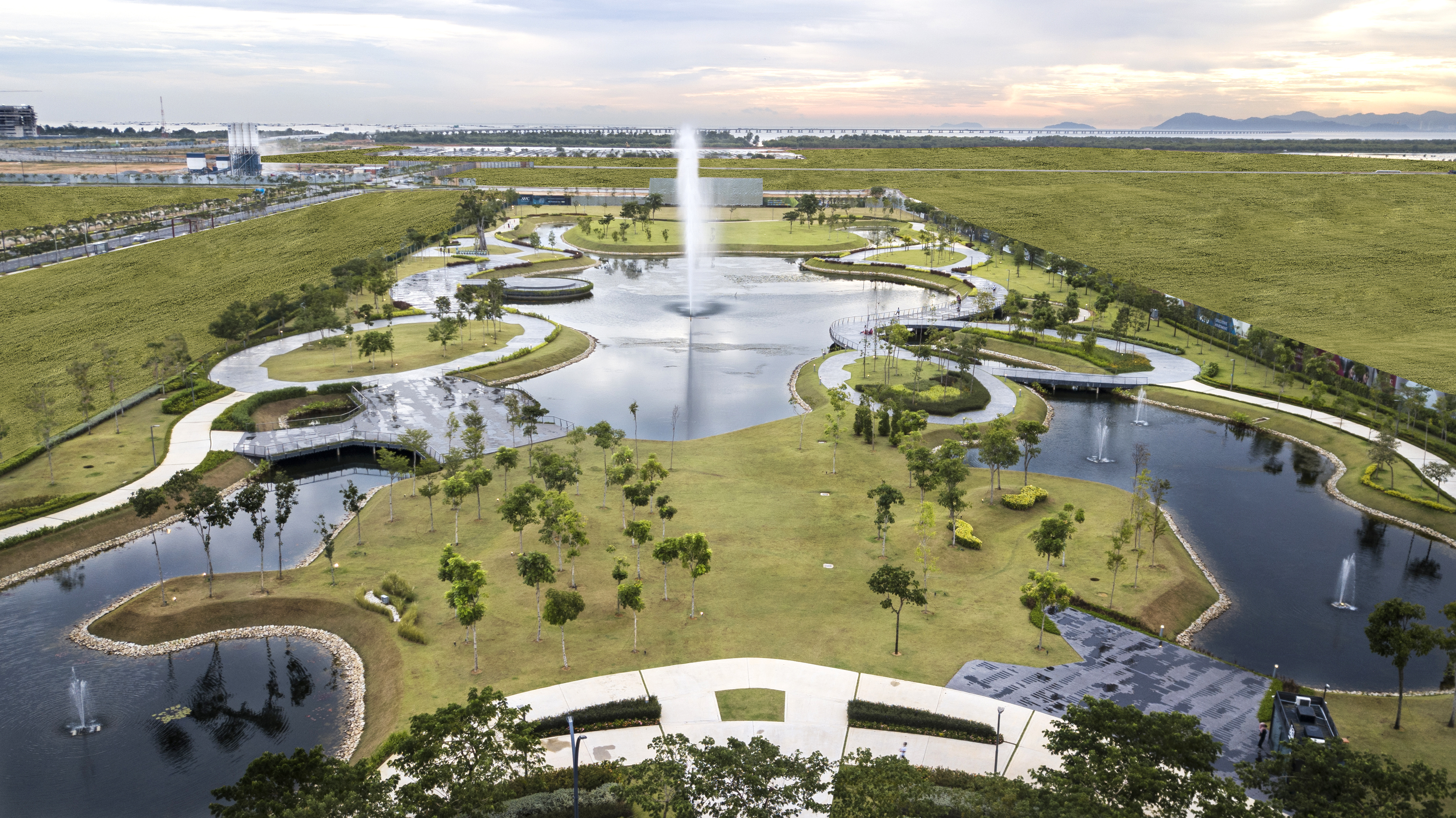
An Automated Waste Collection System removes surface-level waste staging and reduces traffic congestion. Ground-floor real estate returns to green space and commercial amenities. Sealed networks carry organic waste to central processing under negative pressure, keeping odour, leachate and pests away from dining and residential zones. Replacing manual labour with automated subterranean transport lowers operational carbon footprints at the same time.
Retrofitting Versus Designing It In
Food waste management is easier to solve at master-plan stage than after handover. Kitchen inlet positions, riser routing and the location of the central facility are cheap decisions on a drawing and expensive ones on a finished site. Retrofits are achievable, and STREAM has delivered them, but a system designed alongside the building will cost less and perform better. Raising it with your M&E consultant before the layout freezes is the single highest-value step available.
Revolutionising Food Waste
Food waste is the hardest stream in any building to manage well, and the one conventional bins handle worst. Sealing it inside a pipe network from the kitchen inlet onwards removes three problems at once: the leachate, the odour and the manual handling.
For developers, that means cleaner communal areas and fewer facility management complaints. It also means recovered ground-floor space and a waste stream with genuine onward value. Good food waste management is no longer a back-of-house afterthought. It is a design input.
Partner with STREAM to Engineer Cleaner Developments
By engineering customised, touchless waste utilities into master plans, we help you eliminate surface-level pollution, recover premium real estate, and set a global benchmark for clean, resilient, and scent-free communities.
Frequently Asked Questions
1. Can pneumatic systems handle wet food waste, or only dry refuse?
Both. STREAM'sFull Vacuum and Shuttle Vacuum Systems are specified for general waste, catering waste and food waste. Wet organic material is a stream the technology was designed around.
2. Does food waste need a separate chute from general refuse?
Yes, and that is the point. Dedicated organic inlets keep the stream uncontaminated, which is what makes anaerobic digestion or composting viable at the receiving end.
3. What stops odour escaping from a food waste inlet?
The network runs under continuous negative pressure, so air flows inwards rather than outwards. Exhaust air is filtered before discharge, and the inlet itself seals between uses.
4. Is this practical for a food court or commercial kitchen rather than a residential tower?
Very much so. Catering operations generate the highest organic volumes and the worst handling problems. Key-operated load stations are specified for exactly these environments.
5. What happens to the food waste after it reaches the central facility?
It is held in sealed containers and transferred to processing. Clean, separated organic material can go to anaerobic digestion for biogas or to composting rather than to landfill.