
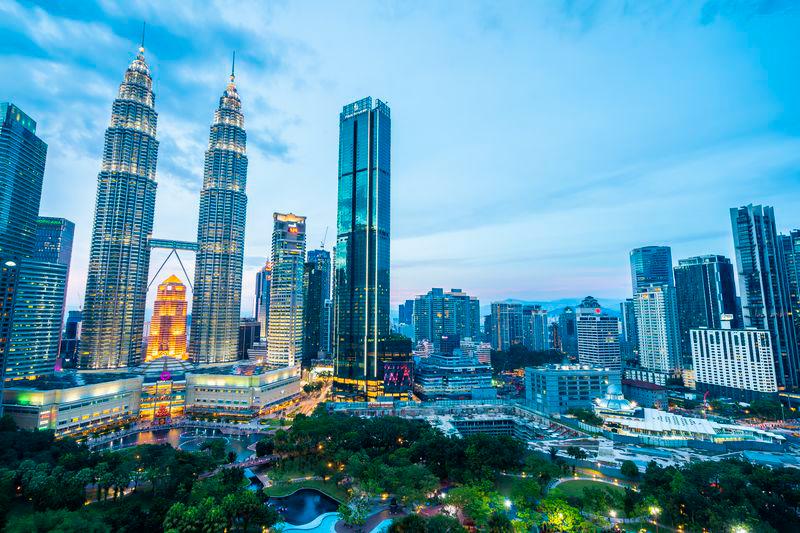
Building Urban Resilience Through Automated Subterranean Utilities
Achieving sustainable development requires city planners and developers to look beyond energy-efficient buildings and address hidden utility bottlenecks. Traditional waste handling - reliant on multi-stop diesel lorries, open bin storage, and manual handling - creates severe environmental risks, including greenhouse gas emissions, groundwater leachate contamination, and public health hazards. Smart waste management transforms this linear, resource-heavy process into an automated, subterranean utility. By shifting waste transport entirely underground, modern developments eliminate surface pollution, lower long-term municipal lifecycle costs, and build resilient infrastructure capable of supporting high-density living for generations to come

Engineering Superiority: Why STREAM Outperforms Alternative Waste Solutions
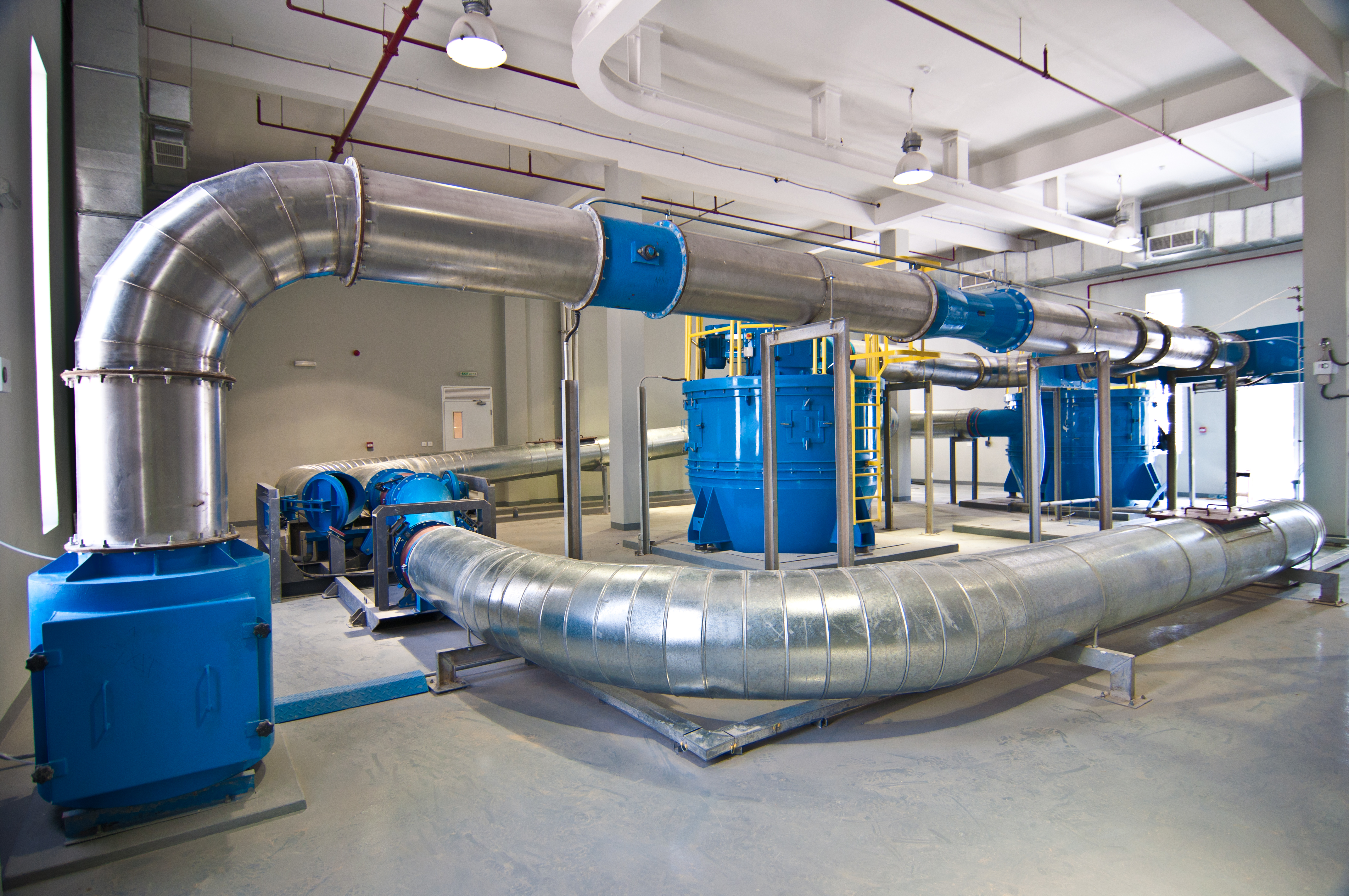
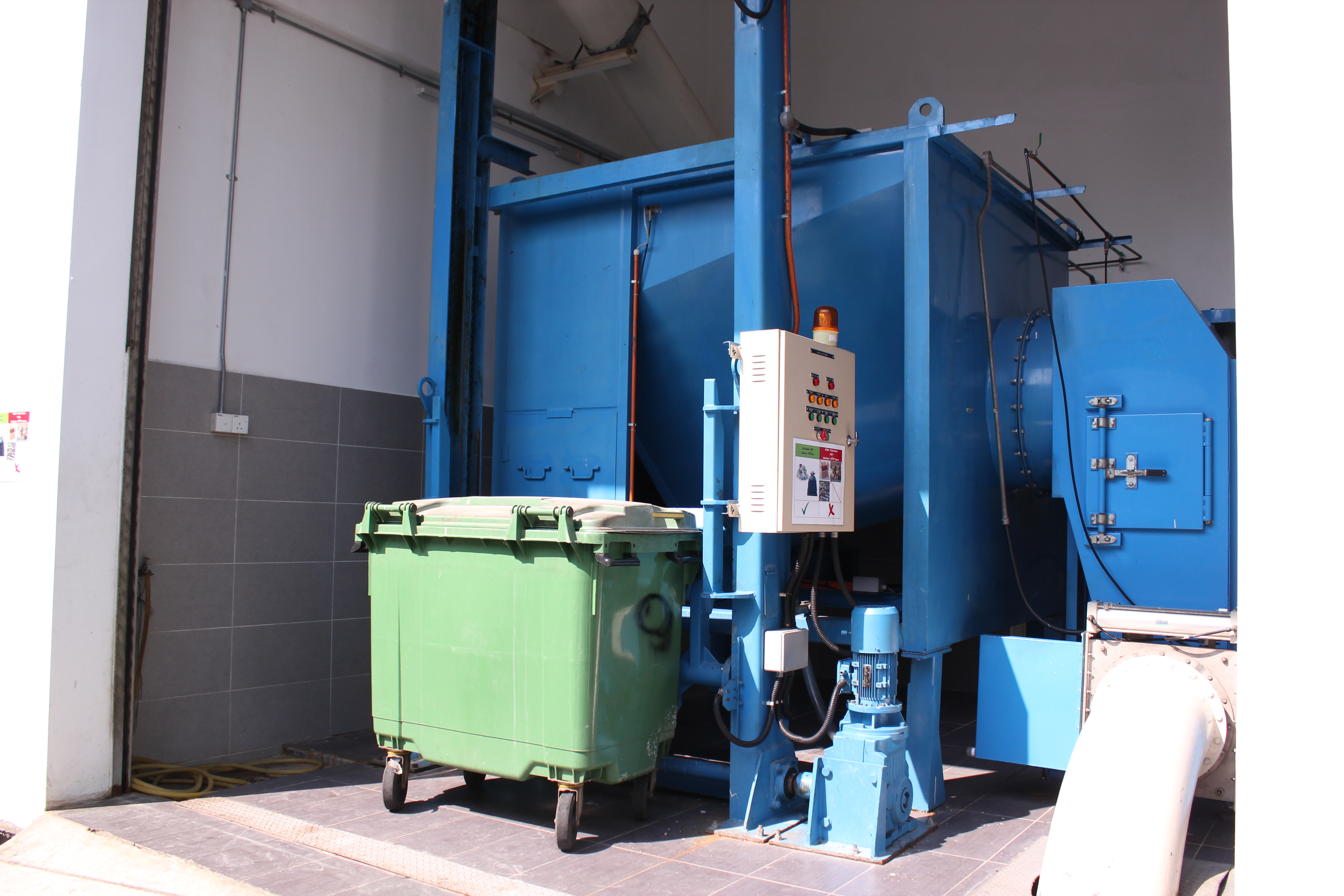
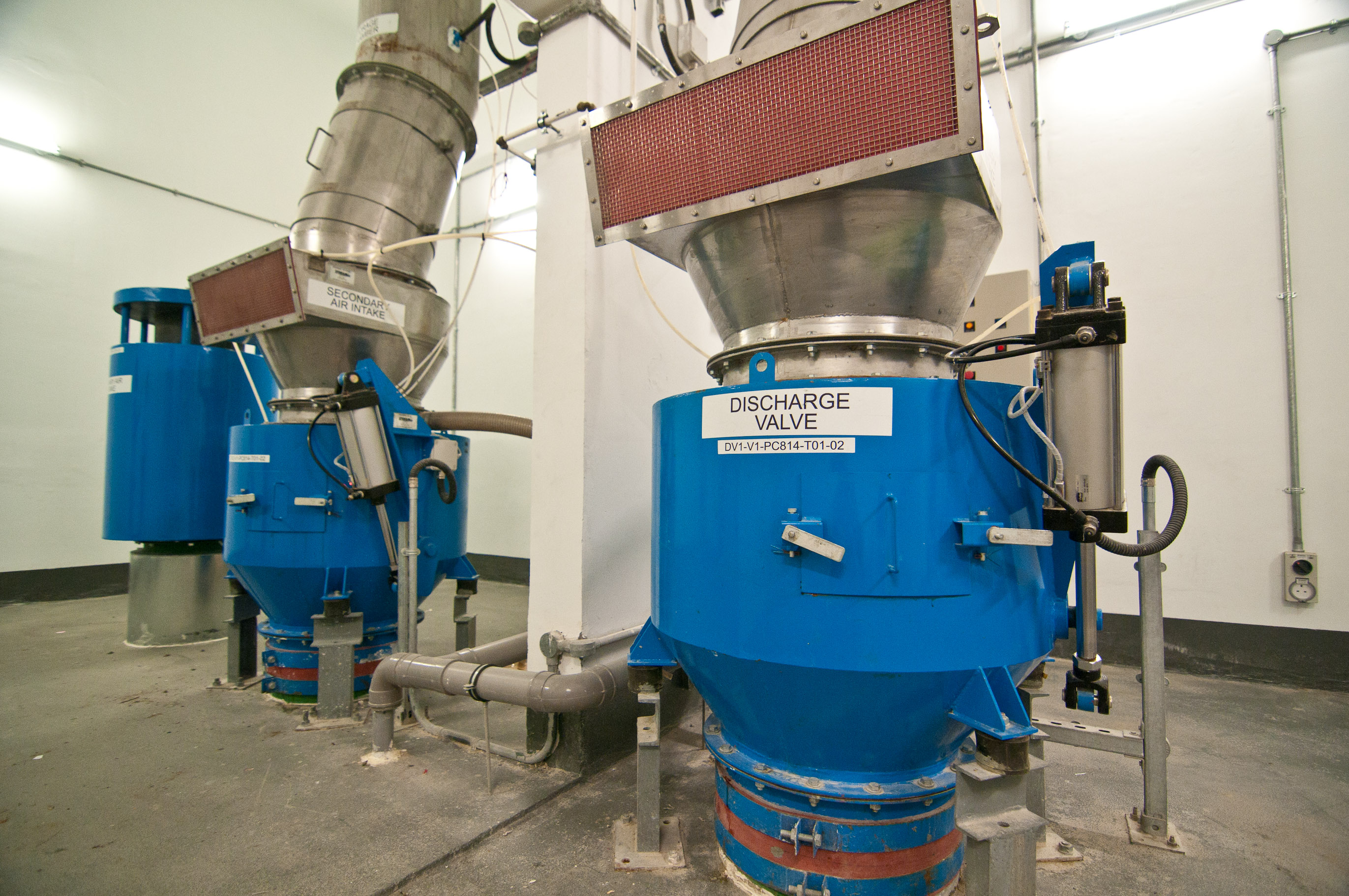
While conventional smart solutions rely on basic IoT sensors attached to surface bins or traditional lorry fleets, STREAM Automated Waste Collection System (AWCS) fundamentally re-engineers waste logistics from the ground up. By shifting waste transport entirely underground through sealed, continuous negative-pressure pipe networks, STREAM eliminates surface pollution, cuts long-term municipal lifecycle costs, and provides a resilient utility capable of supporting high-density developments. Unlike standard gravity chutes or localized compactors that still require manual hauling, STREAM uses proprietary vacuum technology to transport waste up to 75 km/h over long distances to a single remote facility. This complete end-to-end automation drastically reduces energy consumption, eliminates vehicle maintenance, and provides superior durability designed to match the lifespan of the building itself.
How Automated Waste Utility Drives Sustainable Development Goals
Strengthening Infrastructure Resilience & Operational Safety
Sealed subterranean networks operate continuously regardless of weather conditions or surface traffic, creating a reliable utility backbone that drastically lowers long-term municipal maintenance and labour risks
Preserving Urban Ecosystems & Air Quality
Replacing surface-level rubbish lorries with continuous negative-pressure vacuum pipes eliminates heavy-vehicle idle emissions, toxic leachate runoff, and localized odour pollution, protecting both surrounding ecosystems and urban microclimates
Advancing Circular Economy Frameworks
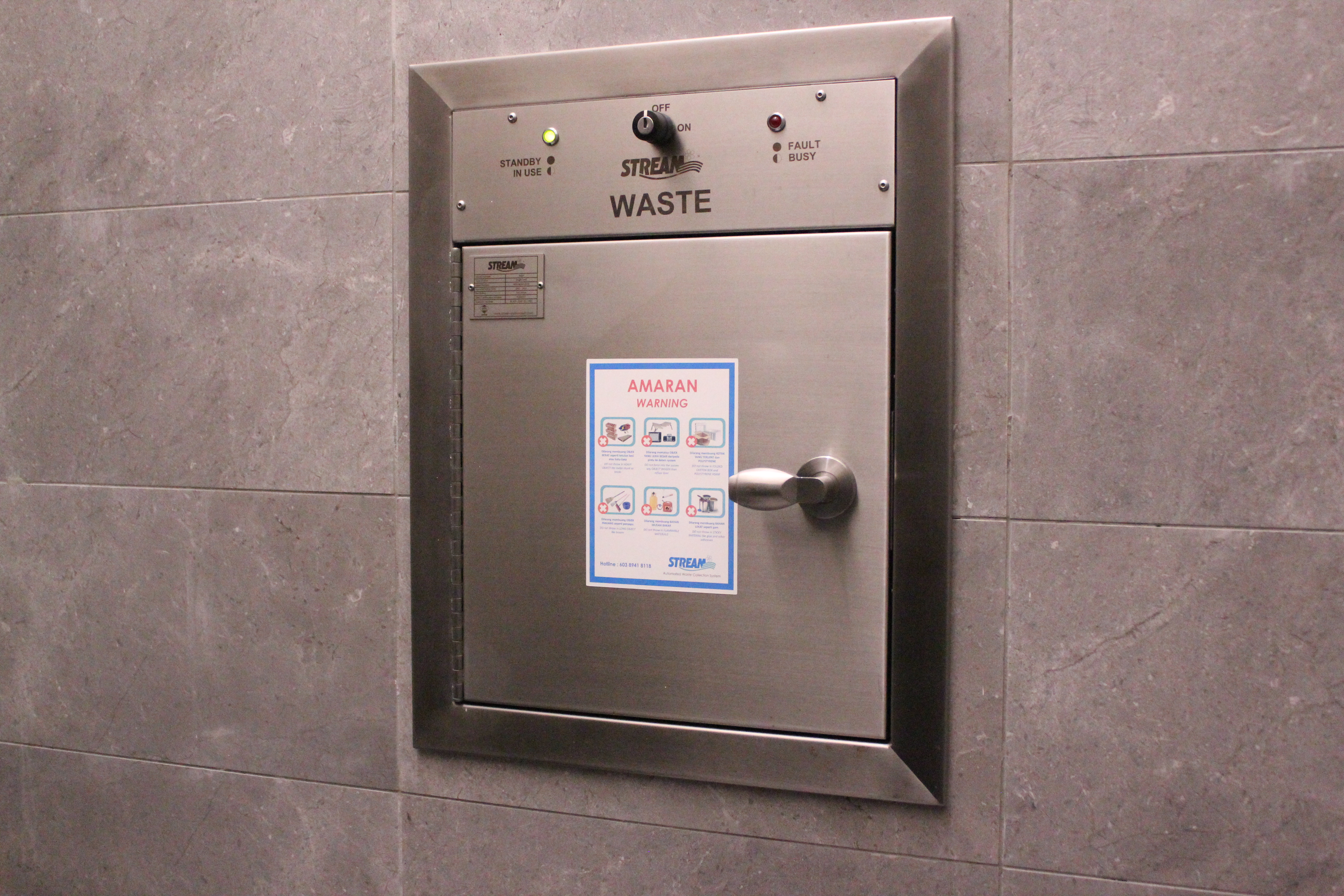
Smart multi-fraction intake points allow seamless source separation for recyclables and organic waste. Preventing cross-contamination ensures higher material recovery rates, diverting valuable resources away from landfills and directly into sustainable reuse streams
Enhancing Property Value & ESG Investment Appeal
Modernising waste infrastructure directly contributes to major sustainability certifications such as LEED, GBI, and Green Mark. This measurable environmental commitment reduces Scope 1 and Scope 2 emissions, making assets significantly more attractive to global ESG-focused investors
Optimising Municipal Energy Efficiency & Cost Allocation
Traditional truck-based waste collection relies on fuel-heavy diesel fleets that expose municipalities and property managers to volatile fuel prices, high vehicle maintenance, and rising labour costs. Furthermore, idling trucks in urban traffic consume excessive energy per tonne of waste collected, creating an inefficient operational model that drains municipal budgets over time.
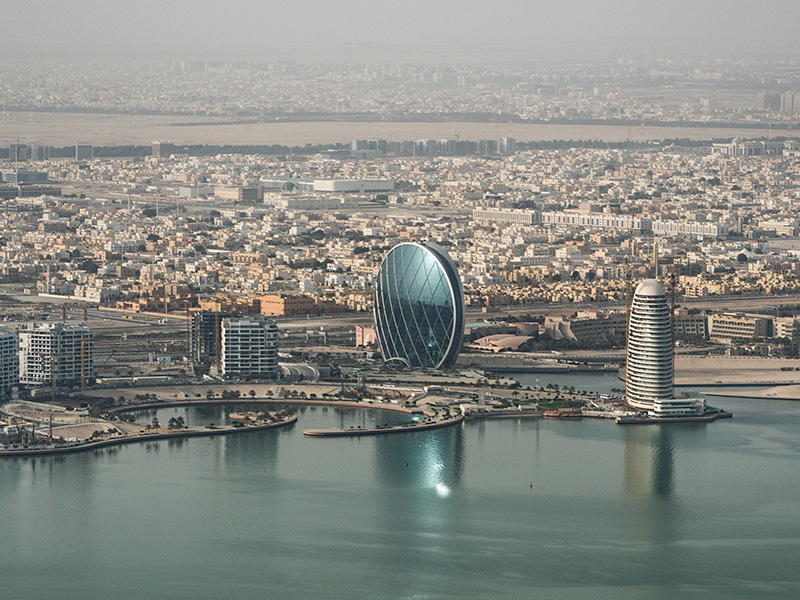
In contrast, electric-powered pneumatic vacuum plants offer a highly efficient, automated alternative that drastically reduces energy consumption per tonne. By replacing manual truck routes with a centralized underground utility, large-scale developments - such as and the Al Raha Beach development in Abu Dhabi - transform unpredictable operational expenses into a stable, low-maintenance cost structure that delivers predictable long-term ROI while supporting clean energy goals.
The Invisible Engine of Sustainability
Automated Waste Collection System eliminates heavy diesel vehicles and surface sanitation hazards. This shift to hidden subterranean utilities builds resilient communities that effortlessly meet global sustainability benchmarks.
Take Your Waste Infrastructure Underground
Join landmark developments like Merdeka 118 and Changi Airport in defining the next era of clean cities. Get in touch with STREAM today.