
The Shift from Streets to Subterranean Systems
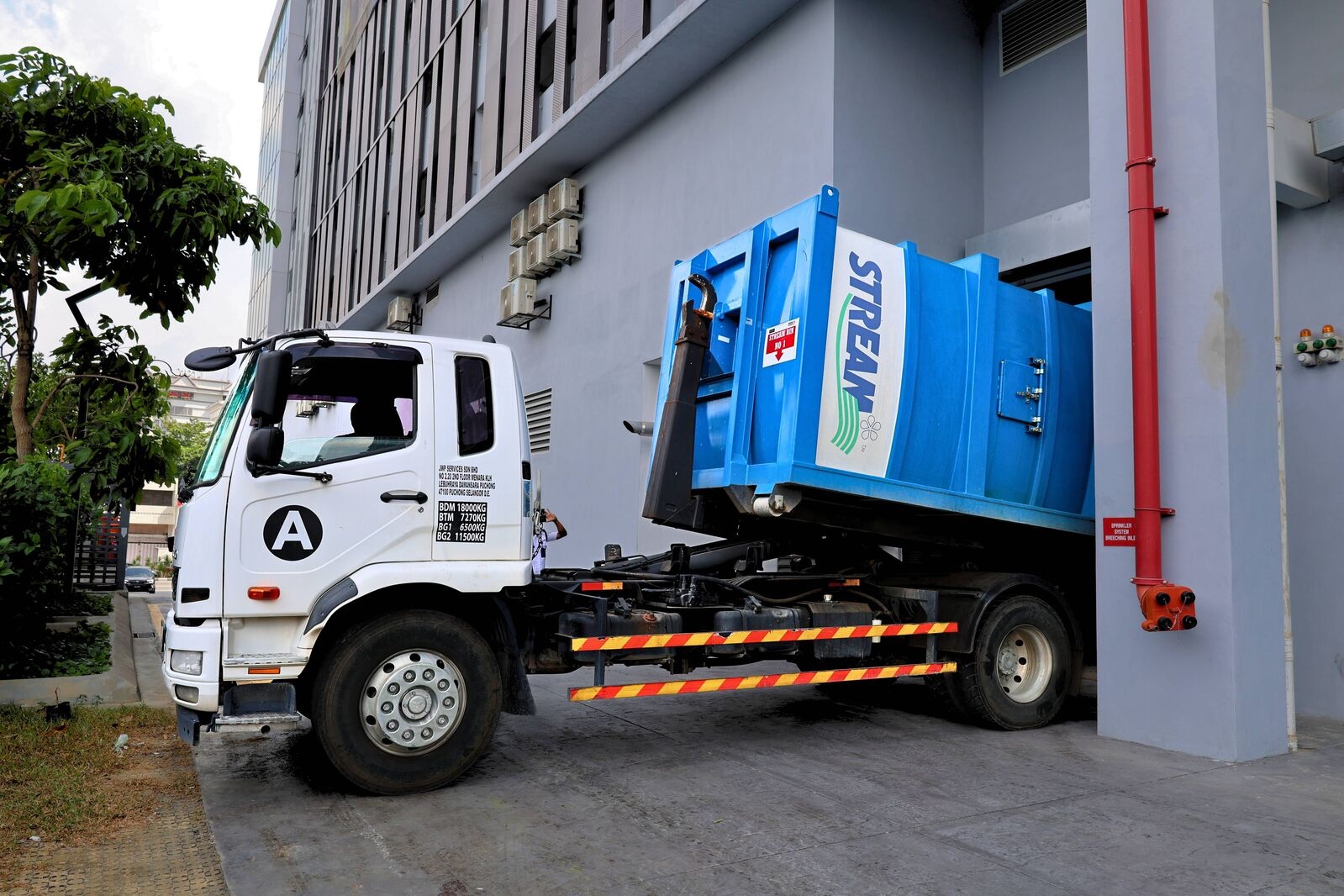
When a modern city is planned properly, traditional rubbish collection reveals its limits almost immediately. For decades, heavy diesel lorries were the only viable option for urban centres. As population density rises and environmental standards tighten, that model breaks down. Relying on surface trucks brings traffic congestion, rising carbon emissions, foul odours and persistent pest problems into residential areas.
Stream Environment has been redefining what a modern waste management service looks like since 1991, replacing surface bin lorries with high-speed sealed pneumatic networks across nine countries.
Today, a modern waste management service is no longer defined by how many lorries it operates. It is defined by how effectively it removes the need for them. Forward-thinking planners no longer treat refuse removal as an afterthought involving noise and heavy traffic. They treat a waste management service as a core utility, much like water, gas or electricity. That shift is driving the adoption of underground networks that move waste quietly out of sight.
STREAM has been engineering exactly this since 1991. By replacing bin lorries with automated systems, developments can create cleaner, safer and far more sustainable living environments.

What an Automated Waste Collection System Actually Does
The most significant leap in waste infrastructure is the move from manual kerbside collection to subterranean pneumatic transport.
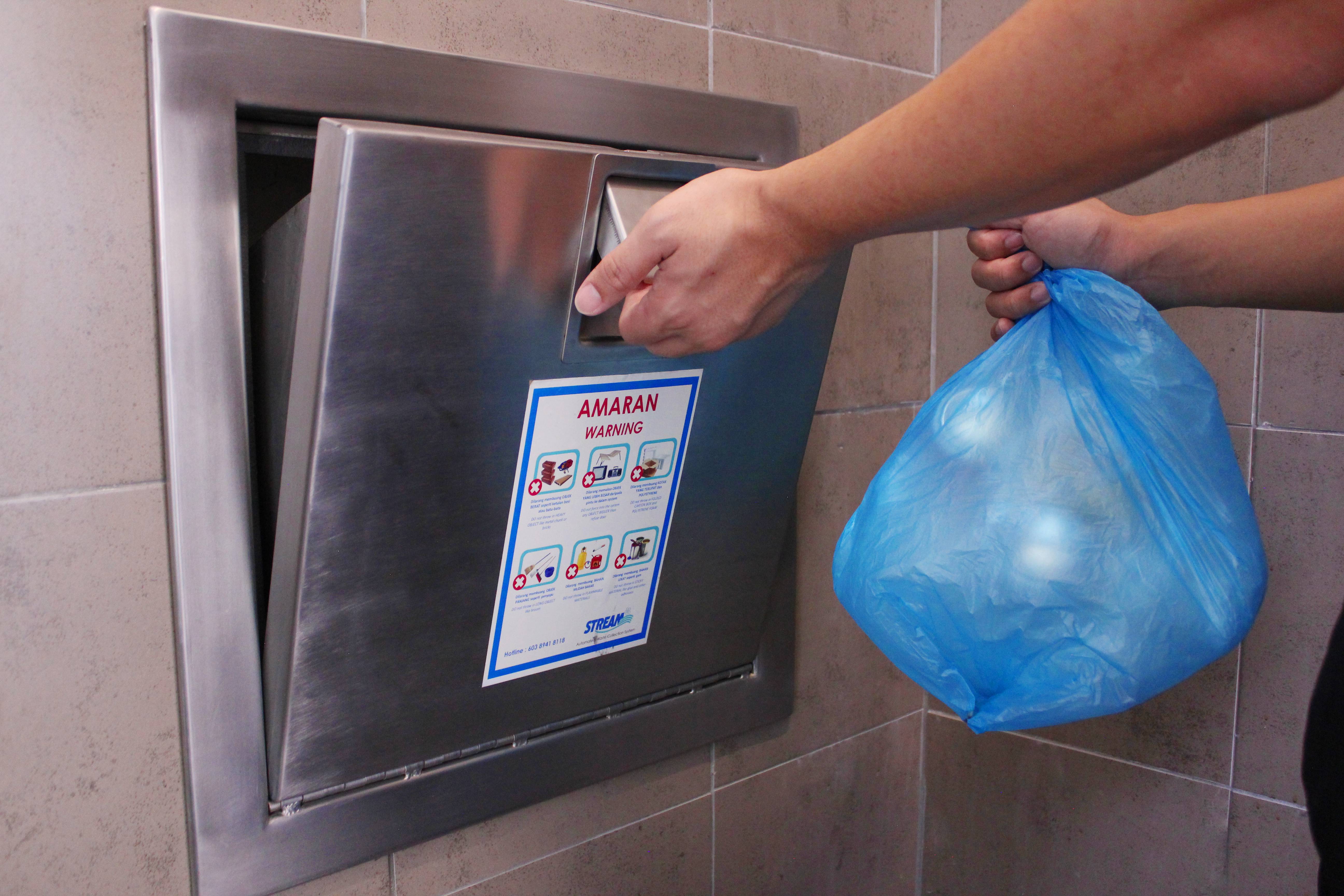
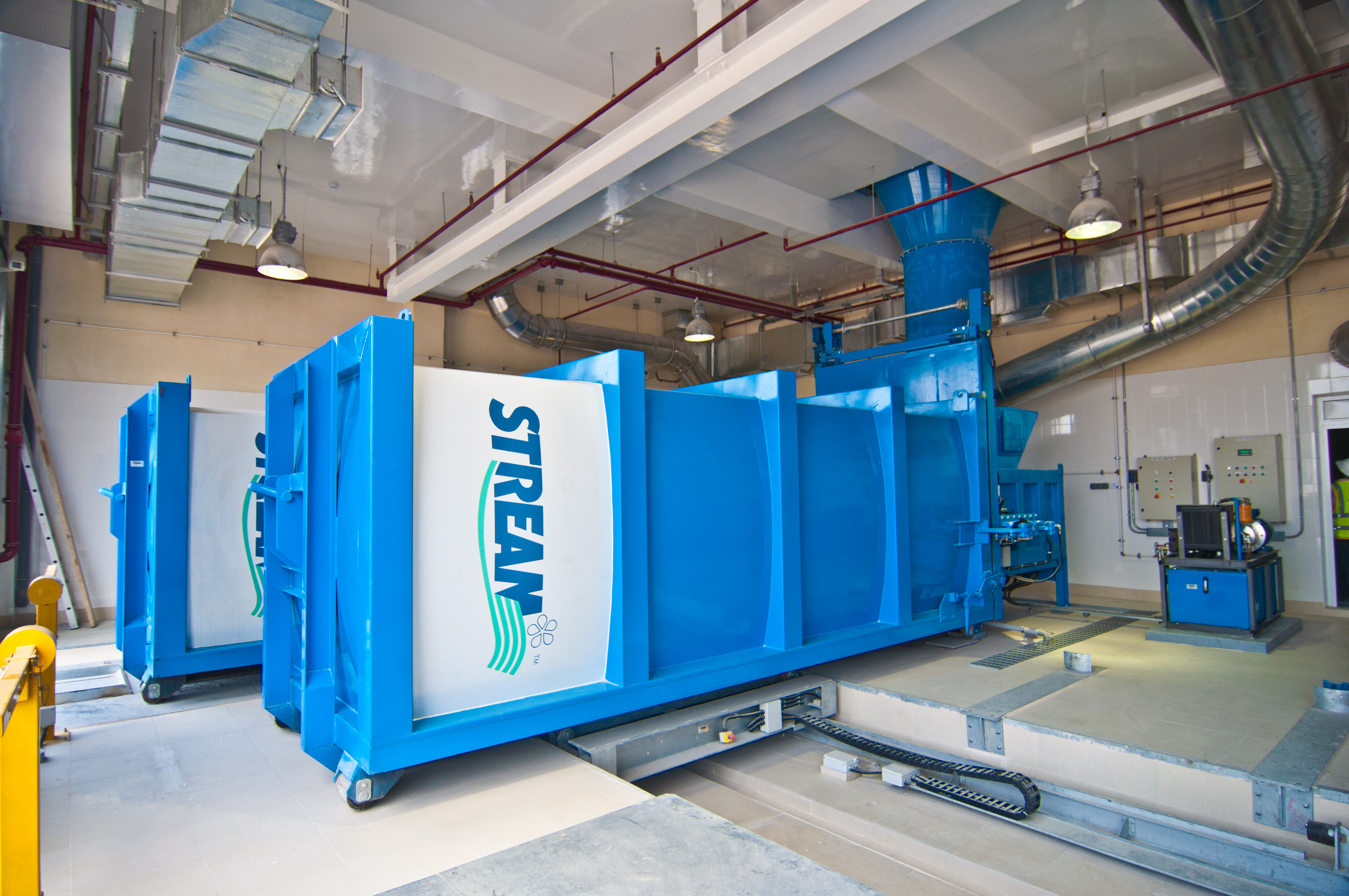
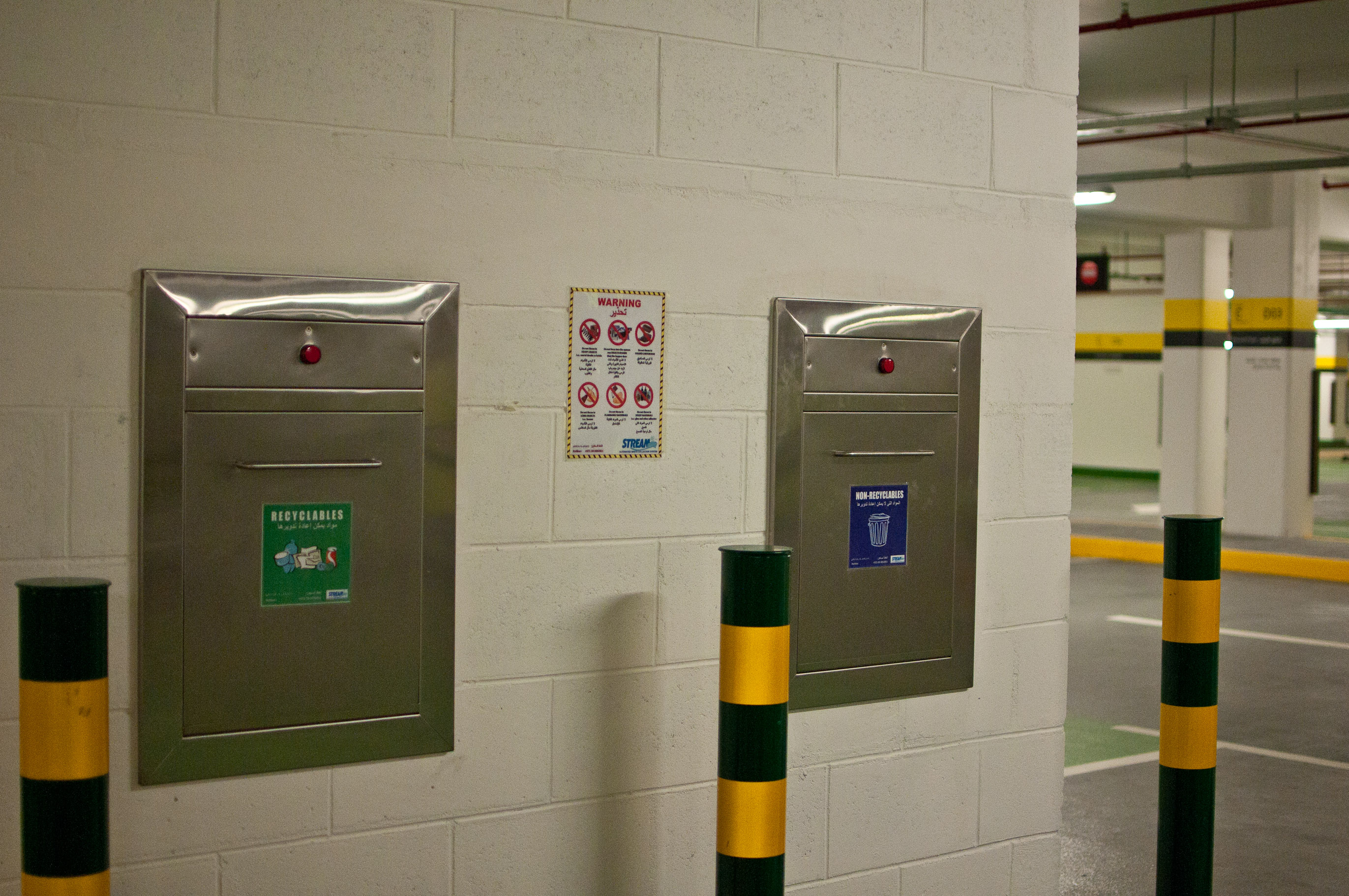
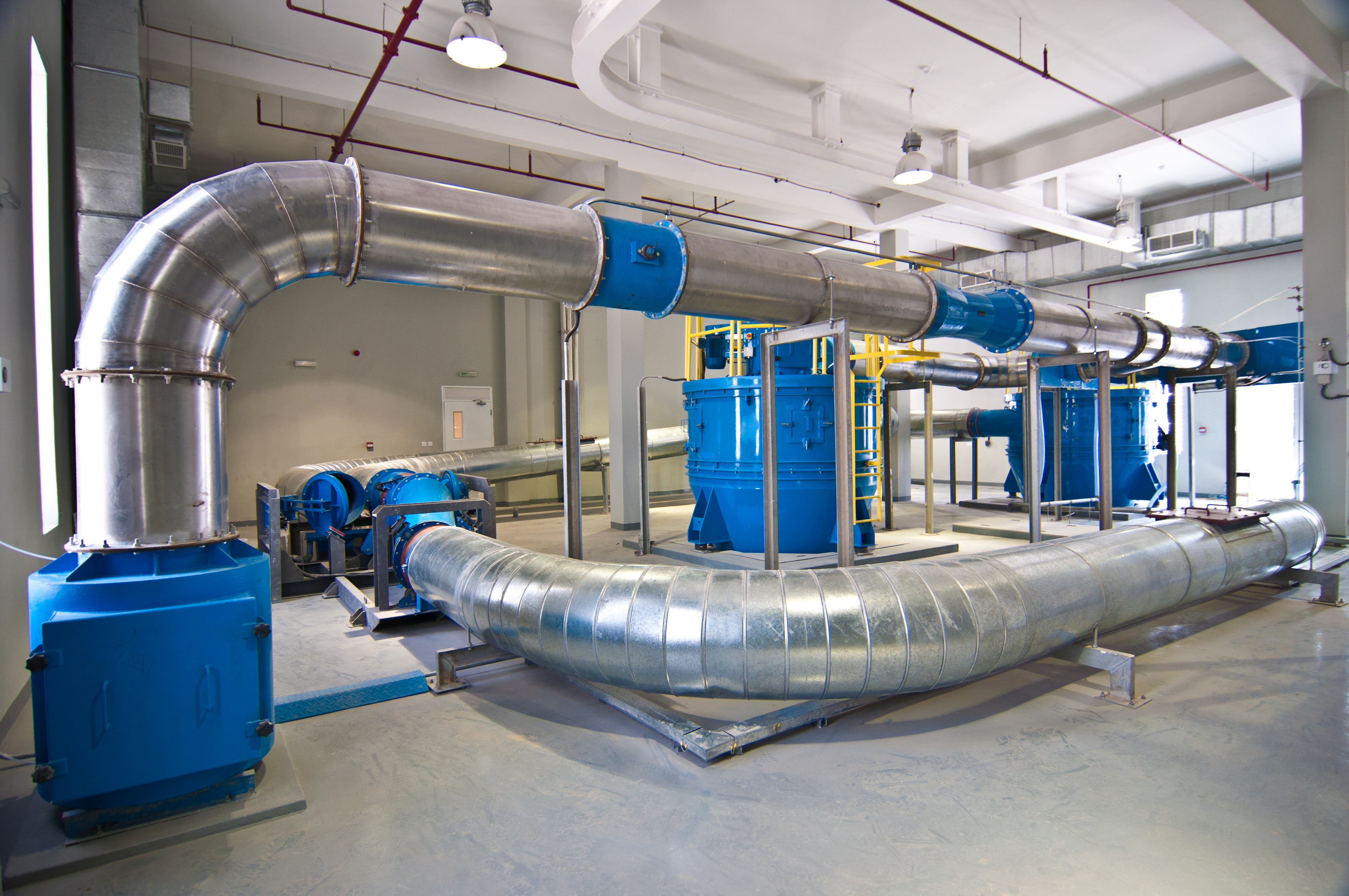
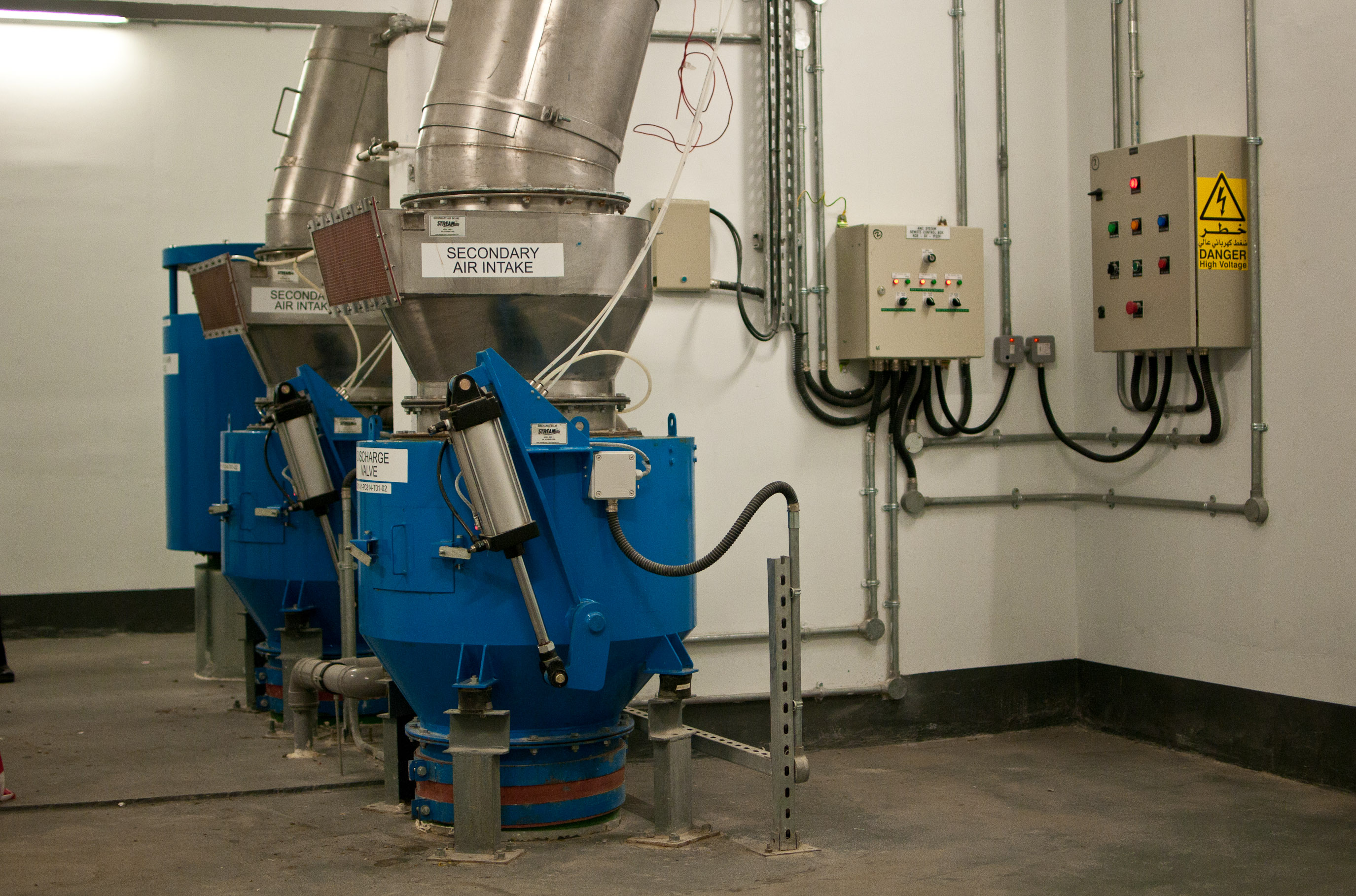
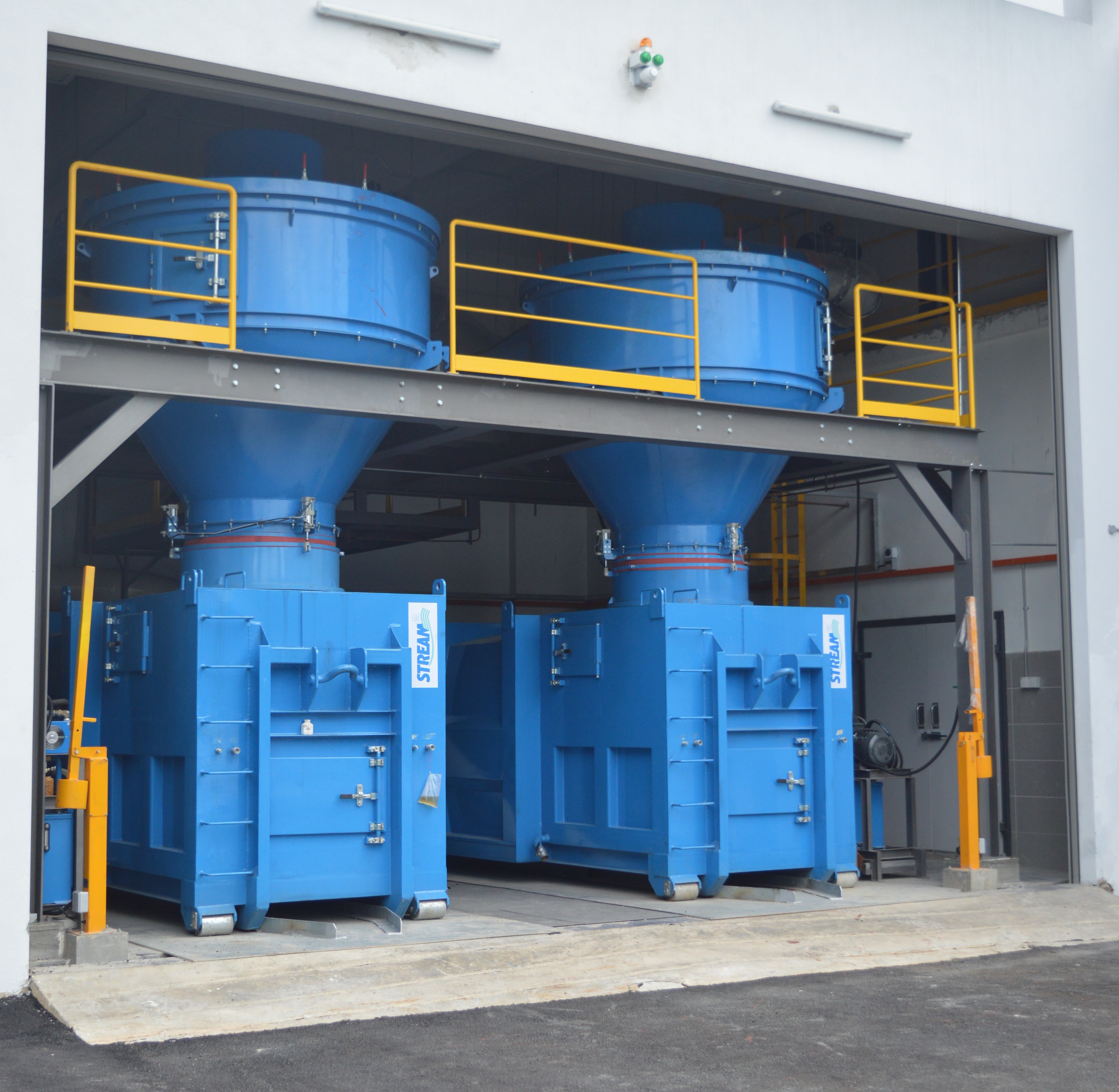
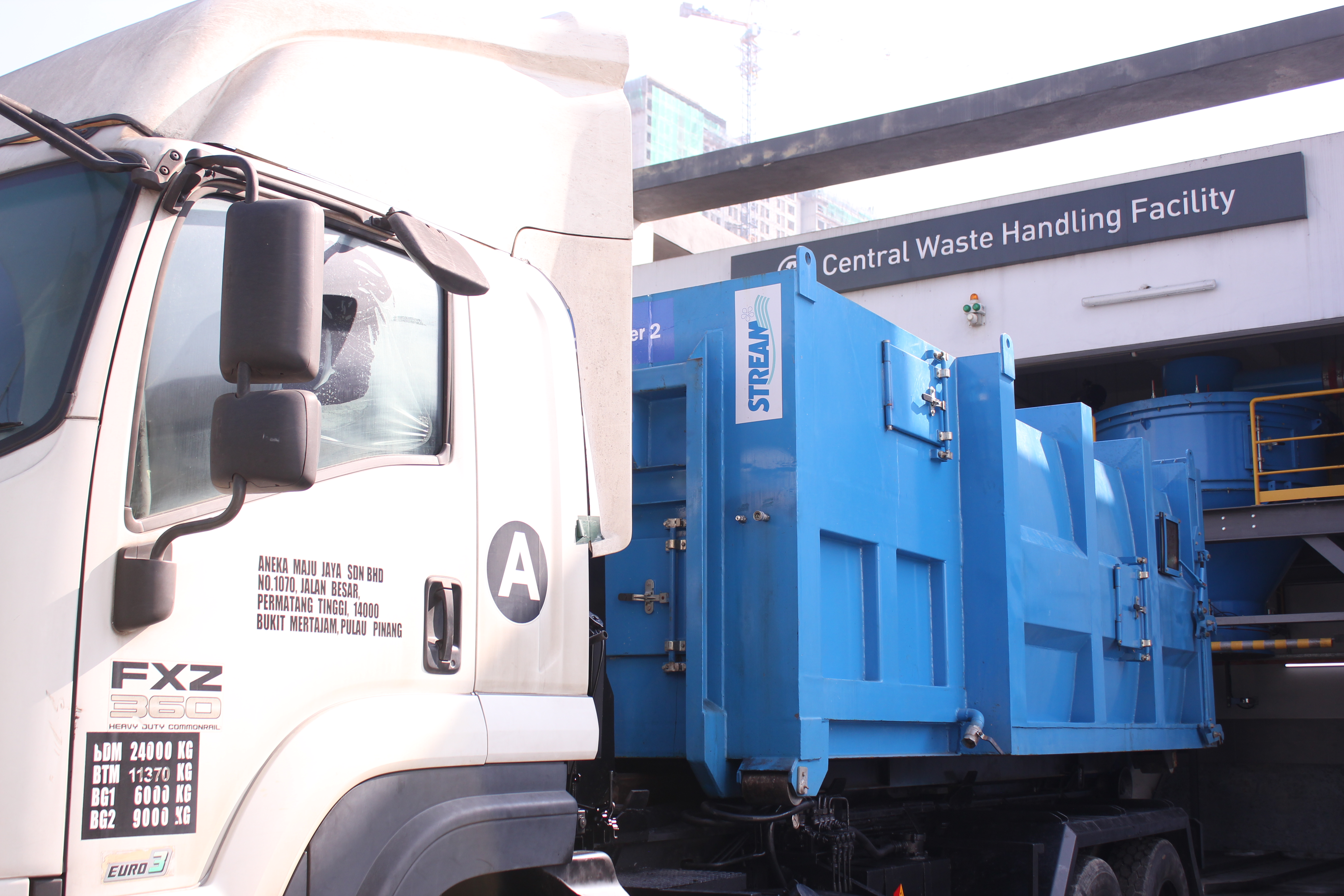
Residents deposit waste into user-friendly chutes inside the building. High-speed airflow then pulls the refuse through sealed underground pipes at roughly 20 to 25 metres per second. The waste arrives at a Central Waste Handling Facility located well away from homes. STREAM systems can convey it to a sealed container up to 2.5 kilometres from the point of disposal.
Waste Collection
Lorry Accessibility is Minimised
Street-level emissions fall. So do the traffic hazards that come with heavy vehicles reversing through residential estates.
Hygiene Improves at Source
Sealed pipes eliminate foul odours, waste spillage and vermin. Refuse never sits in an open bin waiting for a collection round
Ground-Level Space Is Recovered
Bin storage areas consume valuable real estate. Singapore's National Environment Agency estimates the saving precisely. A 1,000-unit development without a bin centre recovers space equivalent to an entire five-room flat.
Labour Requirements Are Streamlined
Dependence on manual handling drops sharply. Sanitation staff gain a safer and more modern working environment as a result.
Carbon Footprint & Operational Cost Reduction
Beyond public health and aesthetics, automation delivers substantial long-term economic and environmental gains. A conventional waste management service depends on a continuous fleet of diesel lorries. Fuel consumption is heavy, and vehicle wear is constant.
Replacing daily lorry routes with subterranean pipes produces meaningful fuel savings. Operational expenses fall over the long term, and greenhouse gas emissions drop in line with net-zero commitments.
Removing heavy vehicles from internal development roads also prevents severe pavement damage. Infrastructure maintenance costs fall accordingly, and communities become quieter, safer and cleaner.
Tailored Vacuum Solutions for Different Developments
Pneumatic systems are not one-size-fits-all. STREAM has developed three specialised engineering models to suit different architectural needs.
Gravity Vacuum System (GVS)
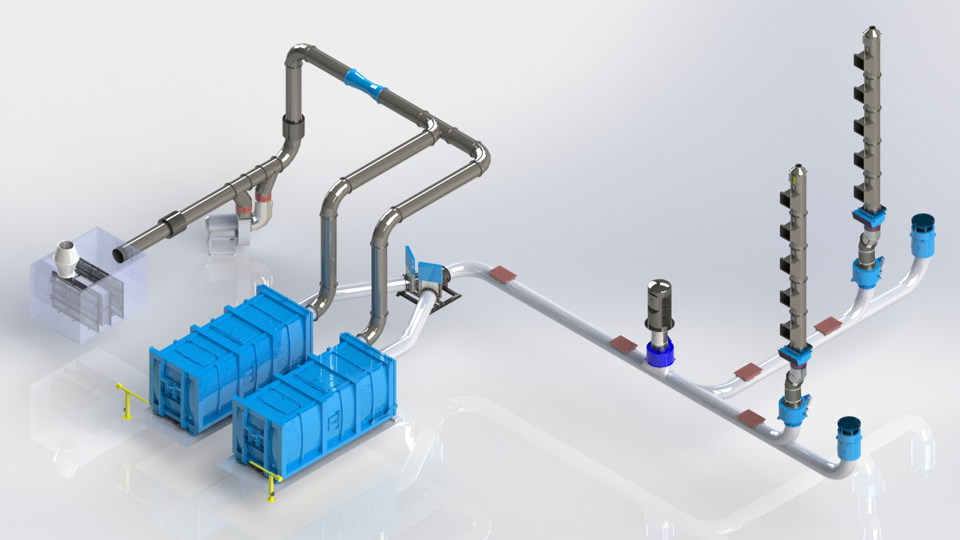
The Gravity Vacuum System uses natural gravity for vertical movement down the chute and vacuum suction for horizontal pipe transport. Its volumetric control hopper door holds up to 25 litres of household waste. Multiple residents can use it at once, and no training is required. GVS suits residential complexes, offices and hospitals.
Full Vacuum System (FVS)
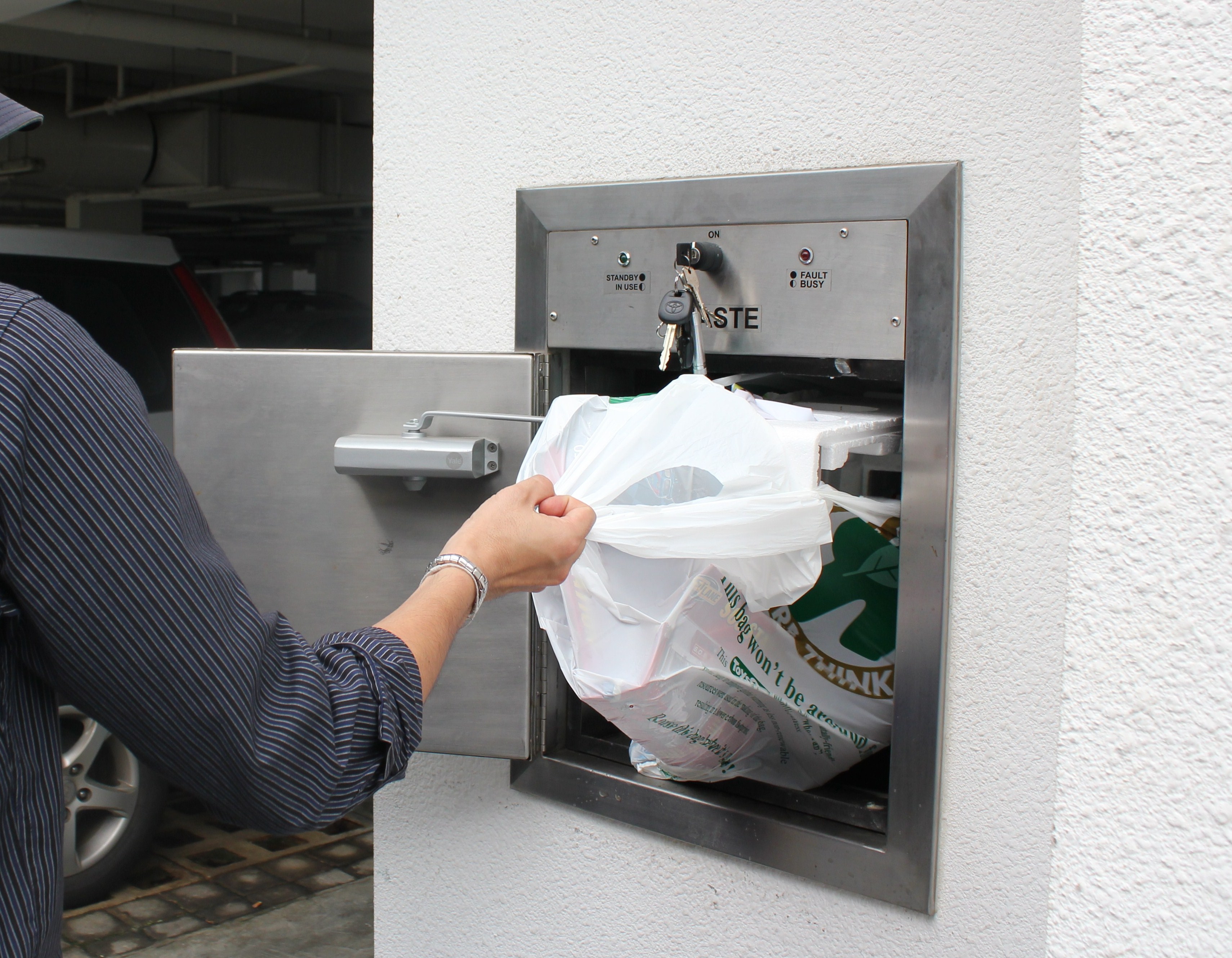
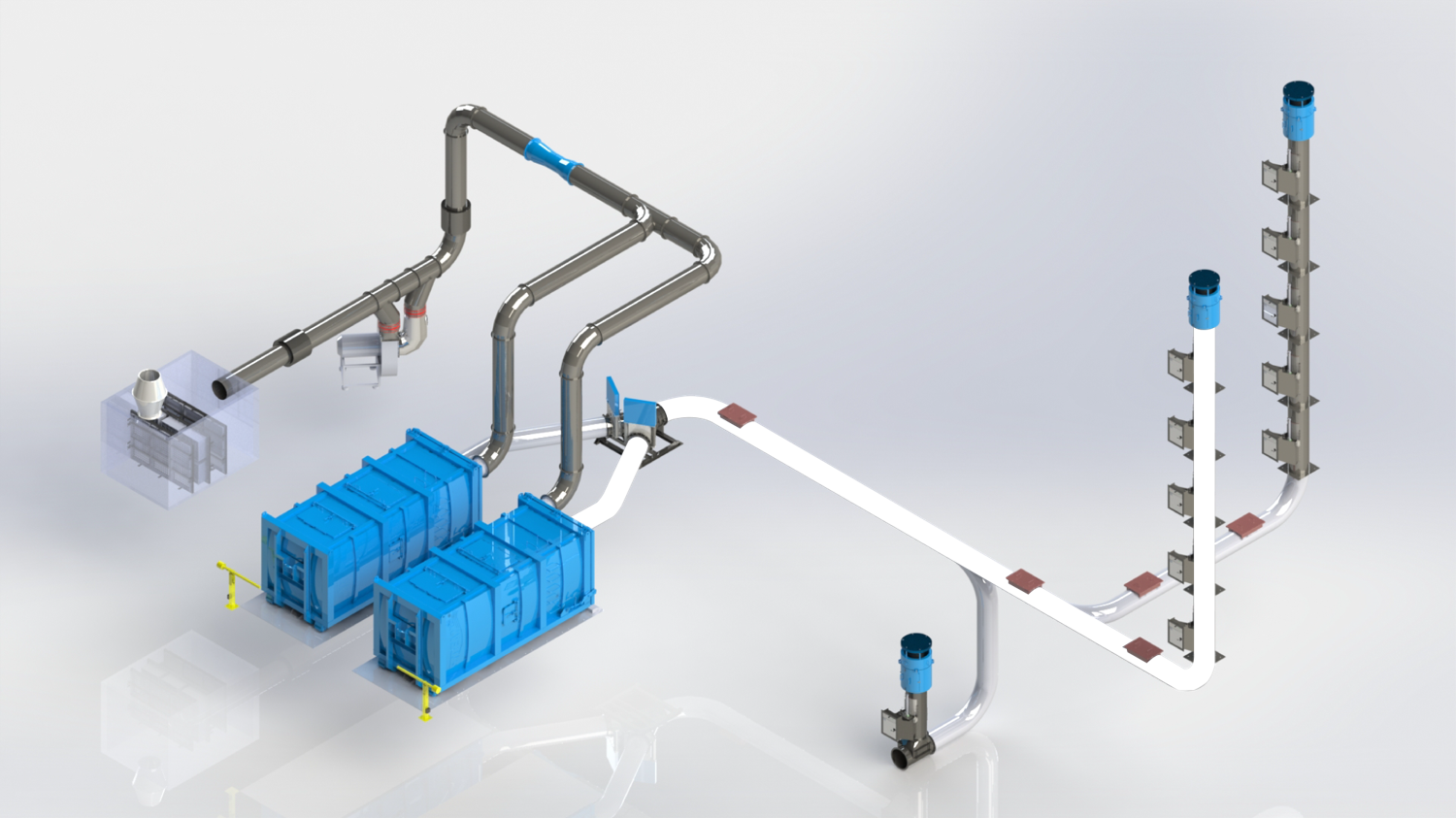
The Full Vacuum System is built for heavy-duty commercial developments, food catering centres and transport hubs such as airports. Secure, key-operated load stations handle five to eight large waste bags in a twenty-second cycle. High volumes clear quickly, and nobody carts bags across a service yard.
Shuttle Vacuum System (SVS)
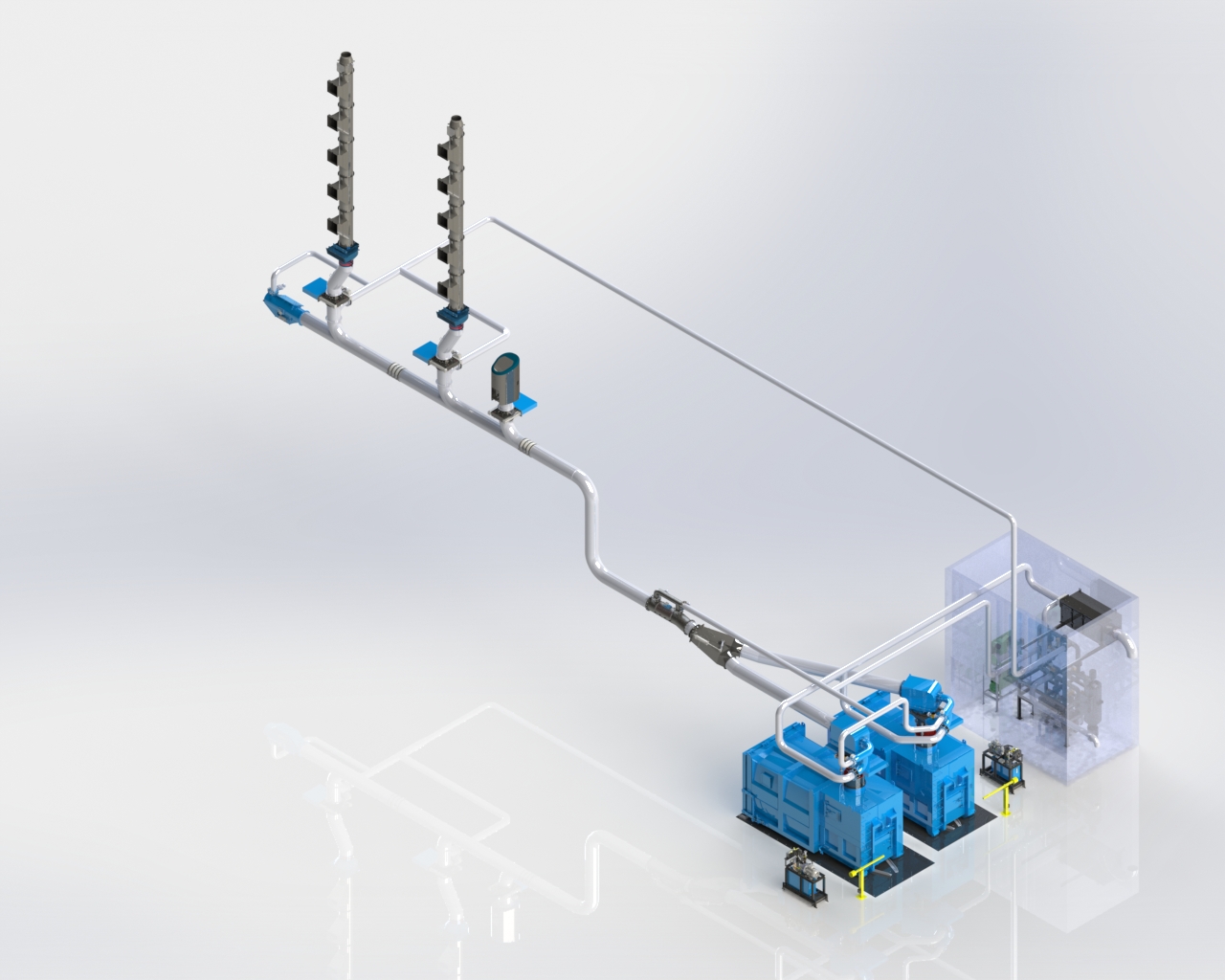
The award-winning Shuttle Vacuum System is patented technology. It uses a shuttle transport mechanism rather than continuous vacuum airflow. Power consumption drops dramatically as a result, making it the most energy-efficient option in the range.
Source Separation and Dedicated Food Waste Management
An evolving waste management service must also address what goes into the pipes. Organic and catering waste, if left in open bins, decays rapidly and causes severe sanitation issues.
Advanced AWCS infrastructure now features dedicated inlets for separate waste streams - such as general refuse, recyclables, and organic food waste. Capturing organic waste directly at the source (such as commercial kitchens or residential blocks) allows it to be conveyed automatically to processing or biogas plants, supporting a circular economy without a single rubbish bag touching the pavement.
Smart Automation & Real-Time Control
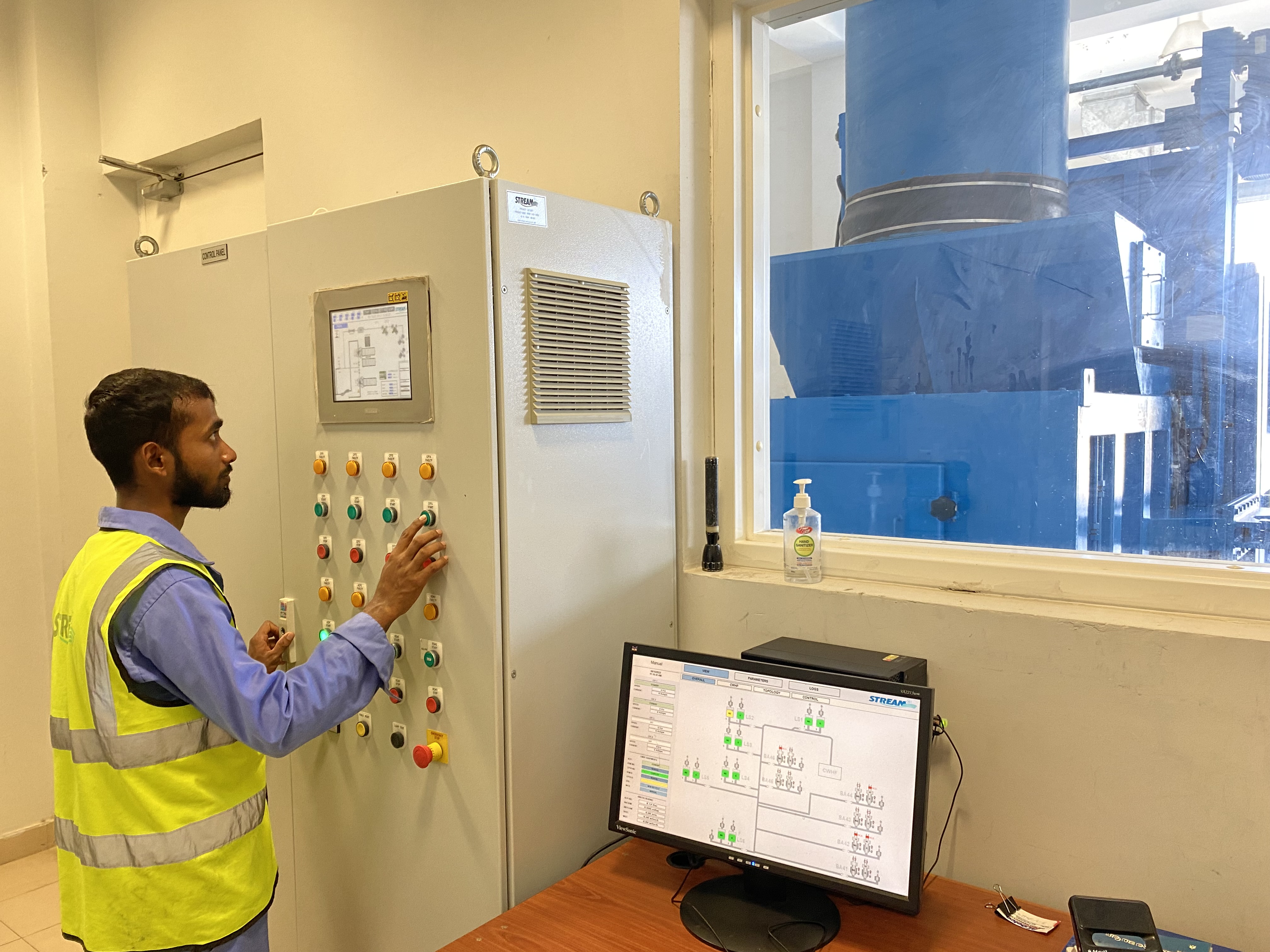
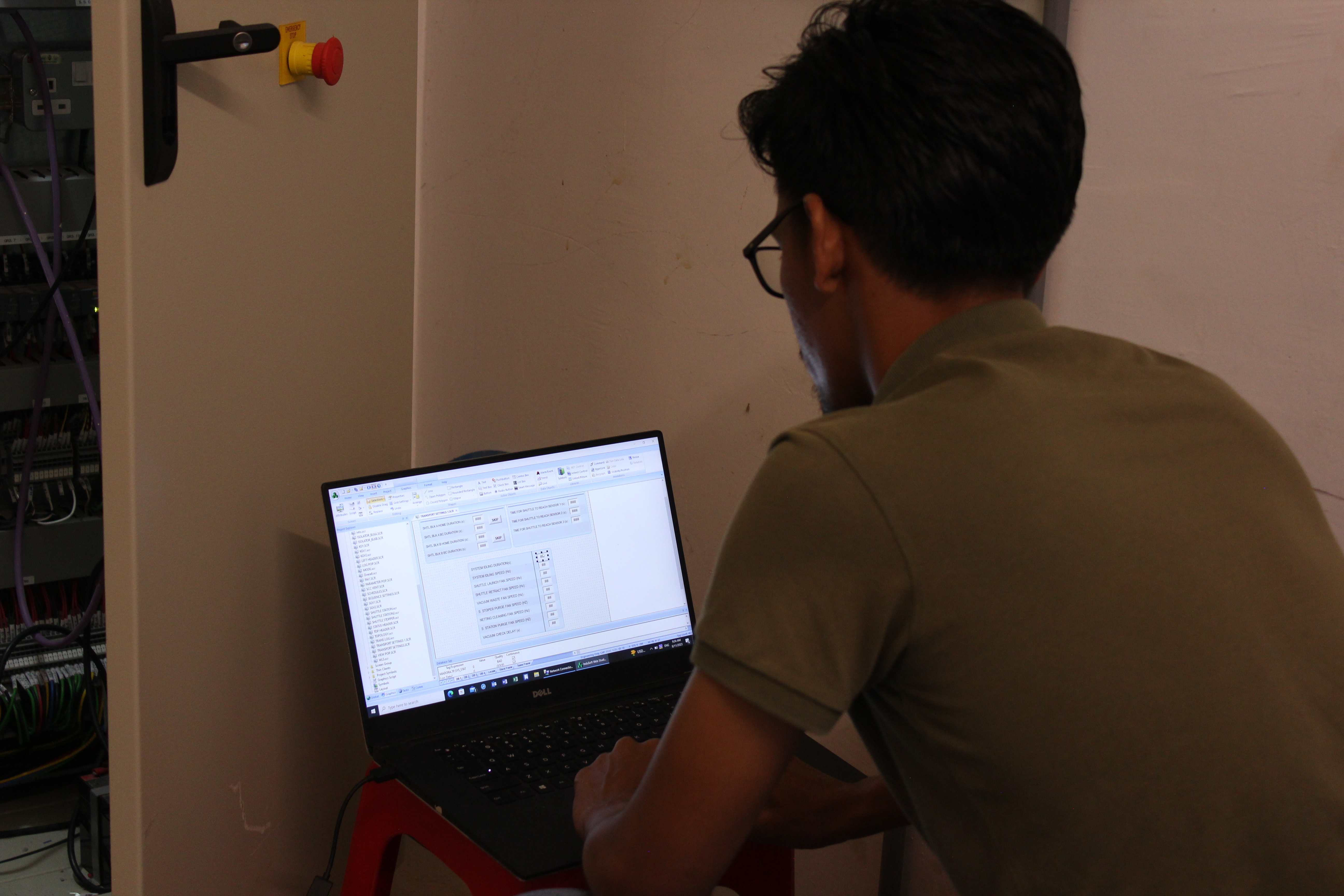
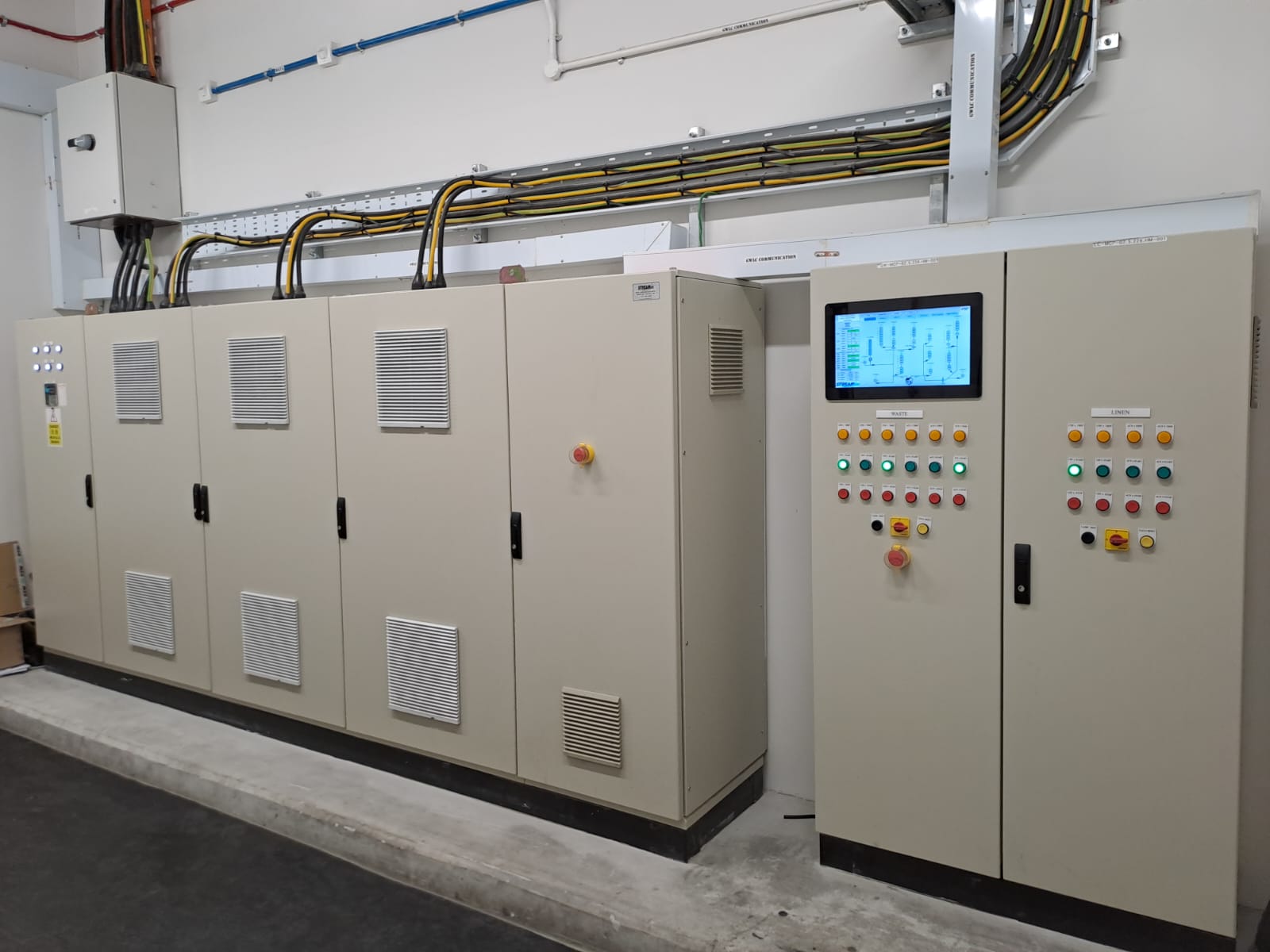
Modern systems rely on more than pipes. Automated valves, smart sensors and centralised control monitor waste levels and air pressure continuously. Collection cycles trigger automatically once capacity is reached. The waste management service then runs around the clock with minimal human intervention.
Building Cleaner, Smarter Cities for Tomorrow
The evolution of a modern waste management service goes far beyond swapping diesel lorries for electric ones. Integrating a sealed pipe network into city planning lets developers build cleaner, safer and quieter environments from day one. Moving beyond the rubbish lorry is no longer a luxury feature. It is becoming the standard for sustainable modern living.
Modernise Your Development's Waste Infrastructure Today
Consider upgrading your project with STREAM's Automated Waste Collection System. Integrating subterranean pneumatic solutions into your master plan eliminates surface rubbish lorries. Operational carbon footprints fall, and overall property value rises. Get in touch with STREAM to discuss what a modern waste management service could look like across your development.
Frequently Asked Questions
1. What is an automated waste collection system?
It is a sealed network of underground pipes carrying refuse from building chutes to a central handling facility using vacuum airflow. No collection lorry enters the development at all.
2. Can an automated waste management service be retrofitted to an existing development?
Sometimes, though it is far easier and cheaper when designed into the master plan from the outset. Retrofits have been completed successfully. Pipe routing through a finished site is the main constraint.
3. How far can waste travel through the pipe network?
STREAM systems convey waste up to 2.5 kilometres from the disposal point to a sealed container, at speeds of roughly 20 to 25 metres per second.
4. Does the system handle recyclables and food waste separately?
Yes. Dedicated inlets keep general refuse, recyclables and organic food waste in separate streams. Organic material can then be routed to processing or biogas facilities.
5. Does an automated system increase property value?
Developers generally find that it does. Cleaner communal areas, no bin centres, no lorry noise and recovered ground-level space all improve the resident experience. Buyers notice.