

Redefining Urban Sustainability Through Next-Generation Infrastructure
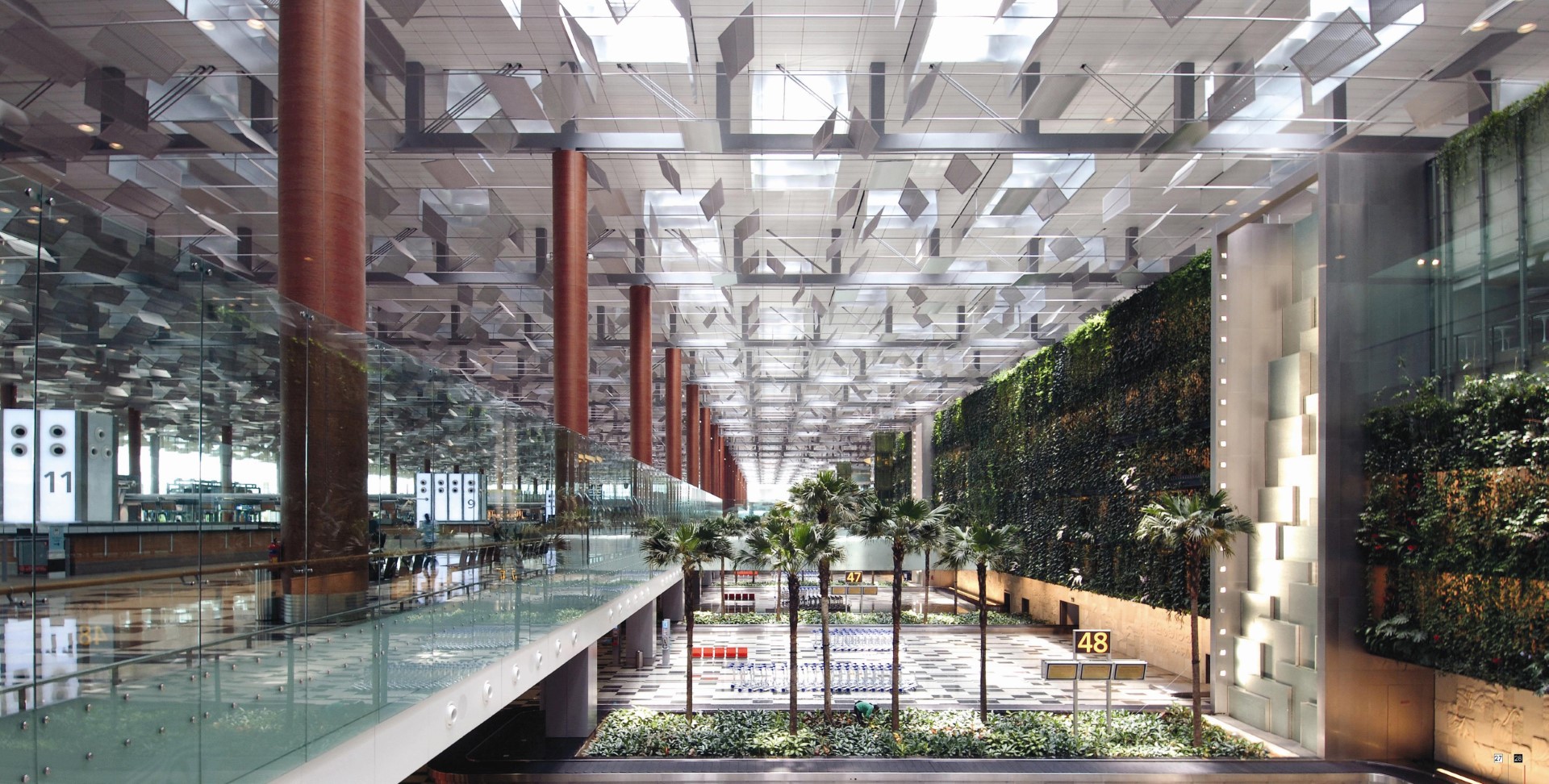
When city planners and master developers design eco-friendly districts, attention usually falls on visible green features. Solar arrays, rainwater harvesting and energy-efficient façades all make the drawings. A development cannot claim genuine sustainability, though, while its waste utility runs on century-old collection methods.
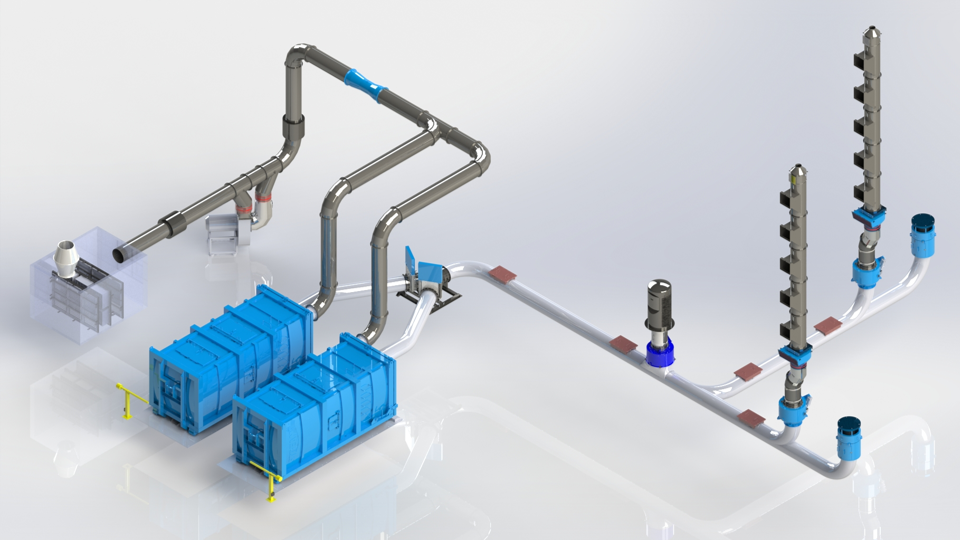
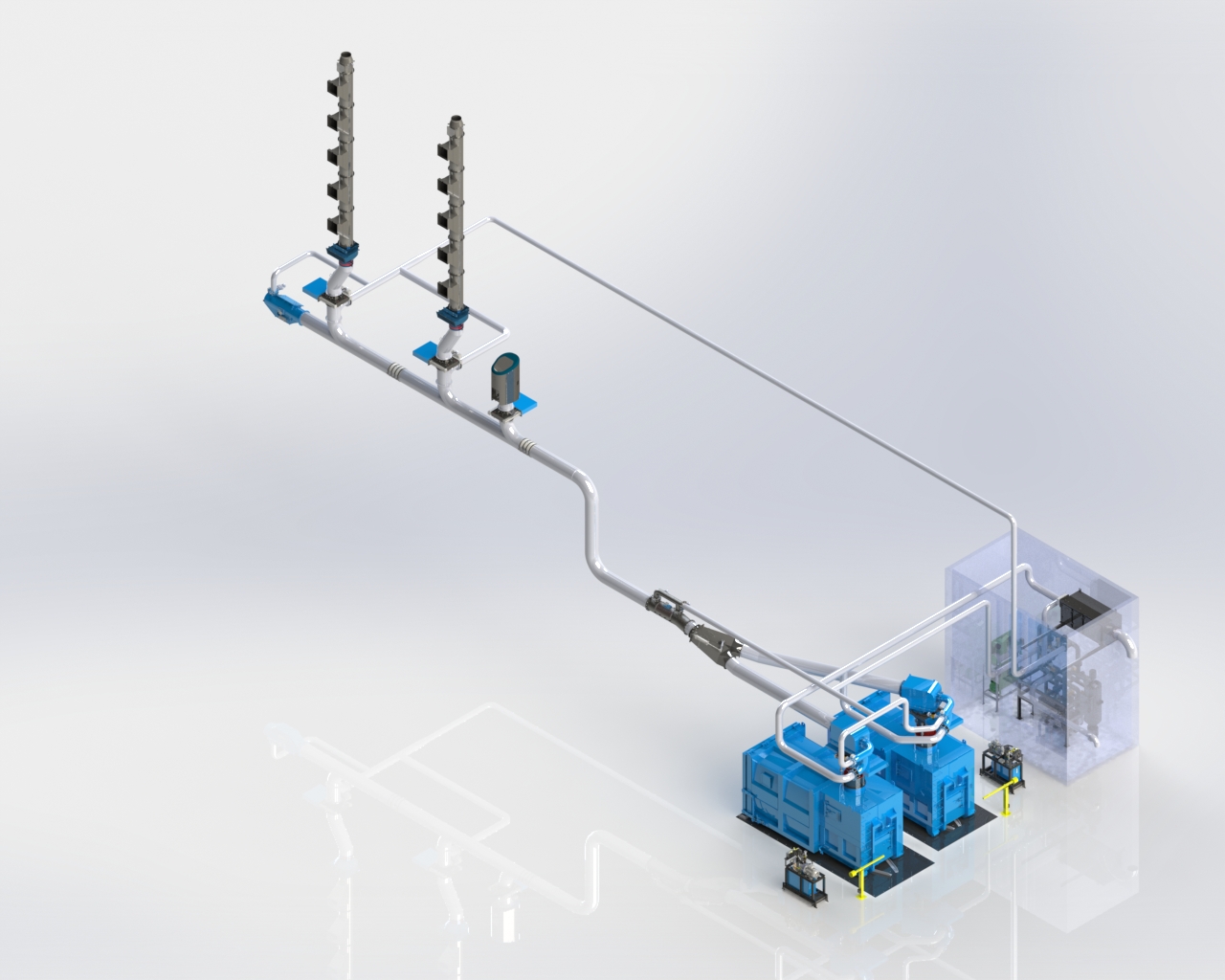
At Stream Environment, we have been building the waste infrastructure that powers green city ambitions since 1991, delivering sealed subterranean pneumatic networks across nine countries and 410 landmark projects.
Traditional waste handling generates carbon emissions from idling diesel lorries. It pollutes groundwater through leachate leaks, and it pushes poorly sorted material into landfill. Smart waste management closes that gap. Manual, truck-based logistics give way to automated, closed-loop subterranean systems. Green cities then gain a waste utility that matches the rest of their environmental ambition.
The climate argument is not marginal either. C40 Knowledge Hub notes that sustainable waste management in rapidly urbanising cities can significantly cut greenhouse gas emissions. Methane matters most here, being far more potent than carbon dioxide over the short term.

Data-Driven Efficiency via Smart Sensing
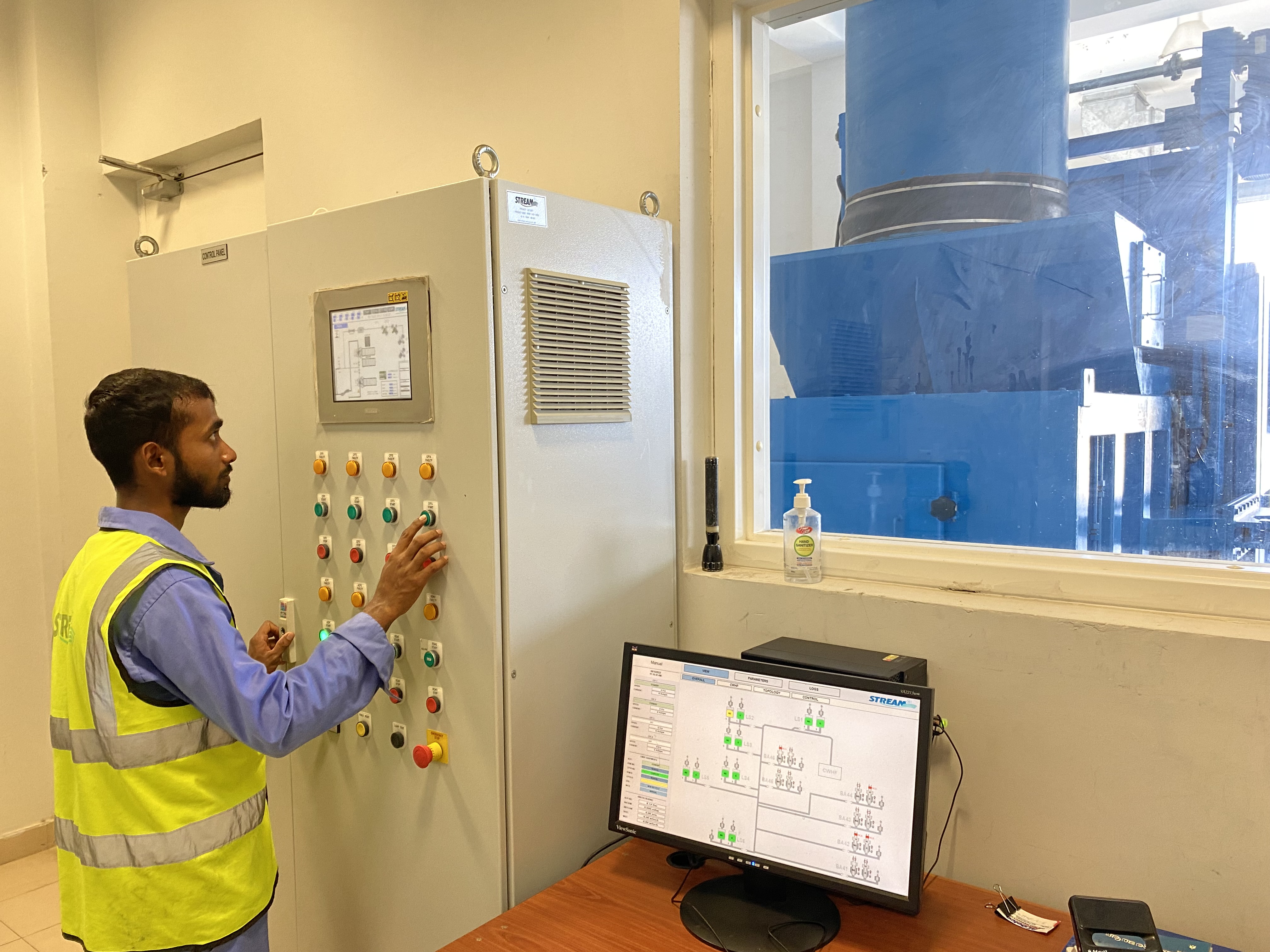
Physical automation is only half of it. Smart waste management uses real-time data and Internet of Things sensors to turn reactive collection into a predictive operation. Integrated digital networks monitor waste volume, air pressure and system usage continuously across a development.
That data lets facility teams optimise collection cycles dynamically rather than following a fixed timetable. Overloads get prevented before they occur. Waste generation patterns across residential, commercial and public areas become measurable. Municipal zero-waste targets require exactly that.
How Smart Infrastructure Drives the Green City Vision
Drastic Reduction in Urban Carbon Footprints
Rubbish lorries contribute meaningfully to urban greenhouse gas emissions and noise. Automating transport eliminates multi-stop truck routes through residential and commercial corridors. Local vehicle emissions fall accordingly.
Optimised Source Segregation & Higher Recycling Rates
Smart disposal inlets allow multi-fraction sorting at the point of disposal. Recyclables and organic waste stay separate from general refuse. That prevents the cross-contamination which sends otherwise recoverable material to landfill. Clean streams are what circular economy processing actually depends on.
Elimination of Surface Contamination & Environmental Hazards
Standard rubbish storage rooms leak corrosive leachate and emit volatile organic compounds. Sealed subterranean networks run under continuous negative pressure. Liquids, odours and micro-organisms stay inside the system rather than in the building.
Land Recovery for Green & Community Spaces
Replacing ground-floor bin staging, service corridors and storage rooms with compact intake points frees genuine land area. Singapore's National Environment Agency has measured it. A 1,000-unit development without a bin centre recovers space equivalent to a five-room flat. That footprint can become an urban park, a green roof or community amenity.
What Smart Waste Management Looks Like in Practice
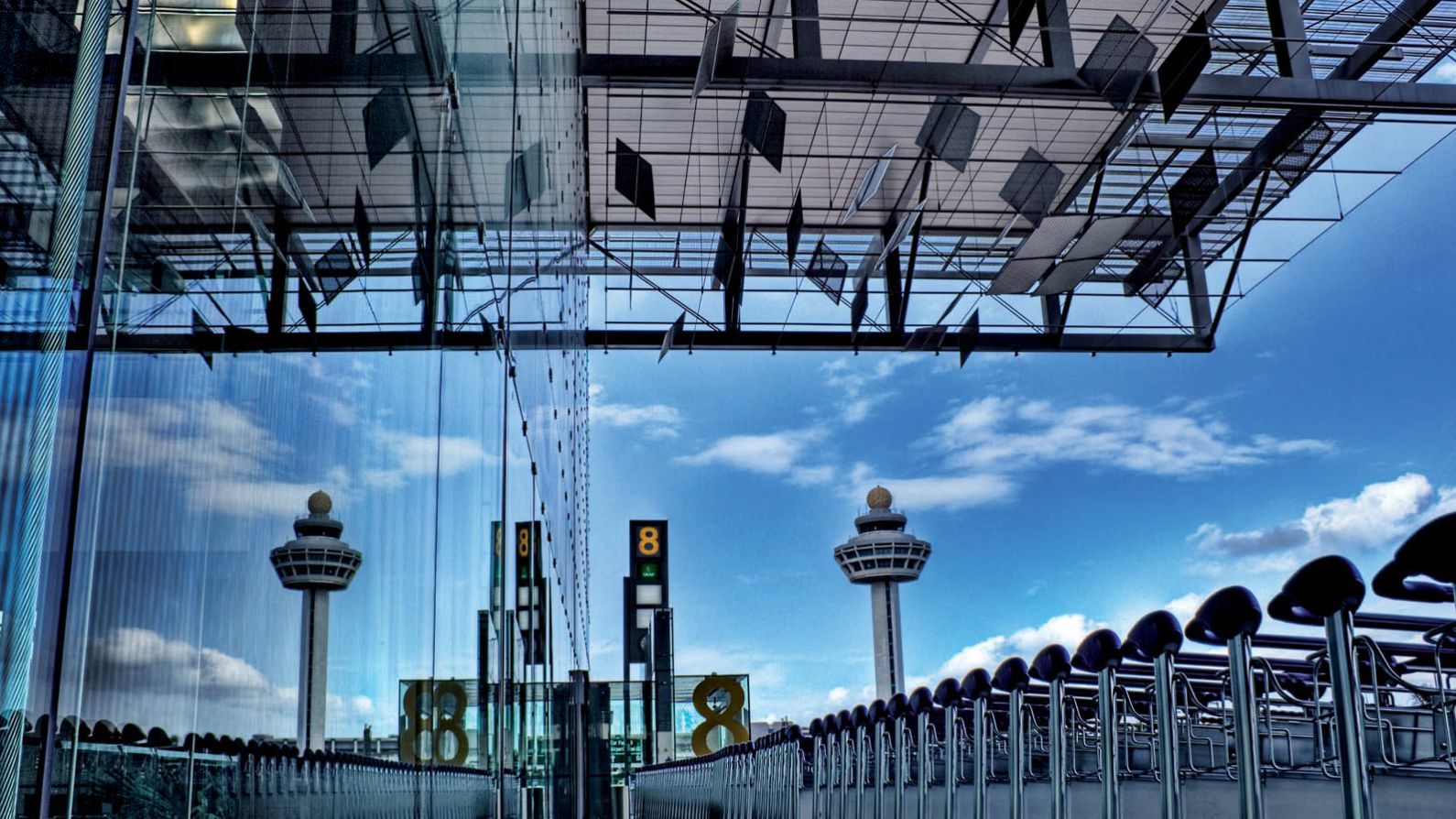
Woodlands Health Campus in Singapore is a useful case, because the numbers are published rather than claimed. STREAM installed a Full Vacuum System there between 2018 and 2021, across a 7.66-hectare Ministry of Health campus.
The system runs 2,200 metres of pipe, 112 load stations and ten table-top food waste units. All of it feeds a single Central Waste Handling Facility. Daily throughput is around 17 tonnes across three separate fractions. Food waste passes to a composter and digester. Linen is collected separately, and general and recyclable waste is compacted into sealed containers. STREAM's own case study puts the reduction in CO2 emissions and pollution at 90%.
Three fractions in a working hospital is the detail worth noting. Segregation at that level turns a sustainability target into measurable diversion from landfill.
Getting the Carbon Accounting Right
Claims about emissions deserve precision, because ESG reporting is audited. A pneumatic network does not simply delete emissions. It moves them.
Diesel collection vehicles produce direct combustion emissions. Those sit in Scope 1 where the fleet is owned, and Scope 3 where collection is contracted out. Vacuum exhausters run on purchased electricity, which sits in Scope 2. Replacing lorries with a pneumatic system therefore cuts Scope 1 and Scope 3. It adds to Scope 2 in exchange.
The net result is usually favourable, and it improves over time. Grid electricity decarbonises as renewable generation grows. An electrically driven waste utility therefore gets cleaner every year without further capital works. A diesel fleet does not. That argument is stronger than a blanket claim of emissions elimination. It also survives scrutiny from an ESG analyst.
The Commercial & Ecological Advance
Green Certification and Investor Appetite
Implementing a PWCS drastically reduces scope 1 and scope 2 emissions by replacing fuel-heavy garbage trucks with energy-efficient subterranean vacuum technology. This measurable drop in carbon intensity directly improves a development’s ESG ratings, making green cities far more attractive to institutional investors and eco-conscious tenants
Space Efficiency and Urban Micro-Climate
Measurable reductions in carbon intensity feed directly into green building certification. Merdeka 118 is pursuing triple platinum ratings under LEED, Malaysia's Green Building Index and GreenRE. Woodlands Health Campus targets BCA Green Mark Platinum. Waste infrastructure contributes to those assessments. Strong ratings then make a development more attractive to institutional investors and corporate tenants.
The Blueprint for Cleaner Urban Living: PWCS is Vital for Green Cities
Removing ground-floor waste staging, bin storage and truck access roads unlocks high-value footprint. Repurposed as green roofs, pocket parks and permeable landscape, that area reduces the urban heat island effect. Property values tend to follow.
Where energy consumption is itself the priority, the Shuttle Vacuum System uses a shuttle mechanism rather than continuous airflow, which lowers power draw substantially.
Let's Get Green with STREAM
Speak to Stream Environment's engineering team about recovering real estate and meeting ESG targets through smart waste management.
Partner with STREAM to replace outdated collection routines with high-speed subterranean pneumatic infrastructure. Speak to our engineering team about recovering real estate and meeting ESG targets. Building smart waste management into the master plan from the outset is where it starts.
Frequently Asked Questions
1. What makes waste management smart rather than simply automated?
Automation moves the waste. Smart systems add sensing and data on top. Collection cycles then respond to actual fill levels, and managers measure generation patterns rather than estimating them.
2. Does a pneumatic system genuinely lower carbon emissions?
It removes diesel collection vehicles and replaces them with electrically driven transport. Net benefit depends on grid carbon intensity. That benefit grows as the grid decarbonises.
3. How many waste streams can one network separate?
Multiple. Woodlands Health Campus runs three fractions across one network. Food waste, linen, and general and recyclable material each get dedicated handling.
4. Does smart waste management help with green building certification?
Yes. Waste infrastructure contributes to assessments under LEED, GBI, GreenRE and BCA Green Mark. Credit allocation varies by scheme and version.
5. Can existing developments adopt smart waste infrastructure?
Retrofits are possible but considerably more expensive than designing the system into a master plan. Pipe routing through a finished structure is heavily constrained.
The Blueprint for Cleaner Urban Living
Smart waste management belongs in the same category as water, power and drainage. It is a utility. Treating it as an afterthought undermines every other sustainability measure on the site.
Subterranean pneumatic networks remove surface emissions, recover premium land and make source separation practical at scale. For a development with genuine environmental ambitions, that combination is hard to achieve any other way. STREAM has delivered this across nine countries since 1991.