
Building Urban Resilience Through Automated Subterranean Utilities
Achieving sustainable development means looking past energy-efficient buildings. The hidden utility bottlenecks underneath them need addressing too. Traditional waste handling depends on multi-stop diesel lorries, open bin storage and manual labour. Each creates environmental risk. Greenhouse gas emissions, groundwater leachate contamination and public health hazards all follow.
At Stream Environment, we help developers achieve genuine sustainable development targets by replacing surface bin logistics with automated subterranean waste utilities that operate cleanly for decades.
Sustainable waste management turns that linear, resource-heavy process into an automated subterranean utility. Moving waste transport underground removes surface pollution and lowers long-term lifecycle costs. The result is infrastructure capable of supporting high-density living for decades.
The market is moving in the same direction. Automated waste collection is forecast to grow fastest in Asia-Pacific, at a compound annual rate of around 9.5%. Rapid urbanisation and smart-city development across the region are driving it.

How STREAM Differs From Conventional Approaches & What District-Scale Deployment Actually Looks Like
Most systems marketed as smart attach IoT sensors to surface bins or optimise lorry routes. Those measures help. They also leave the underlying logistics completely unchanged. Bins still fill, lorries still drive, and staff still handle waste by hand.
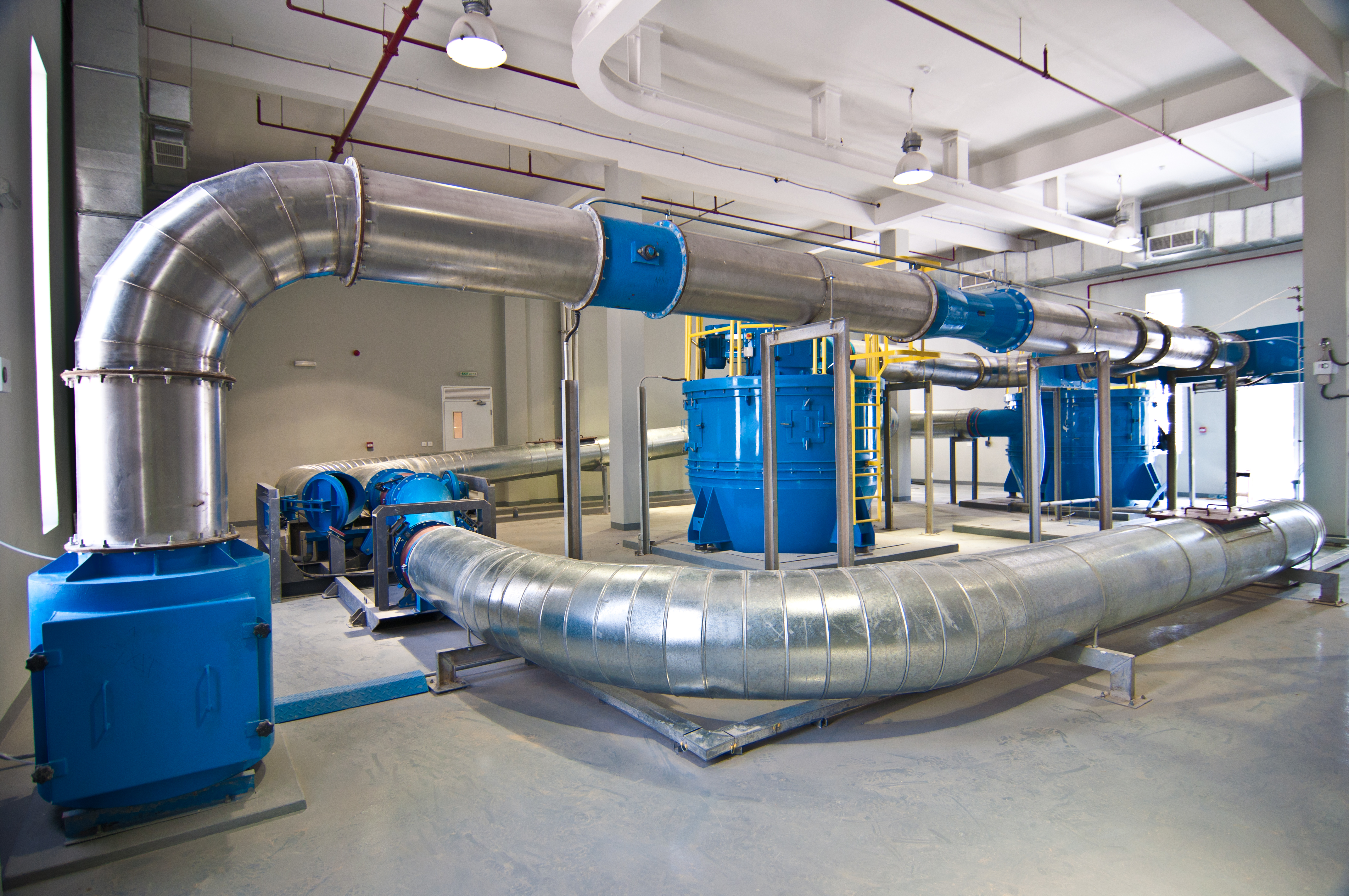
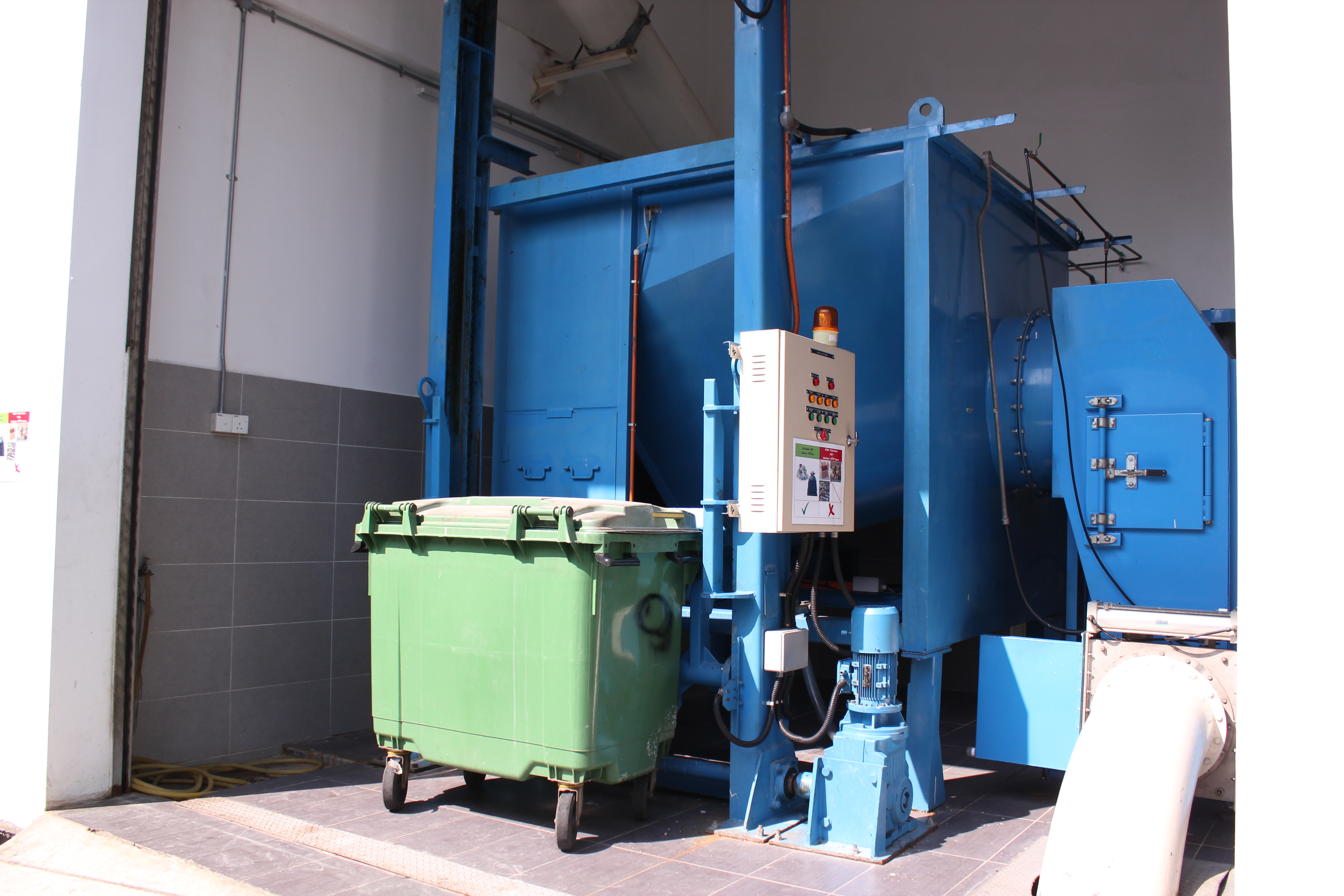
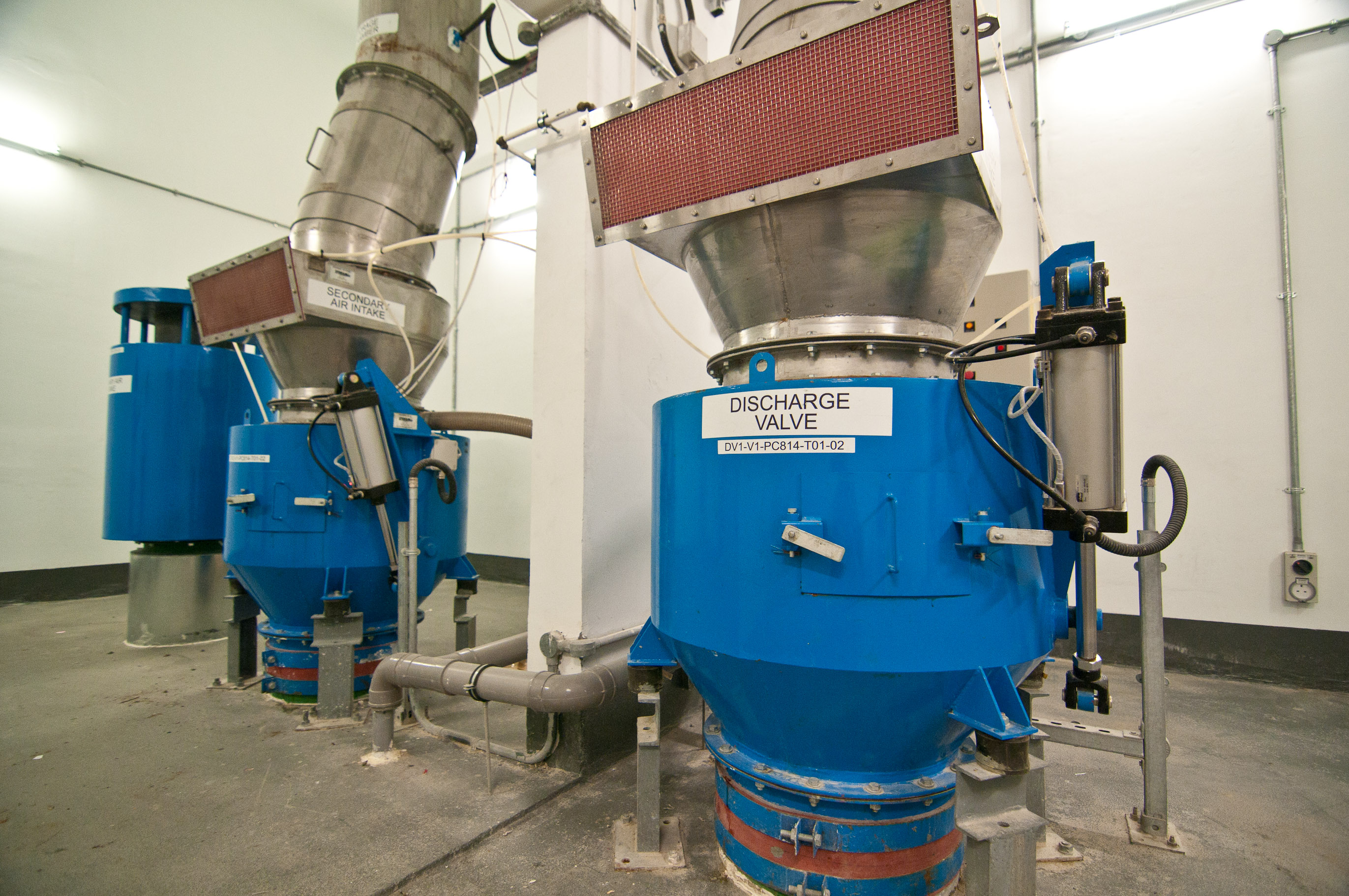
STREAM's Automated Waste Collection System re-engineers the logistics instead. Sealed pipe networks under continuous negative pressure carry waste from building inlets to one remote facility. STREAM systems move refuse at roughly 20 to 25 metres per second, which is around 70 to 90 kilometres per hour.
Standard gravity chutes and localised compactors still require manual hauling at the bottom. End-to-end automation removes that step entirely. The vehicle fleet, the maintenance schedule and the associated injury risk go with it.
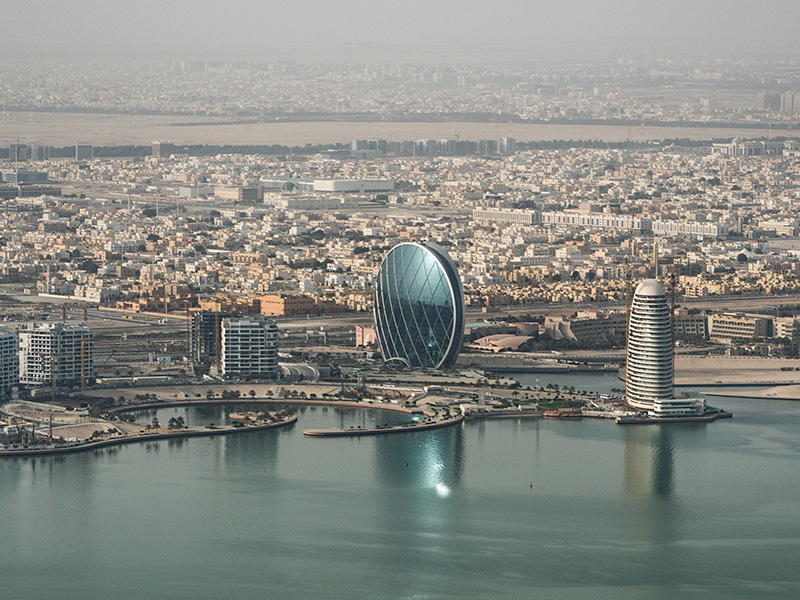
Abstract claims about scale are easy. The Al Raha Beach development in Abu Dhabi provides the numbers instead. STREAM delivered a hybrid system across Phase I between 2009 and 2011. It runs 21,000 metres of pipe and handles approximately 210 tonnes of waste per day across two fractions.
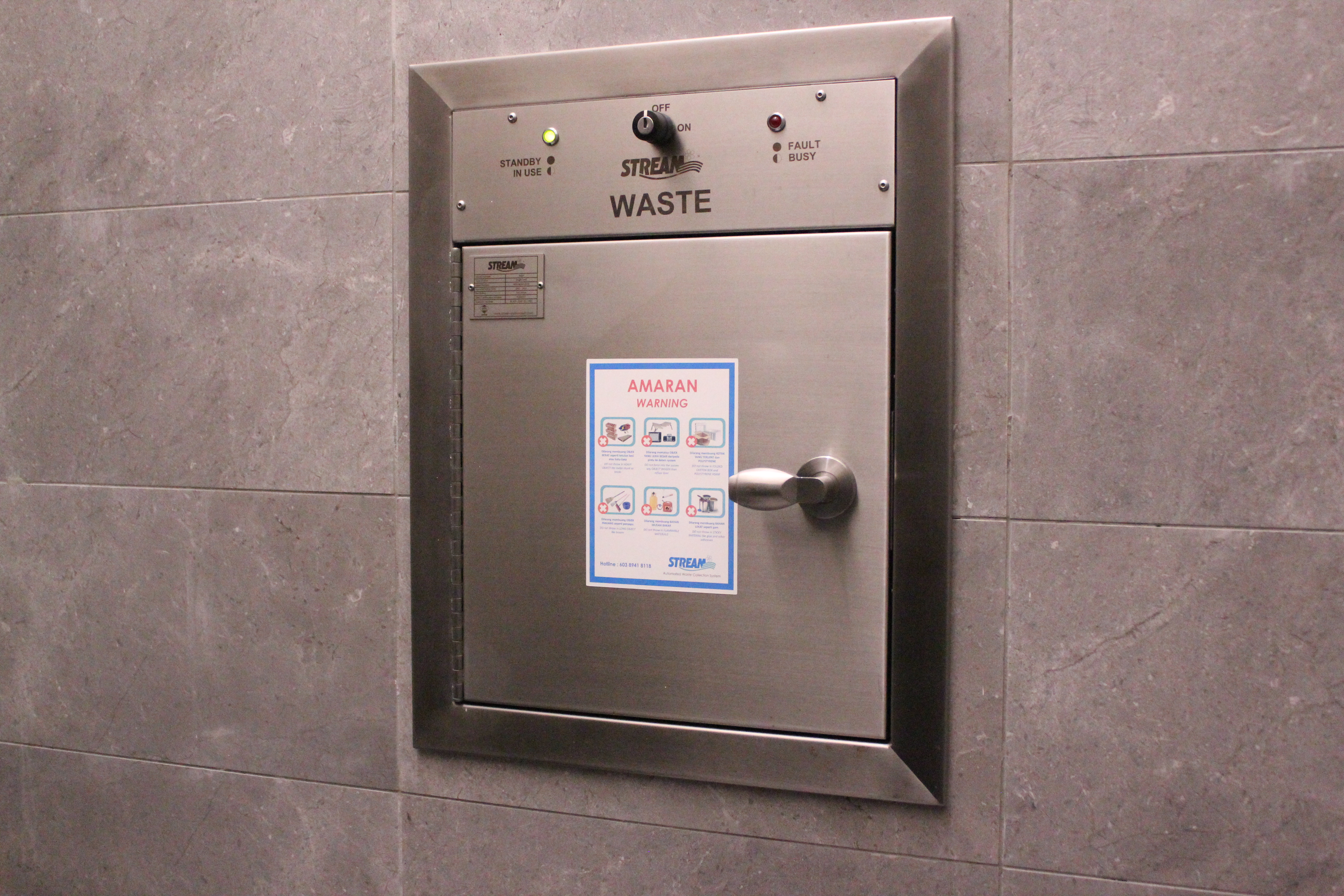
That is district infrastructure rather than a building service. Within the same development, the 23-storey Aldar Headquarters runs dual-fraction load stations. Two chutes and two separate holding chambers keep recyclable and non-recyclable streams apart from the point of disposal onwards.
Volumetric hopper doors act as the first line of recycling control at every load station. Bulky recyclable items cannot enter. Separate handling becomes compulsory, which reinforces separation at source rather than relying on goodwill.
How Automated Waste Utility Drives Sustainable Development Goals
Strengthening Infrastructure Resilience & Operational Safety
Sealed subterranean networks operate continuously regardless of weather or surface traffic. A monsoon does not stop collection. Neither does a blocked service road. That reliability lowers long-term maintenance exposure. It also removes a whole category of labour risk.
Preserving Urban Ecosystems & Air Quality
Replacing surface lorries with vacuum pipes removes heavy-vehicle idling emissions, leachate runoff and localised odour pollution. Surrounding ecosystems benefit, and so do urban microclimates.
Advancing Circular Economy Frameworks
Multi-fraction intake points allow source separation for recyclables and organic waste. Preventing cross-contamination is what lifts material recovery rates. Processors reject mixed loads outright. Clean streams move into reuse; contaminated ones go to landfill regardless of intent.
Supporting Green Certification
Modern waste infrastructure contributes to LEED, Green Building Index, GreenRE and BCA Green Mark assessments. Credit allocation varies by scheme. Measurable diversion and reduced vehicle movements are recognised across all of them.
Optimising Cost Allocation Over the Asset Lifecycle
Truck-based collection exposes municipalities and property managers to volatile fuel prices, vehicle maintenance and rising labour costs. Idling in urban traffic consumes considerable energy per tonne collected. None of those costs trend downwards.
An electrically driven pneumatic plant converts that unpredictable operating expense into a stable, low-maintenance cost structure. Consider a district the size of Al Raha Beach. Moving 210 tonnes daily without a collection fleet is the difference between a variable budget line and a fixed one.
The Invisible Engine of Sustainability & Designing for a Fifty-Year Asset
Automated Waste Collection System eliminates heavy diesel vehicles and surface sanitation hazards. This shift to hidden subterranean utilities builds resilient communities that effortlessly meet global sustainability benchmarks.
Sustainable waste management only works if the infrastructure lasts as long as the buildings above it. Buried pipe is difficult and disruptive to replace, so material specification, pipe gradient and access chamber positions all deserve proper attention at design stage. The same applies to spare capacity. A network sized precisely to day-one volumes will struggle once a later phase connects, and adding headroom during initial design costs far less than parallel routing afterwards.
Take Your Waste Infrastructure Underground
Speak to Stream Environment about building sustainable waste management into your master plan.
Join landmark developments including Merdeka 118, Changi Airport and Al Raha Beach in defining the next era of clean cities. Speak to STREAM about building sustainable waste management into your master plan.
Frequently Asked Questions
1. What makes waste management sustainable rather than simply efficient?
Sustainability requires measurable outcomes across emissions, material recovery and land use. Efficiency alone can just mean faster lorries. Sustainable waste management changes what the system does, not just how quickly it does it.
2. How large can a single network get?
Very large. STREAM's Al Raha Beach Phase I system runs 21,000 metres of pipe and handles around 210 tonnes daily. That places it among the largest deployments worldwide.
3. Does the system actually improve recycling rates?
It improves the conditions for recycling. Separate chutes and holding chambers keep fractions apart. Volumetric hopper doors prevent contamination, so processors receive material they can actually use.
4. Is pneumatic collection energy-intensive?
It draws real power, and honest specification matters. Correct sizing, capacity-triggered cycles and energy-optimised technology keep consumption reasonable. Grid decarbonisation then improves the position each year.
5. Do global mega-projects require this infrastructure?
Increasingly, yes. Several large master-planned developments now mandate automated waste collection at planning stage. It is no longer treated as an optional upgrade.
The Invisible Engine of Sustainability
An automated waste collection system removes heavy diesel vehicles and surface sanitation hazards from a development. Because the infrastructure sits underground, residents never see the utility doing its work.
That invisibility is the point. Resilient communities are built on systems nobody has to think about. Waste is the last major utility still waiting to make that transition in most cities.