
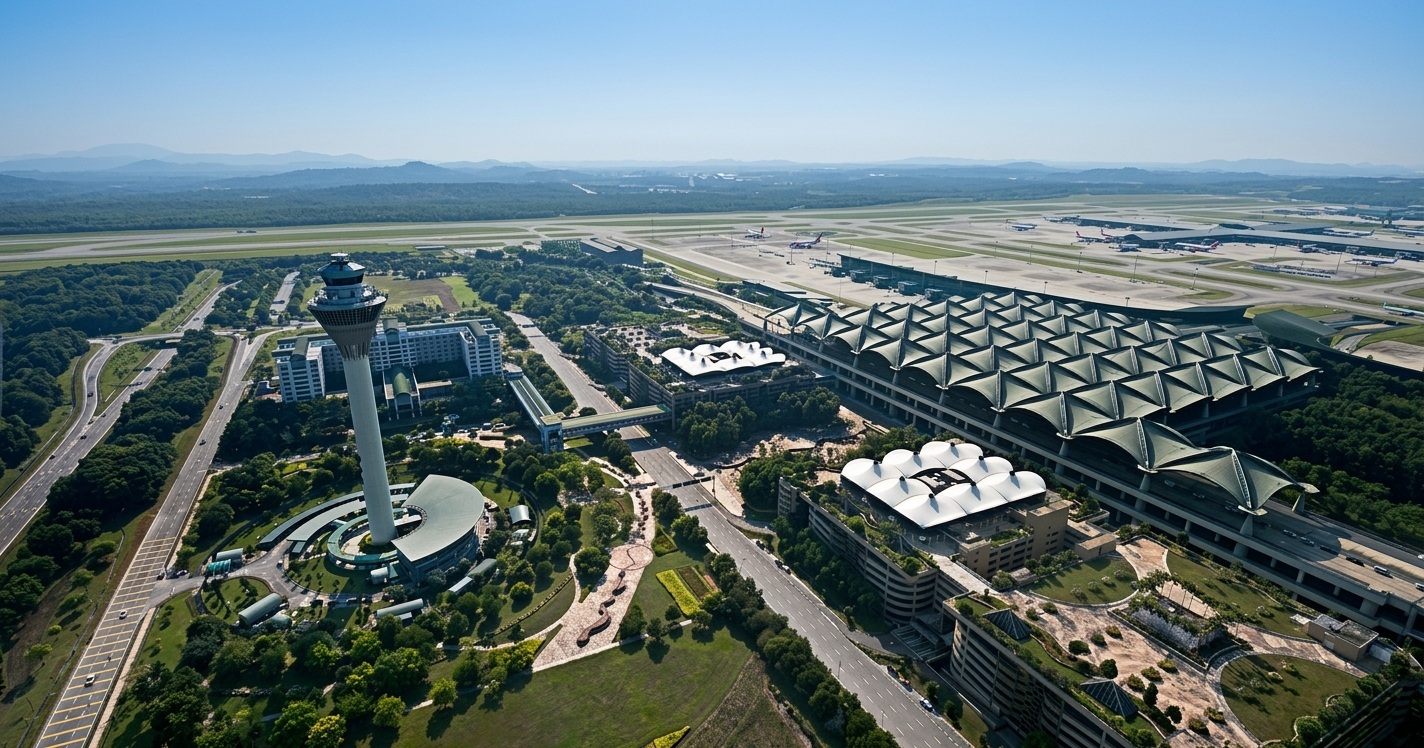
The Challenge: When Passenger Traffic Outpaces Trash Capacity
Major public transit hubs - such as international airport terminals, railway hubs, and integrated bus stations - operate round the clock under relentless passenger pressure. At facilities like Kuala Lumpur International Airport Terminal 2 (KLIA Terminal 2) & Changi Airport, tens of thousands of travellers pass through daily. Along with this high footfall comes an extraordinary, non-stop generation of municipal solid waste, ranging from takeaway packaging and beverage containers to discarded travel items.
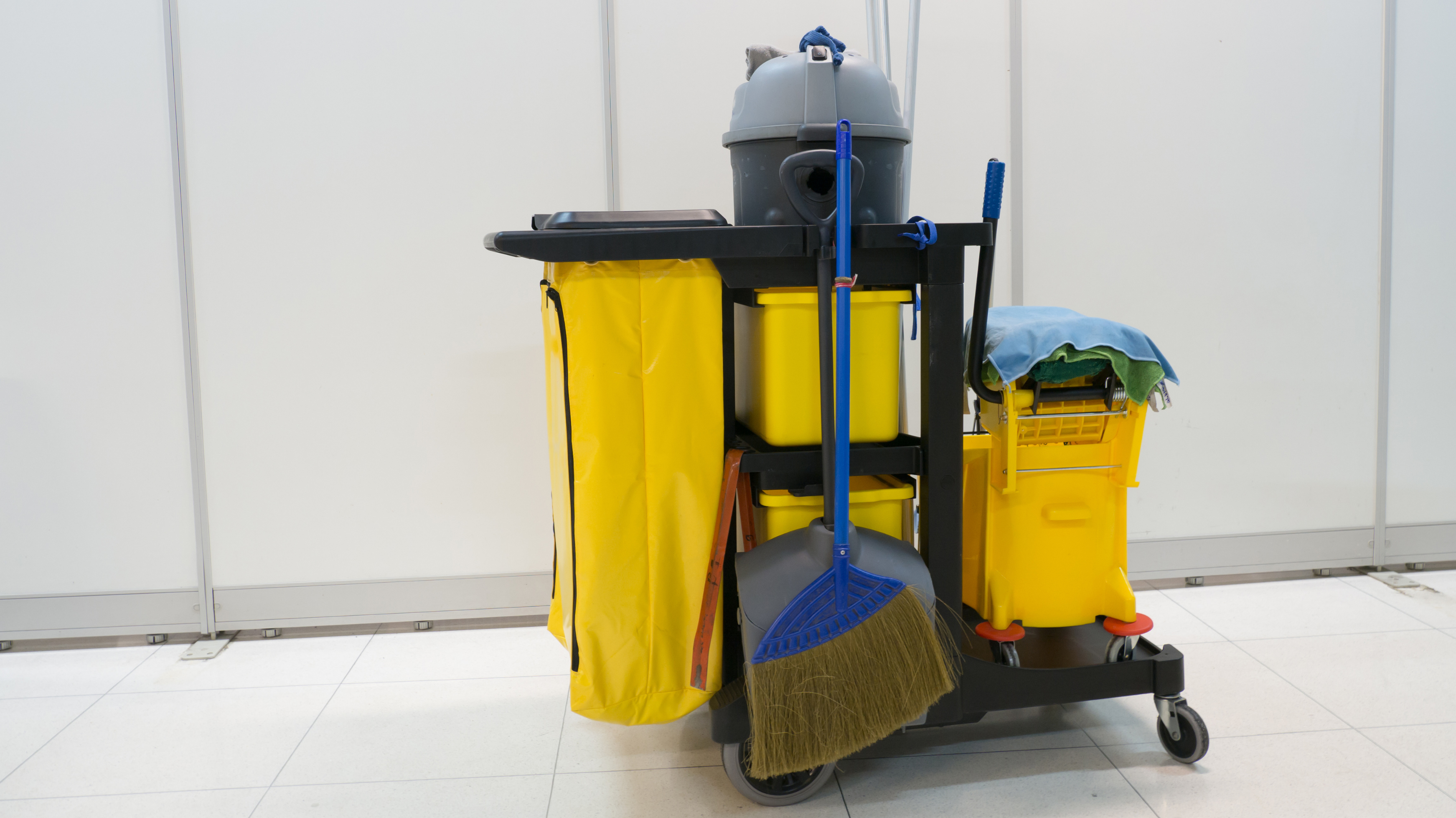
In traditional transport hub operations, waste management relies on static litter bins emptied manually by janitorial staff on fixed schedules. However, during peak travel hours or sudden flight delays, trash volumes spike unpredictably. Bins overflow rapidly, resulting in unsightly litter, unpleasant odours, pest attractants, and health risks in high-traffic passenger zones. Furthermore, moving heavy wheelie bins through crowded departure lounges creates operational bottlenecks, degrades airport aesthetics, and increases manual labour demands.

Operational Bottlenecks & Environmental Risks of Manual Waste Logistics
Manual waste collection creates severe operational bottlenecks across busy terminal areas. Janitorial teams hauling heavy wheelie bins through crowded gates disrupt passenger flow, lower aesthetic standards, raise labor and injury costs, and create security risks in sensitive zones.
Additionally, manual collection prevents real-time tracking and environmental monitoring. Open-air bins promote material contamination while allowing dust and bacteria to escape into indoor spaces. Relying on labor-intensive, reactive waste methods in expanding transit hubs is economically inefficient, visually unappealing, and unsustainable.
Strategies for Waste Volume Reduction
Heavy-Duty Compaction Systems
Installing commercial-grade compaction equipment at key waste consolidation points significantly reduces the overall volume of bulky rubbish. By compressing waste before off-site transport, hubs can cut collection frequencies and lower haulage costs.
Smart Monitoring & Sensor Integration
Real-time fill-level sensors inside waste receptacles alert facilities management teams immediately before a bin reaches capacity. This data-driven approach shifts maintenance routines from fixed schedules to demand-responsive collection routes.
Separated Recycling Streams
Clear, well-labeled sorting stations encourage passengers to segregate recyclables - such as plastic bottles, aluminum cans, and paper product - at the point of disposal. Diverting these materials away from general waste streams prevents early capacity limits from being breached.
Automated Pneumatic Transport
Cutting-edge facilities integrate underground vacuum waste collection systems. Waste dropped into load stations is instantly transported through sealed pipes directly to central processing stations, entirely eliminating overflow at the public level.
Why STREAM AWCS is the Ultimate Solutions for Airports & Transport Hubs
Modern international airports and major transport hubs operate under continuous pressure, catering to record passenger volumes around the clock. While smart sensors and compaction bins offer partial relief, an Automated Waste Collection System (AWCS) provides a transformative solution by replacing manual collection with a vacuum network. By conveying waste through hermetically sealed pipes directly to a central processing station, AWCS completely removes heavy wheelie bins and janitorial carts from crowded check-in zones, departure gates, and retail strips. This total elimination of public waste transport prevents foot-traffic bottlenecks, enhances visual appeal, and eradicates unpleasant odours, airborne dust, and pest infestations.
Beyond improving the passenger experience, AWCS delivers vital operational, security, and safety benefits. Traditional collection forces staff to move waste carts repeatedly through sensitive security boundaries, baggage areas, and airside zones, creating vulnerability points and checkpoint delays. Routing waste exclusively underground streamlines security protocols while significantly reducing workplace injury risks, such as musculoskeletal strains from manual lifting. Operating continuously 24/7, AWCS seamlessly handles peak flight surges, providing transport hubs with a resilient, hygienic, and sustainable waste management infrastructure.
Proven in Iconic Transport Hubs Across Malaysia & Singapore
STREAM Automated Waste Collection System (AWCS) is a proven waste management solution, already serving major airports and transport hubs across Malaysia and Singapore:
Kuala Lumpur International Airport Terminal 2 - Integrates a Full Vacuum System that sealed-transports waste directly from busy departure gates and retail zones to an off-site collection station, enhancing airport security and hygiene.
Changi Airport Terminal 3 - Employs a Full Vacuum System with spiral waste bins to transport large volumes of daily commercial and passenger waste through underground pipes to a central facility.
Changi Airport Terminal 4 - Utilises a Full Vacuum System running through a 1,000-metre subterranean pipe network to process waste discreetly away from passenger concourses.
Terminal Bersepadu Selatan - Uses a centralised vacuum waste collection network to eliminate public bin transport, maintaining clean concourses across the major intercity bus hub.
Terminal Bersepadu Gombak - Features an automated pneumatic waste system under a long-term concession to handle high-volume passenger waste efficiently and sustainably.
Transforming Transport Hub Logistics: Inside Stream AWCS
"Automated waste collection systems deliver a transformative solution for high-density transport hubs, transporting garbage via underground pipelines directly to a central handling facility to eliminate manual collection. By integrating advanced waste compaction within sealed, airtight, and watertight containers, the system significantly expands holding capacity while upholding maximum hygiene and operational efficiency across busy airport environments." - Hisham Nadjmuddeen, Vice-President of the CEO's Office at AWC Berhad, FAQ Show

Redefining Transit Logistics: STREAM AWCS in Action
STREAM Automated Waste Collection System (AWCS) turns the promise of next-generation transit hubs into an active solution, delivering clean, automated waste logistics that enhance airport operations right now.
Transform Your Terminal Infrastructure Today
Ready to revolutionize waste logistics across high-volume passenger concourses? Eliminate unsightly bin overflow, indoor odors, and labor-heavy routines. Partner with the world leader in Automated Waste Collection Systems to deliver clean, continuous, and future-ready infrastructure for your transit hub.