
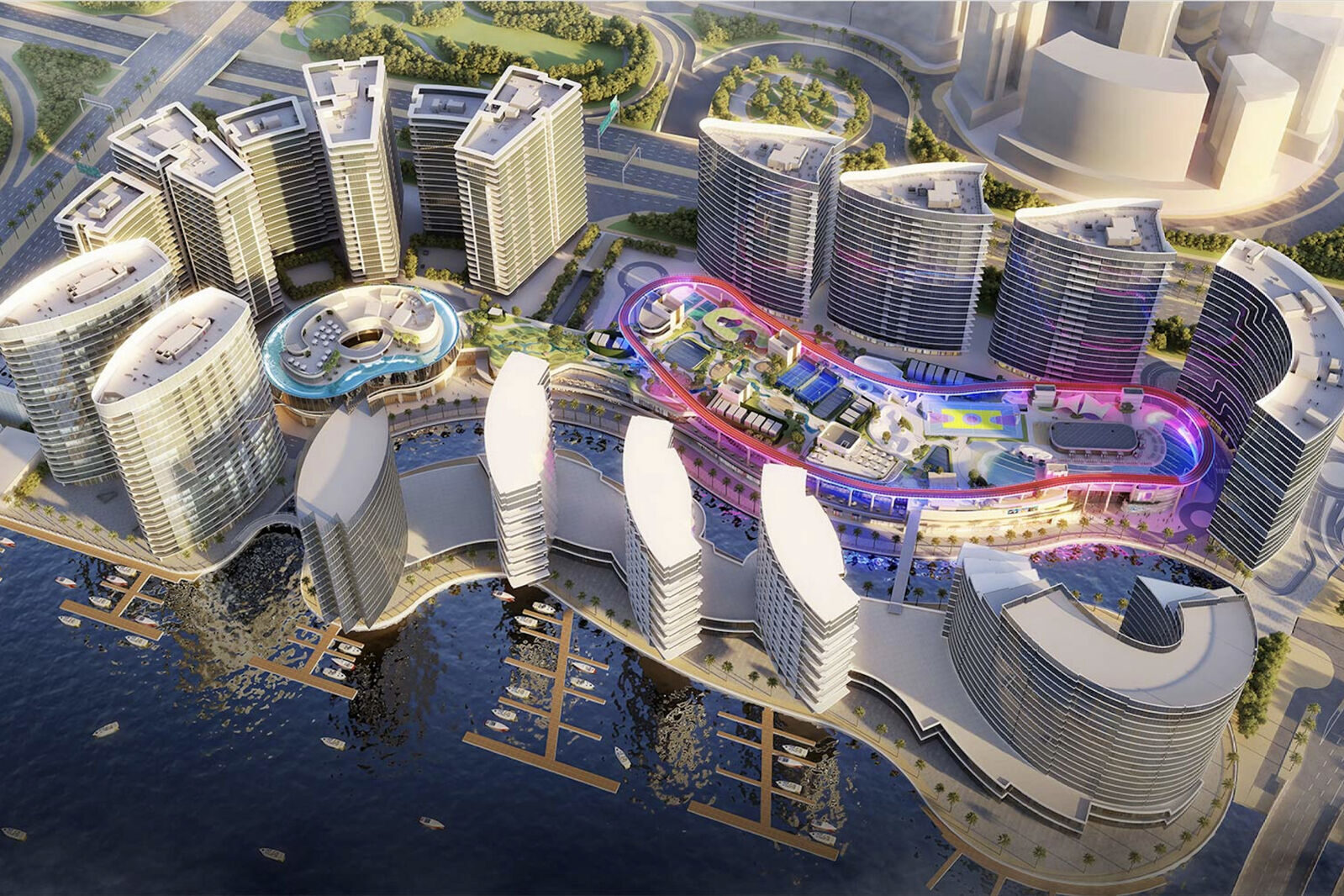
Redefining Urban Sustainability Through Next-Generation
When city planners and master developers design eco-friendly districts, the focus often falls on surface-level green features such as solar arrays, rainwater harvesting, and energy-efficient building facades. However, a modern development cannot achieve true sustainability if its waste utility relies on century-old collection methods. Traditional waste handling generates heavy carbon emissions from idling diesel trucks, pollutes groundwater through toxic leachate leaks, and creates massive landfill pressures due to inefficient sorting. Smart waste management bridges this gap by replacing manual, truck-based logistics with automated, closed-loop subterranean systems - transforming how green cities maintain ecological balance at scale.

Data-Driven Efficiency via Smart Sensing
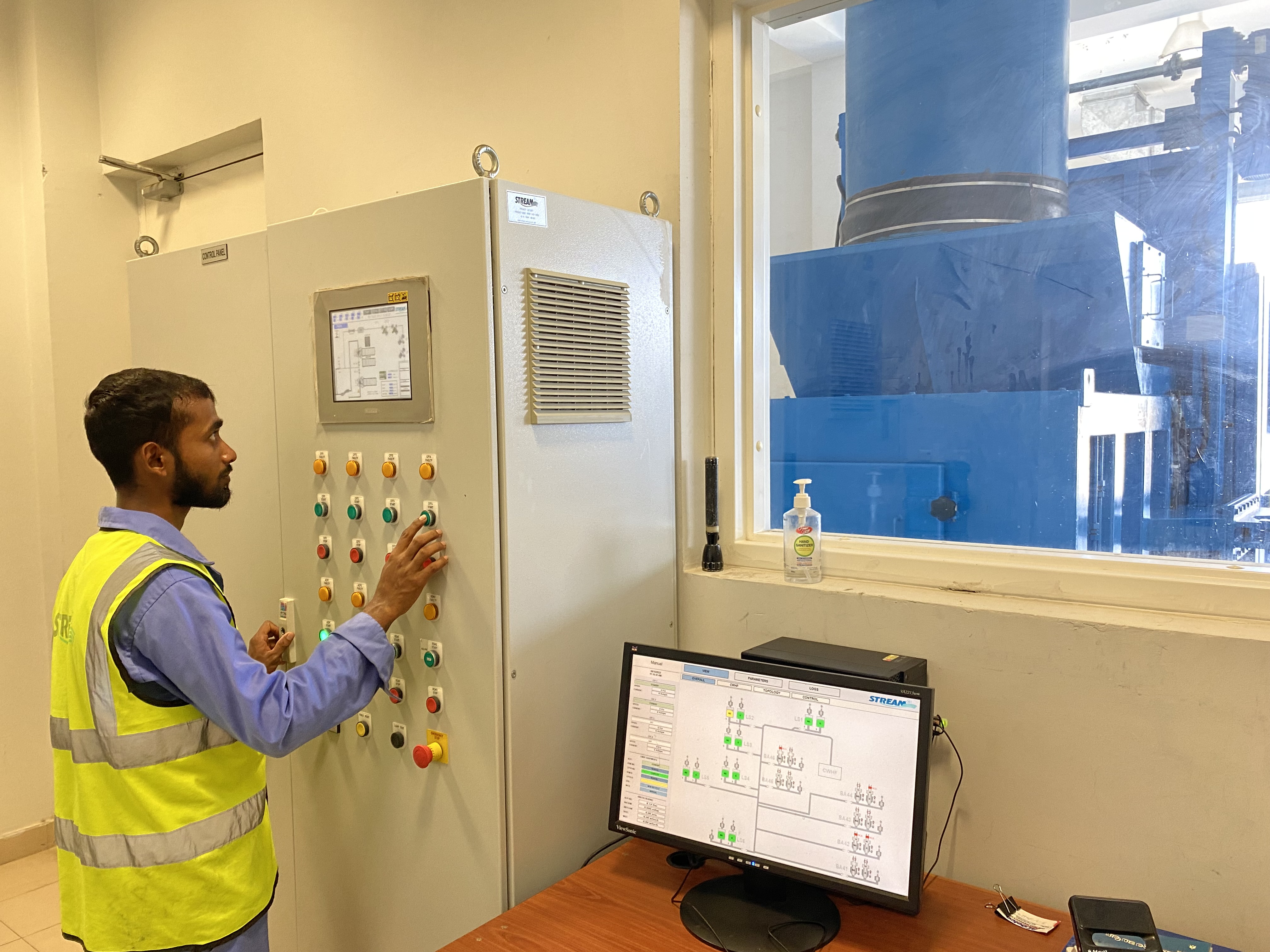
Beyond physical automation, smart waste infrastructure leverages real-time data and Internet of Things (IoT) sensors to transform reactive waste management into a predictive operational model. Integrated digital networks continuously monitor waste volume levels, air pressure, and system usage across entire developments. This data-driven approach allows city managers to optimize collection cycles dynamically, prevent system overloads before they occur, and accurately track waste generation patterns across residential, commercial, and public spaces to meet aggressive municipal zero-waste targets.
How Smart Infrastructure Drives the Green City Vision
Drastic Reduction in Urban Carbon Footprints
Traditional rubbish lorries are major contributors to urban greenhouse gas emissions and noise pollution. Automating waste transport eliminates multi-stop truck routes across residential and commercial corridors, significantly cutting local vehicle emissions.
Optimised Source Segregation & Higher Recycling Rates
Smart disposal inlets allow multi-fraction waste sorting (such as recyclables and organic waste) right at the point of disposal. This prevents cross-contamination, ensuring higher volumes of clean materials are redirected away from landfills and into circular economy streams
Elimination of Surface Contamination & Environmental Hazards
Standard rubbish storage rooms leak corrosive leachate and emit volatile organic compounds (VOCs). Sealed subterranean networks operate under continuous negative pressure, containing all liquids, odours, and harmful micro-organisms completely underground
Land Recovery for Green & Community Spaces
By replacing large ground-floor bin staging areas, service corridors, and multiple waste storage rooms with compact intake points, developers recover valuable land. This reclaimed footprint can be converted into urban parks, green roofs, or community-focused amenities
A way of Development
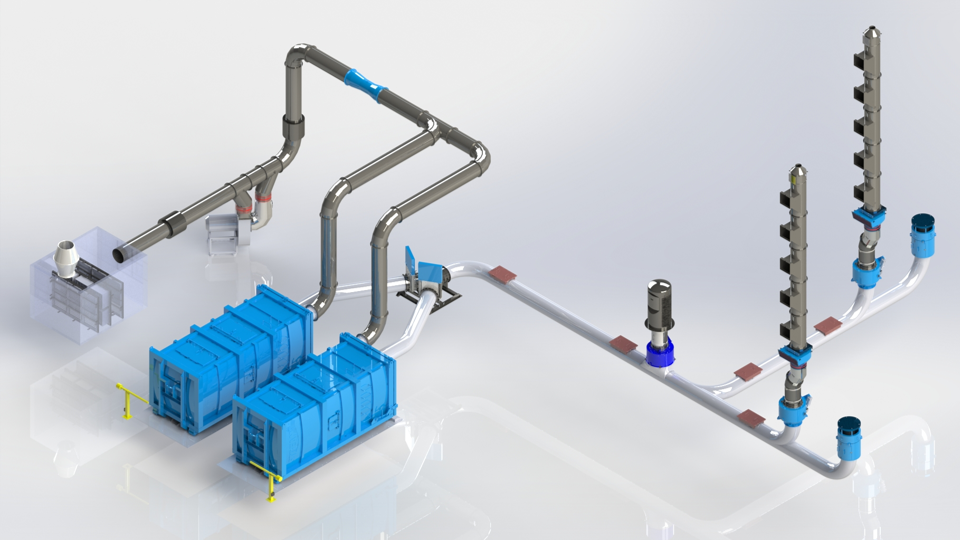
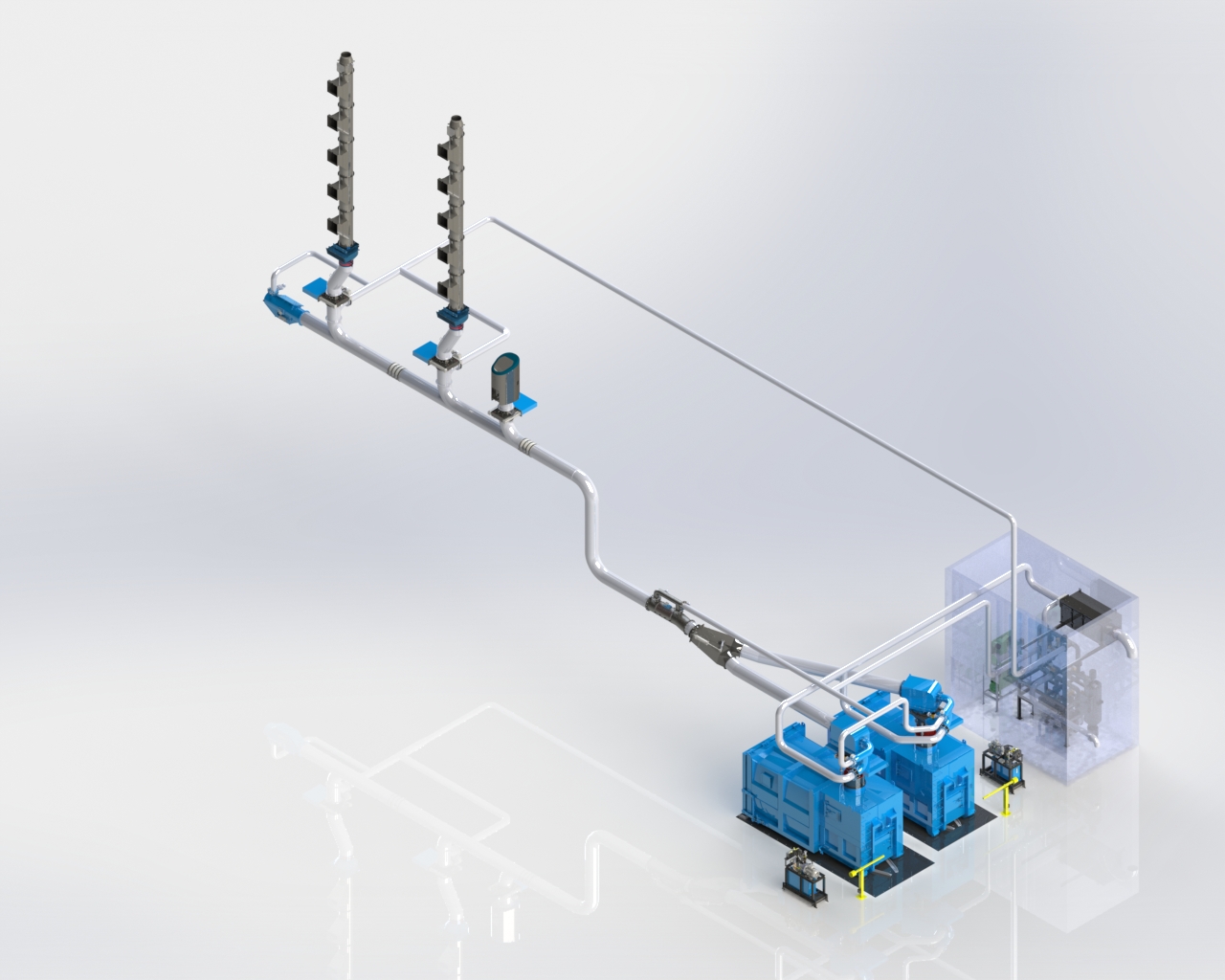
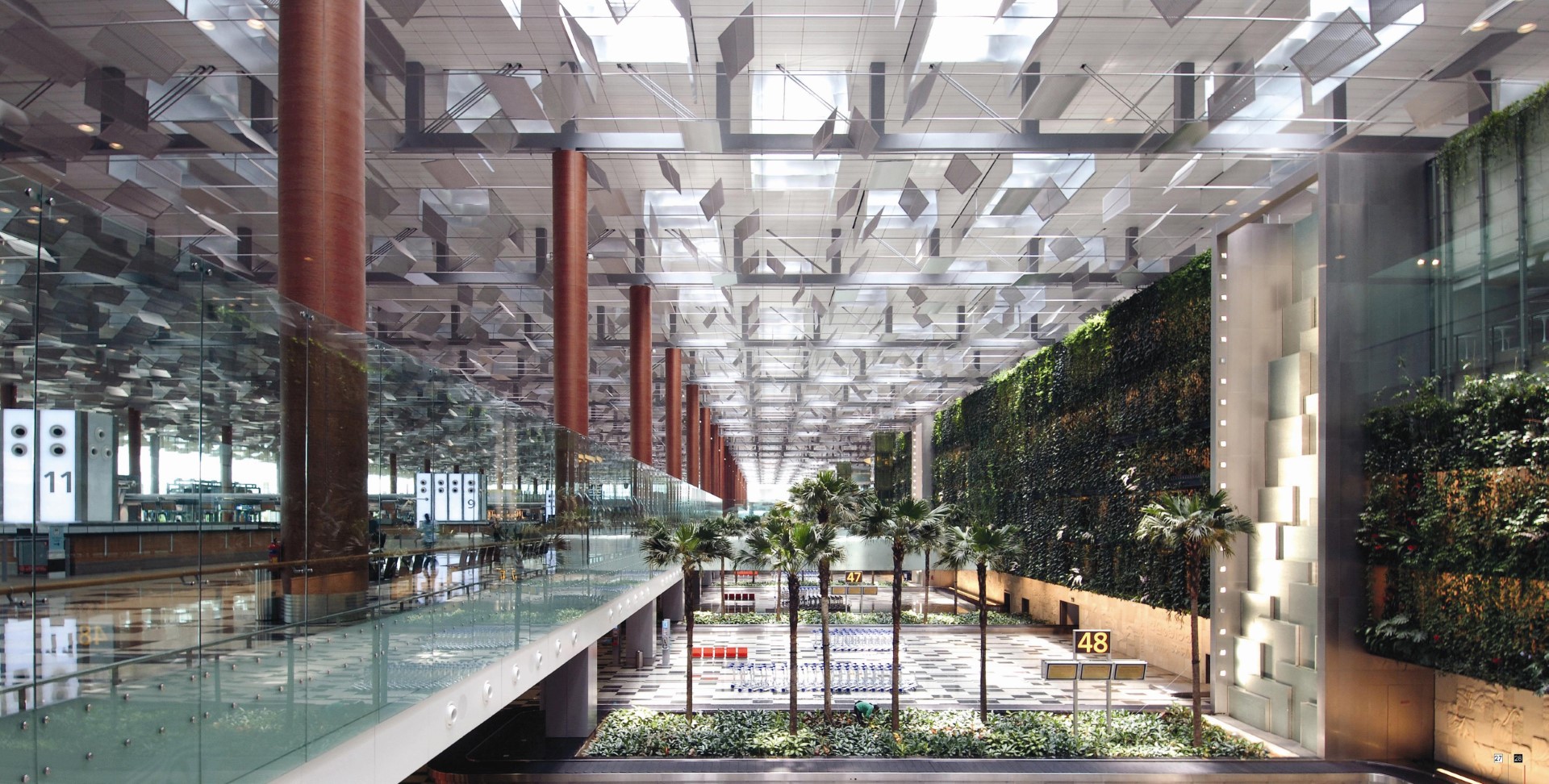
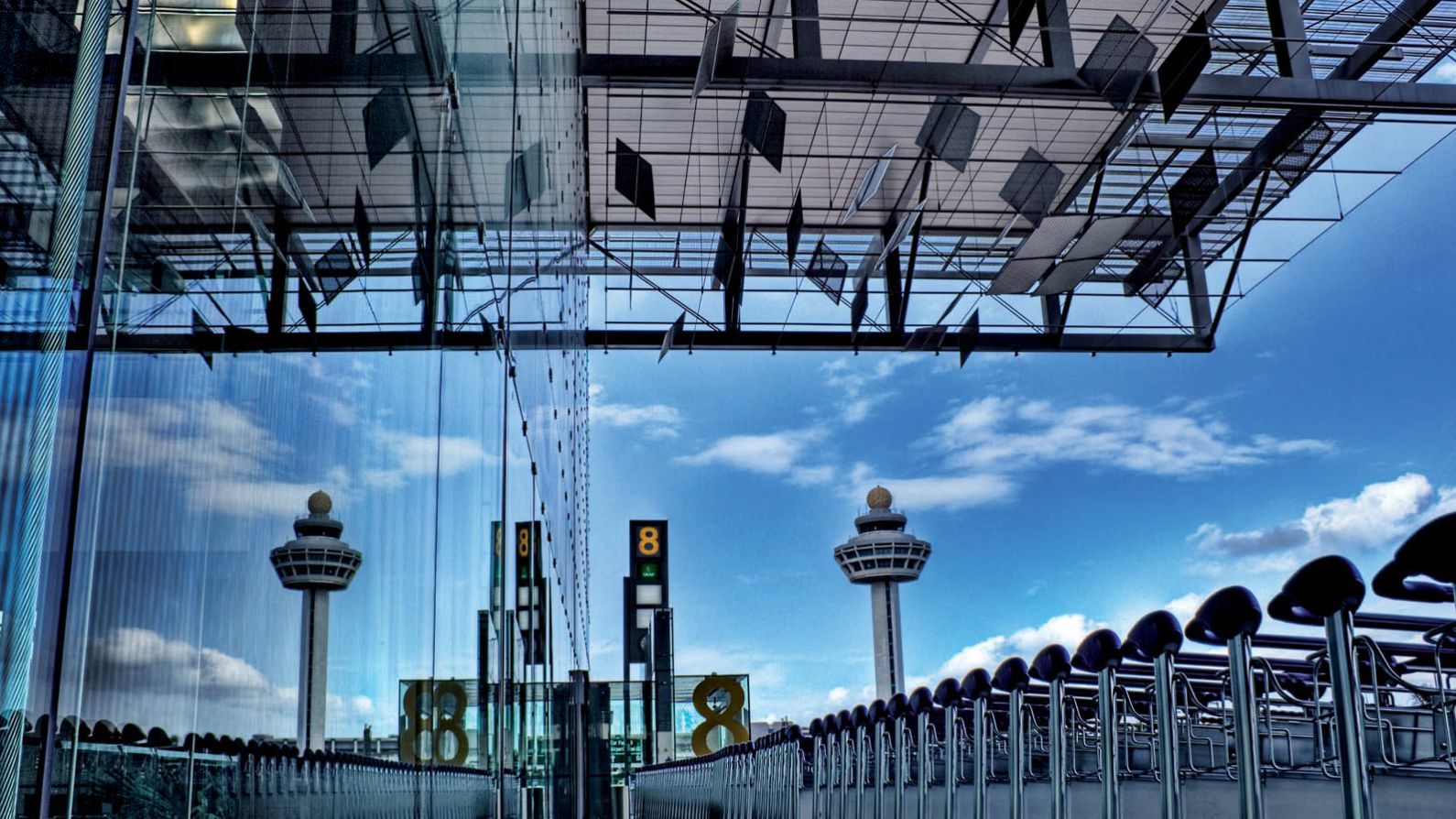
STREAM Pneumatic Waste Collection System serves as a vital utility backbone for eco-centric developments, shifting waste logistics entirely underground. Operating at speeds of up to 75 km/h, the system uses sealed vacuum pipe networks to move refuse from building inlets to a central, off-site processing facility. Iconic sustainable developments and high-density master plans - including Merdeka 118 in Malaysia, Changi Airport and Woodlands Health Facility in Singapore, as well as major district networks in Abu Dhabi and Dubai - rely on STREAM's engineered solutions to optimize resource recovery, comply with green building certifications (such as LEED, GBI, and Green Mark), and lower long-term operational overheads.
The Commercial & Ecological Advance
Accelerating Decarbonisation & ESG Rating Compliance
Implementing a PWCS drastically reduces scope 1 and scope 2 emissions by replacing fuel-heavy garbage trucks with energy-efficient subterranean vacuum technology. This measurable drop in carbon intensity directly improves a development’s ESG ratings, making green cities far more attractive to institutional investors and eco-conscious tenants
Maximising Space Efficiency for Urban Micro-Climate Solutions
By eliminating large ground-floor waste staging areas, dirty bin storage facilities, and truck access roads, developers unlock high-value footprint. This reclaimed urban land can be repurposed into green roofs, pocket parks, and permeable landscapes - reducing the urban heat island effect while driving up long-term property values
The Blueprint for Cleaner Urban Living: PWCS is Vital for Green Cities
Smart, subterranean Pneumatic Waste Collection Systems (PWCS) are essential for modern green cities, replacing polluting rubbish lorries with automated underground networks that eliminate surface emissions, recover premium land, and drive sustainable urban development.
Let's Get Green with STREAM
Partner with us today to replace outdated waste collection with high-speed, subterranean pneumatic infrastructure. Contact our engineering team to recover valuable real estate, hit ambitious ESG targets, and set a world-class benchmark for clean, sustainable communities.