

The Urban Density Dilemma in Modern Sanitation
As global urbanisation accelerates, high-density metropolitan areas face unprecedented pressure on municipal infrastructure. Cities keep advancing in digital connectivity and vertical architecture. Solid waste management, meanwhile, remains a glaring weakness in many urban centres. Dense environments generate enormous volumes of refuse daily. The systems built to clear it have barely evolved alongside the towers they serve.
At Stream Environment, we have been solving solid waste management failures in dense cities since 1991, replacing surface lorries and open bins with sealed automated systems that operate continuously underground.
The scale of the problem is widening. The World Bank projects global waste generation rising to 3.86 billion tonnes by 2050 under business as usual. That is a 50% increase in under three decades, driven largely by urbanisation and rising consumption.
The fundamental flaw lies in relying on surface-level collection inside overcrowded spaces. Manoeuvring heavy diesel lorries through narrow, congested streets creates severe operational bottlenecks. Add overfilled kerbside bins, foul odours and pest infestations, and conventional collection actively degrades urban hygiene rather than protecting it.
Fixing this requires rethinking urban utility design entirely. Developers and city planners are moving away from manual, vehicle-reliant removal. Automated subterranean infrastructure is taking its place. STREAM has driven that transformation since 1991. Durable solid waste management, the company argues, means taking refuse collection off the street and putting it underground.

Severe Traffic Congestion & Narrow Urban Gridlocks
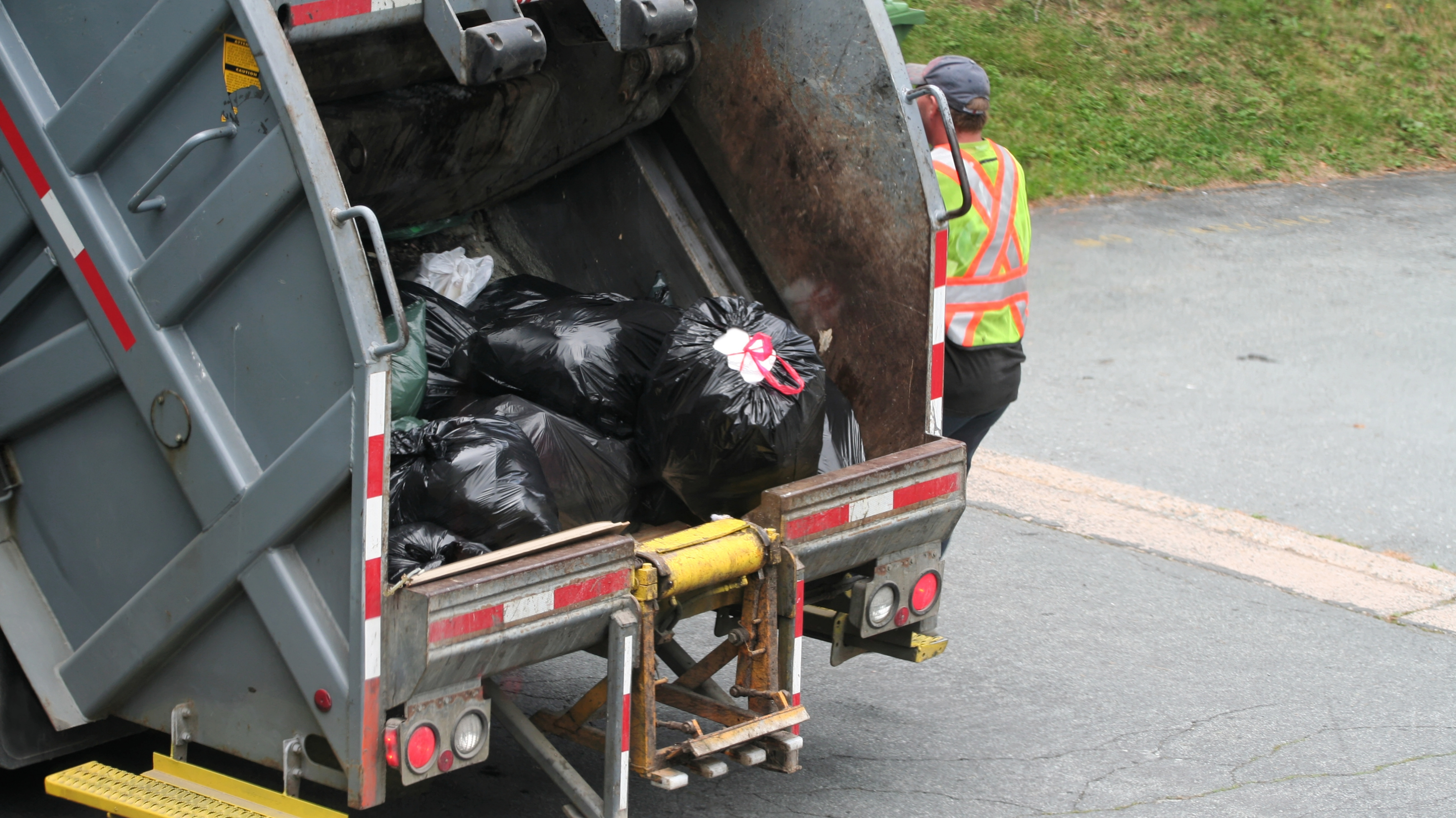
Dense developments simply lack the spatial capacity for heavy collection vehicles. A rubbish lorry stopping to service bins at peak hour paralyses local traffic. Idling emissions spike, and pedestrians face continuous hazards. High-density planning demands a fluid transport network. Legacy kerbside schedules disrupt it routinely.
The inefficiency compounds as cities grow vertically. Navigating narrow access roads and crowded loading bays delays removal. Street-level wear accelerates at the same time. Overcoming those spatial limits means abandoning vehicle-dependent collection altogether.

Public Health Risks & Sanitation Hazards
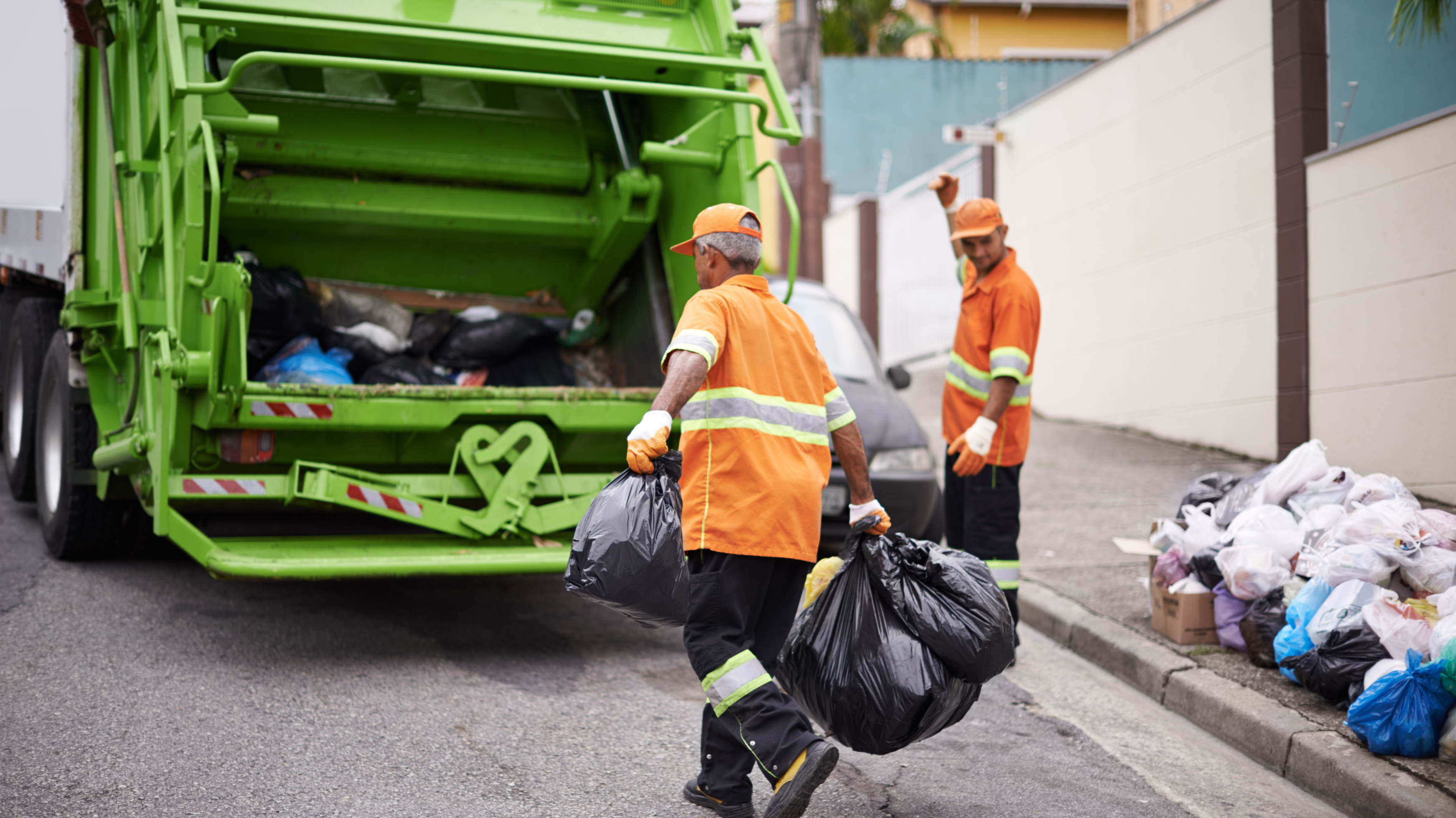
Conventional collection depends on temporary storage rooms and exposed kerbside bins. In warm, humid climates, uncollected refuse decays fast. Vermin arrive, bacteria breed and odours spread. Living standards fall accordingly, and four failures show up consistently.

Rapid Odour & Bacteria Escalation
Storage rooms and open bins let refuse decay quickly in tropical heat. Offensive odours then travel through residential floors and communal areas.

Persistent Pest Infestations
Exposed surface waste attracts vermin and insects continuously. Maintaining hygiene across a high-density development becomes close to impossible.
Degraded Urban Aesthetics & Livability
Lingering refuse creates unsightly kerbside clutter. Resident satisfaction drops, and so does overall property appeal.

Costly Property Maintenance Strain
Managing surface waste rooms places an ongoing burden on facility management teams. Sealed, automated systems remove that operational headache entirely.

Inefficient Use of Prime Real Estate
In dense cities, spatial footprint translates directly into economic value. Traditional solid waste management consumes extensive ground-level space for bin storage, loading bays and vehicle access routes. Dedicating premium square footage to rubbish bins wastes land outright. That same area could support community amenities, green landscaping or revenue-generating facilities.
The saving is quantifiable. Singapore's National Environment Agency estimates that a 1,000-unit development without a bin centre recovers space equivalent to an entire five-room flat.
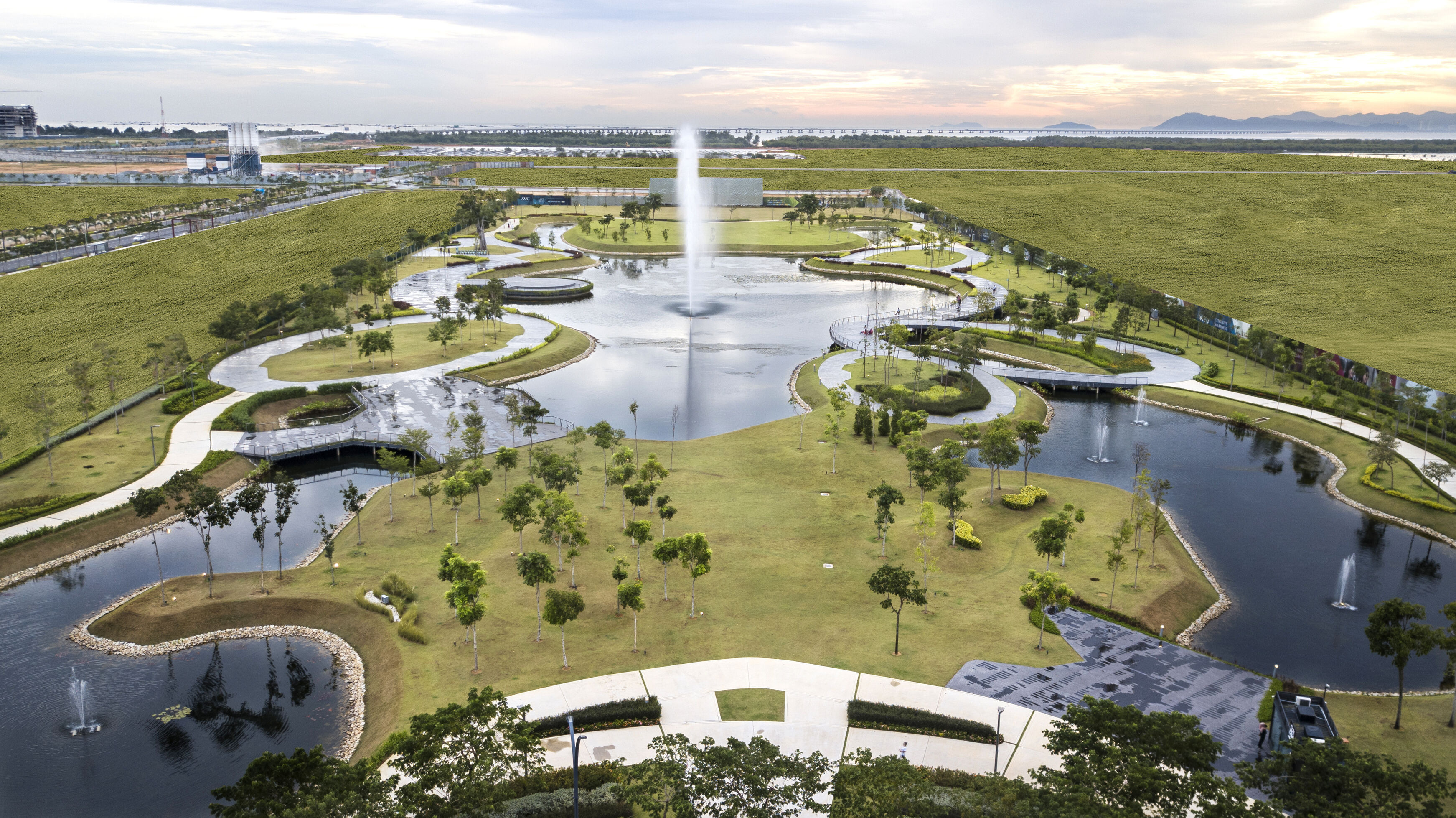
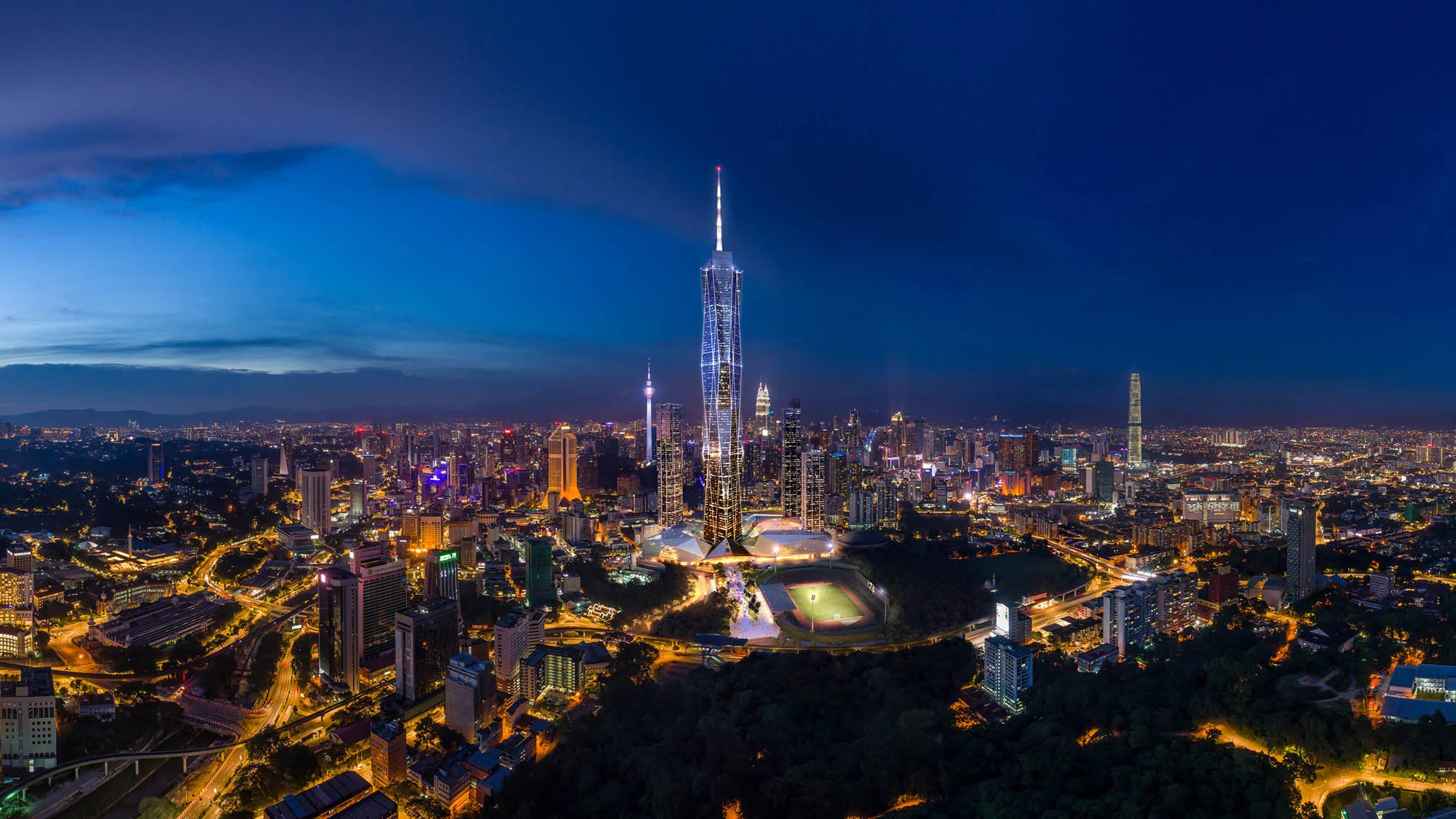
Pioneering developments are already acting on this. Merdeka 118 in Kuala Lumpur and Aspen Vision City in Penang both run STREAM Automated Waste Collection Systems. Major hubs across Singapore and Dubai do the same. Moving collection into subterranean pneumatic networks lets these projects reclaim critical ground-floor real estate, remove surface lorries and maximise land utility.
Subterranean Automation by STREAM
Resolving these failures means treating refuse as an underground utility, much like water, gas or electricity. STREAM's Automated Waste Collection System transports waste through a sealed network of pipes using high-speed airflow. It arrives at a Central Waste Handling Facility sited well away from residents. The system removes surface lorries, enforces source separation for recyclables and organic waste, and sustains a hygienic, pest-free environment around the clock.
Gravity Vacuum System (GVS)
Combines natural gravity with vacuum transport for safe, user-friendly, high-volume disposal. GVS suits residential towers, offices and hospitals, and requires no training to use.
Full Vacuum System (FVS)
Engineered for heavy-duty commercial developments and transport hubs such as airports. Key-operated load stations maximise operator safety while handling substantial volumes.
Shuttle Vacuum System (SVS)
Uses patented shuttle technology to move waste across complex developments, operating with minimal air and energy consumption.
Hybrid Systems for Mixed Developments
Large mixed-use projects rarely fit a single model. Merdeka 118 and Aspen Vision City both run hybrid configurations. Combining approaches means residential towers, retail floors and food and beverage operations each get the handling their waste stream actually requires.
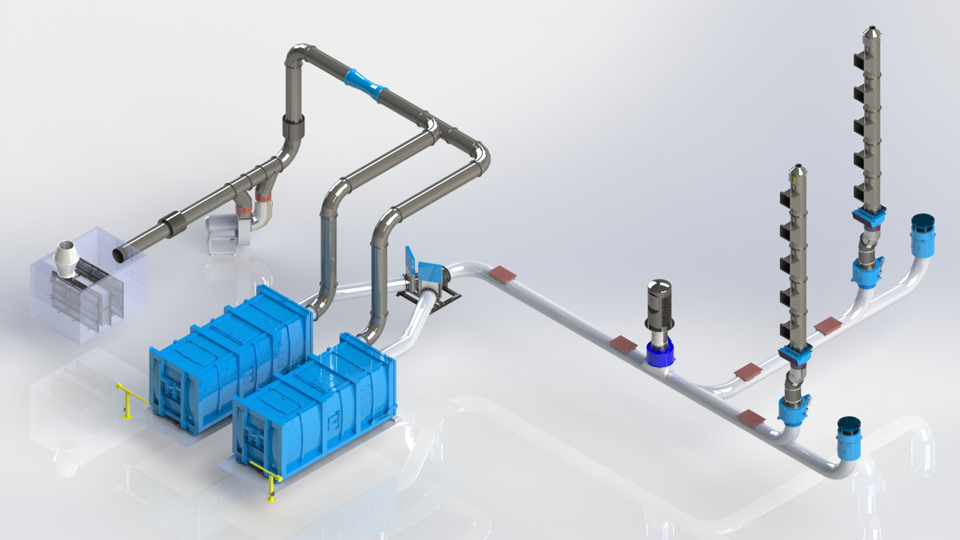
Gravity Vacuum System (GVS)
Combines natural gravity and vacuum transport for a safe, user-friendly, high-volume disposal solution in residential towers, offices, and hospitals
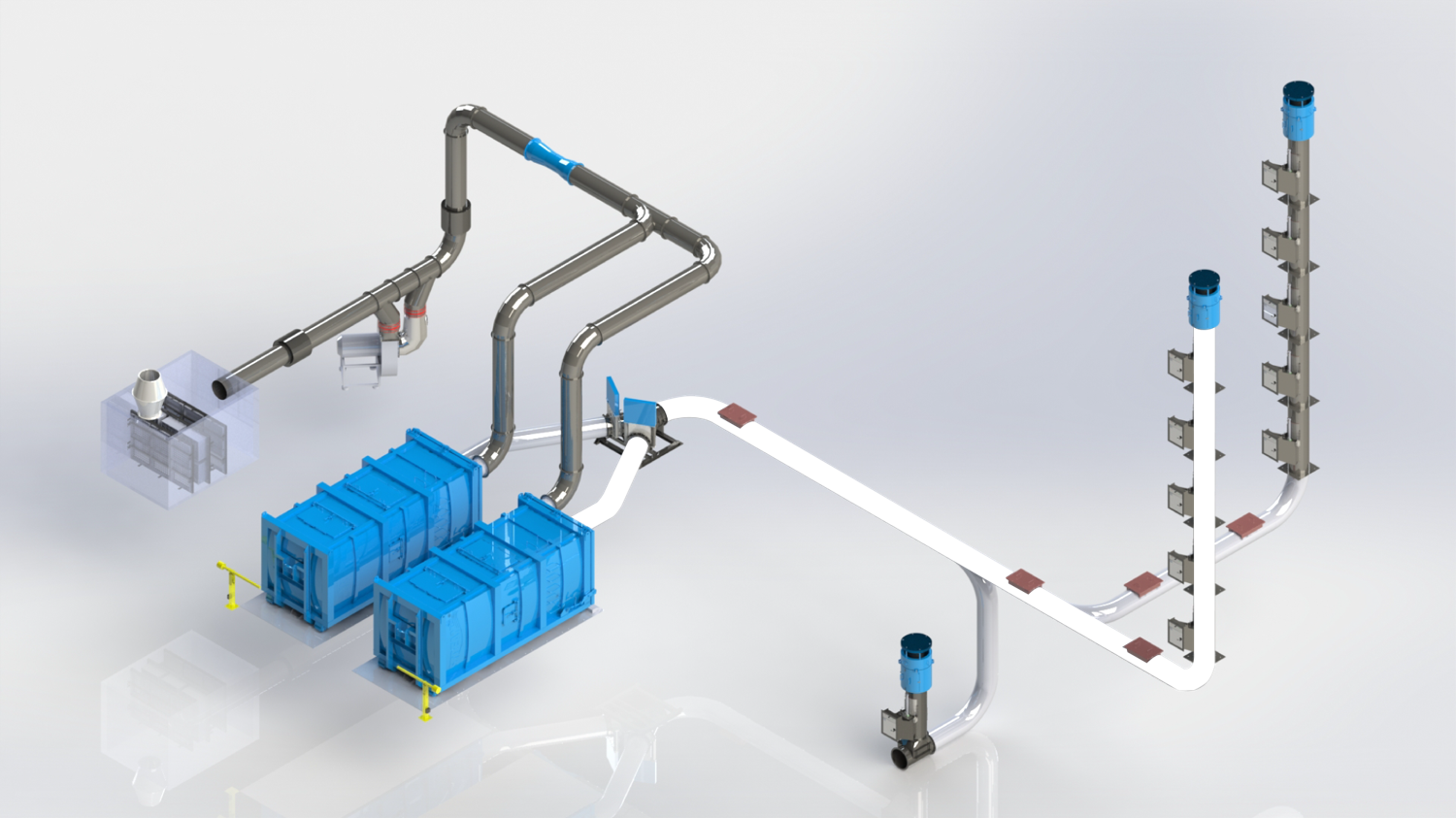
Full Vacuum System (FVS)
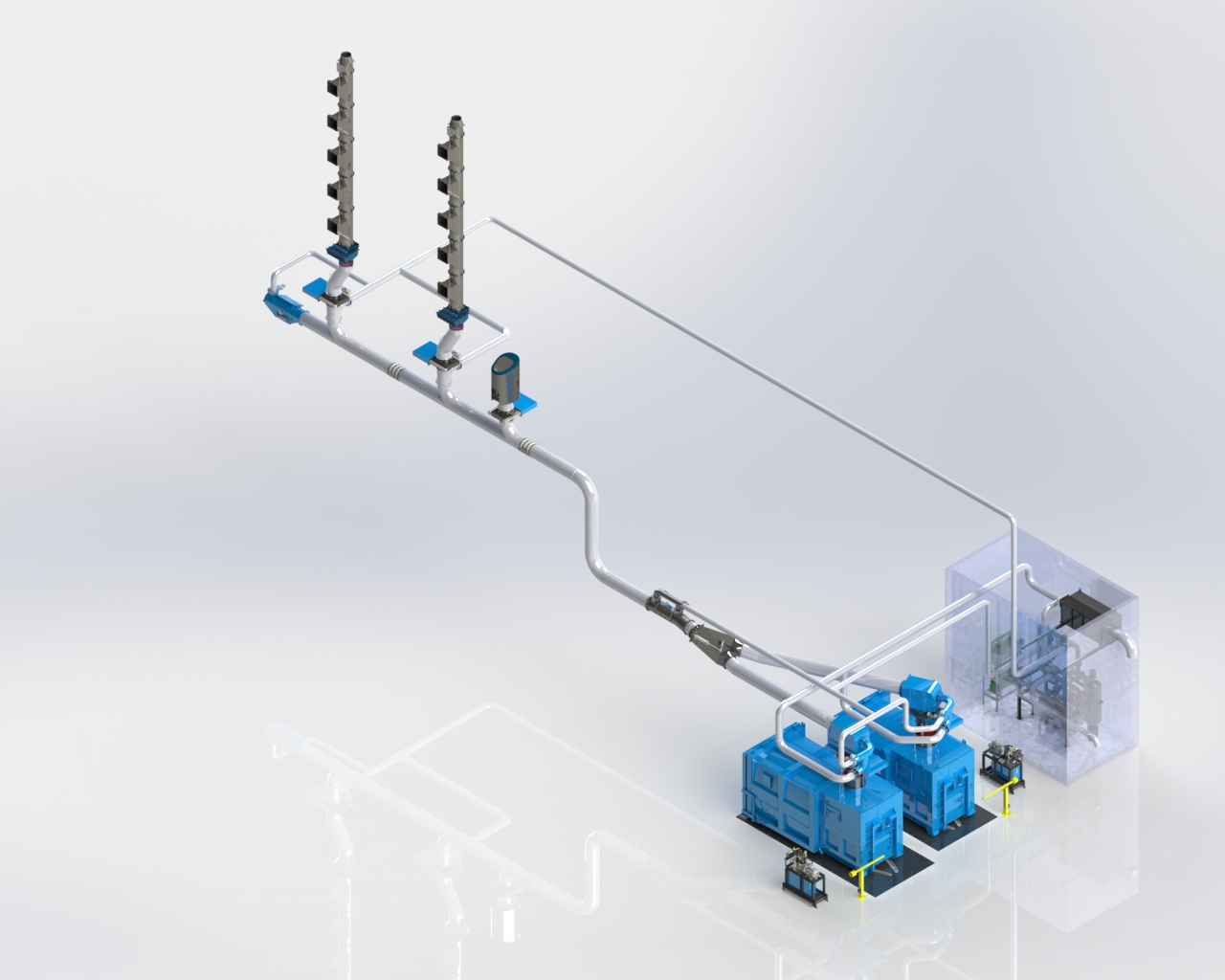
Shuttle Vacuum System (SVS)
Utilises patented shuttle technology to transport garbage across complex developments, operating with minimal air and energy consumption
Designing It In From Day One
The single biggest cost variable is timing. Pipe routing, riser positions and the location of the handling facility are straightforward decisions at master-plan stage and expensive ones afterwards. Retrofits are possible, and STREAM has completed them, but a system designed alongside the structure will always cost less and perform better. Developers weighing solid waste management options are best served raising it with their M&E consultant before the layout is frozen.
Re-engineering Future Urban Infrastructure
As modern cities grow skyward, STREAM stands at the forefront of urban transformation by replacing disruptive garbage trucks with seamless subterranean technology. By recovering high-value real estate, eliminating surface pollution, and safeguarding public health, STREAM's pioneering systems empower developers to set a majestic global benchmark for clean, smart-city infrastructure.
Discover STREAM's Engineering Solutions Today
Upgrading your development’s master plan with STREAM Environment’s Automated Waste Collection Systems (AWCS) provides a permanent remedy to modern urban waste failures. Integrating subterranean pneumatic networks eliminates surface rubbish lorries, significantly cuts operational carbon footprints, and enhances overall property value.
Frequently Asked Questions
1. Why does traditional solid waste management fail specifically in dense cities?
Density removes the two things kerbside collection depends on. Heavy vehicles need road capacity, and bins need ground-level space. Neither exists in sufficient quantity once a development goes vertical.
2. Can automated waste collection handle the volumes a high-rise generates?
Yes. Systems are sized to the development. Collection cycles trigger automatically as capacity fills, rather than following a fixed lorry schedule. Peak periods are absorbed without a backlog.
3. What happens to recyclables and food waste?
Dedicated inlets keep general refuse, recyclables and organic waste separate throughout the network. Organic material can then be routed to processing or biogas facilities rather than landfill.
4. Is this only viable for large master-planned developments?
No, though the economics improve with scale. Standalone residential towers and single commercial buildings are served regularly. District-level networks can also connect several developments to one central facility.
5. Does an automated system reduce operating costs, or just improve hygiene?
Both. Fuel, vehicle maintenance and manual handling costs all fall. Removing lorries from internal roads also prevents the pavement damage that drives repeated resurfacing bills