
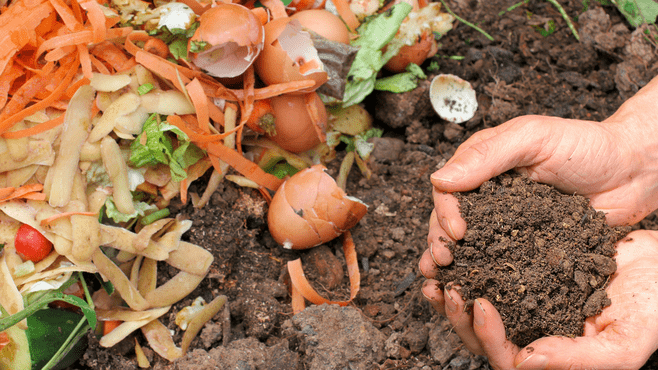
The Organic Waste Challenge in Urban Ecosystems
Organic refuse is inherently volatile compared to dry recyclables. In high-density developments, managing wet food scraps presents a unique set of operational nightmares - ranging from foul leachate leakages to rapid bacterial proliferation. As modern cities strive for sustainability, effective food waste management has evolved from a basic housekeeping task into a critical engineering challenge for developers and facility managers.
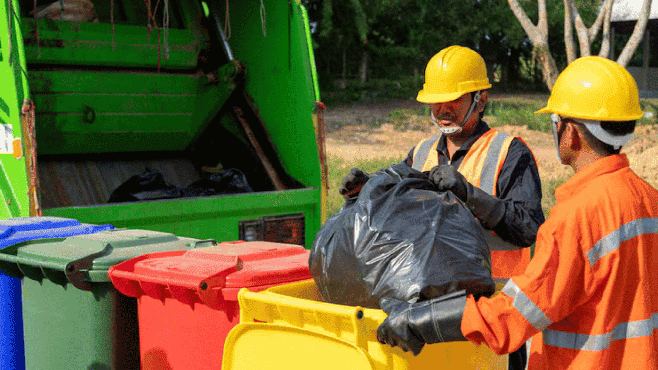
The conventional reliance on surface wheelie bins and ambient waste rooms is fundamentally flawed when handling food waste. Raw kitchen scraps begin fermenting within hours, producing corrosive liquids and foul-smelling methane gases. Relying on manual labourers to haul heavy, wet bins through service lifts and loading bays creates constant spillages, leaves lingering scents in public corridors, and degrades overall property standards.
Eliminating these organic sanitation vulnerabilities requires moving away from manual bin handling entirely. STREAM addresses this challenge through enclosed, high-velocity pneumatic networks that transport wet food waste directly from kitchen areas to sealed central facilities - stopping decay, leaks, and contamination at the source.

Why Conventional Bins Fail with Organic Waste
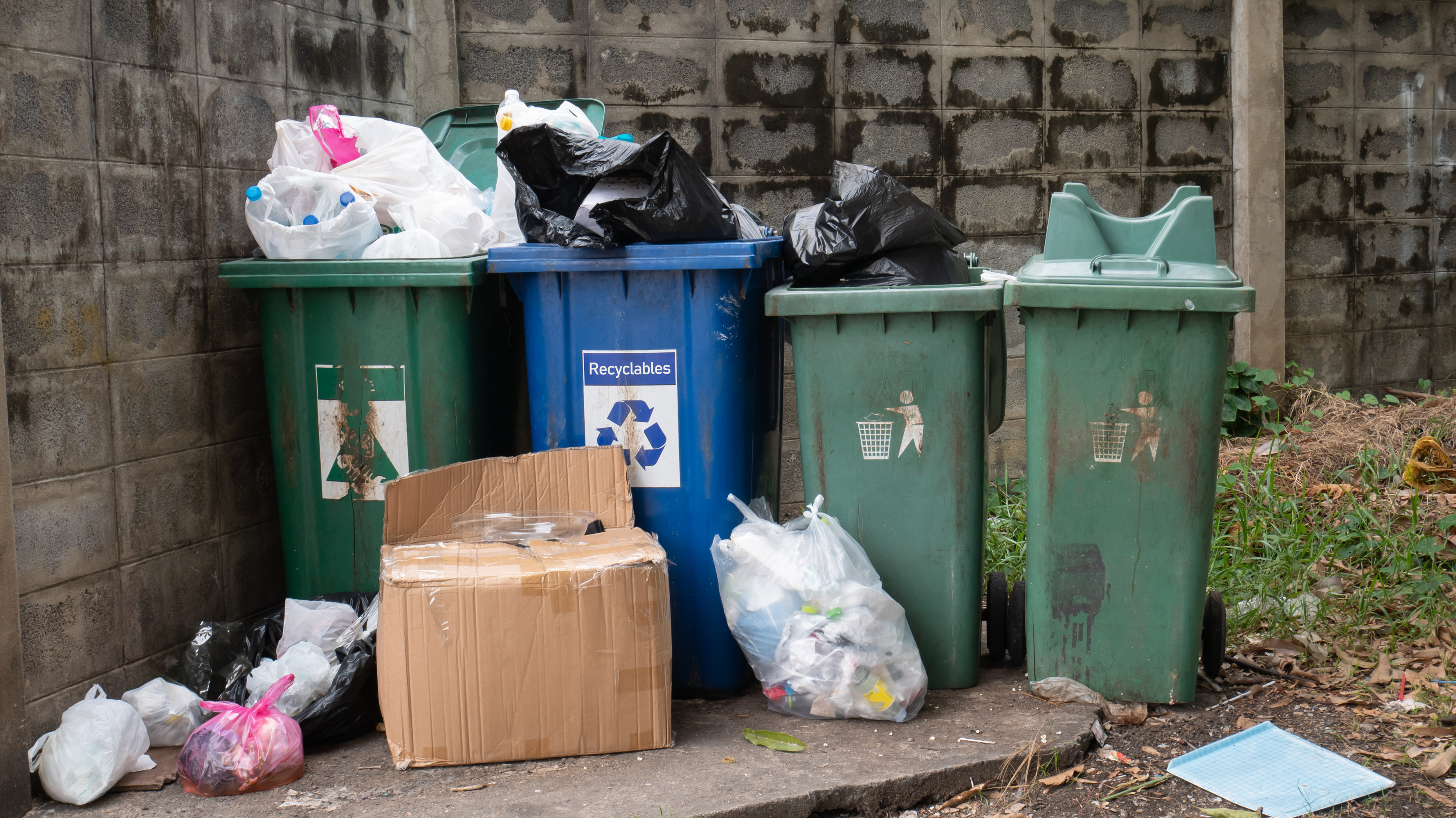
Toxic Leachate & Surface Contamination: Heavy, moisture-laden food waste routinely tears standard rubbish bags, causing corrosive and foul-smelling liquids (leachate) to pool in bin storage rooms and leak across service corridors. This continuous dripping leaves permanent floor stains, damages property finishes, and creates hazardous, slippery surfaces in high-traffic service zones.
Accelerated Organic Fermentation & Sour Odours: In warm and humid tropical environments, organic waste begins fermenting almost instantly. Storing wet scraps in conventional bins rapidly releases sour methane and hydrogen sulphide gases. These foul odours quickly seep into lifts, car parks, and public plazas, drastically lowering air quality and resident satisfaction.

Why Conventional Bins Fail with Organic Waste
Vectors for Diseases & Food Safety Risks: Exposed food waste in traditional bins acts as a primary feeding ground for urban pests such as flies, cockroaches, and rodents. When waste rooms are situated near commercial kitchens, food courts, or residential quarters, this pest activity poses severe cross-contamination risks that compromise strict health and sanitation compliance.
Labour-Intensive and Hazardous Handling: Dragging heavy, water-logged rubbish bins from individual floors down to loading bays is physically demanding and unhygienic for maintenance staff. This manual routine leads to frequent injury, high staff turnover, and operational bottlenecks - especially during peak dining hours when food waste volumes surge.
STREAM Pneumatic Automation
To eliminate surface-level sanitation failures, modern developments must treat organic refuse as an underground utility. STREAM’s Automated Waste Collection System (AWCS) replaces manual bin transport with sealed pneumatic pipe networks:
100% Sealed Pneumatic Transport
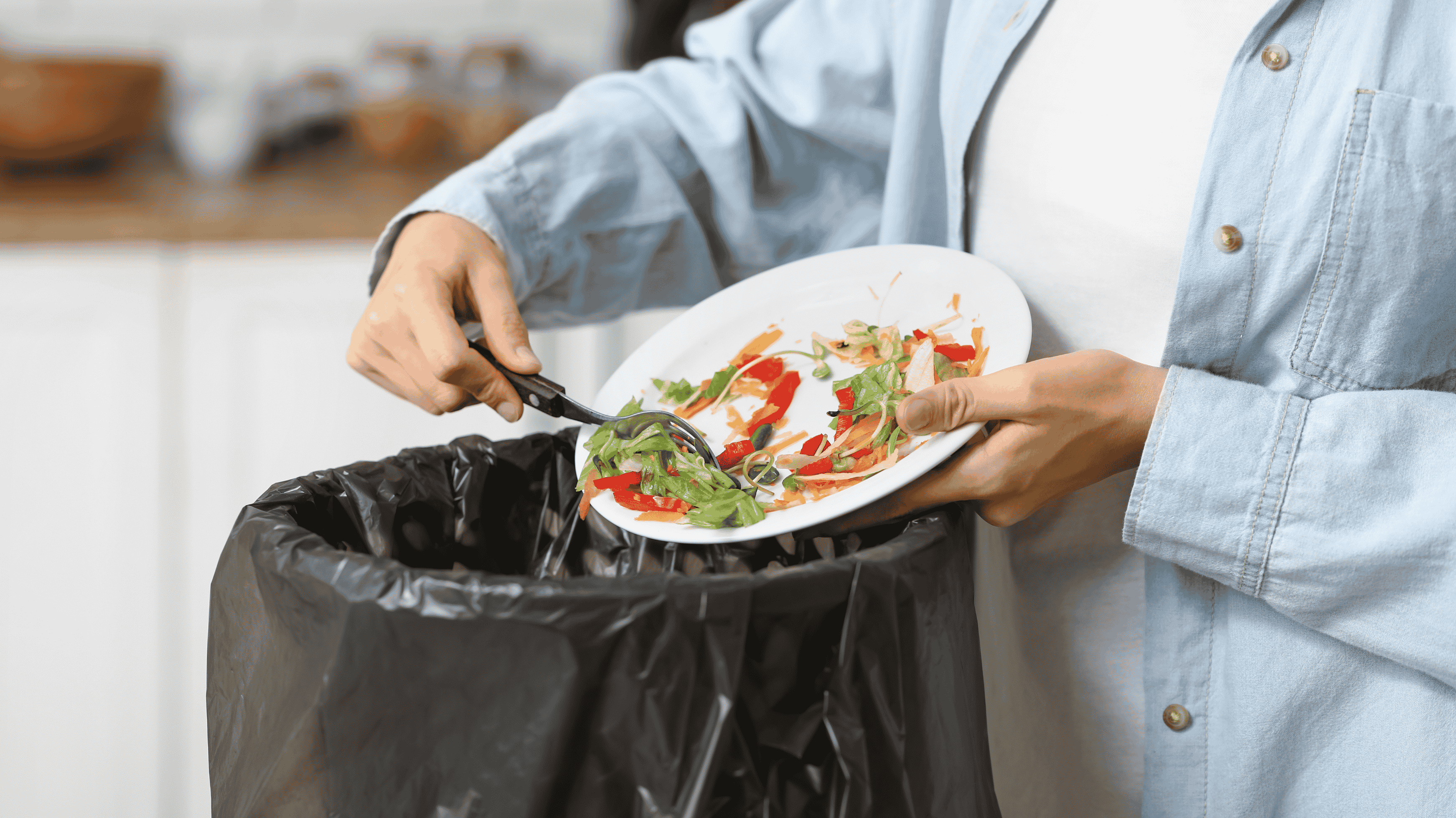
Food waste is deposited directly into ergonomic kitchen inlets and sucked underground at high speeds, completely preventing leachate leaks, spills, or surface clutter.
Continuous Negative Air Pressure
The sealed pipe network operates under vacuum pressure, trapping methane gases and odours inside the system so public areas remain 100% scent-free
Total Pest Exclusion
Completely enclosed subterranean transport denies flies, rodents, pressure, trapping methane
Clean Source-Separation for Circular Economy
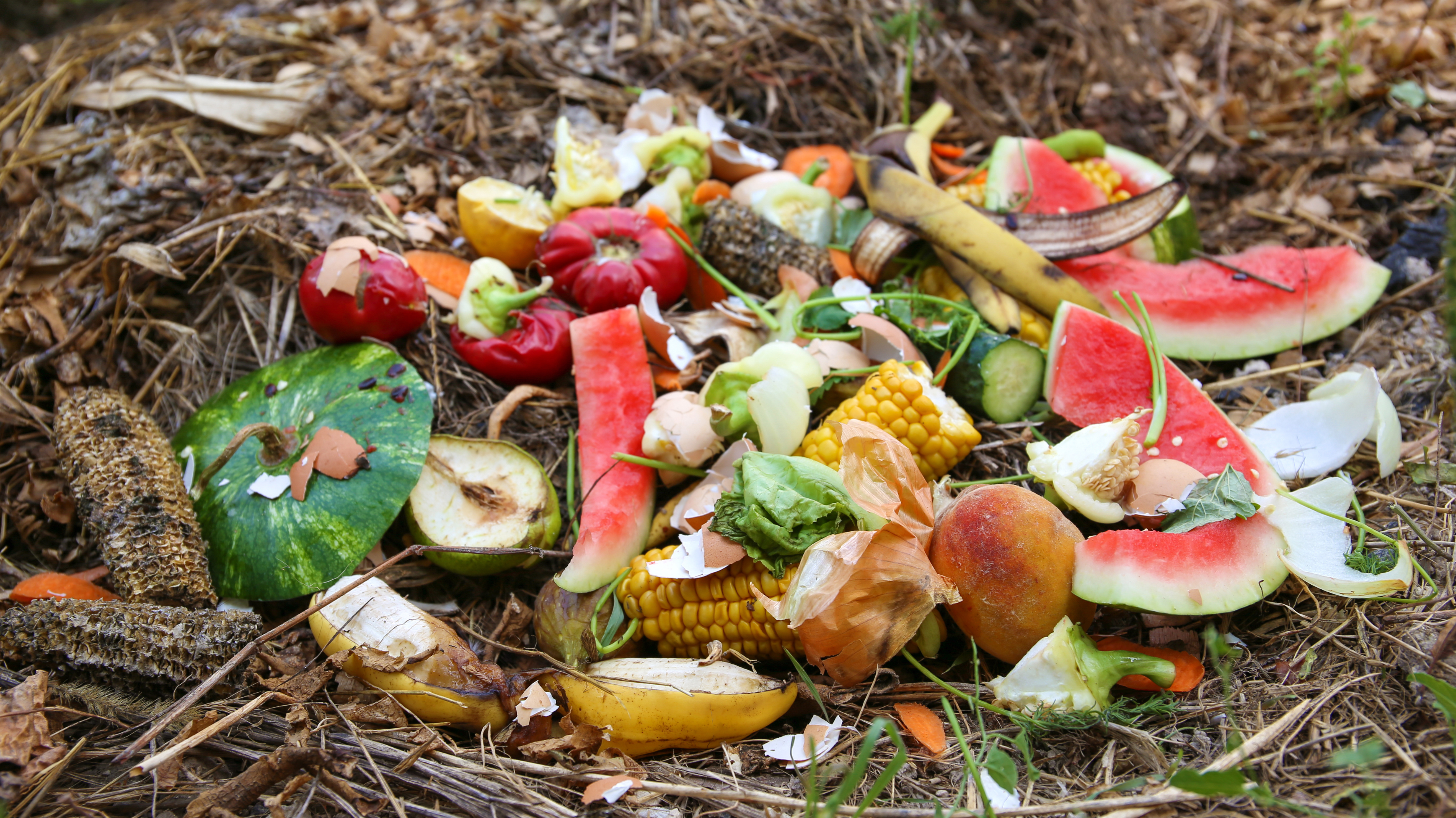
Dedicated organic disposal chutes ensure unpolluted waste streams that flow straight to anaerobic digestion and composting facilities.
Elevating Urban Hygiene in High-Density Developments
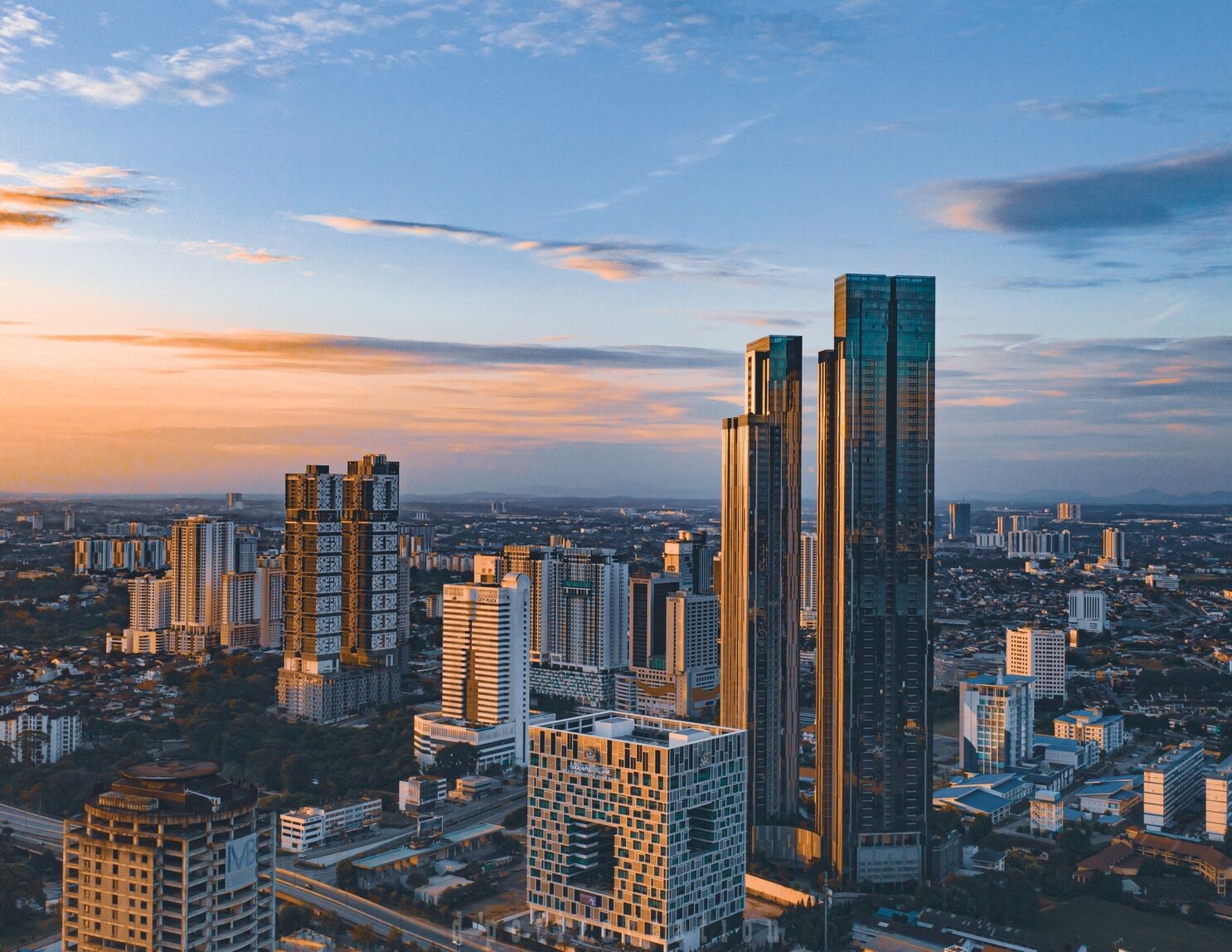
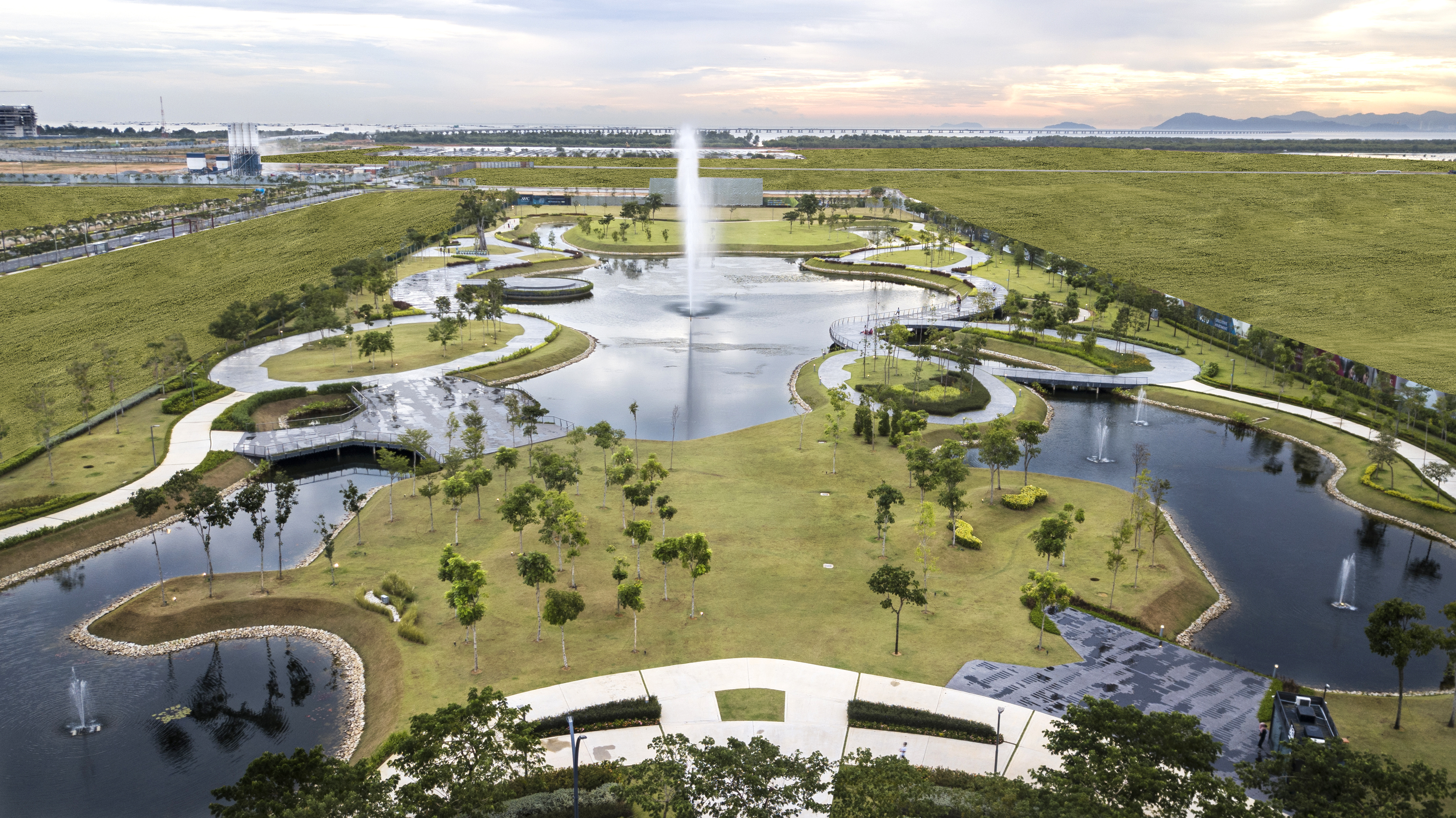
Iconic master-planned developments - including Aspen Vision City in Penang, Merdeka 118 in Kuala Lumpur, as well as major international hubs across Singapore and Dubai - rely on STREAM’s engineered vacuum infrastructure to maintain pristine, scent-free urban environments. In dense cities and landmark towers, managing high volumes of organic refuse via conventional rubbish lorries and manual bin transport creates severe logistical bottlenecks. Implementing an Automated Waste Collection System (AWCS) eliminates surface-level waste staging, reduces traffic congestion, and reclaims valuable ground-floor real estate for green spaces and commercial amenities.
Furthermore, integrating AWCS into these modern master plans ensures strict public hygiene standards and long-term sustainability. Sealed pneumatic networks transport organic waste directly to central processing facilities under negative air pressure, preventing foul odours, toxic leachate leaks, and pest infestations near high-traffic dining and residential zones. By replacing manual labour with automated subterranean technology, these forward-thinking cities effectively lower operational carbon footprints while setting a global benchmark for clean, resilient urban living.
Revolutionising Food Waste
As modern cities grow skyward, STREAM stands at the forefront of urban transformation by replacing disruptive rubbish lorries with seamless subterranean technology. By recovering high-value real estate, eliminating surface pollution, and safeguarding public health, STREAM’s pioneering systems empower developers to set a majestic global benchmark for clean, smart-city infrastructure.
Partner with STREAM to Engineer Cleaner Developments
By engineering customised, touchless waste utilities into master plans, we help you eliminate surface-level pollution, recover premium real estate, and set a global benchmark for clean, resilient, and scent-free communities.