
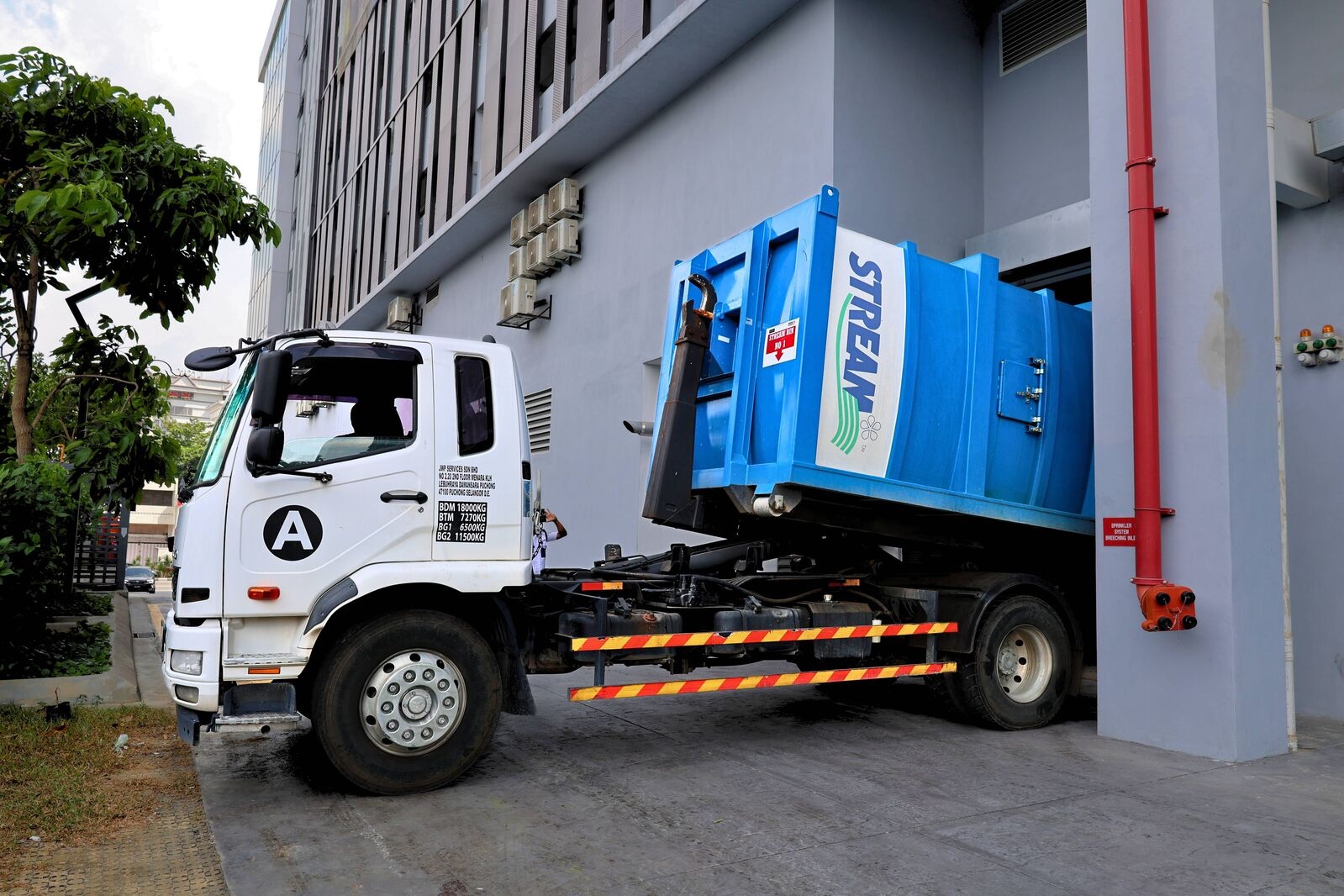
The Shift from Streets to Subterranean Systems
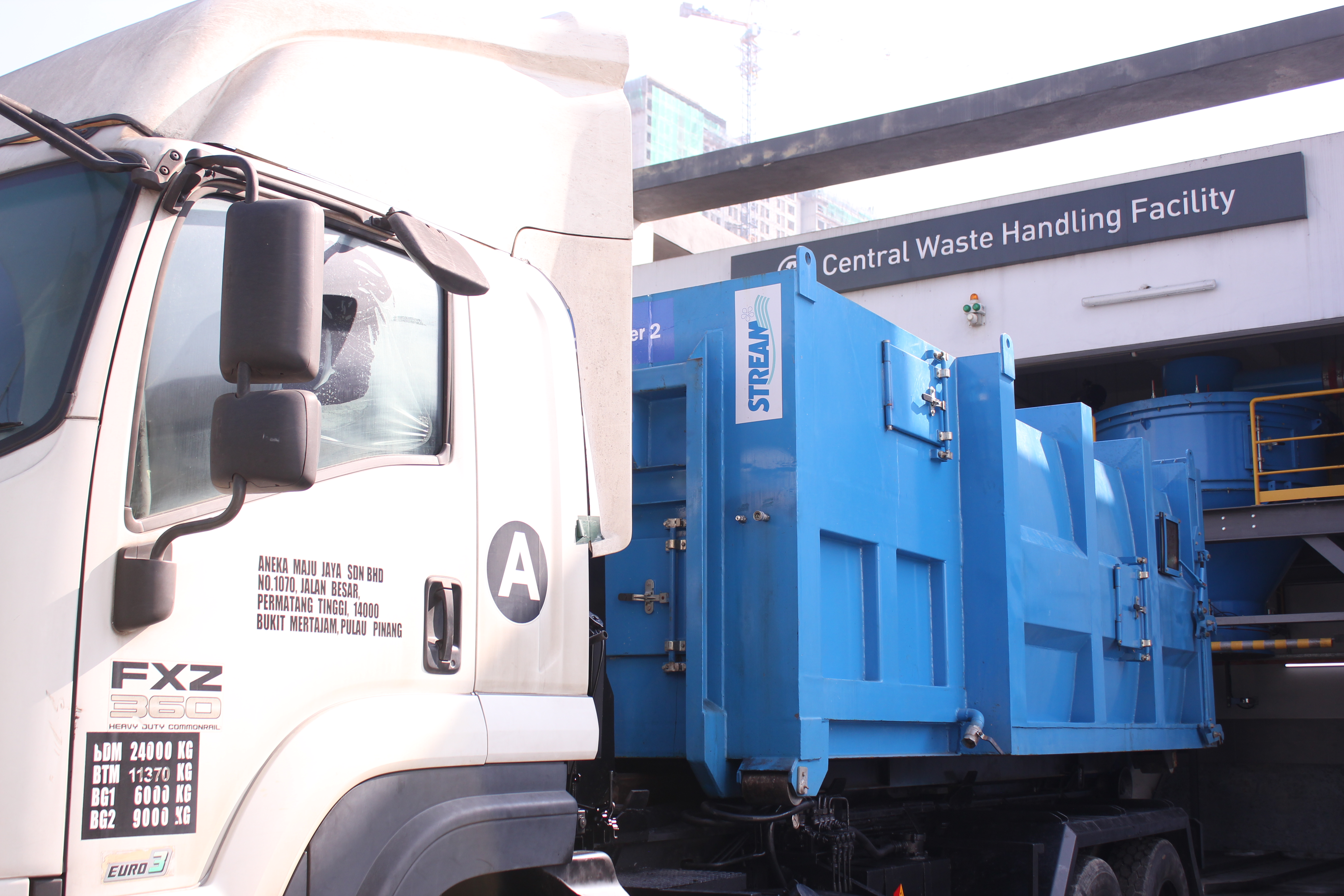
When picture-perfect modern cities are planned, traditional rubbish collection methods quickly reveal their limits. For decades, relying on heavy diesel lorries to collect refuse was the only viable option for urban centres. However, as population density increases and environmental standards tighten, relying solely on surface trucks leads to severe traffic congestion, rising carbon emissions, foul odours, and persistent pest infestations in residential areas.
Today, a modern waste management service is no longer defined by how many lorries it operates, but by how effectively it eliminates the need for them. Rather than treating waste removal as an afterthought involving noise and heavy traffic, forward-thinking urban planners now view refuse management as a vital utility - much like water, gas, or electricity. This paradigm shift is driving the adoption of underground networks that move waste seamlessly out of sight.
STREAM are pioneering this revolution, proving that the future of urban sanitation lies underground. By replacing traditional bin lorries with advanced automated systems, modern developments can create cleaner, safer, and far more sustainable living environments.

Automated Waste Collection System (AWCS)
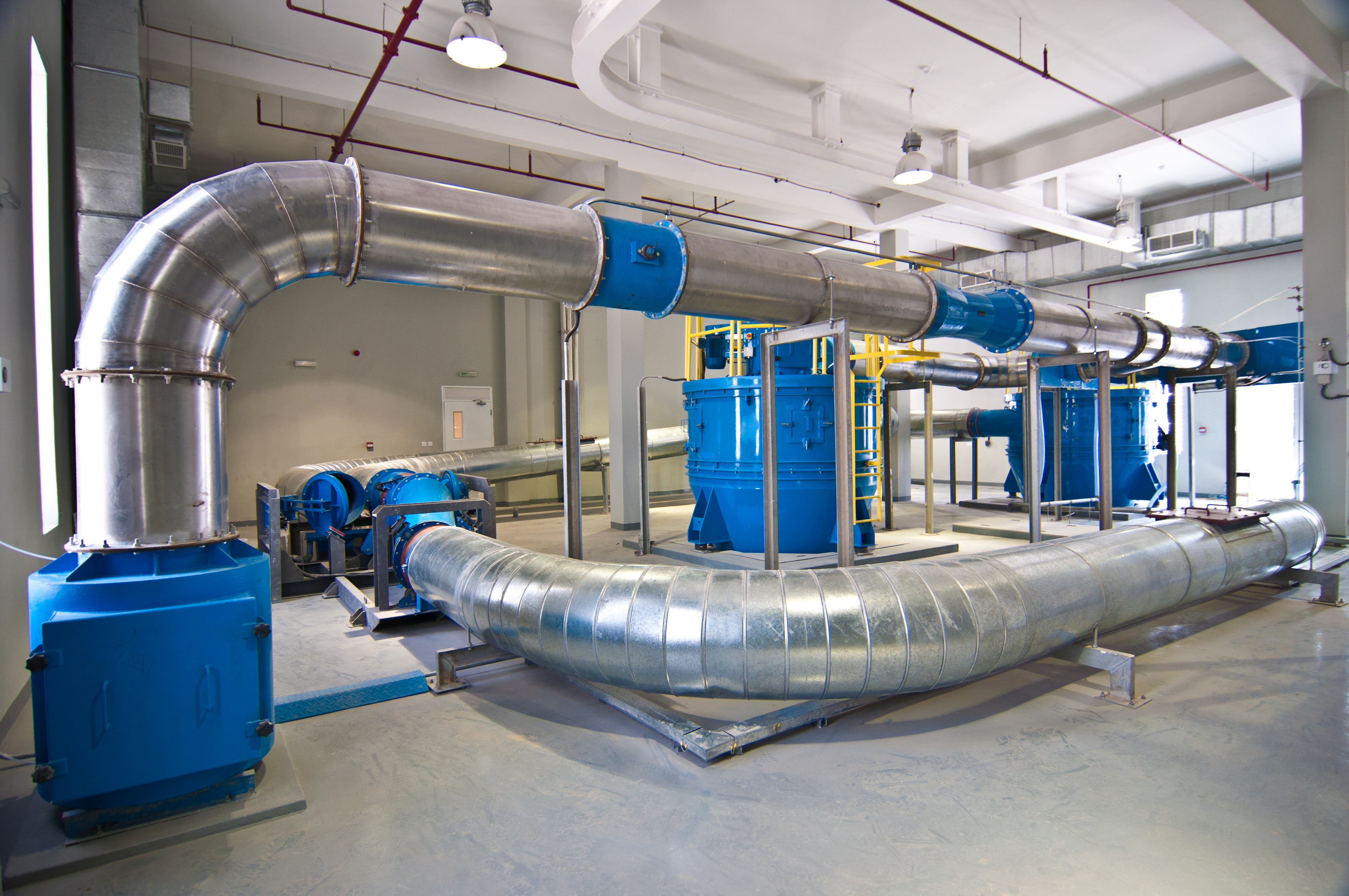
The most transformative leap in waste infrastructure is the transition from manual kerbside collection to subterranean pneumatic transport.
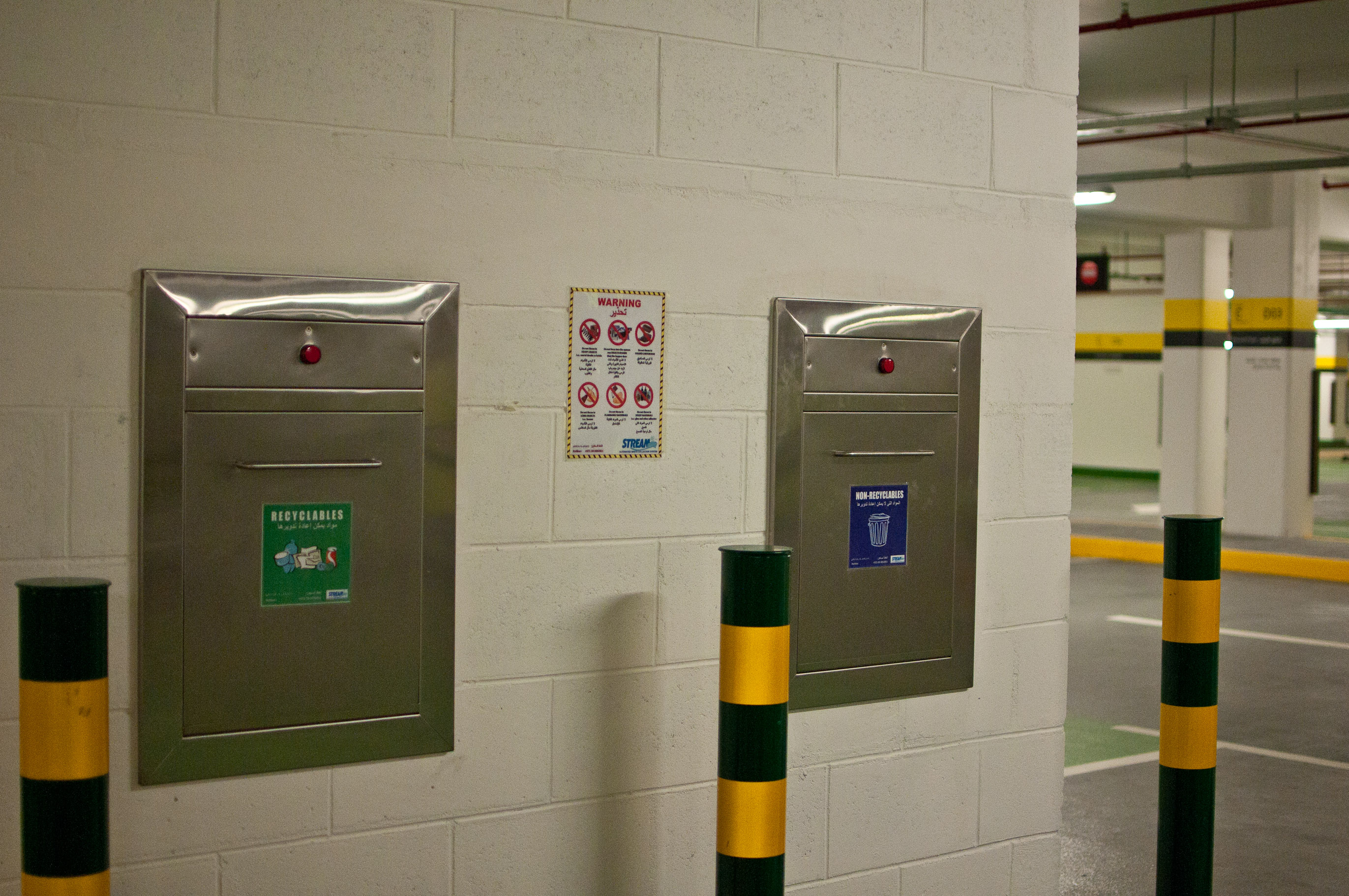
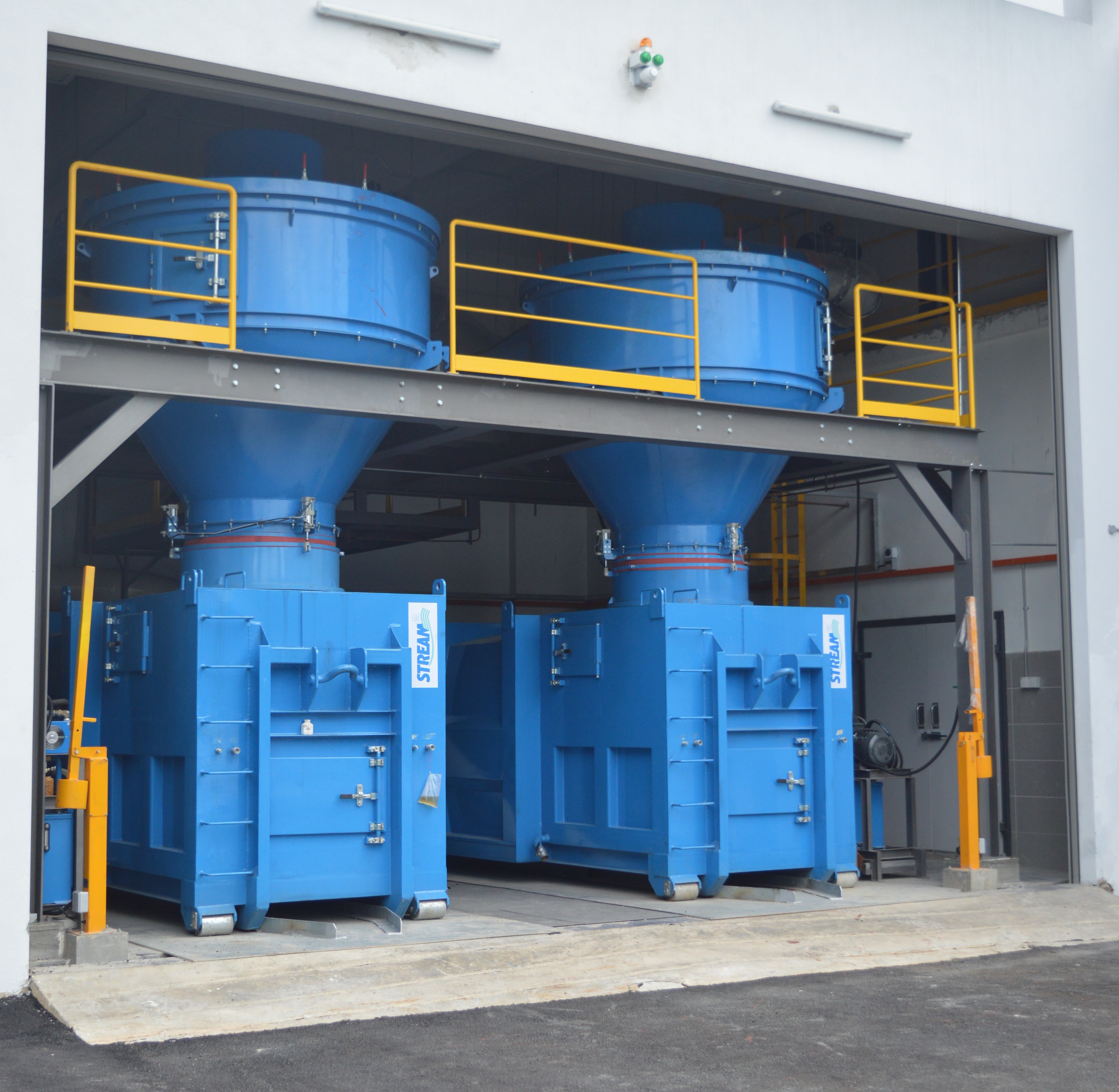
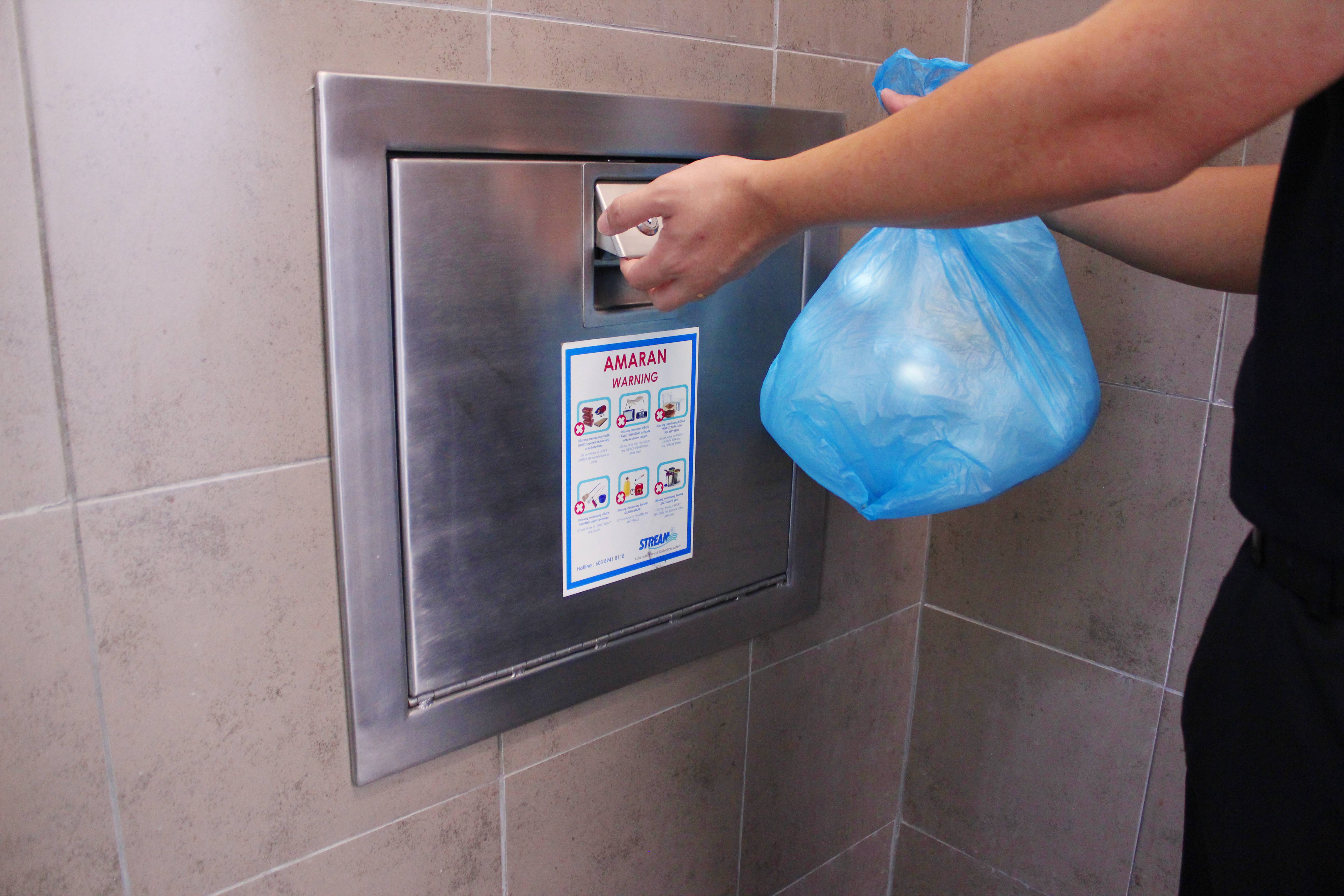
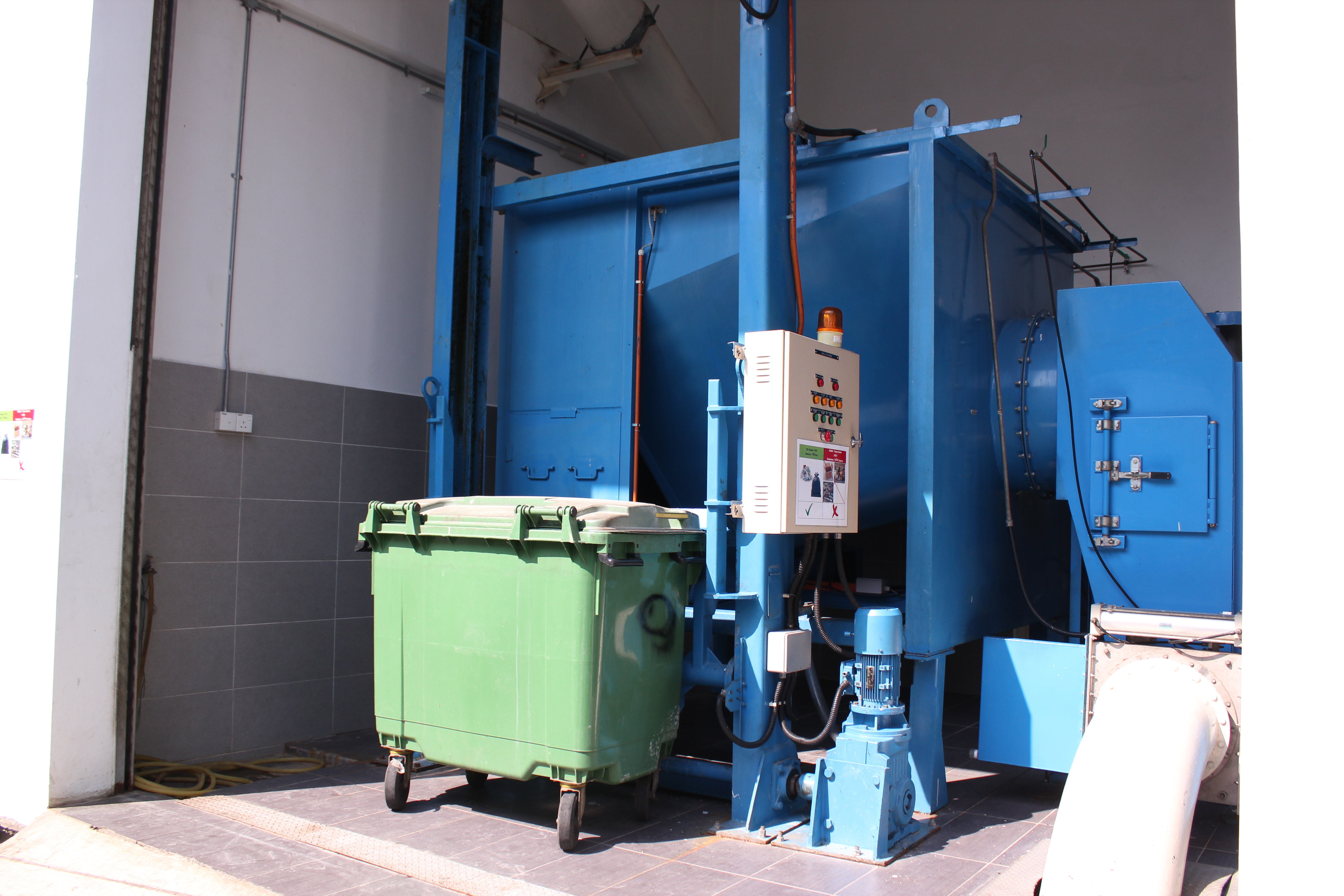
Instead of waiting for collection vehicles, waste deposited directly into user-friendly chutes inside buildings. Once inside, high-speed airflow pulls the refuse through a network of sealed underground pipes at impressive speeds, delivering it directly to a Central Waste Handling Facility (CWHF) located away from residential zones.
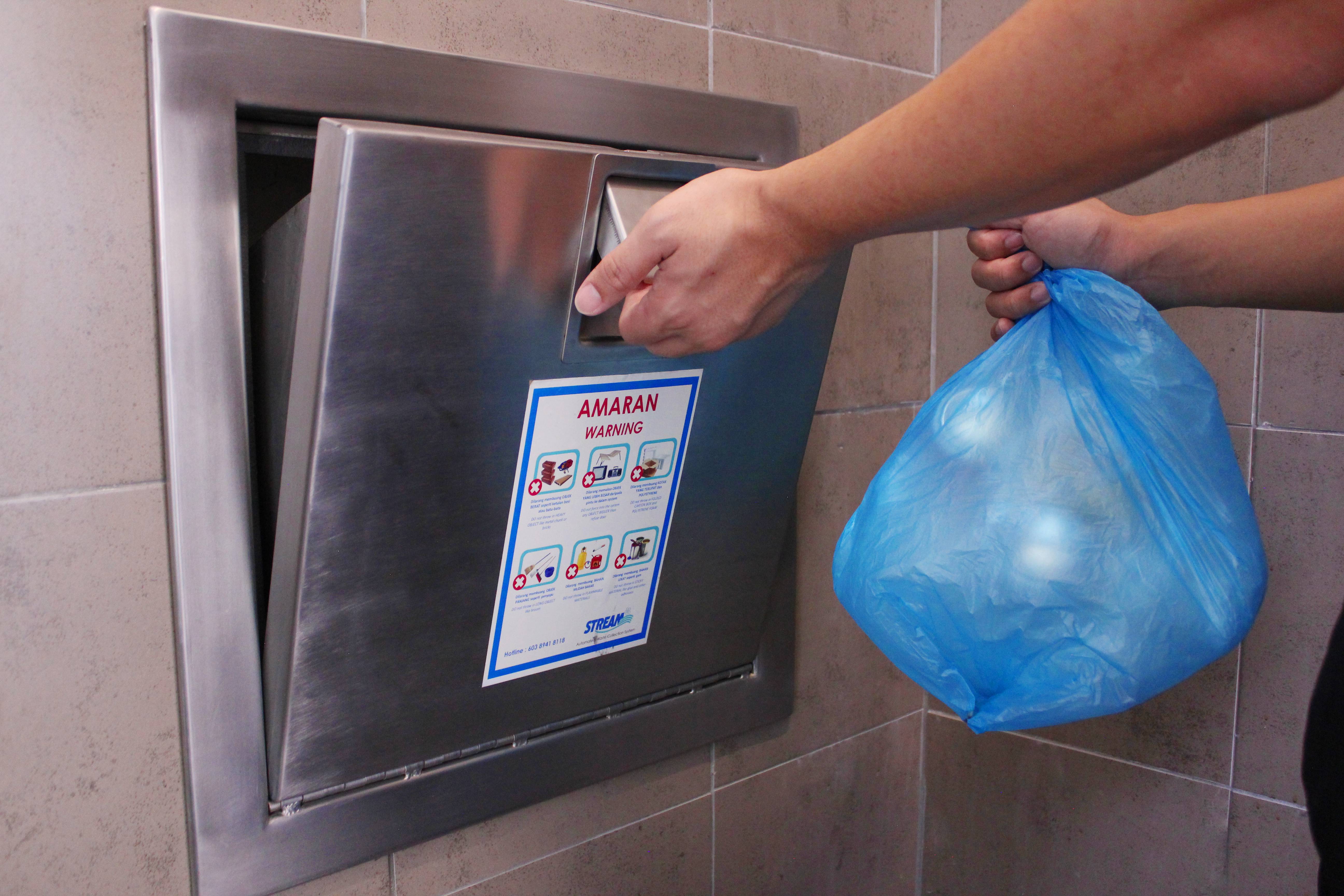
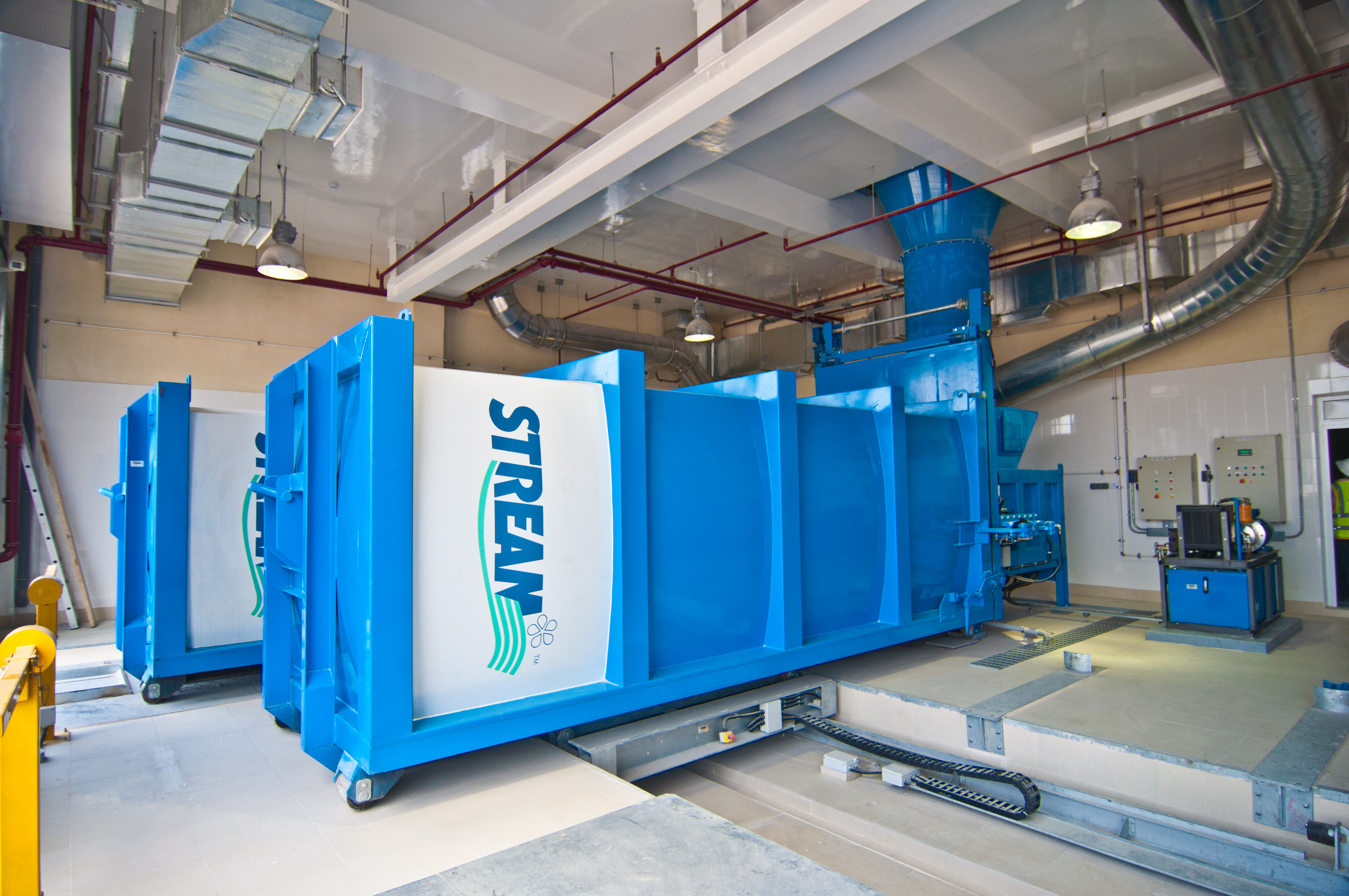
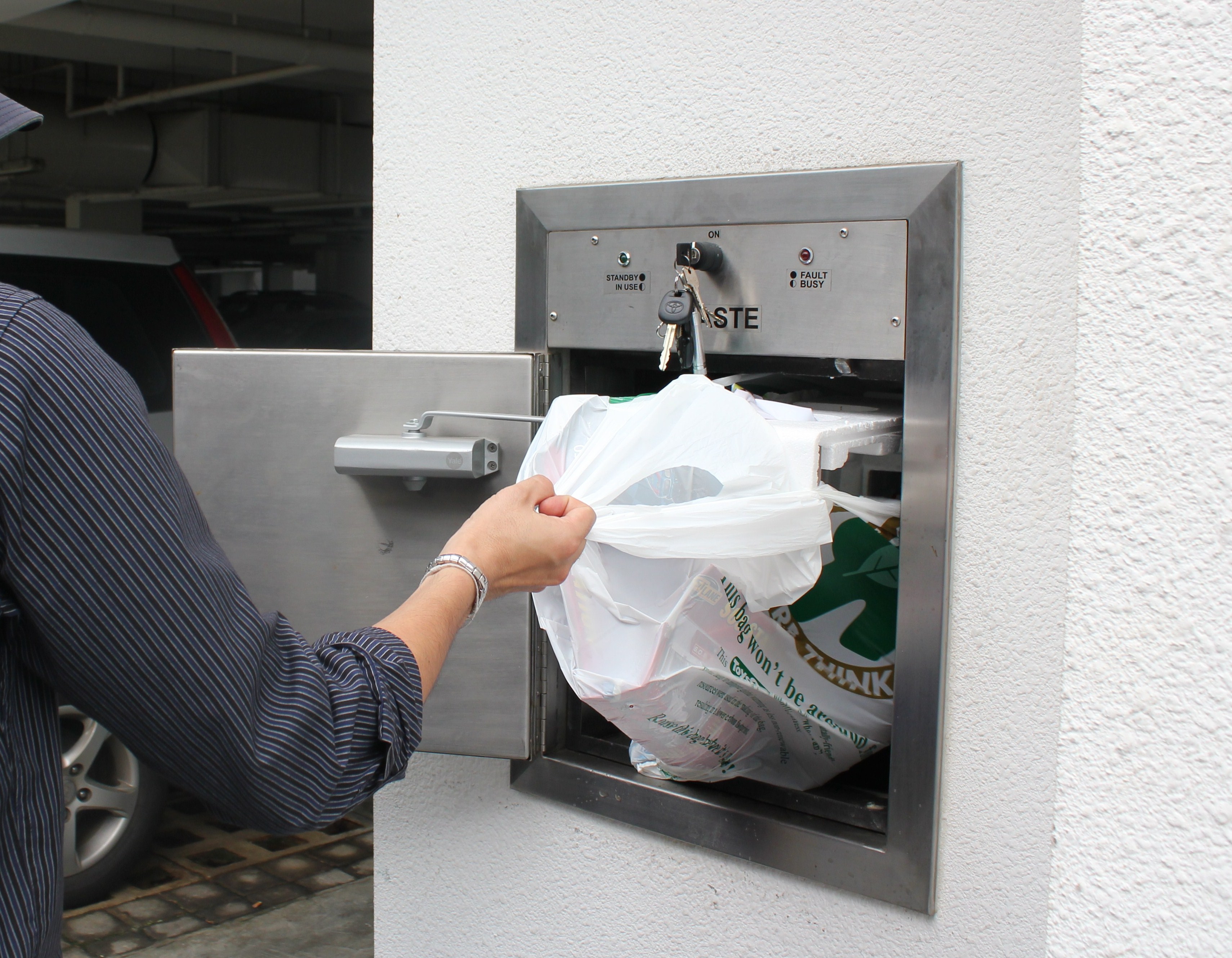
Waste Collection
Lorry Accessibility is Minimised
Reducing street-level emissions and traffic hazard risks
Hygiene is Drastically Improved
As sealed systems eliminate foul odours, waste spillage and vermin
Space is Optimised
Freeing up valuable ground-level real estate that would otherwise be wasted on bin storage areas
Streamlined Labour Requirements
Reduce dependency on manual handling and creating a safer, more modern working environment for sanitation staff
Carbon Footprint & Operational Cost Reduction
Beyond public health and aesthetic benefits, shifting to automated systems delivers substantial long-term economic and environmental advantages. Traditional collection methods rely heavily on a continuous fleet of diesel lorries, consuming significant fuel and causing constant vehicle wear and tear.
By replacing daily lorry routes with subterranean pneumatic pipes, municipalities and private developers can achieve substantial fuel savings. This drastically lowers long-term operational expenses while significantly reducing greenhouse gas emissions to align with global net-zero targets.
Furthermore, removing heavy collection vehicles from internal development roads prevents severe pavement damage. This reduces ongoing infrastructure maintenance costs while creating safer, quieter, and cleaner community environments.
Tailored Vacuum Solutions for Diverse Infrastructure
Modern pneumatic systems are not one-size-fits-all. STREAM have developed specialised engineering models to adapt to different architectural needs:
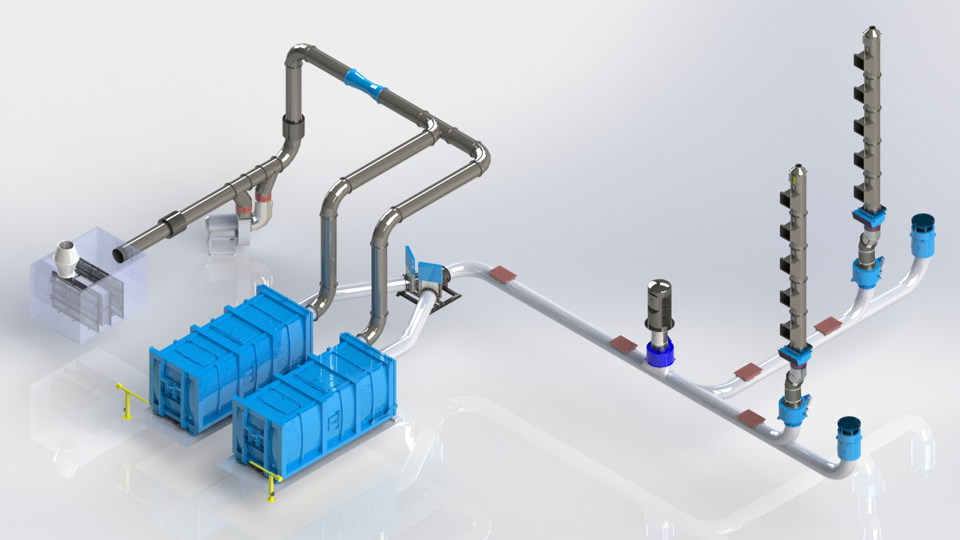
Gravity Vacuum System (GVS)
Utilises natural gravity for vertical movement down chutes and vacuum suction for horizontal pipe transport. Ideal for residential complexes, offices and hospital
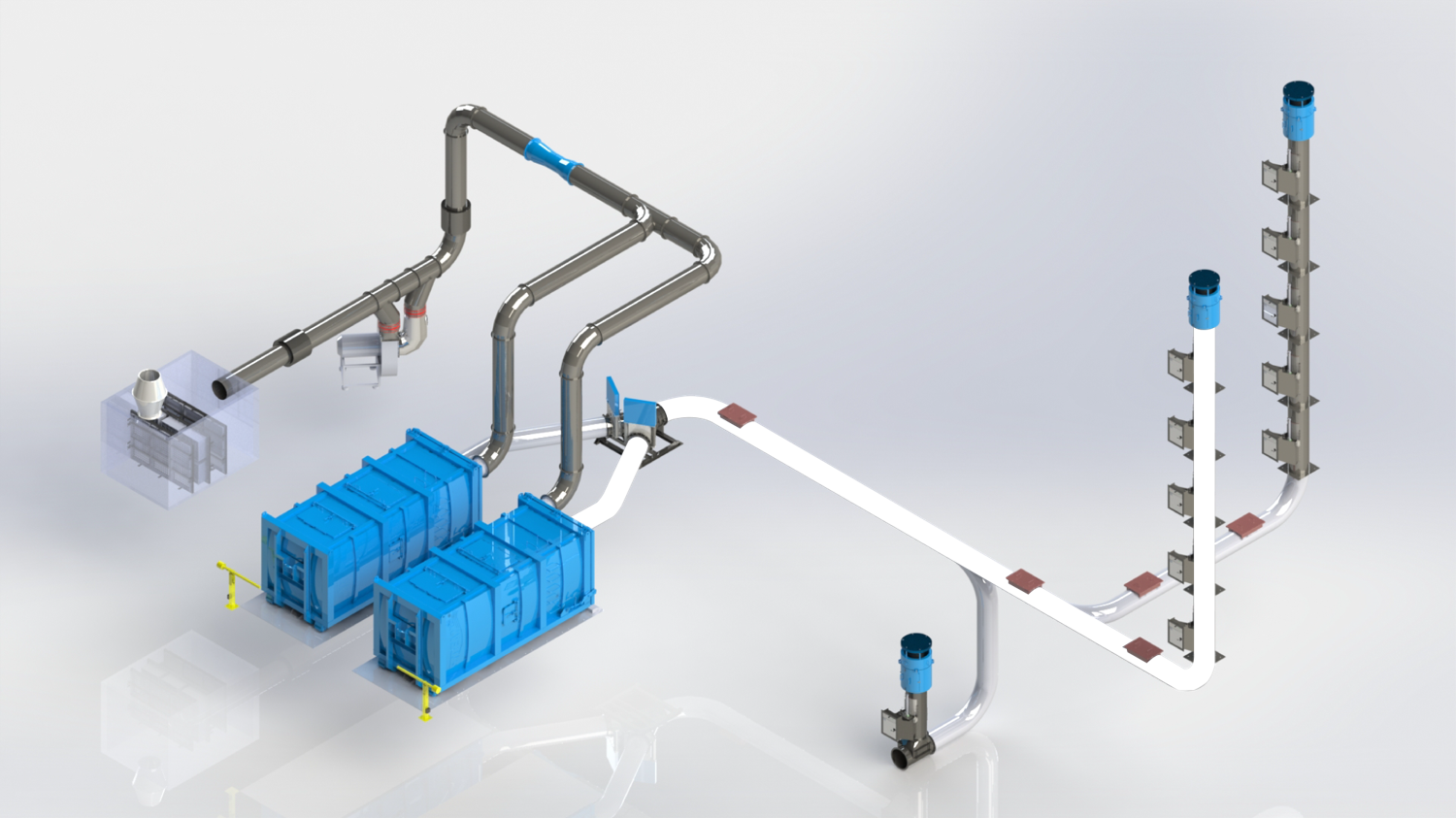
Full Vacuum System (FVS)
Designed for heavy-duty commercial developments, food catering centres, and tranport hubs such as airport, featuring secure load stations that rapidly transport large waste volumes
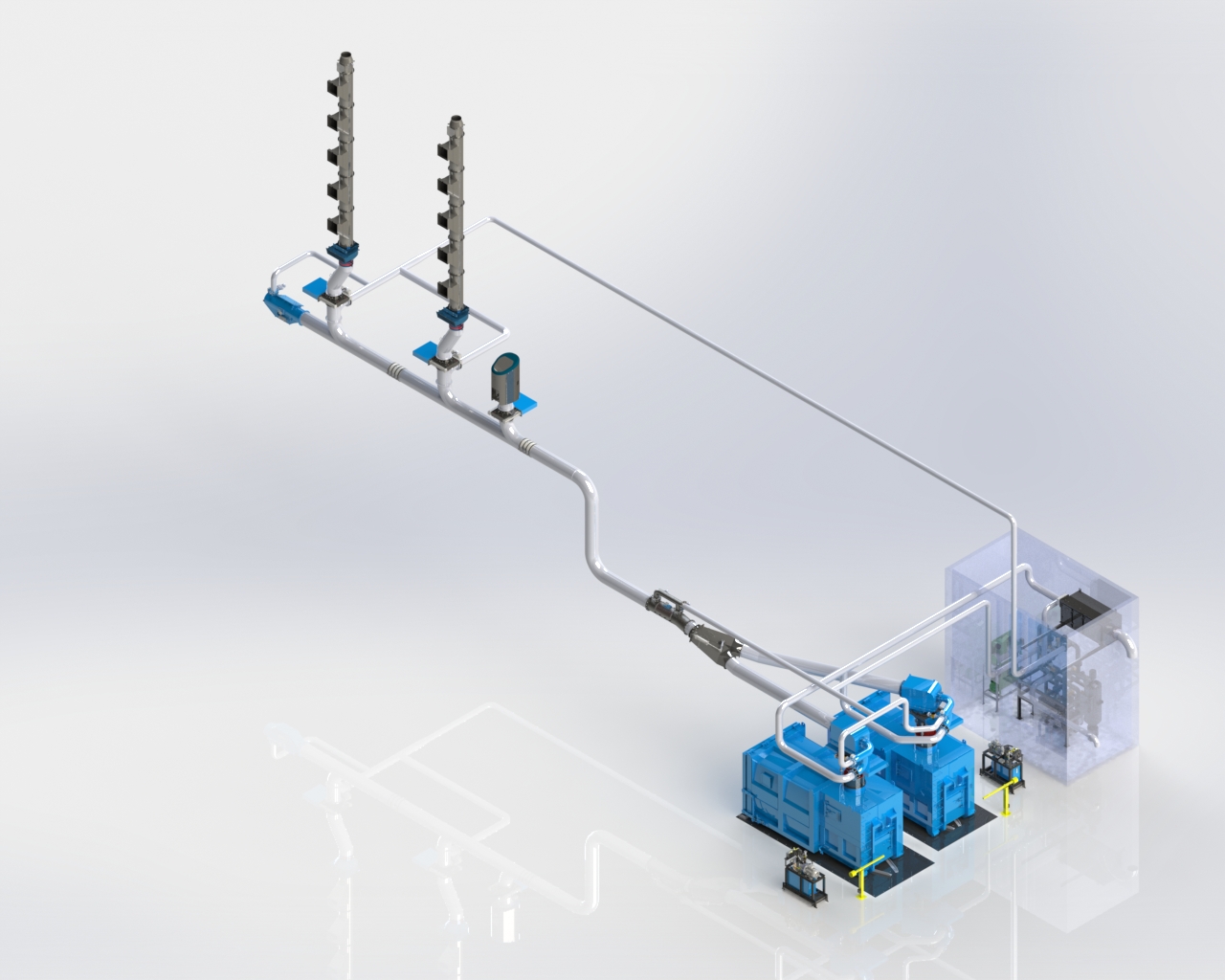
Shuttle Vacuum System (SVS)
A patented, highly energy-efficient technology that uses a unique shuttle transport mechanism rather than traditional continuous vacuum airflow, drastically loweing power consumption
Source-Separation & Dedicated Food Waste Management
An evolving waste management service must also address what goes into the pipes. Organic and catering waste, if left in open bins, decays rapidly and causes severe sanitation issues.
Advanced AWCS infrastructure now features dedicated inlets for separate waste streams - such as general refuse, recyclables, and organic food waste. Capturing organic waste directly at the source (such as commercial kitchens or residential blocks) allows it to be conveyed automatically to processing or biogas plants, supporting a circular economy without a single rubbish bag touching the pavement.
Smart Automation & Real-Time Control
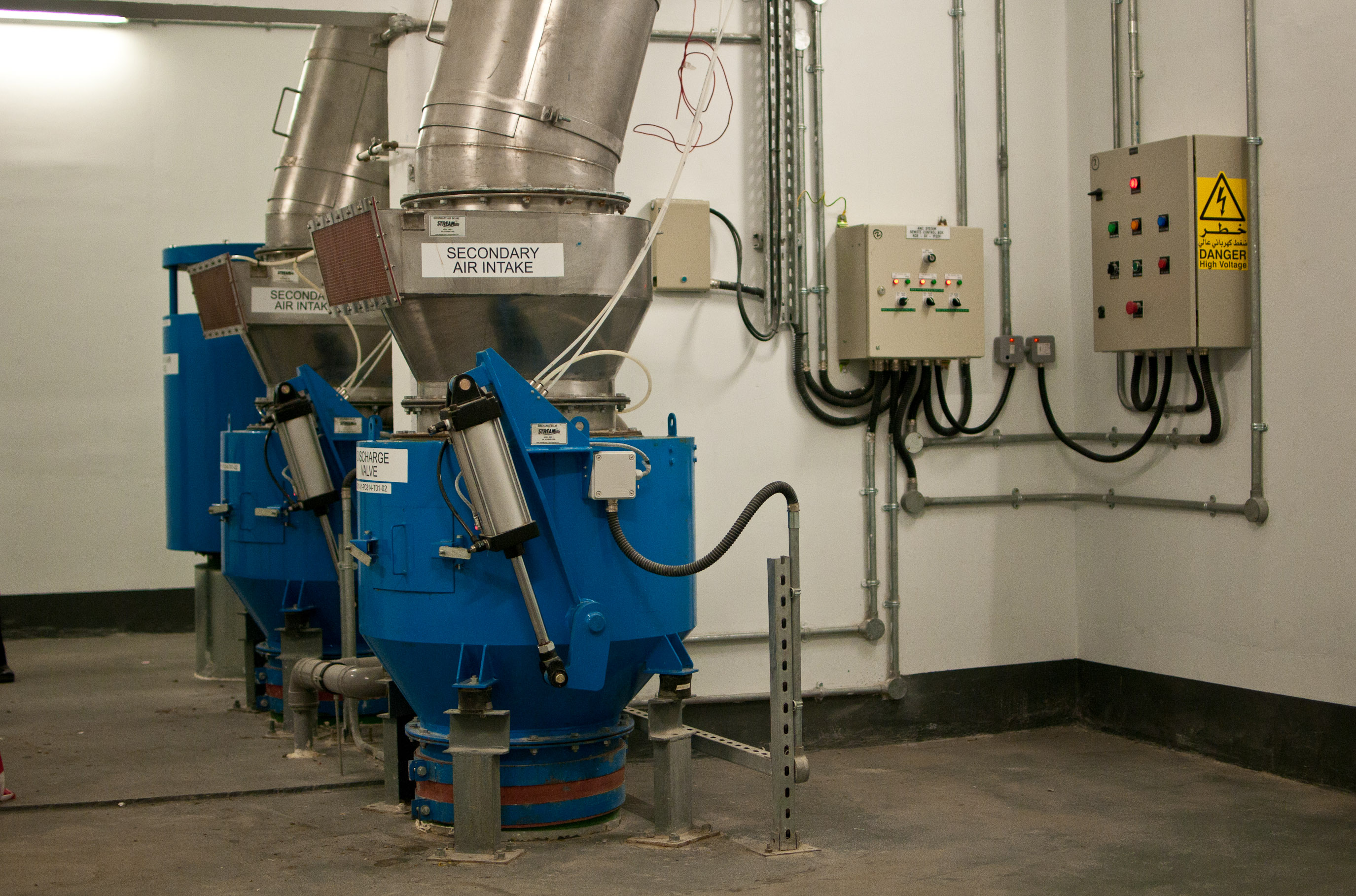
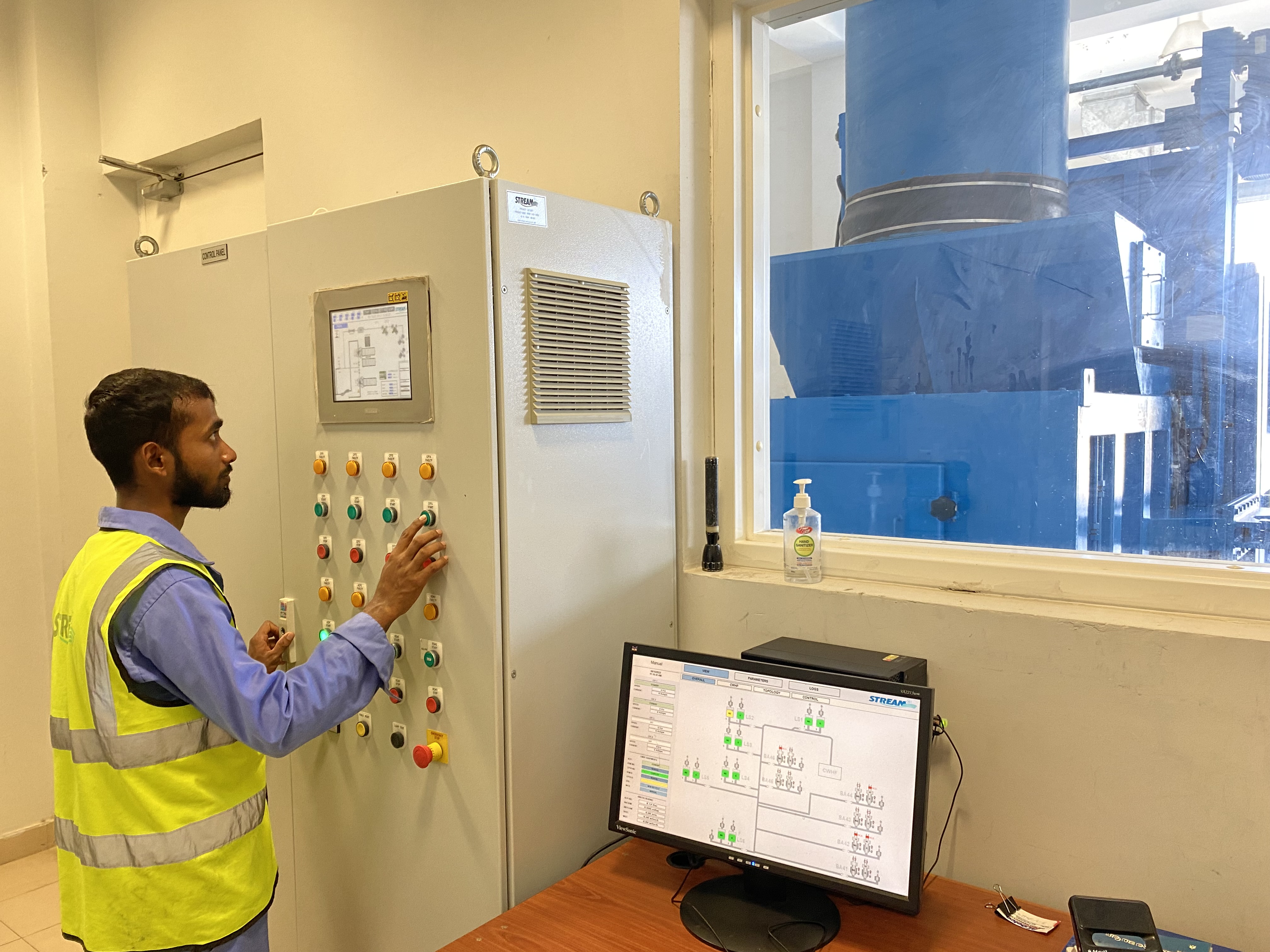
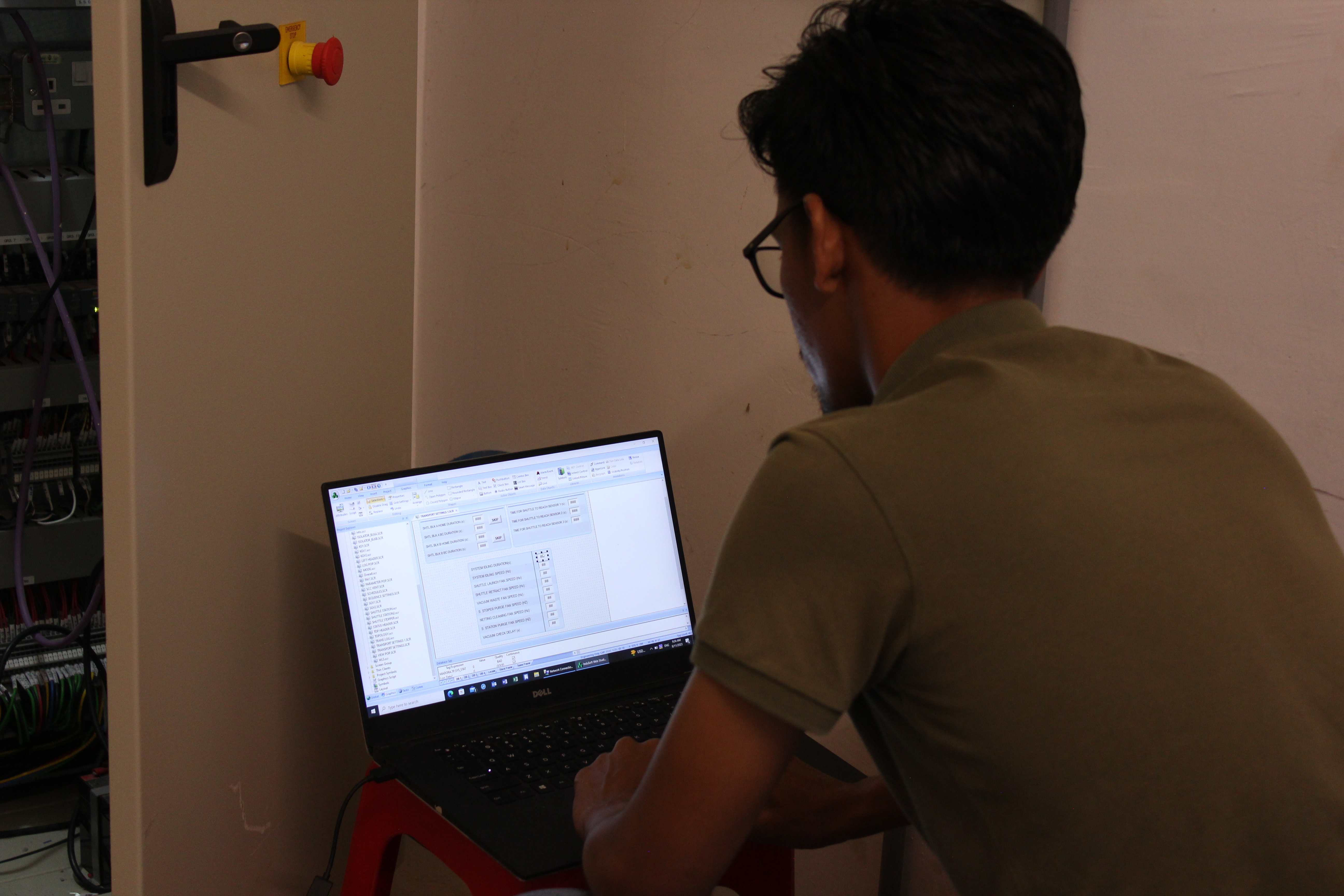
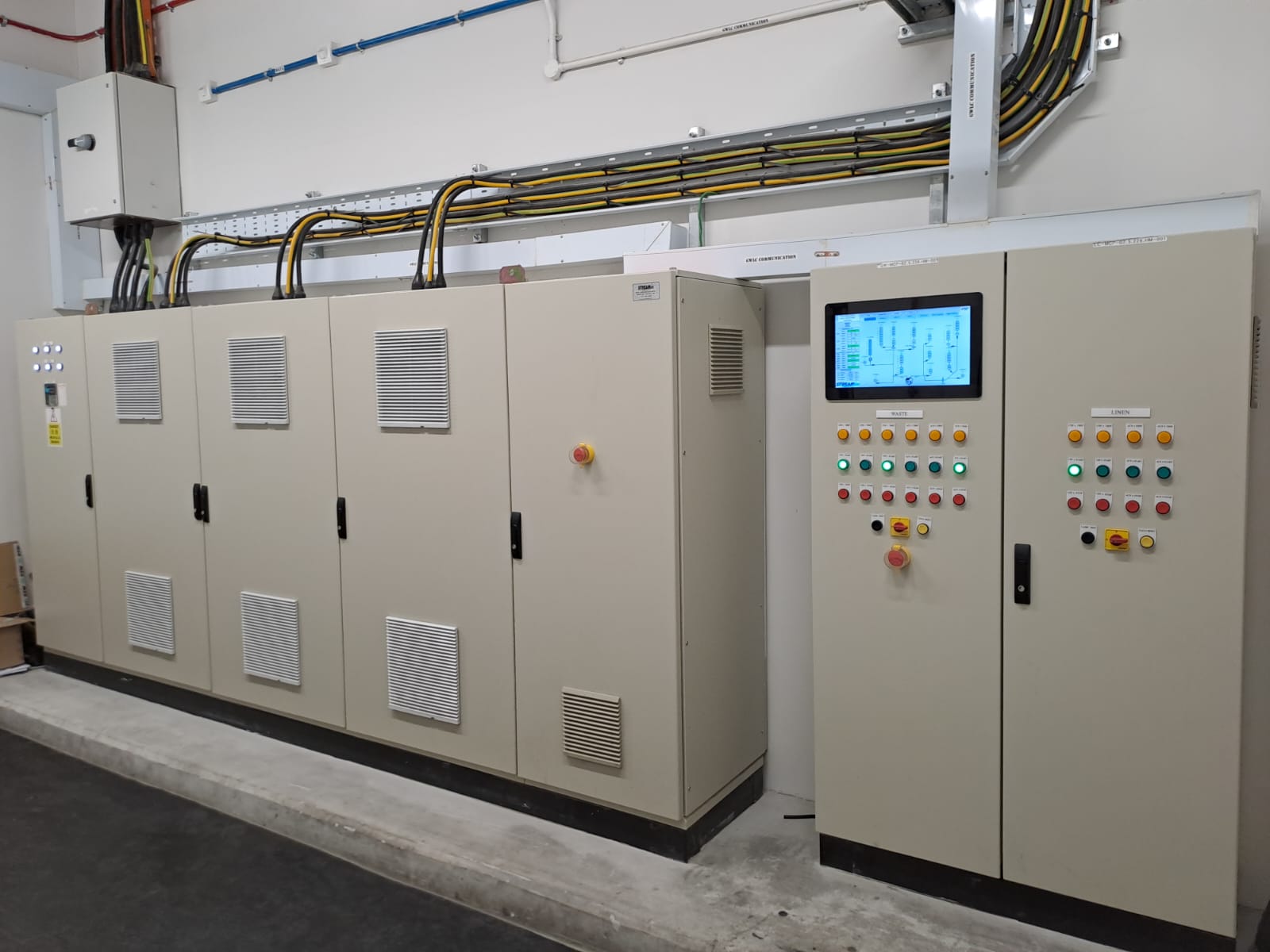
Beyond physical pipes, modern waste systems rely on smart automation and Internet of Things (IoT) monitoring. Automated valves, smart sensors, and centralized control systems constantly monitor waste levels and air pressure. The system automatically triggers collection cycles when capacity is reached, ensuring continous 24/7 operation with minimal human intervention or manual handling.
Building Cleaner, Smarter Cities for Tomorrow
The evolution of a modern waste service goes far beyond replacing diesel engine with trucks. By integrating automated, sealep pipe network like STREAM's AWCS into city planning, developers can build cleaner, safer and quieter urban environments. Moving beyond the rubbish lorry is no longer just a luxury - it is the standard for sustainable modern living.
Modernise Your Development's Waste Infrastructure Today
Consider upgrading your project with STREAM's advance Automated Waste Collection System (AWCS). By integrating subterranean pneumatic solutions into your master plan, you can effectively eliminate surface rubbish lorries, lower operational carbon footprints, and significantly boost overall property value.