

The Urban Density Dilemma in Modern Sanitation
As global urbanization accelerates, high-density metropolitan areas face unprecedented pressure on their municipal infrastructure. While cities continue to advance in digital connectivity and vertical architecture, traditional solid waste management remains a glaring weakness in many urban centres. Dense city environments produce massive volumes of refuse daily, yet the systems designed to clear this waste have largely failed to evolve alongside the sky-high towers they serve.
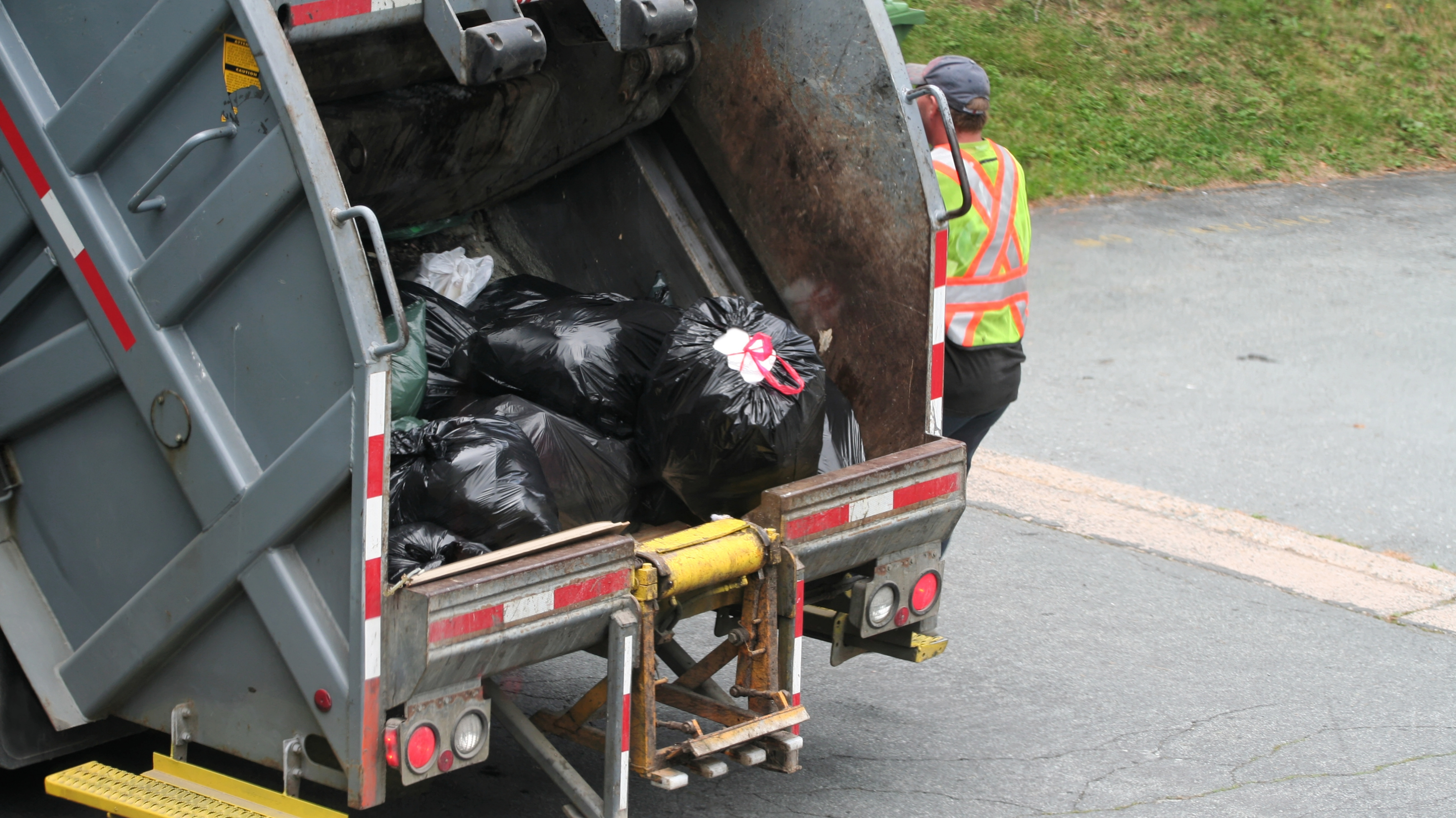
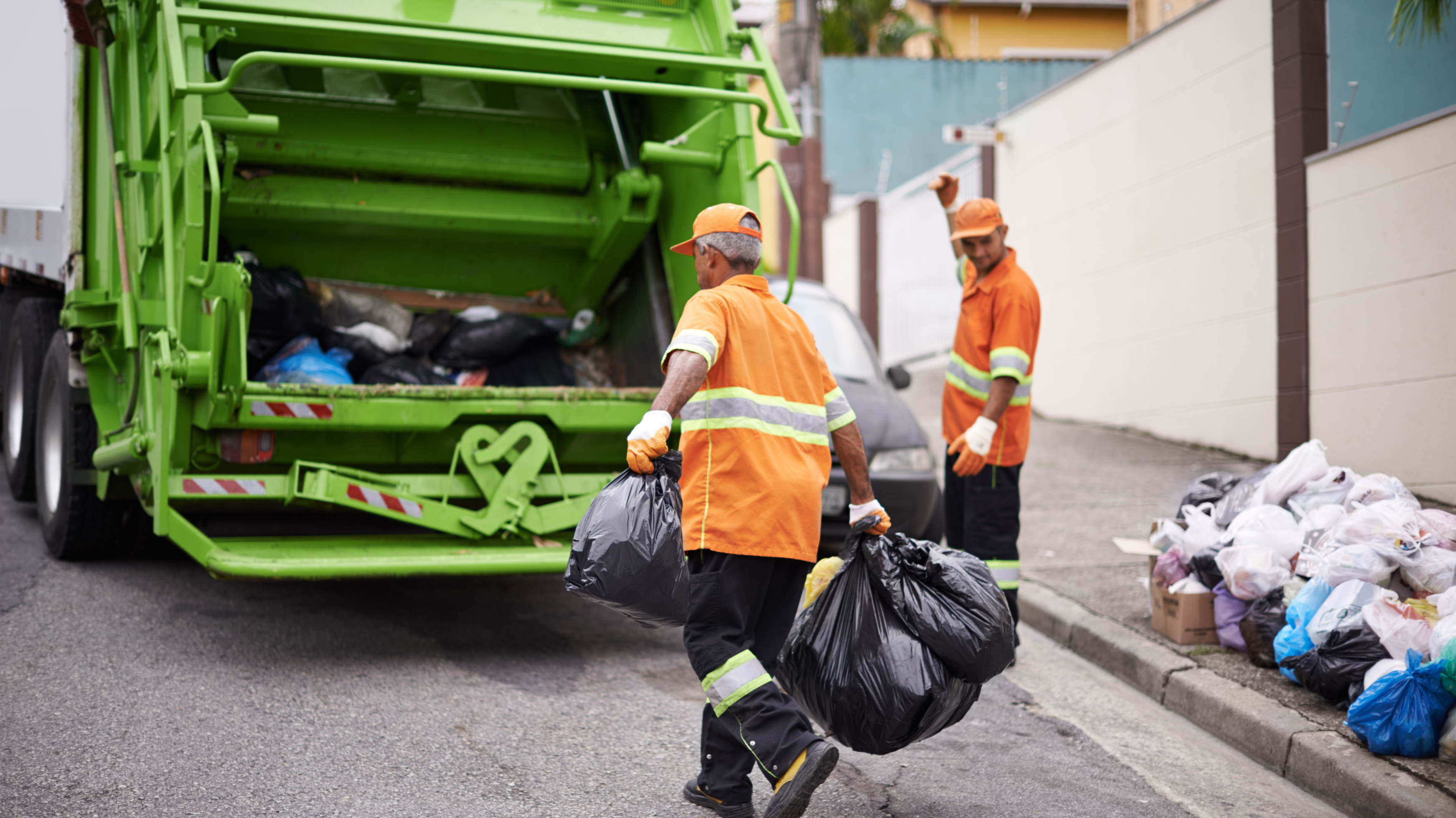
The fundamental flaw lies in relying on outdated, surface-level collection methods in overcrowded urban spaces. Attempting to maneuver heavy diesel rubbish lorries through narrow, congested streets creates severe operational bottlenecks. Combined with overfilled kerbside bins, foul odours, and pest infestations, conventional collection methods often degrade urban hygiene, create major safety hazards, and generate significant carbon emissions rather than keeping cities clean.
Overcoming these systemic failures requires a complete rethinking of urban utility design. Forward-thinking developers and city planners are shifting away from manual, vehicle-reliant waste removal and embracing automated subterranean infrastructure. STREAM are driving this essential transformation, demonstrating that long-term success in solid waste management requires moving refuse collection off city streets and taking it underground.

Severe Traffic Congestion & Narrow Urban Gridlocks
Dense urban developments simply lack the spatial capacity to accommodate heavy collection vehicles. When traditional rubbish lorries stop to service bins during peak hours, they paralyse local traffic grids, spike idling emissions, and create continuous safety hazards for pedestrians. Modern high-density planning demands a fluid transport network, yet legacy kerbside collection schedules routinely disrupt daily urban mobility.
Furthermore, this operational inefficiency escalates logistical bottlenecks as cities grow vertically. Navigating narrow access roads and crowded loading bays not only delays waste removal but also accelerates street-level wear and tear. Overcoming these spatial limits requires moving away from vehicle-dependent collection and embracing modern, subterranean infrastructure.

Public Health Risks & Sanitation Hazards
Conventional surface collection relies heavily on temporary storage rooms and exposed kerbside bins. In warm or humid climates, uncollected refuse decays rapidly, attracting vermin, breeding bacteria, and releasing offensive odours. These unsanitary conditions directly compromise the living standards of residents, showing how surface-level storage fails to maintain hygiene in high-density communities.

Rapid Odour & Bacteria Escalation
Temporary storage rooms and exposed kerbside bins allow uncollected refuse to decay rapidly in warm climates, releasing offensive odours throughout residential areas.

Persistent Pest Infestations
Exposed surface waste continuously attracts vermin and insects, making hygiene nearly impossible to maintain across high-density developments
Degraded Urban Aesthetics & Livability
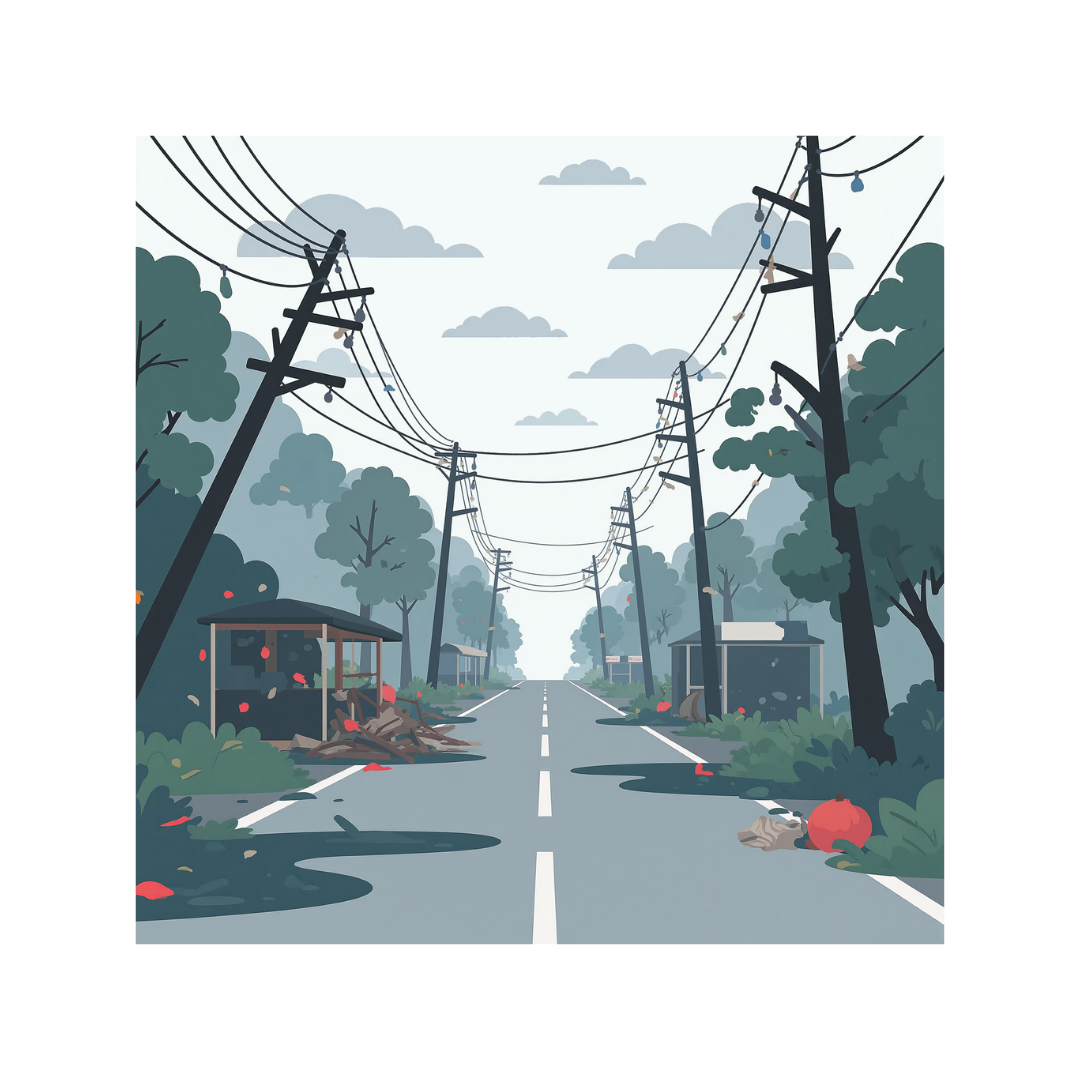
Lingering refuse creates unsightly kerbside clutter, directly lowering resident satisfaction and diminishing overall property appeal
Costly Property Maintenance Strain
Managing surface waste rooms places an ongoing burden on facility management teams, whereas transitioning to sealed, automated systems completely eliminates these operational headaches
Inefficient Use of Prime Real Estate
In dense cities, spatial footprint translates directly into high economic value. Traditional solid waste management consumes extensive ground-level real estate for dedicated bin storage, loading bays, and heavy vehicle access routes. Dedicating premium commercial or residential space to housing foul-smelling rubbish bins wastes valuable square footage that could otherwise be repurposed for community amenities, green landscaping, or revenue-generating facilities.
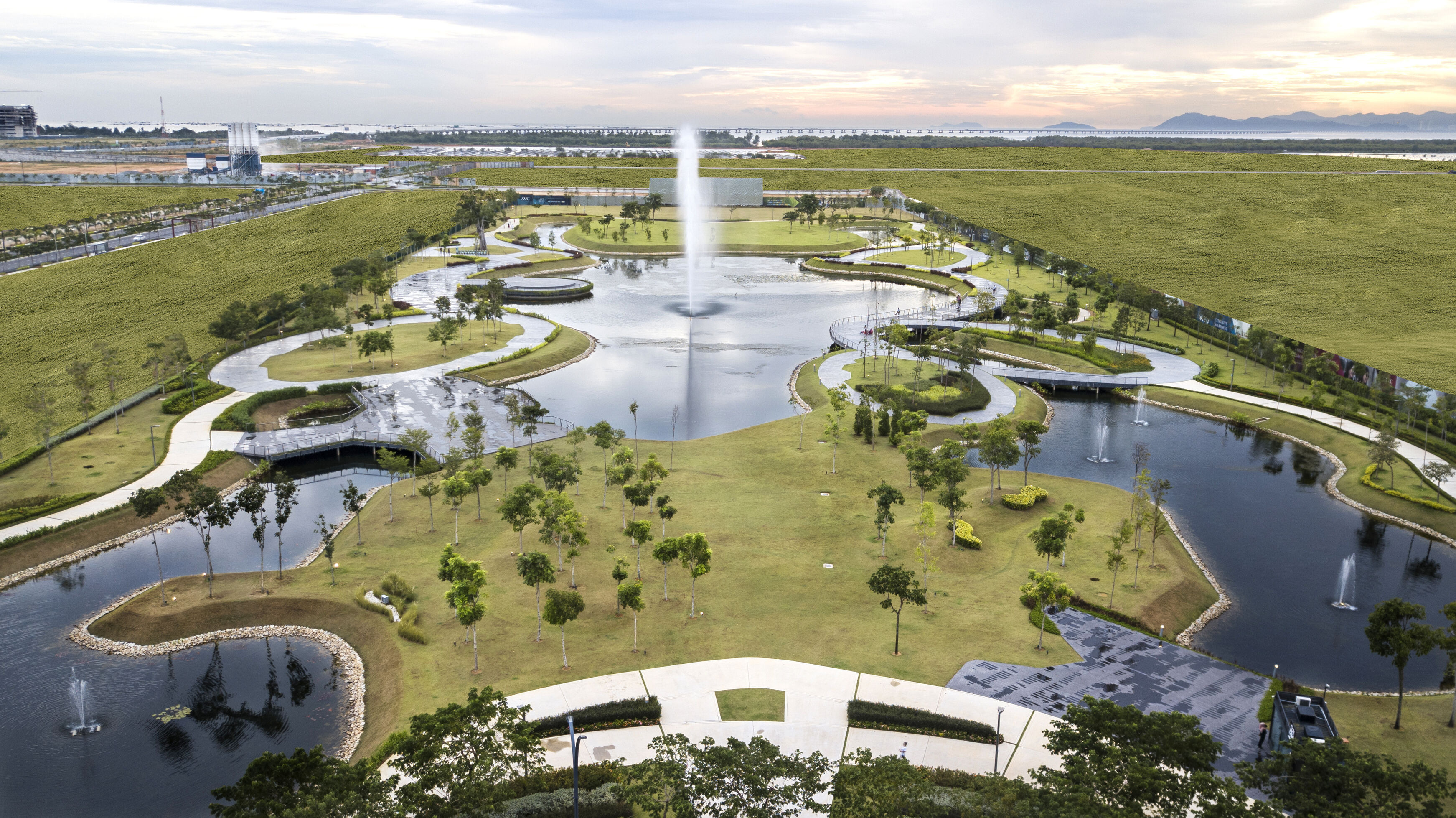
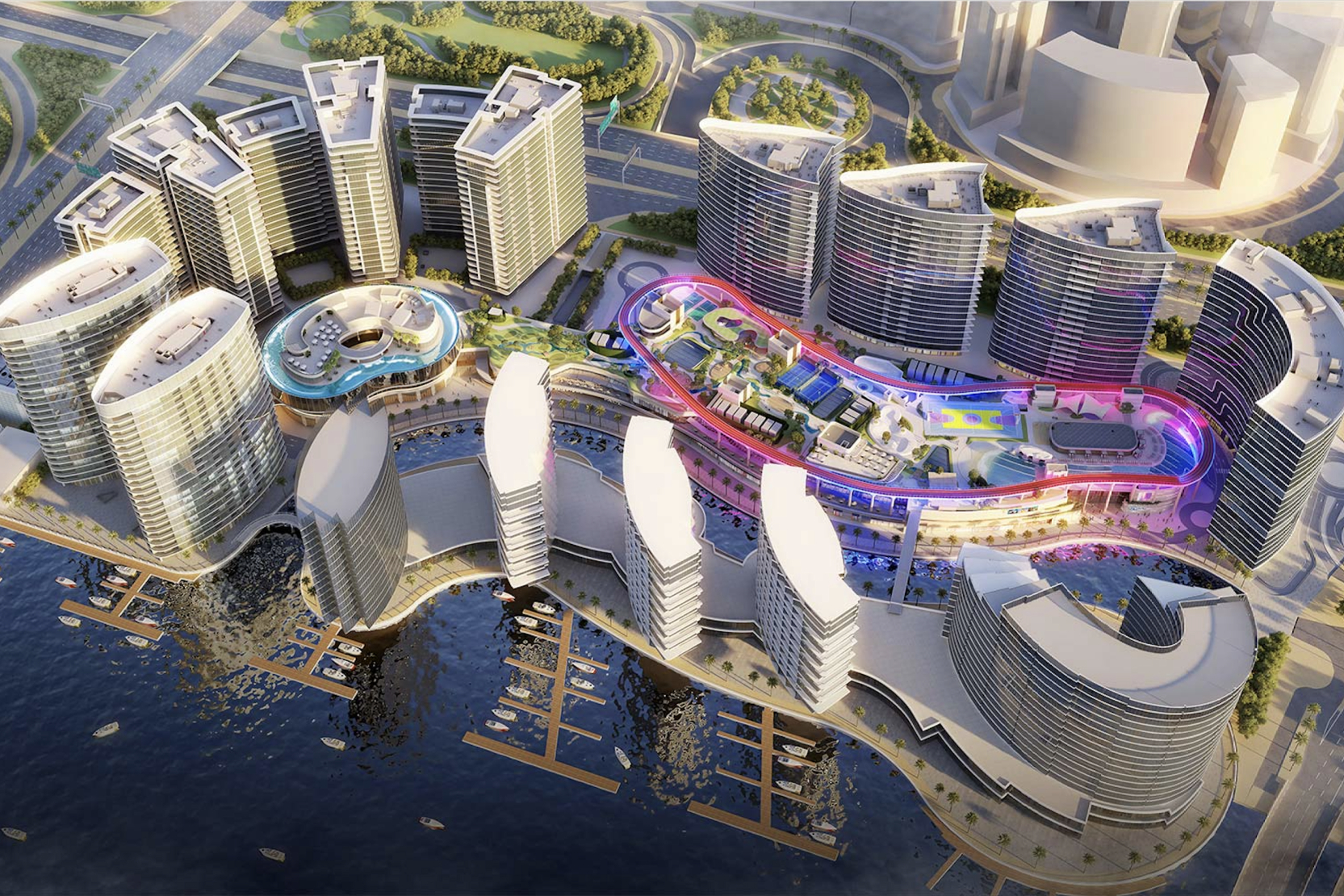
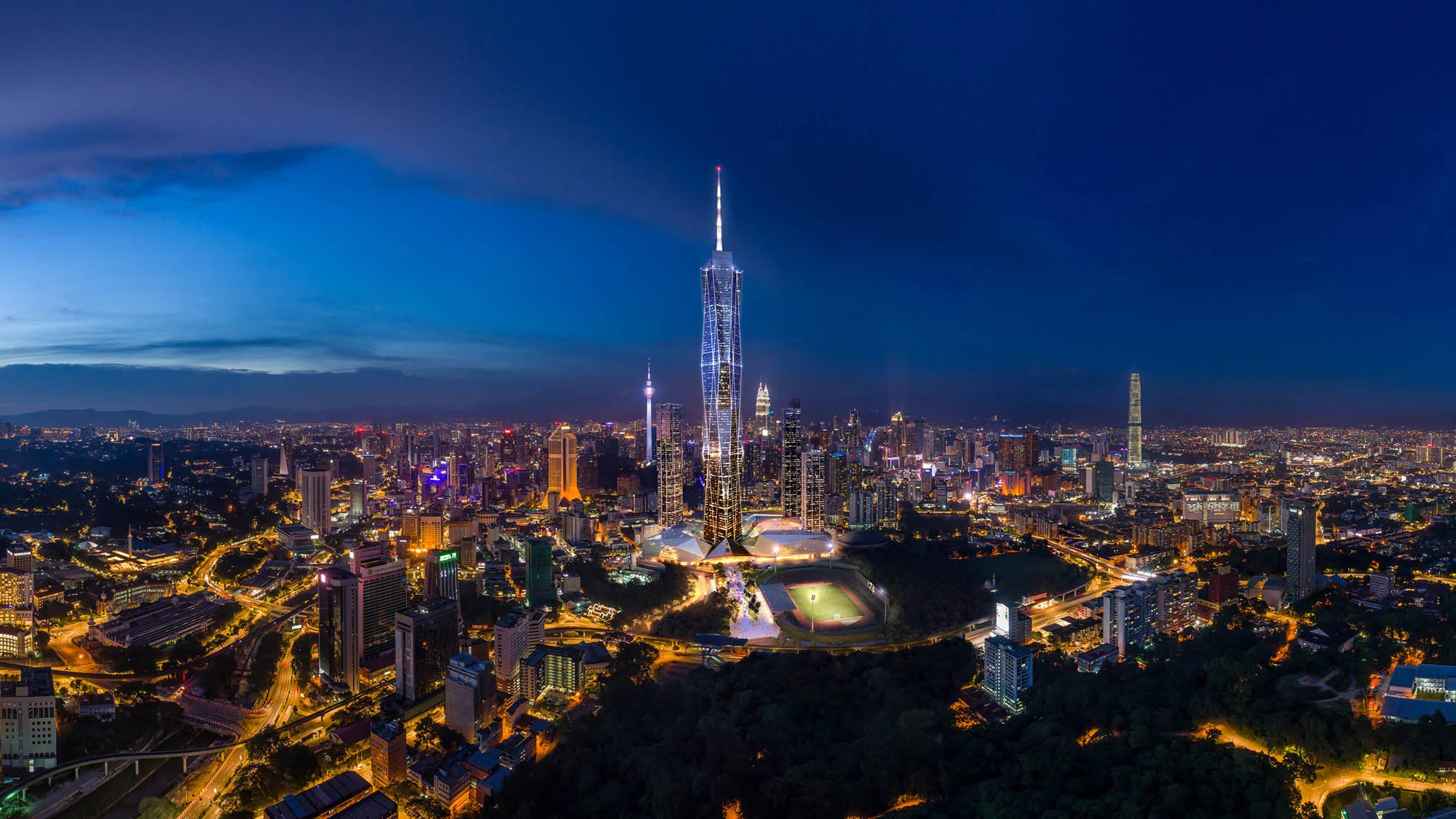
Pioneering developments - including Aspen Vision City in Penang, Merdeka 118 in Kuala Lumpur, as well as major global hubs across Singapore and Dubai - are overcoming these spatial limits by implementing STREAM's Automated Waste Collection Systems (AWCS).
Subterranean Automation by STREAM
To resolve these persistent failures, urban developments must treat refuse management as an underground utility - much like water, gas or electricity. STREAM pioneers this transition through its advanced Automated Waste Collection System (AWCS), which transports waste via high-speed airflow through sealed network pipes to a Central Waste Handling Facility (CWHF). STREAM's eliminates surface garbage trucks, enforce source-separation for recyclables and organic waste, and ensure a 24/7 higienic, pest-free urban environment.
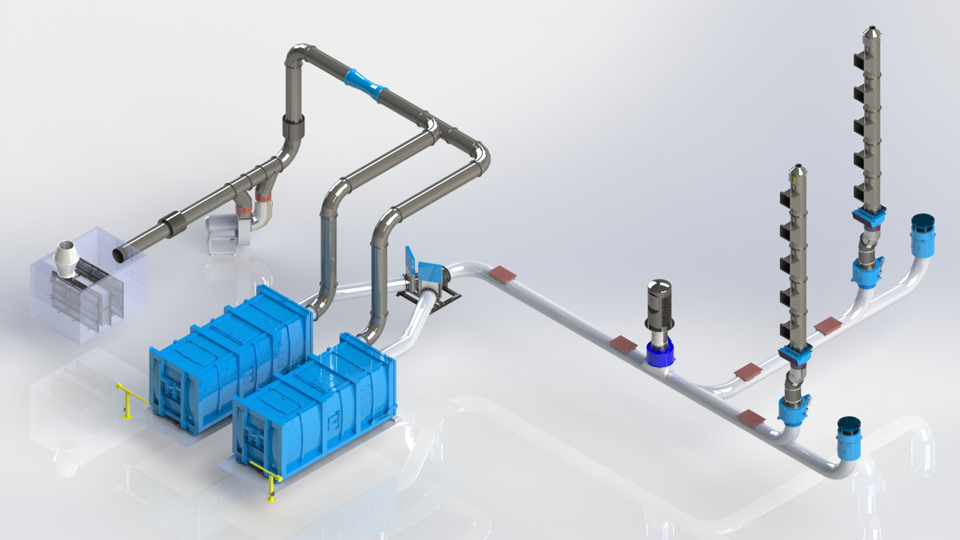
Gravity Vacuum System (GVS)
Combines natural gravity and vacuum transport for a safe, user-friendly, high-volume disposal solution in residential towers, offices, and hospitals
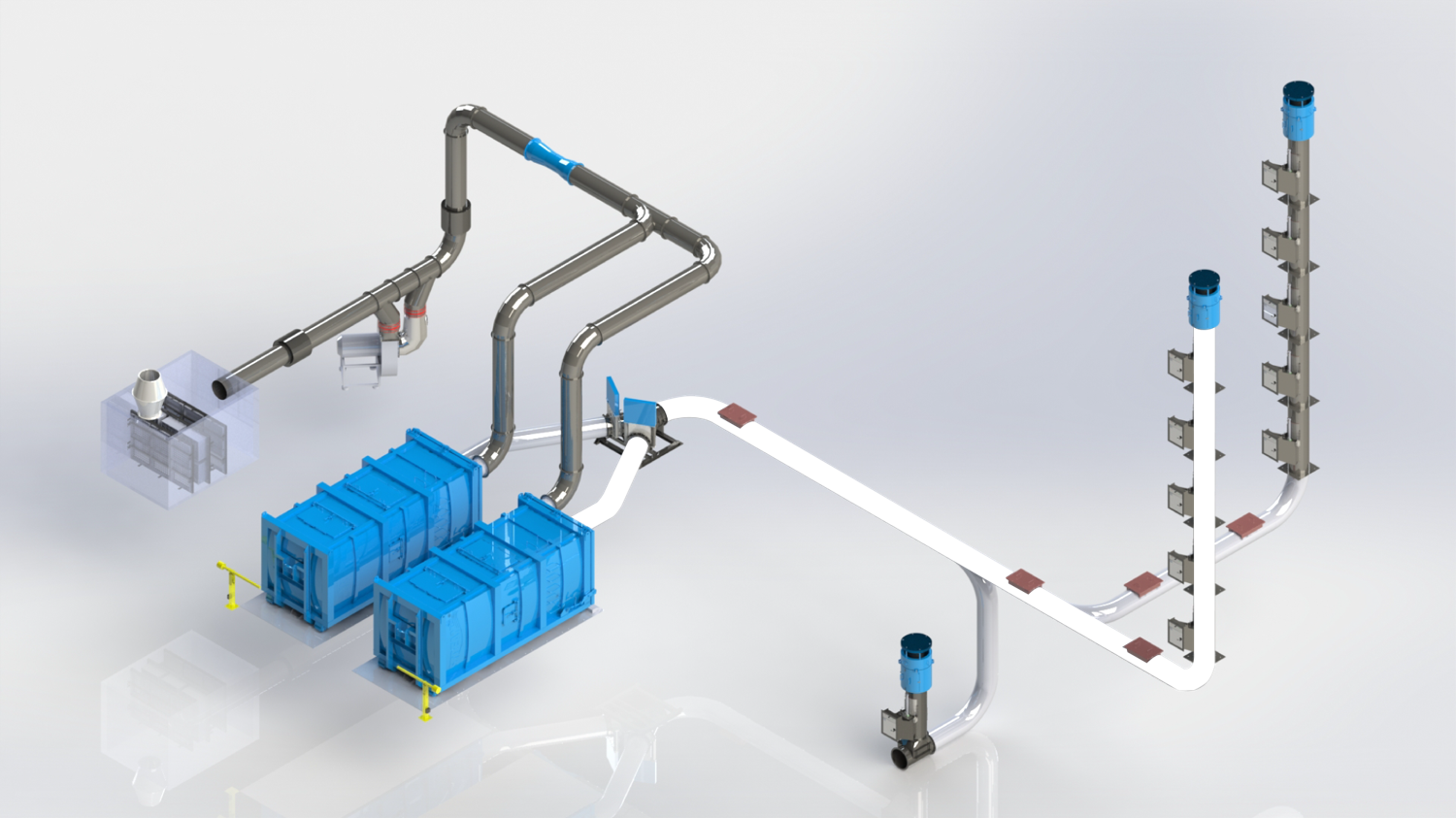
Full Vacuum System (FVS)
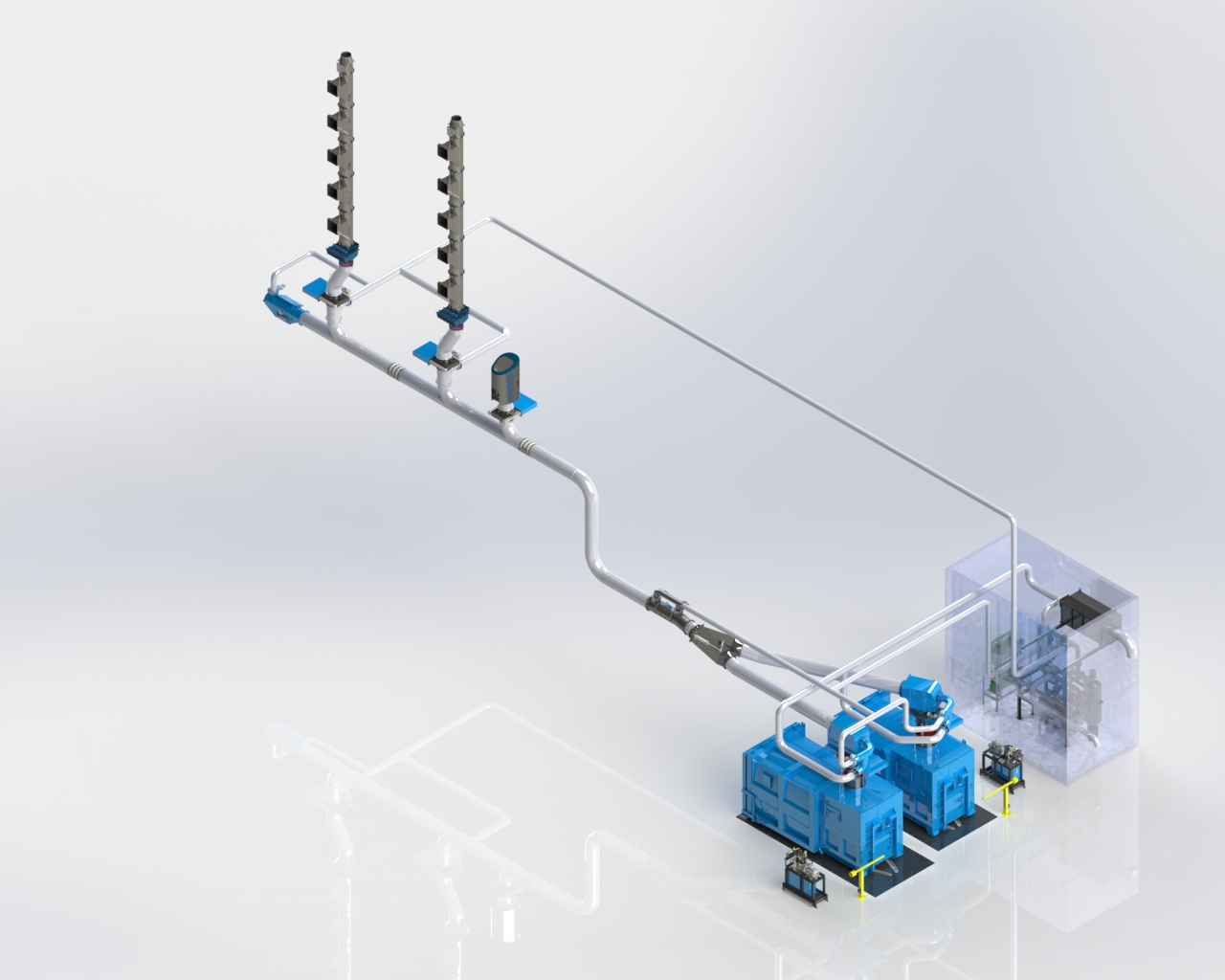
Shuttle Vacuum System (SVS)
Utilises patented shuttle technology to transport garbage across complex developments, operating with minimal air and energy consumption
Re-engineering Future Urban Infrastructure
As modern cities grow skyward, STREAM stands at the forefront of urban transformation by replacing disruptive garbage trucks with seamless subterranean technology. By recovering high-value real estate, eliminating surface pollution, and safeguarding public health, STREAM's pioneering systems empower developers to set a majestic global benchmark for clean, smart-city infrastructure.
Discover STREAM's Engineering Solutions Today
Upgrading your development’s master plan with STREAM Environment’s Automated Waste Collection Systems (AWCS) provides a permanent remedy to modern urban waste failures. Integrating subterranean pneumatic networks eliminates surface rubbish lorries, significantly cuts operational carbon footprints, and enhances overall property value.