
Introduction
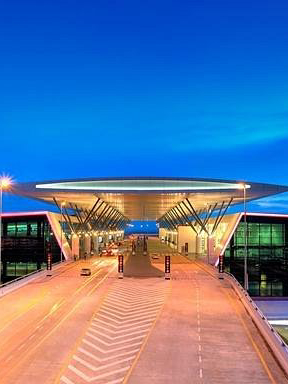
Behind the seamless experience of modern air travel lies a system most passengers never notice - yet it plays a vital role in keeping airports clean, efficient and running smoothly. As a passenger numbers continue to grow, airports are under increasing pressure to manage waste more effectively without disrupting daily operations.
This is where the Automated Waste Collection System (AWCS) comes in. Operating quietly behind the scenes, AWCS transforms waste management into a streamlined, efficient process - making it the true “silent hero” of airport infrastructure.
The Problem
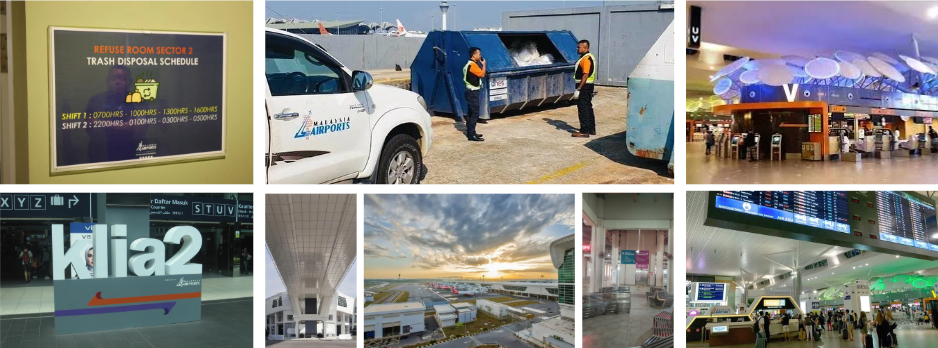
Airports today face multiple waste management challenges as passenger traffic continues to grow. The increasing volume of waste puts pressure on existing systems, many of which still rely heavily on manual collection methods.
This often leads to operational congestion caused by waste carts and trucks, along with hygiene risks from exposed or overflowing waste. At the same time, airports are finding it increasingly difficult to meet sustainability and environmental targets under these conditions.
Why It Matters
Inefficient waste management leads to rising costs due to increased labour, transportation, and operational inefficiencies. It also places a heavier workload on staff, requiring them to handle repetitive and time-consuming tasks.
At the same time, visible waste and unpleasant environments can negatively impact the passenger experience, while operational disruptions in high-traffic areas further affect overall airport efficiency.
The Solutions
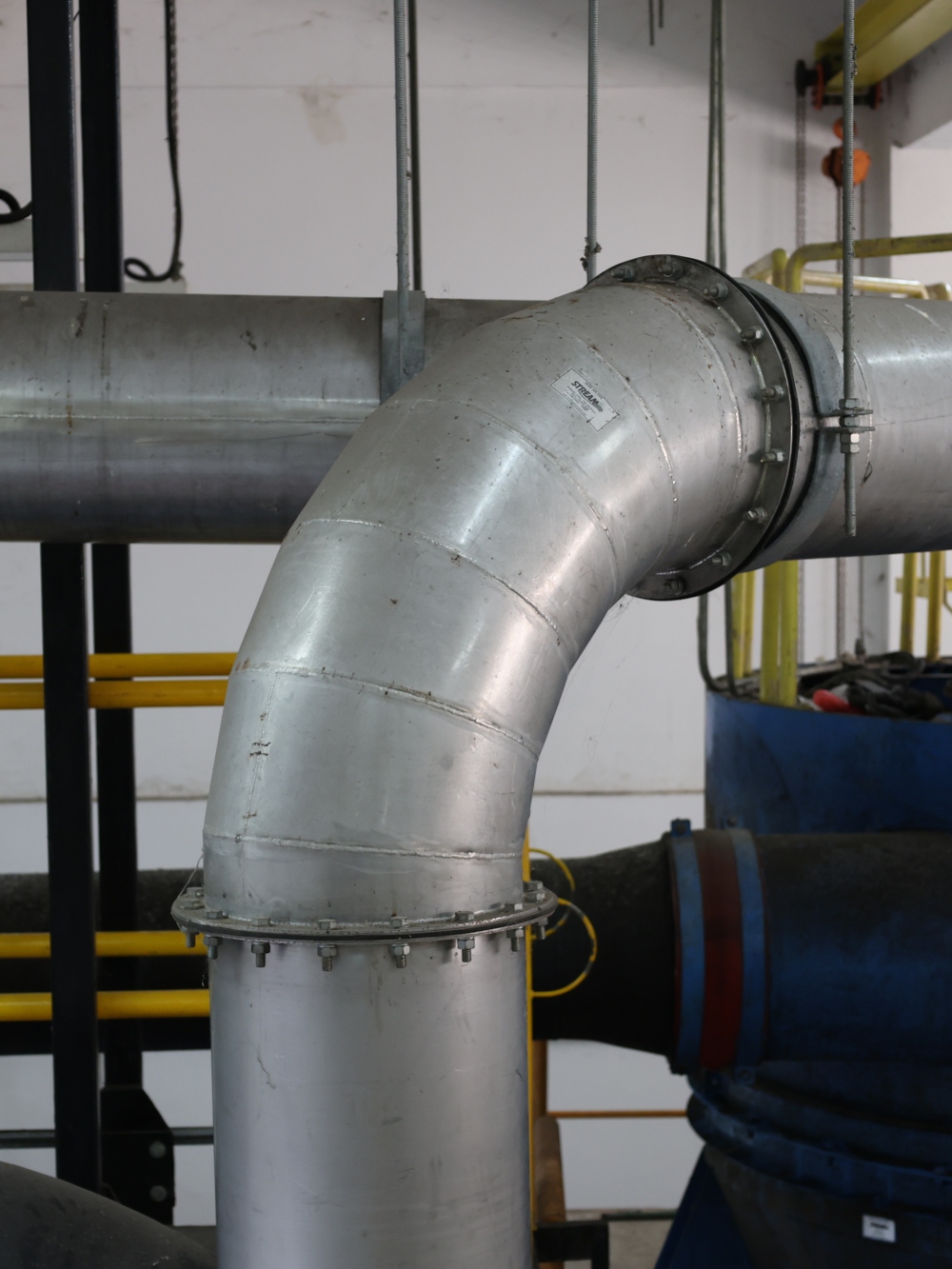
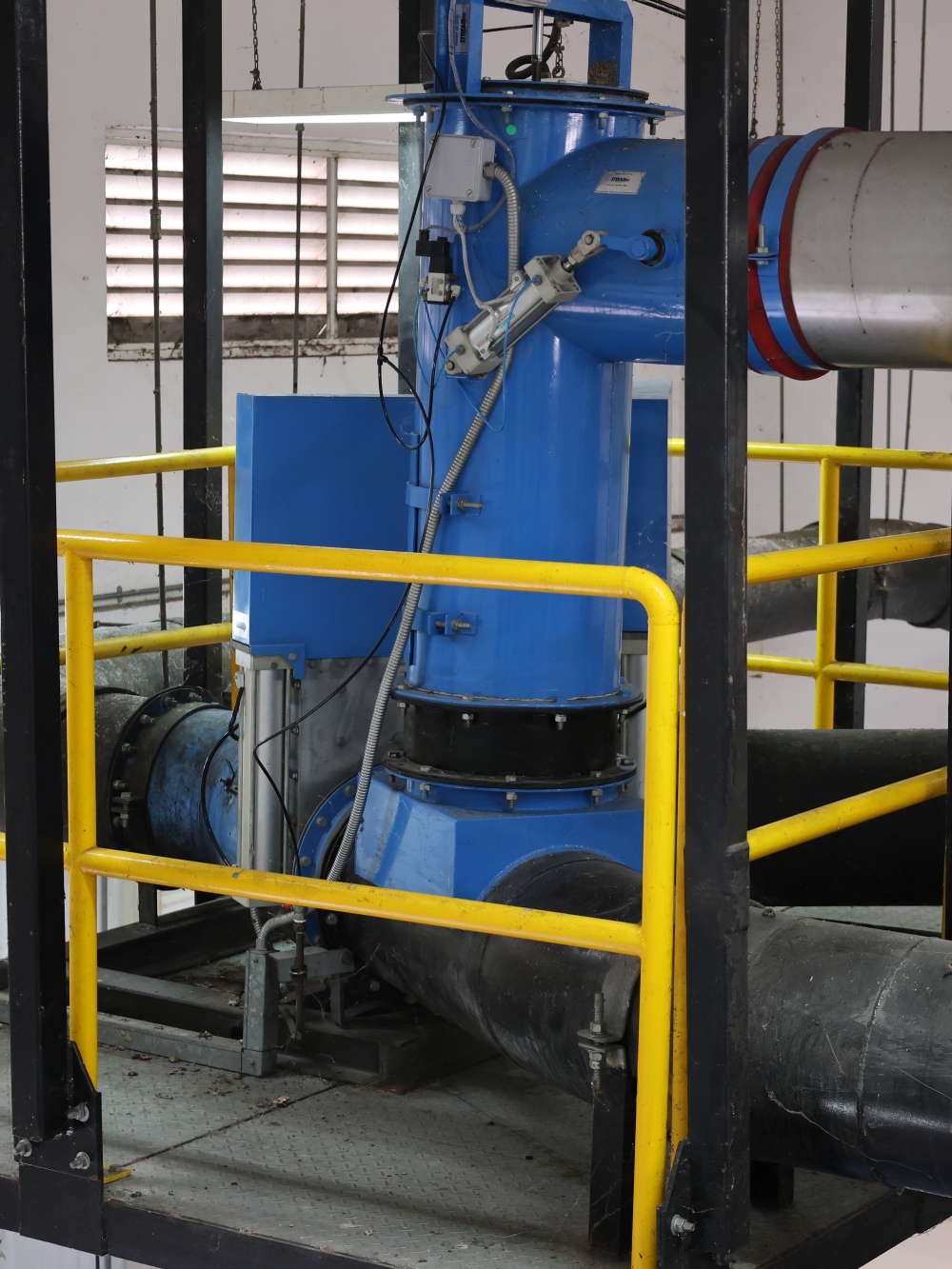
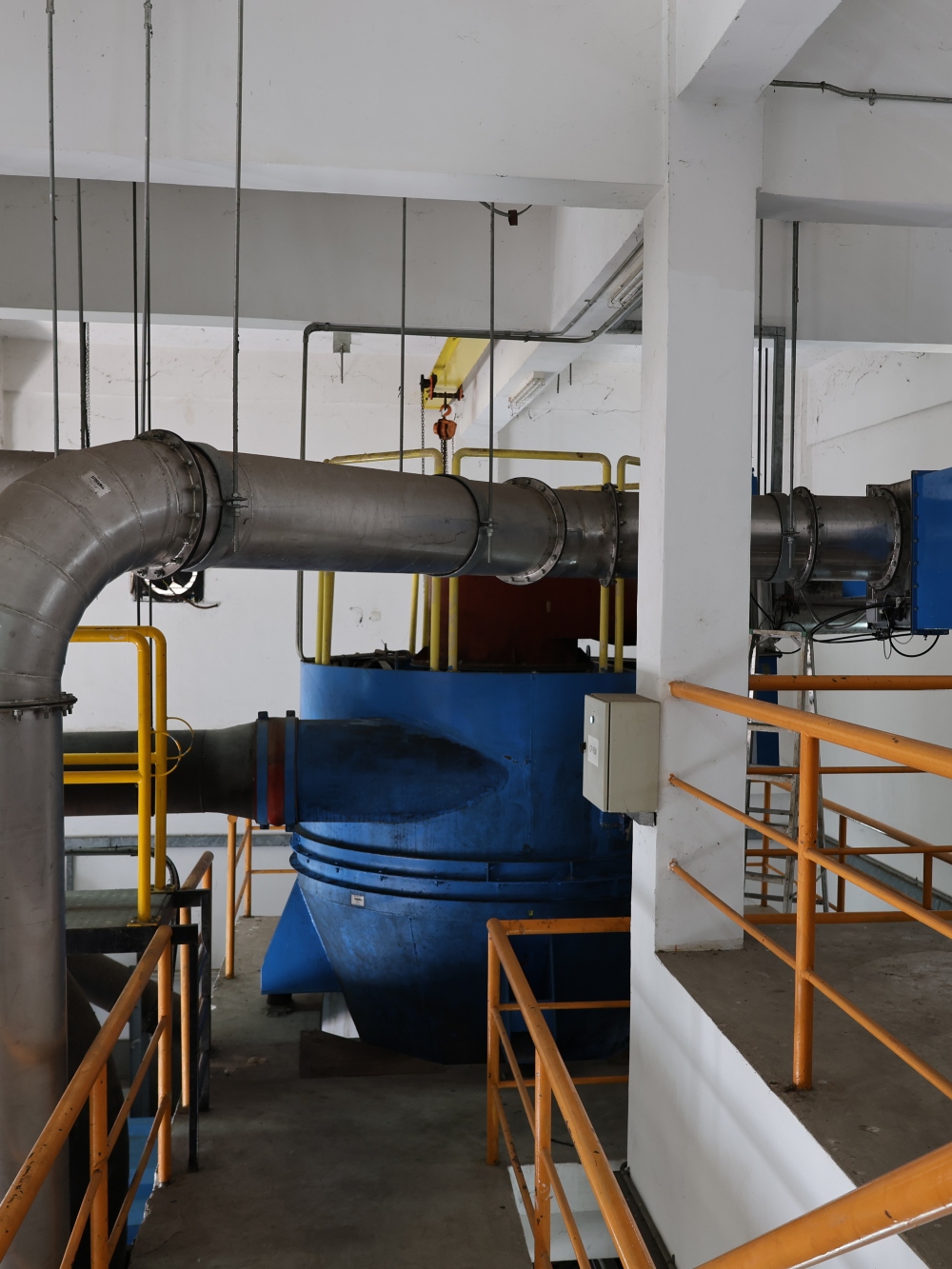
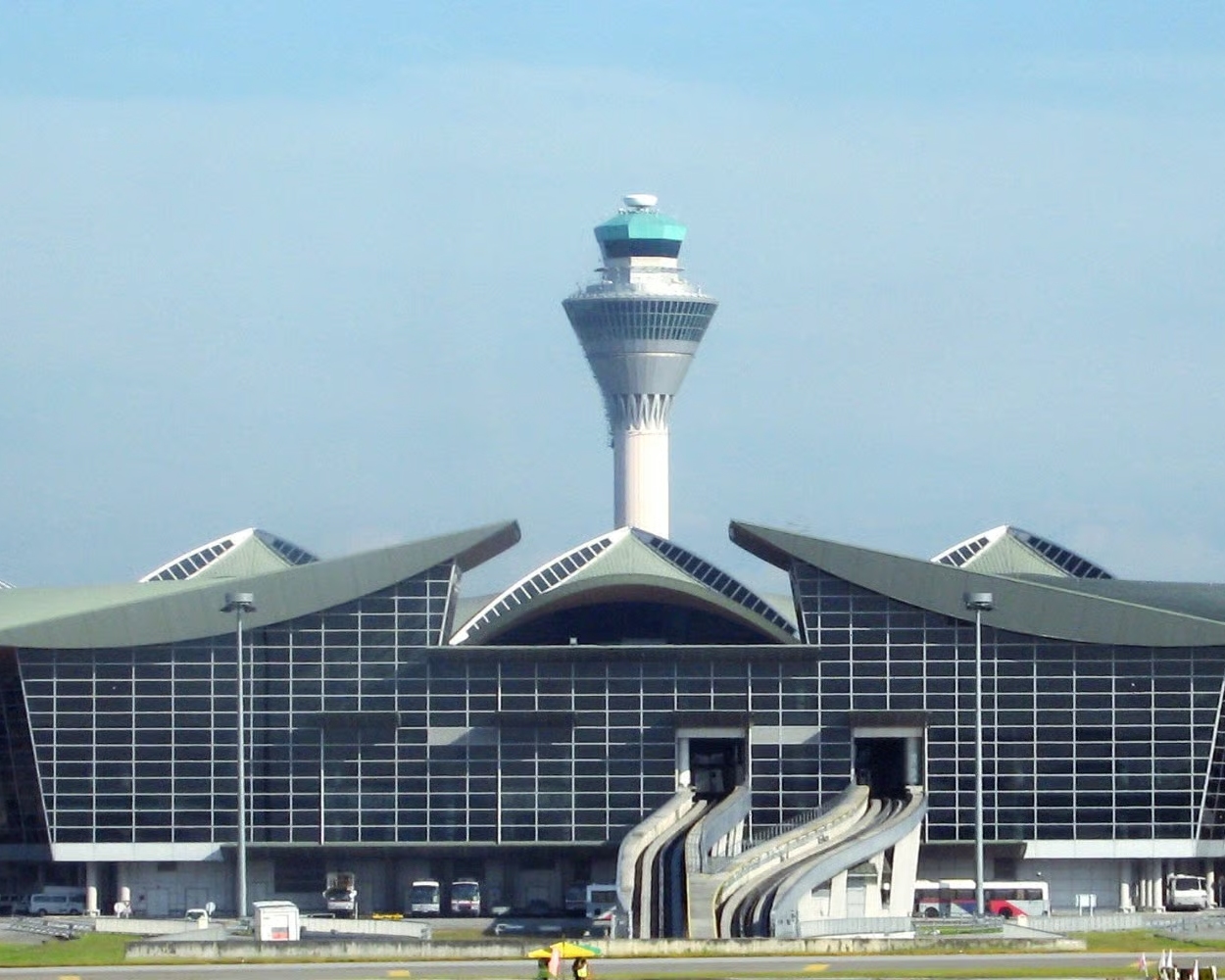
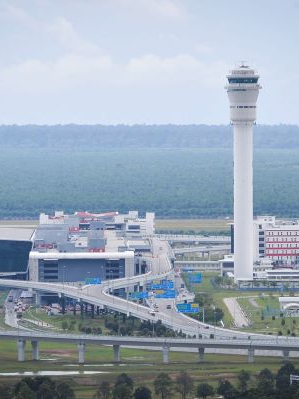
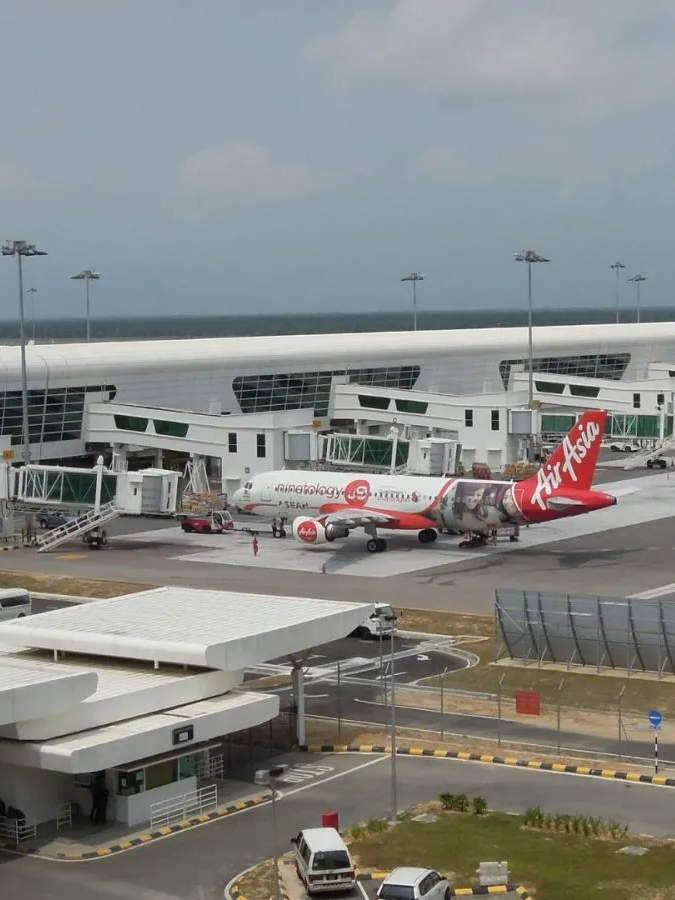
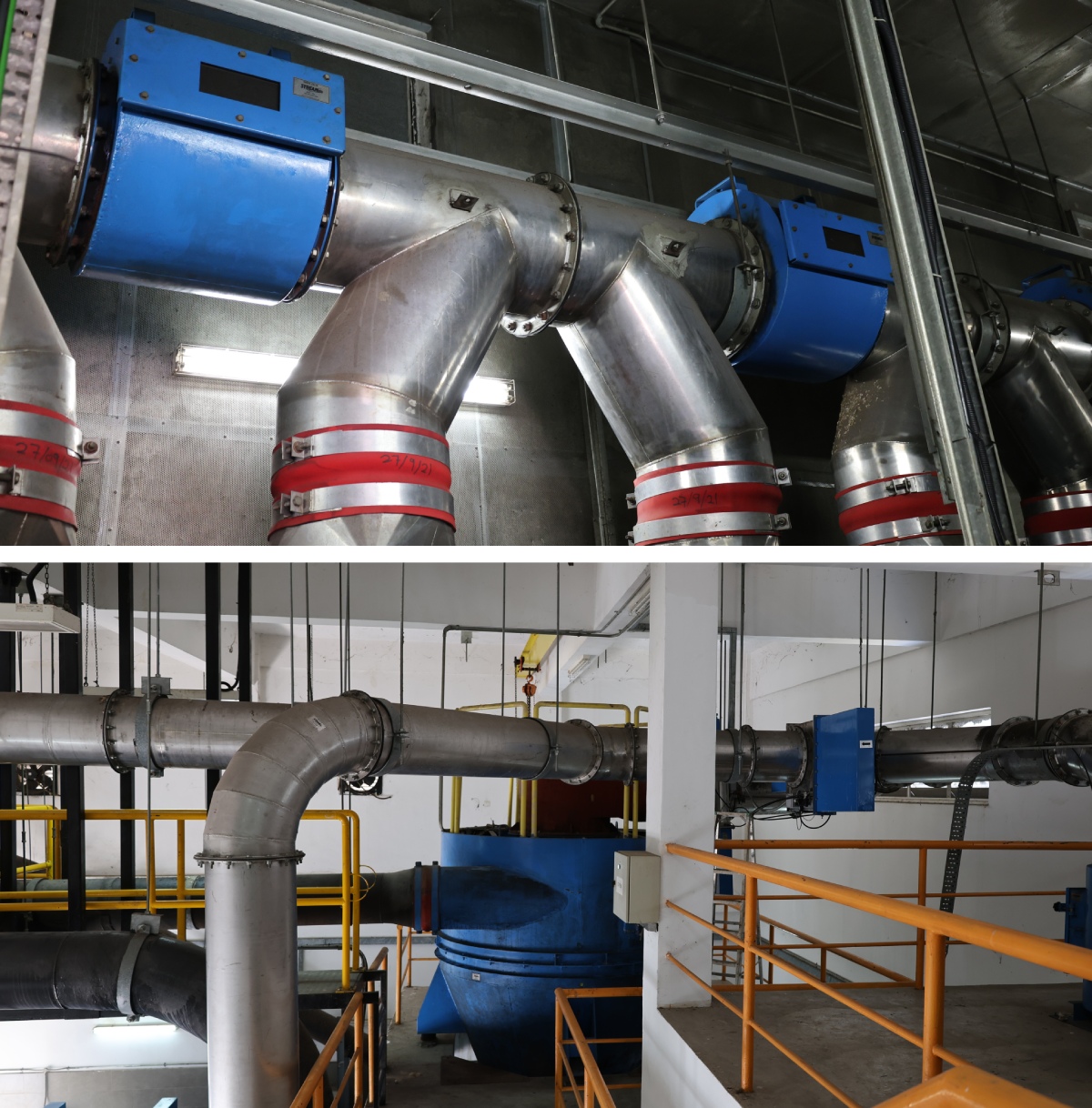
The Automated Waste Collection System (AWCS) offers a smarter approach to waste management. By using a network of underground pipes and automated technology, waste is transported directly from disposal points to a central collection station — eliminating the need for manual handling.
Key Benefits
AWCS improves overall operational efficiency by streamlining waste collection and reducing the need for manual handling. It also helps lower labour and transportation costs, making operations more cost-effective.
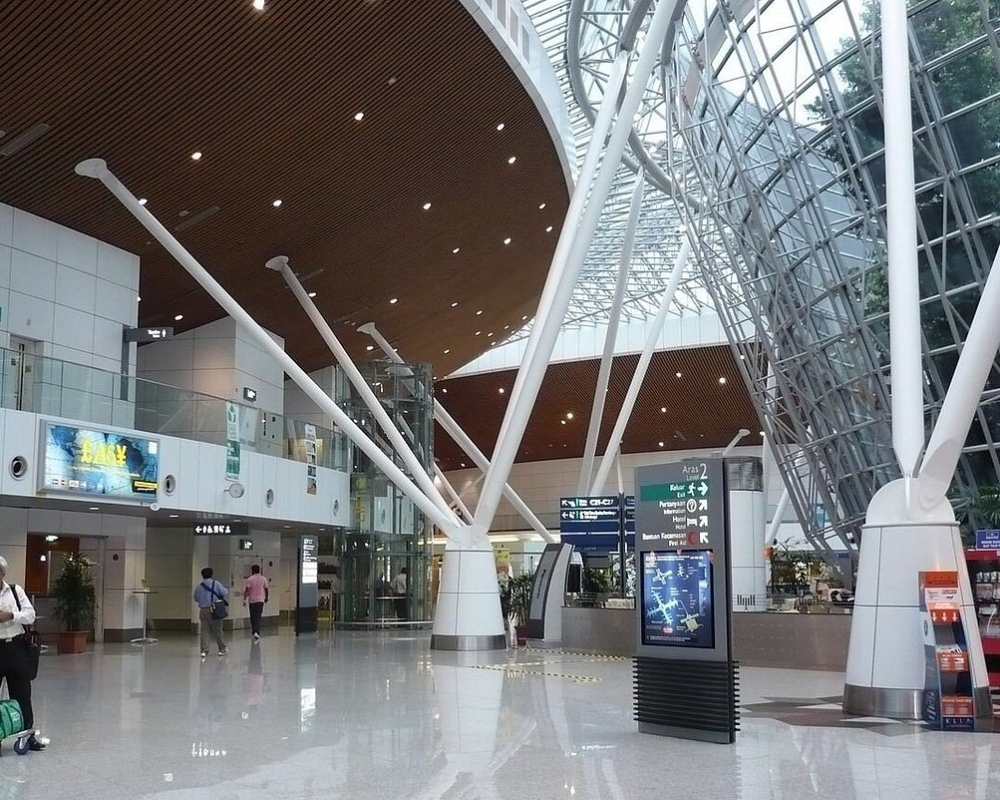
At the same time, it enhances cleanliness and hygiene within the airport environment while supporting sustainability initiatives. By operating discreetly in the background, AWCS also minimises disruption in public areas, ensuring a smoother passenger experience.
How It Works
Waste is disposed at designated inlets located throughout the airport, making it convenient for both passengers and staff.
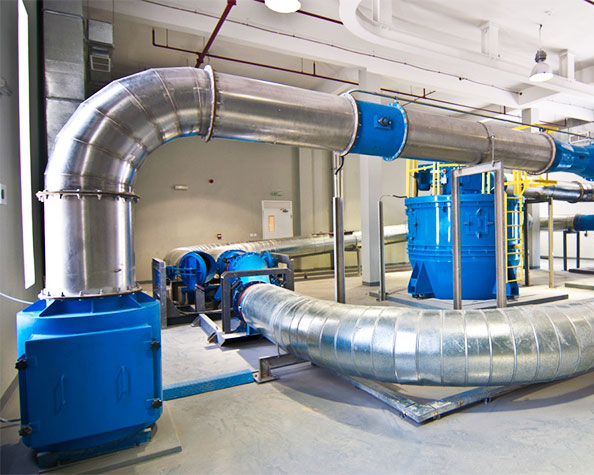
From there, the system automatically transports the waste through sealed pipes to ensure a clean and efficient process. All waste is then collected at a central station for proper processing and disposal.
Passengers Experience Improved
As airports continue to evolve, efficient and sustainable waste management is no longer optional — it is essential. AWCS provides a forward-thinking solution that not only improves operations but also enhances the overall airport environment.
Ready to modernise your airport’s waste management?
Get in touch with us today to explore how AWCS can transform your operations